
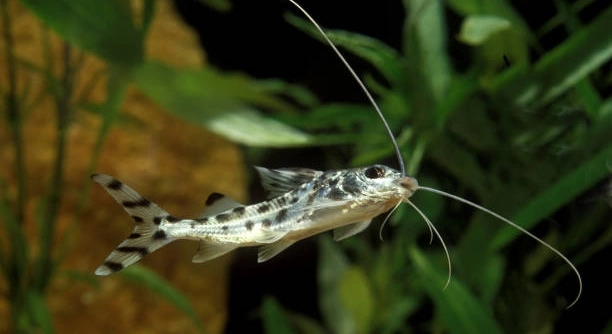
Have you ever spent hours securing your fish tank only to find your pictus catfish mysteriously out of place the next morning?
Pictus catfish are known for their agility and persistence, making them capable of escaping through small tank openings. Their slim bodies and constant movement increase the likelihood of slipping through unsecured lids or loose gaps.
Understanding their behavior can help you create a safer tank setup and reduce the risk of losing your active and curious fish.
Why Pictus Catfish Try to Escape
Pictus catfish are naturally active and fast swimmers. They prefer to explore their environment constantly and don’t stay still for long. If their tank is too small or lacks hiding spaces, they may become stressed or bored. This can lead to restlessness and increased attempts to escape. They are nocturnal, which means most of their exploring happens at night. A loose lid or small gap is often enough for them to push through. Their slim, flexible bodies make it easy for them to slip out unnoticed. Some owners find them outside the tank without any sign of injury, which shows how smooth and quick the escape can be. To prevent this, it’s important to give them enough space, shelter, and a secure tank cover. Creating an ideal setup can reduce their need to explore beyond their boundaries and keep them safe inside the tank where they belong.
These catfish are not escaping for fun. They often do it out of discomfort or stress.
They also respond to changes in water quality. If ammonia, nitrite, or nitrate levels rise, or if the temperature drops suddenly, they may look for a way out. Keeping the tank water stable and clean is one of the best ways to prevent this behavior. It helps them feel secure and calm. Always monitor their behavior closely. If they start swimming against the glass or jumping near the surface more often, it could be a sign of stress. Rearranging the tank, adding plants or caves, and checking all tank equipment are simple but effective solutions. It’s also important to remember that pictus catfish do best in groups, as they are social. Keeping them with other pictus can reduce nervous energy. When they feel safe and stimulated, they are less likely to try escaping. A calm environment supports better health and a more relaxed fish.
Securing the Tank Properly
A secure tank lid is the most important thing to prevent escapes. Never leave any openings uncovered.
Use a tight-fitting aquarium lid that locks in place or one that has weight to it. Avoid mesh covers that can be moved or bent. Double-check filter openings and gaps around heater cords or airline tubing. You can use aquarium-safe mesh or plastic to block any small gaps. It’s also helpful to lower the water level slightly if your pictus catfish are jumpy. That extra space at the top can stop them from launching out. Make sure your lighting system doesn’t interfere with how the lid closes. Some lights can shift the cover, leaving tiny gaps. If your lid has feeding holes, keep them shut when not in use. Regularly inspect the tank setup, especially after maintenance. Over time, things can shift, especially if the lid is bumped or adjusted often. Securing the tank fully gives you peace of mind and protects your fish.
How Tank Mates and Environment Affect Behavior
Pictus catfish are peaceful but get stressed around aggressive or overly active fish. They need calm tank mates and a stable environment. Fast swimmers or fin nippers can make them anxious, increasing their chances of trying to escape.
Pictus catfish do best in tanks that mimic their natural habitat. They need hiding spots like caves, driftwood, or dense plants where they can retreat during the day. Sudden movements or loud vibrations outside the tank can startle them and cause them to jump. Poor lighting or harsh tank setups without shelter make them feel exposed and unsafe. It’s also important to keep the tank layout consistent. Constant rearranging can cause confusion or stress. Having soft substrate like sand is better for their whiskers and bottom-dwelling habits. Providing quiet surroundings, natural décor, and enough space to swim freely can reduce their escape behavior and help them feel more secure.
Avoid housing pictus catfish with aggressive cichlids or fin-picking fish. These tank mates can make your catfish anxious, especially during feeding time. Stick with peaceful species like tetras or other bottom dwellers with similar needs. Also, avoid overcrowding. Too many fish can lead to territorial stress or water quality issues. Always match fish with similar activity levels and temperature preferences. Add tank mates gradually and monitor their behavior closely. If you notice chasing or hiding, it may be a sign the tank is too stressful. Compatibility is key to maintaining peace and keeping your pictus catfish calm and happy in their environment.
The Role of Tank Size and Setup
Pictus catfish are fast swimmers that need room to move. A tank that is too small can frustrate them and increase escape attempts.
A 55-gallon tank or larger is ideal for a small group of pictus catfish. Smaller tanks can limit their swimming space and cause territorial stress, especially when other fish are present. Long tanks are better than tall ones, as they offer more horizontal space for movement. Use a soft, sandy substrate to protect their sensitive whiskers. Place decorations in a way that allows both hiding and open swimming. Caves, driftwood, and smooth rocks help them feel secure without blocking their paths. Leave enough open area for them to swim freely without constantly weaving through objects. Avoid sharp decorations that could injure them. Add floating plants to soften lighting, which makes the tank feel safer for nocturnal species like the pictus. A well-planned tank layout helps reduce stress and escape behavior.
Nocturnal Habits and Activity Levels
Pictus catfish are most active at night. Their movements increase when the lights go out, making it more likely for them to explore tank edges and test openings.
They often swim quickly and change direction suddenly, which can lead to accidental jumping if the tank isn’t properly secured.
Recognizing Stress Signs
Stress in pictus catfish can show in several ways. Constant glass surfing, rapid gill movement, hiding more than usual, or refusing food are all warning signs. Escaping behavior often begins with these small changes. Addressing the root cause early—whether it’s water quality, tank mates, or environmental setup—can prevent the behavior from escalating.
Final Thoughts on Prevention
Preventing escapes is easier when the tank is set up with their needs in mind. A secure lid, calm environment, and compatible tank mates make all the difference.
FAQ
Can pictus catfish really escape from a closed tank?
Yes, they can escape if the tank lid is not tightly secured. Even small gaps around filter tubes or feeding flaps are enough for them to squeeze through. Pictus catfish are slender and agile, making them surprisingly effective at finding weaknesses in tank covers. If the lid is loose or doesn’t lock down, they may push against it with enough force to create an opening. It’s especially important to check lids after water changes or tank maintenance. Always ensure the entire top is sealed and all cables or tubes are properly fitted through secure openings.
Why are pictus catfish more active at night?
They are naturally nocturnal. In the wild, pictus catfish are most active when it’s dark, and they carry that behavior into home aquariums. At night, they feel safer and less exposed, so they begin exploring, searching for food, and swimming around more energetically. This nighttime activity can include jumping or testing tank boundaries, especially if the tank is too small or lacks enough stimulation. To help calm their movements at night, provide dim lighting and enough hiding spaces. That way, they won’t feel the need to swim near the surface or investigate the lid.
Do all pictus catfish try to escape?
Not all of them do, but many will if conditions aren’t ideal. Stress, poor water quality, boredom, or aggressive tank mates can increase the likelihood. Some may never try to escape if they feel safe and content in their environment. But since the risk is always there, it’s best to secure the tank properly regardless. Every fish has a slightly different personality, and some are more curious or restless than others. Regular observation helps you notice early signs of discomfort before they escalate into escape attempts.
Can tank size reduce the chance of escapes?
Yes, larger tanks give them the space they need to swim freely. A cramped tank can lead to frustration and restless behavior, especially for an active species like the pictus catfish. Tanks under 40 gallons are not suitable for long-term care. A 55-gallon tank is the minimum recommended for a small group. Bigger tanks also allow more room for hiding spots and open swimming areas, which reduce stress. A spacious setup makes your fish feel more secure and less inclined to look for a way out.
What kind of lid is best for a pictus catfish tank?
A solid, tightly fitting glass or plastic lid is best. Avoid mesh or screen covers unless they are firmly secured and have no flexible edges. Lids with locking mechanisms or weights are even better, especially if you have strong water filters that create movement near the surface. If your tank has built-in feeding holes, keep them closed when not in use. Check for gaps around cords or tubing and fill them with aquarium-safe material. The goal is to make sure there’s no space where the fish can squeeze through or push open.
Are they trying to escape because they don’t like their tank mates?
Sometimes, yes. If tank mates are too aggressive or fast-moving, pictus catfish may become anxious or feel threatened. This stress can cause them to swim near the top more often, especially at night. Over time, they may begin to test the tank edges. Choose peaceful, non-aggressive species that won’t compete for space or harass your catfish. Avoid housing them with fin nippers or territorial fish. Compatibility goes a long way in keeping your pictus calm and comfortable in their tank.
Do changes in water quality lead to escapes?
Absolutely. Ammonia spikes, sudden drops in temperature, or pH changes can trigger escape attempts. Poor water conditions are one of the top causes of stress in pictus catfish. Always monitor your tank’s parameters regularly and perform water changes as needed. Use a good filter and avoid overfeeding, which can lead to waste buildup. If your catfish suddenly becomes more active or starts glass surfing, check the water first. Even small changes can affect their comfort level. Stable water helps them feel secure and reduces the urge to leave the tank.
Is it normal for pictus catfish to jump out suddenly?
It can happen, especially if they’re startled. Loud noises, fast movement outside the tank, or even a sudden light turning on can scare them. They’re quick swimmers and may jump instinctively when frightened. This is why a secure lid is necessary at all times, even if they’ve never tried to escape before. Nighttime is the most common period for this behavior, especially if they feel exposed or stressed. Adding floating plants or dim lights at night can help calm them down and reduce surprise reactions.
How do I calm a stressed pictus catfish?
Start by checking the water parameters. Then look at tank mates and space. Make sure there are enough hiding spots like caves or plants. Reduce loud noises or sudden light changes around the tank. Keep their environment stable. Avoid changing decorations too often, and feed them on a consistent schedule. Also, consider adding another pictus catfish if yours is alone—these fish often feel more secure in small groups. A calm, predictable routine can greatly reduce stress and prevent escape attempts.
Can I ever leave the lid open during the day?
It’s not recommended. Even during the day, pictus catfish can be startled or become active enough to reach the surface. If the lid is open, it only takes a second for them to jump out. Feeding and maintenance should be the only times the lid is lifted, and it should be closed immediately afterward. Even if they seem calm, don’t assume they won’t react suddenly. Always keep the tank secure, regardless of the time of day or how long they’ve lived in the tank without issue.
Final Thoughts
Pictus catfish are active, curious, and fast-moving fish. Because of their energy and slim bodies, they are more likely than other fish to test the limits of their tanks. While it may seem unusual, their escape behavior is often caused by stress, boredom, or discomfort. A tank that is too small, lacks hiding spots, or has poor water quality can lead to restlessness. They may not be trying to escape just for the sake of it, but rather because something in their environment isn’t meeting their needs. Observing your fish closely can help you catch signs of stress early, such as glass surfing or increased nighttime activity near the tank lid.
Keeping them safe inside the tank requires attention to several things. A secure, tight-fitting lid is a must. Even a small gap can give them just enough space to slip through. It’s also important to provide a tank that suits their natural behavior. This means giving them enough room to swim, hiding places to rest, and tank mates that won’t cause anxiety. Clean, stable water is just as important as the physical setup. Small changes in water temperature, ammonia levels, or pH can make a big difference in how comfortable your fish feel. Regular water checks and routine tank care will help maintain a healthy environment that discourages escape behavior.
These fish are happiest when they feel safe. That safety comes from a quiet environment, a well-organized tank, and consistency in care. When their needs are met, they tend to be peaceful and active without trying to escape. If you’re new to keeping pictus catfish, take the time to learn their habits and set up your tank carefully from the start. If you already own one and have experienced escape attempts, reviewing your setup and daily care routine can help prevent future problems. Creating a calm, secure environment doesn’t just stop escapes—it supports better health and longer life for your fish. Pictus catfish are enjoyable to keep when given the right space and care, and small changes can go a long way in keeping them happy where they belong.

Hello,
If you enjoy the content that we create, please consider saying a "Thank You!" by leaving a tip.
Every little bit helps us continue crafting quality advice that supports the health, happiness, and well-being of pets around the world, for pets of all shapes, sizes, and species.
We really appreciate the kindness and support that you show us!