
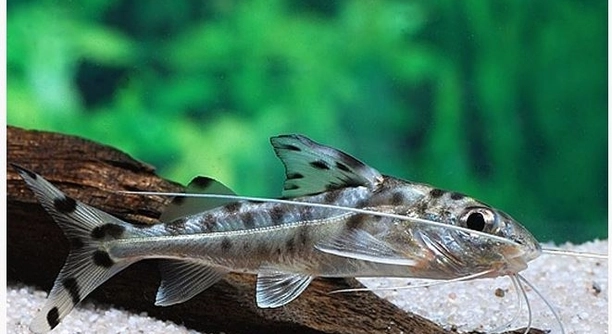
Are your pictus catfish swimming happily in your tank, but you’re unsure if you’re meeting their needs for the long haul?
Pictus catfish are moderately easy to care for long-term, but they require specific tank conditions, consistent maintenance, and the right tank mates to thrive. Their care becomes more manageable with proper planning and a stable aquatic environment.
With a little knowledge and attention, you can keep these energetic fish healthy and active in your home aquarium for years to come.
What Makes Pictus Catfish Care Unique
Pictus catfish are active, schooling fish that need plenty of space to swim. One of the most important things to remember is that they do best in tanks that are at least 55 gallons. They also need clean water with steady filtration, as they’re sensitive to poor water conditions. These catfish are nocturnal, meaning they’re more active at night. It helps to provide hiding spots using driftwood or caves so they can feel safe during the day. Their long barbels are very sensitive, so smooth gravel or sand is better for the tank floor. Pictus catfish also prefer to live with others of their kind, so keeping them in small groups helps them feel more secure. Avoid placing them with very small fish, as they might try to eat them. These fish are peaceful overall but do best with other fast, similarly sized fish in a community setup.
They are not ideal for beginner fish keepers, but they are manageable with some effort and consistency.
Because pictus catfish are so active, it’s important to monitor water conditions regularly and do partial water changes each week. Their well-being depends on how stable and clean their environment is, especially over time.
Common Issues and How to Avoid Them
Sudden stress or poor water conditions often cause most of the long-term problems people face when keeping pictus catfish.
Over time, some keepers notice their pictus catfish becoming sluggish or hiding more than usual. This usually points to stress or poor water quality. One way to avoid this is by keeping your filtration strong and doing regular water checks. Ammonia, nitrite, and nitrate levels need to be kept in check. Pictus catfish also don’t like sudden changes in temperature or pH. A heater and test kits can help you maintain steady conditions. Overfeeding is another common issue. Uneaten food can rot and pollute the tank, so feeding small portions and cleaning up leftovers is key. Also, avoid keeping them with aggressive or slow-moving tank mates. Their active swimming style can stress out calmer fish, while aggressive fish may damage their barbels. Choosing suitable tank mates and maintaining stable conditions helps prevent most problems and keeps your fish healthier for longer.
Feeding and Diet Needs
Pictus catfish are not picky eaters, but they need a balanced diet. A mix of sinking pellets, frozen foods, and occasional live food will keep them healthy and active without overloading the tank with waste.
Sinking pellets should make up the base of their diet, as these reach the bottom where pictus catfish naturally feed. Frozen bloodworms, brine shrimp, or blackworms can be offered a few times a week for variety and extra nutrients. Avoid feeding them floating foods, as they rarely swim to the surface. Make sure food is portioned properly to avoid leftovers sitting in the tank. Feed them once or twice a day, just enough for them to finish in a couple of minutes. Uneaten food should be removed quickly to prevent water issues. Adding some vegetable matter once a week—like blanched zucchini or spirulina pellets—can also support their digestion and overall health.
Consistency is key when feeding pictus catfish. They do best when fed at the same time every day, especially in the evening when they’re naturally more active. Watching them eat also gives you a chance to check for signs of illness or stress. A healthy fish will be quick to eat and will stay active afterward. If they avoid food or hide more than usual, it could mean something is off in the tank, whether it’s water quality or illness. Keeping a small feeding schedule and watching their behavior closely will help you catch issues early and keep them thriving long-term.
Long-Term Habitat Considerations
Smaller tanks often lead to stress and health problems over time. Pictus catfish need enough space to swim freely, especially when kept in small groups.
A long tank that holds at least 55 gallons is recommended for two to three pictus catfish. As they grow and become more active, cramped spaces can cause aggression, injury, or even illness. Include smooth décor like driftwood, caves, and live or silk plants to give them hiding spots without damaging their barbels. A tight-fitting lid is a must, as these fish are known to jump. A gentle but steady water flow mimics their natural river habitat. Strong filtration is also important, since they produce a fair amount of waste. Stick with weekly partial water changes to keep nitrate levels down. A well-planned, stable environment helps avoid long-term problems and keeps your fish active and stress-free as they age.
Behavioral Patterns to Watch
Pictus catfish are more active at night and often rest or hide during the day. It’s normal for them to stay near the bottom and explore after lights go out, especially if they have hiding spots nearby.
Changes in their activity can signal stress or illness. If they suddenly stop swimming, eat less, or hide constantly—even at night—it may mean something is wrong. Keep an eye on behavior shifts and check your water parameters if anything seems off. Quick attention helps avoid larger problems over time.
Tank Mate Compatibility
Choose tank mates that are fast, peaceful, and about the same size as your pictus catfish. Good options include larger tetras, rainbowfish, or peaceful barbs. Avoid slow or long-finned fish, as they might get nipped or stressed. Very small fish may be mistaken for food and should be avoided.
Final Tips for Long-Term Success
Routine makes a big difference when keeping pictus catfish long-term. Stick to regular feeding and cleaning schedules. Watch for changes in behavior, and check water conditions often. Stability and consistency will help your catfish stay healthy and active for years.
FAQ
How often should I feed my pictus catfish?
Feeding once or twice a day is usually enough. Give them just enough food to finish in two or three minutes. Overfeeding can lead to water quality issues, so it’s better to feed smaller amounts more frequently than large meals.
Can pictus catfish live alone?
They can survive alone, but they are schooling fish and feel more secure in groups of at least three. Keeping them in small groups helps reduce stress and encourages natural behavior. A single pictus catfish may become shy or hide a lot.
What water temperature is best for pictus catfish?
Pictus catfish thrive in temperatures between 74°F and 79°F (23°C–26°C). It’s important to maintain a stable temperature, as sudden changes can stress the fish and weaken their immune system. Use a reliable heater and thermometer to monitor the tank.
How often should I change the water?
Regular partial water changes, about 20-25% weekly, keep the tank healthy. This removes waste and keeps nitrate levels low. Clean water supports their sensitive barbels and helps prevent disease. More frequent changes may be needed in smaller or heavily stocked tanks.
Are pictus catfish aggressive?
No, they are generally peaceful fish. However, they may become a bit territorial if the tank is too small or overcrowded. Providing enough space and hiding places reduces any chance of aggression between them or with other fish.
What kind of substrate is best for pictus catfish?
Smooth sand or fine gravel is best. Their barbels are sensitive and can be damaged by rough or sharp substrates. Sand also mimics their natural riverbeds and allows them to forage comfortably. Avoid coarse or jagged gravel to prevent injury.
Can pictus catfish jump out of the tank?
Yes, they are known to jump occasionally. A secure, tight-fitting lid is important to keep them safely inside. Leaving gaps can lead to escapes, especially if the fish get startled or if water conditions worsen.
Do pictus catfish need live plants?
Live plants are not required but can benefit the tank environment. They provide hiding spots and improve water quality by absorbing nitrates. If you choose live plants, pick sturdy species that can handle the active swimming of pictus catfish.
How long do pictus catfish live?
With proper care, pictus catfish can live around 8 to 10 years. Their lifespan depends on water quality, diet, and overall tank conditions. Consistent care and attention will help them reach their full potential.
What signs show that a pictus catfish is sick?
Look for changes in behavior like lethargy, loss of appetite, or hiding more than usual. Physical signs include faded colors, torn fins, or damaged barbels. White spots, swelling, or unusual marks can also indicate illness. Early detection and treatment are important for recovery.
Is it okay to keep pictus catfish with shrimp or snails?
Pictus catfish may eat smaller shrimp, especially baby shrimp, but larger shrimp can sometimes coexist peacefully. Snails are usually safe tank mates, but slow-moving or delicate species might be at risk. Monitor interactions closely if you mix these animals.
What kind of filtration is best for pictus catfish tanks?
A filter that provides good mechanical and biological filtration is necessary. Canister filters or high-quality hang-on-back filters work well. Avoid very strong currents, as pictus catfish prefer moderate water flow. Regular maintenance of the filter is essential for clean water.
Can pictus catfish live with bettas?
It depends on the betta’s temperament. Some bettas are aggressive and might attack the catfish, while others can live peacefully. Both species need room to swim and hiding places. Careful observation is required to prevent conflicts.
What do pictus catfish do during the day?
They usually rest or hide during daylight hours. Pictus catfish are more active at night, foraging and swimming around the tank. Providing caves or plants allows them to feel secure while they rest.
Are pictus catfish sensitive to water changes?
They can be sensitive if changes are sudden or drastic. Always match the temperature and water parameters during changes. Gradual adjustments help avoid stressing the fish and keep their immune system strong.
How can I encourage my pictus catfish to breed?
Breeding pictus catfish in home tanks is challenging. They need a large tank with clean, soft, slightly acidic water. Raising the temperature slightly and performing frequent water changes may stimulate spawning. Providing plenty of hiding places encourages natural behavior, but successful breeding is rare for most hobbyists.
Pictus catfish are an interesting and lively addition to many home aquariums. Their active nature and striking appearance make them enjoyable to watch, especially during their evening swims. While they are not the easiest fish to care for, they are not overly demanding either. With the right tank size, clean water, and a balanced diet, they can live healthy, happy lives for many years. Understanding their needs and habits is the first step in making sure they thrive over the long term.
It’s important to keep in mind that pictus catfish need space and company. They prefer to live in groups, which helps reduce stress and encourages their natural behavior. They also require a well-maintained environment with proper filtration and regular water changes. Their sensitive barbels mean choosing the right substrate and avoiding aggressive tank mates is necessary to prevent injury or stress. Paying attention to these details will improve their quality of life and make caring for them easier and more rewarding.
Consistency is key when it comes to caring for pictus catfish. Feeding them the right amount, maintaining stable water conditions, and keeping an eye on their behavior will help catch potential problems early. While they can be a bit shy and quiet during the day, they come alive at night, adding energy to your tank. With patience and routine care, pictus catfish can be a wonderful long-term addition to your aquarium, offering a glimpse into the lively and peaceful side of freshwater fishkeeping.

Hello,
If you enjoy the content that we create, please consider saying a "Thank You!" by leaving a tip.
Every little bit helps us continue crafting quality advice that supports the health, happiness, and well-being of pets around the world, for pets of all shapes, sizes, and species.
We really appreciate the kindness and support that you show us!