
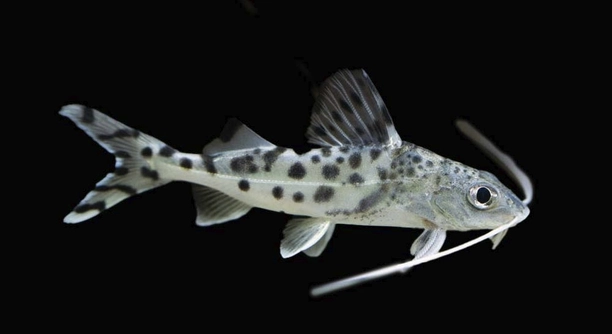
Are your Pictus Catfish showing certain behaviors around different colors in your aquarium? Many fishkeepers notice their pets seem attracted to some hues more than others. Understanding this can help improve tank environments for these lively fish.
Research indicates that Pictus Catfish do exhibit preferences for specific colors, often responding more actively to darker shades or contrasting colors. These responses likely relate to their natural instincts for feeding and hiding, influencing their behavior in captivity.
Exploring how colors affect these fish can offer valuable insights for enhancing aquarium setups and promoting healthier, more natural interactions with your Pictus Catfish.
How Pictus Catfish See Colors
Pictus Catfish have unique eyes adapted to their natural environment. They tend to see better in low light and respond mainly to contrasts rather than bright colors. In their native rivers, murky water and dense plants make it harder to distinguish colors clearly. This means they rely more on shapes and shadows to find food or avoid predators. When kept in aquariums, they may react more strongly to dark or muted colors. Bright colors might not attract their attention as much because they do not stand out in the way their eyes are designed to perceive. Understanding how they see helps explain why they might swim toward certain areas or objects in a tank that stand out visually due to contrast or darkness.
Their color perception is limited compared to humans, focusing more on light and dark differences.
Knowing this can guide choices for tank decorations and lighting that make your Pictus Catfish feel more comfortable and secure in their environment.
Color Preferences and Behavior
Pictus Catfish tend to prefer darker or more natural colors in their surroundings. These colors offer better hiding spots and feel safer to them, which is important since they are prey fish. They may also show more activity near areas with shadows or dim lighting. In contrast, very bright colors can sometimes stress them or cause avoidance behavior. When placing decorations or choosing substrate, it is helpful to keep colors closer to natural tones. This encourages natural behaviors like exploring, resting, or feeding. Adding contrasting dark patches helps Pictus Catfish navigate and feel more secure, promoting overall well-being. A tank with thoughtful color placement supports their instincts and reduces unnecessary stress, making them more active and lively companions.
Impact of Aquarium Lighting on Color Attraction
Lighting plays a key role in how Pictus Catfish respond to colors. Bright or harsh lighting can make them shy away from certain areas. Softer, dim lighting tends to encourage them to explore more freely.
Aquarium lighting affects how colors appear underwater, influencing fish behavior. Pictus Catfish prefer environments where lighting mimics their natural habitat—usually low and diffused light. This type of lighting enhances the visibility of darker colors and shadows, which helps these fish feel safe. Strong, direct lighting can wash out colors or create glare, causing discomfort or hiding spots to seem less secure. Adjusting lighting to a gentle level not only supports natural behaviors but also reduces stress. This creates a more comfortable setting, where Pictus Catfish are more likely to interact with their environment and with tank mates.
Careful lighting choices can make a big difference in how your catfish react to their surroundings, encouraging healthier activity and better color recognition.
Choosing Tank Decorations and Colors
Selecting the right tank decorations involves considering colors that match natural environments. Earth tones and darker shades work best for Pictus Catfish. Avoid overly bright or flashy decorations.
Natural colors in decorations create safe hiding places and stimulate natural behaviors in Pictus Catfish. These fish often feel vulnerable in tanks with too many bright colors, which can appear unnatural and intimidating. Decorations with browns, greens, and blacks mimic riverbeds and plant life, giving fish the comfort they need. Smooth textures and rounded shapes also help prevent injury and support swimming ease. Using subdued colors allows your catfish to focus on exploring and feeding without feeling threatened. Matching tank colors to their preferences promotes calmness and encourages them to display their lively, curious nature more often.
Color and Feeding Behavior
Pictus Catfish often respond to color changes when feeding. Darker colors or shaded areas may encourage more active searching for food. They rely on contrast to spot prey or flakes in the water.
Bright colors might not trigger the same feeding response. This is because their eyes are better adapted to detect movement and shadows rather than vivid hues. In an aquarium, placing food near darker or shadowed spots can help stimulate their natural foraging instincts. Understanding this can make feeding time more successful and engaging for your catfish, improving their overall health and activity.
Testing Color Preferences
Experimenting with different colors in the tank can reveal how your Pictus Catfish react. Observing their movement toward certain colors helps identify preferences.
Influence of Color on Stress
Colors that mimic their natural habitat reduce stress and promote calm behavior in Pictus Catfish.
Do Pictus Catfish prefer bright or dark colors?
Pictus Catfish generally prefer darker colors over bright ones. Their eyes are adapted to dim environments, so darker shades feel safer and more natural to them. Bright colors can sometimes cause stress or avoidance behavior because they stand out too much and seem unfamiliar. Darker decorations and substrates help them hide and feel secure.
How do colors affect Pictus Catfish behavior?
Colors influence their activity levels and comfort. Dark or muted colors encourage natural behaviors like exploring and feeding. Bright, flashy colors may make them cautious or cause them to avoid certain tank areas. Color contrast can help them navigate better, as they rely on shadows and shapes more than vivid hues to interpret their surroundings.
Can changing tank colors reduce Pictus Catfish stress?
Yes. Using colors that resemble their natural habitat, such as earth tones and greens, can lower stress. These colors create an environment that feels familiar and safe. Stress reduction helps improve their immune system and overall well-being. Avoid overly bright or neon decorations that can make the fish feel exposed.
Do Pictus Catfish see all colors like humans?
No. Their vision is more sensitive to low light and contrasts, not bright or wide color ranges like humans. They are better at detecting movement and shadows, which helps them survive in murky river waters. This means colors don’t appear as vivid to them, and their attraction depends more on brightness and contrast than on specific hues.
Is lighting important for how Pictus Catfish perceive colors?
Lighting is very important. Soft, diffused lighting that mimics their natural environment makes colors look more natural underwater. Bright or harsh lights can wash out colors and cause discomfort. Proper lighting helps them see contrasts clearly, making their environment easier to explore and reducing stress.
Will my Pictus Catfish ignore certain colors?
They might ignore bright or unnatural colors because those don’t match their natural instincts. Pictus Catfish focus on shapes and contrasts more than color intensity. If something looks out of place or too bright, they often avoid it, preferring areas with darker shades or more natural tones.
How can I use color to improve my aquarium setup?
Choose substrates, plants, and decorations in muted earth tones and darker shades. Add shadows and hiding spots with natural colors. Avoid bright or neon decorations. This approach makes your tank feel safe and encourages your catfish to behave naturally. Proper color use can also make your fish appear more vibrant and active.
Do Pictus Catfish react differently to colors when feeding?
Yes. They tend to respond better to food placed near darker or shadowed areas. Their eyes pick up movement and contrast, so shaded spots help them find food easier. Bright areas might not trigger the same feeding response because those don’t feel secure to them. Positioning food near natural-colored decorations can improve feeding behavior.
Can color preference vary between individual Pictus Catfish?
Individual differences exist, but most Pictus Catfish show similar tendencies toward darker, natural colors. Some may be more curious or less shy, reacting differently to certain hues. Observation is key to understanding your fish’s unique preferences and adjusting tank colors accordingly for their comfort.
Does tank background color matter to Pictus Catfish?
Yes, tank backgrounds can influence behavior. Dark or natural backgrounds reduce stress by providing a sense of security. Light or bright backgrounds may cause the fish to feel exposed and less active. Choosing a background that mimics river environments supports natural behavior and helps your catfish feel at home.
When it comes to caring for Pictus Catfish, understanding how they react to colors can make a noticeable difference in their behavior and comfort. These fish are more attracted to darker and natural colors that mimic their native habitat. Bright or flashy colors often do not catch their attention and may even cause stress. Knowing this can help you set up an aquarium that feels safe and welcoming for your catfish, encouraging them to explore and interact with their environment more freely. This small adjustment can improve their overall well-being and make them more enjoyable to watch.
Choosing the right colors for your tank decorations, substrate, and lighting is important. Soft, muted tones like browns, greens, and blacks create a calm atmosphere where Pictus Catfish feel secure. Proper lighting that is not too bright also enhances their ability to see contrasts and shapes clearly. These factors combined help reduce stress, which is a key part of keeping any fish healthy. Stress can weaken their immune system and cause behavior changes, so maintaining a natural-looking and balanced environment is helpful. Paying attention to how your fish react to their surroundings can guide you in making thoughtful choices for their habitat.
Overall, the relationship between Pictus Catfish and color is tied closely to their natural instincts. They rely more on contrast and shadows than on vivid colors. By replicating elements of their natural environment, you support their natural behaviors and health. Small changes like adjusting tank colors and lighting can create a more comfortable home for them. This can lead to a more active and stress-free fish, which benefits both the catfish and the person caring for them. Taking these simple steps shows that even small details matter in aquarium care.

Hello,
If you enjoy the content that we create, please consider saying a "Thank You!" by leaving a tip.
Every little bit helps us continue crafting quality advice that supports the health, happiness, and well-being of pets around the world, for pets of all shapes, sizes, and species.
We really appreciate the kindness and support that you show us!