
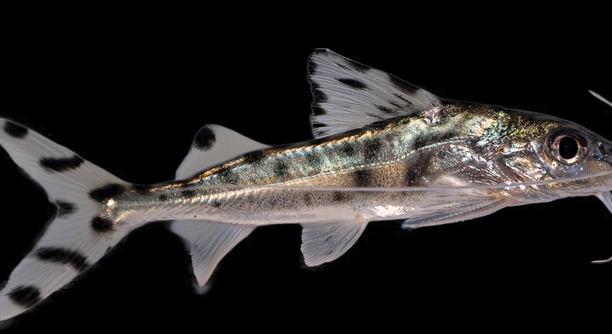
Are your Pictus catfish showing unusual behavior at night? Many aquarium owners notice changes in activity that seem linked to the moonlight. Understanding how moon phases affect these fish can help create a better environment for them.
Pictus catfish are indeed influenced by moonlight, as their natural behaviors align with lunar cycles. Moonlight can alter their feeding and movement patterns, reflecting instincts tied to survival and predation in the wild. These responses are subtle but noticeable in controlled settings.
Recognizing the effects of moonlighting on your catfish will help improve their care and comfort in your aquarium environment. This article explores those behaviors and what they mean for your fish.
How Moonlight Influences Pictus Catfish Behavior
Pictus catfish are naturally nocturnal and more active during low light conditions. In their natural habitat, moonlight provides just enough illumination for them to move and hunt without exposing themselves to predators. When moonlight shines through your aquarium, it can trigger similar activity patterns. You might notice your catfish becoming more lively or exploring their environment more actively during nights with a brighter moon. This behavior is linked to their instinctive response to the changing light. It helps them balance between feeding and staying safe. At the same time, the phases of the moon subtly guide their internal clocks. These fish adapt their movements to fit the natural rhythms of light and darkness, even when kept indoors. Understanding this helps in mimicking their environment to keep them comfortable and healthy in your care.
Moonlight acts as a natural signal that affects the catfish’s daily rhythm and activity levels.
Adjusting tank lighting to simulate natural lunar cycles can promote healthier behavior. Providing periods of dim moonlight instead of complete darkness supports their natural instincts. This practice can reduce stress and encourage normal feeding and movement patterns. Some aquarists use timers to mimic the gradual changes in light, allowing the fish to settle into familiar rhythms. Additionally, too much light during nighttime can cause discomfort and disrupt their sleep cycle. Balancing the light exposure respects their natural tendencies. Observing how your Pictus catfish react to different light intensities will guide the right adjustments. Replicating these subtle environmental cues can improve their well-being, leading to more active and content fish. Creating this balance helps maintain a healthy aquarium ecosystem where your catfish thrive naturally.
Managing Tank Lighting for Pictus Catfish
Moonlight simulation can be achieved with low-intensity blue or white LEDs positioned to mimic natural light cycles.
Proper tank lighting improves fish health by aligning with their instinctual behaviors. This includes gradual dimming and soft illumination during the night to reflect moon phases realistically. Sudden or harsh lighting changes may confuse or stress the fish. By designing a lighting schedule that matches lunar phases, you support their natural rhythm. It is helpful to observe your catfish’s reactions and adjust accordingly. The goal is to create a stable environment that encourages natural activity without overwhelming them. Using automated lighting systems or timers makes this easier. Such setups promote calmness and routine in the aquarium. This attention to light conditions helps in maintaining the balance between day and night behaviors, which is essential for the overall health of Pictus catfish. Proper lighting not only benefits your fish but also enhances the viewing experience by showcasing their natural activity patterns.
Feeding Patterns and Moonlight
Pictus catfish tend to adjust their feeding habits according to light levels. During brighter moon phases, they may become more active in searching for food. Their natural instincts guide them to feed when it is safer to do so, often during dim moonlight conditions.
Feeding your Pictus catfish during their active periods helps maintain their health. When moonlight is simulated in the tank, they may show more interest in food at night. Offering food during these times aligns with their natural behavior, improving digestion and overall well-being. Ignoring these patterns can lead to stress and reduced appetite. It is helpful to observe their activity to decide the best feeding schedule. This way, you support their natural cycles, which can lead to a healthier and happier fish.
A consistent feeding routine that considers moonlight influences helps prevent overfeeding and ensures the fish are nourished properly. Avoid feeding during bright daylight if your catfish are less active. Balancing the feeding schedule with their natural rhythms supports better digestion and reduces leftover waste. This also keeps water quality stable, benefiting the whole aquarium. Understanding and respecting these subtle feeding shifts make a noticeable difference in the care of your Pictus catfish.
Environmental Changes During Moon Phases
Moon phases bring gradual changes in water temperature and light intensity in natural habitats. These factors affect how Pictus catfish behave and interact with their surroundings. Simulating these variations in the tank can replicate a more natural environment.
Introducing gentle shifts in tank temperature and lighting based on moon phases helps mimic the catfish’s wild conditions. Small adjustments can stimulate natural behaviors like increased activity or resting patterns. This approach promotes a healthier and more balanced aquarium ecosystem. It also reduces stress by keeping the environment familiar to the fish. Sudden or artificial changes in the tank can disrupt their natural cycles. Careful management of these environmental elements ensures your Pictus catfish remain comfortable and thrive in captivity.
Light Sensitivity of Pictus Catfish
Pictus catfish have highly sensitive eyes adapted for low light conditions. Bright or sudden lighting can cause them to hide or become stressed. They prefer soft, dim light that mimics their natural nighttime environment.
Maintaining gentle lighting helps the fish stay calm and active. Harsh lights disrupt their behavior and may reduce feeding or exploration. A gradual change in light intensity is best for their comfort.
Best Practices for Nighttime Aquarium Lighting
Using timers and low-intensity LEDs helps recreate natural light cycles. This supports the fish’s biological clock and reduces stress. Consistent light patterns encourage healthy activity during moonlit hours.
Impact of Moonlight on Breeding Behavior
Moonlight can trigger reproductive behaviors in Pictus catfish. Subtle changes in lighting may encourage spawning and mating activities. Simulating these conditions can support breeding in captivity.
Observing Changes Over Time
Tracking how your catfish react to moonlight helps adjust care. Patience and careful observation reveal what lighting works best for each fish.
FAQ
How does moonlight affect Pictus catfish activity?
Moonlight influences Pictus catfish by encouraging more activity during the night. Their natural instinct is to be active under low light conditions, so brighter moon phases can trigger increased swimming and feeding. This response helps them balance hunting with safety from predators in the wild.
Can artificial lighting simulate moonlight for these fish?
Yes, artificial lighting can mimic moonlight using low-intensity blue or white LEDs. Gradual dimming and soft light during nighttime help replicate natural lunar cycles. This supports the catfish’s internal rhythms, reduces stress, and encourages natural behavior in captivity.
Should I feed Pictus catfish differently during moon phases?
Feeding during periods when your catfish are more active, often aligned with moonlight simulation, improves their digestion and appetite. Avoid feeding during bright daylight when they tend to rest. Matching feeding times to their natural active periods supports better health and reduces waste in the tank.
Does moonlight affect breeding in Pictus catfish?
Moonlight can trigger breeding behavior in Pictus catfish. Subtle changes in nighttime light intensity may encourage spawning and mating activities. Replicating these conditions in your aquarium can increase the chances of successful breeding.
Is too much light harmful to Pictus catfish?
Excessive or sudden bright light can stress Pictus catfish, causing them to hide or reduce activity. They thrive best in soft, dim lighting that imitates their natural environment. A balanced lighting schedule with gradual changes is important for their comfort.
How can I set up a lighting schedule for my aquarium?
Using timers to control lighting intensity and duration is effective. Simulate dawn, daylight, dusk, and moonlight by gradually adjusting LED brightness. Consistency helps maintain the fish’s biological clock and encourages natural rhythms. Observing your fish’s response helps fine-tune this setup.
Will moonlight affect water temperature in my tank?
Moonlight itself does not directly change water temperature in an aquarium. However, natural lunar cycles in the wild sometimes coincide with slight temperature shifts. In captivity, maintaining stable water temperature is more important than replicating temperature changes tied to moon phases.
Why do my Pictus catfish become more active on full moon nights?
The increased brightness during a full moon mimics natural conditions when these fish feel safer to explore and hunt. Their instincts drive them to be more active during these times to take advantage of better visibility while avoiding predators.
Can moonlight help reduce stress in Pictus catfish?
Yes, moonlight simulation can create a more natural environment that aligns with their instincts, reducing stress. Sudden darkness or overly bright lighting disrupts their rhythm, while a gentle, consistent lunar cycle promotes calmness and well-being.
How long should the moonlight period last in an aquarium?
Moonlight simulation typically lasts several hours during the night, reflecting natural moon phases. Around 6 to 8 hours of dim light is often sufficient to mimic the moon’s influence, but this can vary depending on the lunar cycle you want to replicate.
What signs show my Pictus catfish are comfortable with moonlight simulation?
Active swimming, normal feeding, and exploration during moonlight hours indicate comfort. Reduced hiding and natural behaviors like resting in shaded areas also show they adapt well to the lighting setup. If fish appear stressed or hide excessively, lighting adjustments may be needed.
Is it necessary to have moonlight simulation for indoor aquariums?
While not absolutely necessary, moonlight simulation benefits Pictus catfish by supporting natural behavior patterns. It helps maintain their biological clock and can improve health and activity. Without it, fish may become less active or stressed due to unnatural light cycles.
How do I observe changes caused by moonlight in my aquarium?
Keep a log of your catfish’s behavior during different lighting phases. Note activity levels, feeding habits, and social interactions. Gradually introduce moonlight simulation and monitor for improvements or stress signs. This helps tailor care to your fish’s needs.
Can moonlight influence other fish species in a community tank?
Yes, moonlight affects many nocturnal and crepuscular species, encouraging activity or rest based on light levels. When keeping Pictus catfish with others, consider how simulated moonlight may impact all species to maintain a balanced and healthy tank environment.
What should I avoid when simulating moonlight in my aquarium?
Avoid sudden bright lights or flashing LEDs, as these can stress the fish. Do not keep the tank in complete darkness all night, as Pictus catfish rely on subtle light cues. Avoid overheating caused by some light sources. Gradual, soft lighting is the safest approach.
Final Thoughts
Understanding how moonlight affects Pictus catfish is important for their well-being in captivity. These fish are naturally adapted to low light conditions and follow lunar cycles that guide their behavior. Moonlight influences their activity, feeding, and even breeding habits. By recognizing these natural patterns, aquarists can create a more comfortable and healthy environment. Simulating moonlight in the aquarium helps the fish maintain their biological rhythms and reduces stress that may arise from unnatural lighting. Small changes in light intensity, timed properly, make a significant difference in how Pictus catfish behave.
Adjusting tank lighting to reflect natural moon phases can improve the overall health of your catfish. Using soft, dim lights during the night instead of complete darkness supports their instinctive behavior. This encourages natural activity levels and helps prevent hiding or lethargy caused by sudden changes in light. Feeding routines can also benefit from these adjustments, as catfish tend to be more responsive during periods of moonlight simulation. Consistency in lighting and feeding schedules fosters a balanced aquarium ecosystem. This not only benefits the Pictus catfish but also helps maintain water quality and reduces stress for other tank inhabitants.
While moonlight is not the only factor affecting your Pictus catfish, it plays a notable role in their daily routine. Paying attention to how your fish respond to light changes will help you provide better care. Observing their activity, appetite, and interactions during different light cycles offers useful clues about their comfort and health. Implementing a gentle and steady lighting schedule that mimics natural lunar cycles is a simple yet effective way to support these fish in captivity. This approach helps ensure they thrive, remain active, and exhibit natural behaviors that are important for their long-term well-being.

Hello,
If you enjoy the content that we create, please consider saying a "Thank You!" by leaving a tip.
Every little bit helps us continue crafting quality advice that supports the health, happiness, and well-being of pets around the world, for pets of all shapes, sizes, and species.
We really appreciate the kindness and support that you show us!