
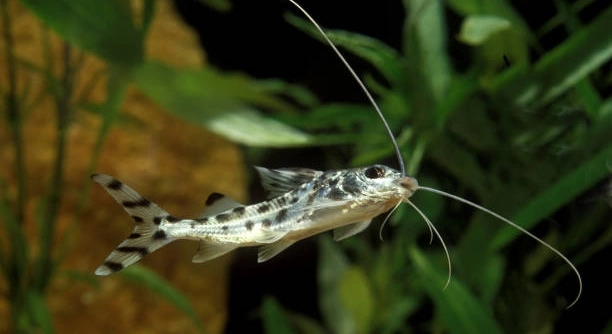
Have you ever noticed your pictus catfish behaving differently when you’re cleaning their tank or rearranging the décor? Their movements may seem more intense or erratic compared to their usual swimming patterns during regular hours.
Pictus catfish are often more active during tank maintenance due to environmental disturbances. The sudden changes in water flow, noise, and light levels can trigger alertness and exploratory behavior as part of their natural response to unfamiliar stimuli.
Recognizing this pattern helps you adjust your cleaning routine and avoid unnecessary stress for your fish while keeping their environment healthy.
Why Pictus Catfish React During Maintenance
Tank maintenance often causes noticeable changes in your pictus catfish’s behavior. These catfish are sensitive to movement, light shifts, and vibrations in the water. During cleaning, they tend to become more alert and active, often darting quickly from one spot to another. This reaction is natural and reflects their cautious temperament. Even slight adjustments to décor or water flow can make them feel like their environment has been disturbed. Since they rely on their surroundings for comfort and security, sudden disruptions are likely to make them more visible and reactive, especially if they feel unsafe. Understanding this helps you plan tank maintenance in a calmer way. Moving slowly and keeping noise to a minimum may reduce their stress and help them settle faster. With a little care, you can complete your routine while keeping your pictus catfish calm and less reactive.
Their quick bursts of energy are usually harmless and part of how they cope with sudden changes around them.
Allowing them time to adjust after cleaning can make a difference. Reducing tank light intensity and avoiding loud sounds nearby may help them return to their usual pace more quickly.
Creating a Safe Cleaning Routine
Quick and gentle cleaning steps can help reduce stress levels in sensitive fish like the pictus catfish.
Use tools that let you clean without large splashes or sudden movement. Soft hoses and slow water changes can prevent them from panicking. Try not to rearrange everything at once. Gradual changes to their surroundings are easier for them to adapt to. Dim the lights slightly before starting, and avoid tapping on the glass. These small changes matter. Keeping a consistent maintenance schedule also helps, as they may grow used to regular cleaning and be less reactive over time. If you need to move decorations or plants, do it after removing some water, as the lower water level makes movement more predictable and less startling. Also, monitor your fish after cleaning. Watch their swimming patterns to ensure they are not showing signs of extreme stress, like gasping or hiding excessively. Consistency and gentle handling will always make your maintenance routine smoother for both you and your fish.
Signs Your Pictus Catfish Is Stressed
Stress in pictus catfish often shows through fast swimming, hiding more than usual, or erratic darting. Some may even stop eating for a short time or rest near the bottom longer than normal.
If your pictus catfish becomes overly active during tank maintenance, this is usually a temporary stress response. However, if the behavior continues after cleaning is done, it may be a sign that something in their environment is off. Loud noises, poor water quality, or harsh lighting can prolong stress. Consistent behavior changes should be monitored closely. Regularly checking water parameters can rule out bigger problems. A stressed fish may also lose some of its usual shine or display more rapid gill movement. Keeping a record of behavior before and after cleaning can help spot patterns and make adjustments as needed.
Stress isn’t always dramatic. Some pictus catfish will simply retreat into hiding spots and stay there longer than normal. If you notice yours disappearing right after a cleaning session and not returning to regular behavior within a few hours, it’s worth reviewing your routine. Small changes—like handling equipment gently or using dimmer lighting—can make a big difference. Giving them space to recover quietly will often bring their behavior back to normal.
Best Times to Perform Tank Maintenance
Performing tank maintenance during daylight hours is usually best, ideally when the fish are most alert. Avoid late-night cleaning, as sudden light and movement during rest hours can cause strong stress responses.
Try cleaning during the same time of day each week so your pictus catfish becomes familiar with the pattern. Regular schedules can create predictability, which helps them remain calm. If your tank has a natural light cycle or uses a timer, plan cleaning during mid-day, when light is consistent. Avoid doing maintenance right after feeding, since disturbing them during digestion may lead to uneaten food or added stress. Mornings tend to work well for many fish keepers, especially if lighting is soft and there are fewer distractions around the tank. Soft movements and gentle handling during your chosen time will help keep their reactions minimal. Keeping things quiet and consistent is often all they need.
Helping Them Settle After Cleaning
After tank maintenance, turn down the lights and avoid walking near the tank for a while. This gives your pictus catfish time to relax and return to normal behavior without added disturbance.
Avoid feeding them immediately after cleaning. Let the water settle first and observe their behavior before offering food.
How Tank Layout Affects Their Reactions
Tank layout plays a role in how pictus catfish respond during maintenance. If your setup has plenty of hiding spots like caves, plants, or driftwood, they’re more likely to feel secure. When they sense shelter nearby, even sudden movements or changes become easier for them to manage. Open tanks with few hiding areas often make them feel exposed, increasing their stress during cleaning. Rearranging their setup too often can also make them feel unstable in their surroundings. Stick to a layout that gives them cover and a sense of structure. This helps them stay calm even when the tank is being cleaned.
Monitoring Long-Term Behavior
Watch for repeated stress signs after each cleaning. Noticing patterns early helps you adjust your routine before it becomes a problem for your pictus catfish.
FAQ
Why do pictus catfish become more active during tank maintenance?
Pictus catfish are naturally cautious and sensitive to changes in their environment. When you clean the tank, the noise, vibrations, and movements disrupt their usual calm surroundings. These disturbances cause them to swim more actively as they assess potential threats. Their quick, darting movements are a response to feeling unsettled or alarmed. It is a normal behavior triggered by sudden changes rather than a sign of illness or discomfort. They use their increased activity to explore and re-establish safety within the tank.
How long does it take for pictus catfish to calm down after cleaning?
Usually, pictus catfish begin to settle down within 30 minutes to a few hours after tank maintenance. The exact time depends on how much the environment was disturbed and how stressful the cleaning process was. If you move slowly, reduce noise, and dim the lights, your fish will return to their normal routine faster. If their activity remains high for more than a day, it might indicate other stressors like water quality issues or illness.
Can I do anything to reduce their stress during tank cleaning?
Yes. Preparing the tank and cleaning tools ahead of time helps speed up the process, which minimizes stress. Use gentle water flow when changing water and avoid sudden movements or loud noises. Dim the tank lights before starting and keep them low during cleaning. Try to keep decorations and plants in their usual places to avoid disorienting your fish. Giving your pictus catfish hiding spots also helps them feel secure while you clean.
Is it okay to feed pictus catfish right after cleaning the tank?
It’s best to wait at least 30 minutes to an hour before feeding after tank maintenance. Feeding immediately can stress fish further, especially if the water is cloudy or disturbed. Allow the water to settle and ensure your fish are swimming calmly. Once they appear relaxed, you can resume regular feeding. Overfeeding after cleaning can also harm water quality, so keep feeding consistent and moderate.
Why do pictus catfish hide more after tank maintenance?
Hiding is a natural defense mechanism. When the environment changes suddenly, pictus catfish seek shelter to feel safe. They use caves, plants, or decorations to hide until they feel comfortable again. If they retreat for a few hours, it is normal. But if hiding lasts days or weeks, it may signal stress, illness, or poor water conditions that need attention.
Can tank maintenance cause long-term stress in pictus catfish?
If maintenance is done carefully and regularly, it usually does not cause long-term stress. However, if the process is rough, infrequent, or unpredictable, pictus catfish can become anxious and avoid normal activity. Consistent water testing, gentle cleaning, and keeping a stable environment help prevent long-term stress. Watch for signs like loss of appetite, faded colors, or constant hiding, which may indicate prolonged stress.
How often should I clean my pictus catfish tank to keep them healthy?
Regular maintenance is key. For most tanks, cleaning once a week or every two weeks works well. This includes partial water changes, removing debris, and cleaning the filter. Avoid full water changes unless necessary, as this can upset the tank’s balance. Keeping a schedule your fish can predict helps reduce stress, making them more comfortable during each cleaning session.
What should I avoid doing during tank maintenance to keep pictus catfish calm?
Avoid loud noises, quick movements, and drastic changes to the tank layout. Don’t clean the entire tank all at once or replace all decorations at the same time. Sudden water temperature shifts or changing water chemistry can also cause distress. Keep lighting low, and try not to tap on the glass. These actions help your pictus catfish feel more secure and less startled.
Can pictus catfish adapt to regular tank maintenance?
Yes, they can become accustomed to regular cleaning if it is done consistently and gently. Predictable routines help reduce fear and stress because the fish learn to expect maintenance as part of their environment. Over time, their reactions will likely become less intense. This adaptation improves their well-being and makes caring for them easier.
Should I remove my pictus catfish during tank cleaning?
Generally, removing pictus catfish is not necessary unless you are performing a deep clean or fixing a major problem. Moving fish can add extra stress and increase the risk of injury. Instead, perform cleaning gently while they remain in the tank. If you must remove them, use a clean, separate container with water from the tank to keep conditions stable.
Final Thoughts
Pictus catfish react naturally to tank maintenance because changes in their environment catch their attention. Their increased activity during cleaning is a response to noise, movement, and shifts in water flow. This behavior is not a sign of illness but a way for them to feel safer by exploring the altered surroundings. It is important to remember that these fish rely on stable conditions to feel secure. Sudden changes can make them anxious, but this is usually temporary and part of their normal survival instincts.
Keeping the maintenance routine consistent helps pictus catfish adjust and reduces their stress over time. Regular partial water changes, gentle handling of equipment, and avoiding loud noises all contribute to a calmer environment. Providing plenty of hiding spots in the tank also gives the fish places to retreat if they feel uneasy during cleaning. When you understand how these fish respond to disturbance, you can tailor your cleaning habits to support their well-being without sacrificing the health of the aquarium.
Patience is key when caring for pictus catfish during tank maintenance. Allow them time to settle after cleaning, reduce bright lights, and give them space to calm down. Observing their behavior before and after maintenance helps you spot if any issues need attention. Consistently following these steps will help your fish stay healthy and comfortable, ensuring a better experience for both you and your aquatic pets. Proper care during maintenance makes a positive difference in their daily life.

Hello,
If you enjoy the content that we create, please consider saying a "Thank You!" by leaving a tip.
Every little bit helps us continue crafting quality advice that supports the health, happiness, and well-being of pets around the world, for pets of all shapes, sizes, and species.
We really appreciate the kindness and support that you show us!