
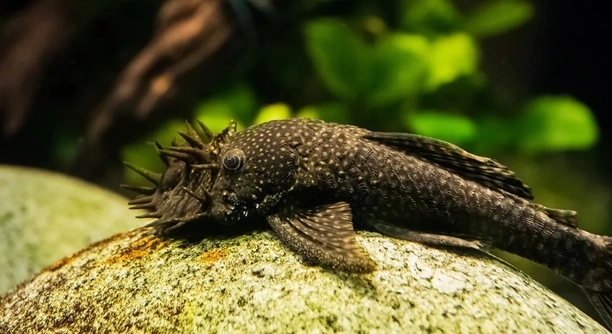
Plecos are popular aquarium fish, known for their unique appearance and helpful role in cleaning tanks. However, if you notice changes in their eyes, it’s important to understand whether they are cloudy or simply dirty.
Cloudy eyes in plecos can be a sign of several health issues, including poor water quality, infections, or injury. On the other hand, dirty eyes are often caused by debris or algae buildup. Identifying the cause is essential for treatment.
Understanding the differences between cloudy and dirty eyes will help you take the right steps to improve your pleco’s health.
How to Tell the Difference Between Cloudy Eyes and Dirty Eyes
Cloudy eyes in plecos are often a sign of something more serious, while dirty eyes can usually be cleaned with simple maintenance. It’s important to check the water conditions and observe your pleco for any signs of stress or injury. Cloudy eyes often occur when the fish is exposed to poor water quality, parasites, or an injury that causes inflammation. If your pleco’s eyes appear to have a film or misty layer over them, it’s time to investigate further.
Dirty eyes are much easier to address. They occur when debris or algae builds up around the eyes, making them appear cloudy or foggy. This can happen if the tank has not been cleaned regularly or if the pleco swims near areas with high algae growth.
To clean a pleco’s dirty eyes, gently remove the algae or debris with an aquarium-safe brush. Maintaining regular tank cleaning routines will help prevent this issue. If the eyes remain cloudy after cleaning, it may indicate an underlying health problem that needs further attention.
Potential Causes of Cloudy Eyes in Plecos
Cloudy eyes are often caused by poor water quality or infections. When the water is not properly filtered, toxins can build up, causing stress and illness in your pleco. Infected eyes, usually resulting from bacterial or fungal growth, can also lead to cloudiness. Other causes include injury from sharp objects in the tank or parasites that infect the eye area. If cloudy eyes are accompanied by other symptoms like lethargy, loss of appetite, or abnormal swimming patterns, it’s a good idea to isolate the fish and treat the water.
The first step in addressing cloudy eyes is improving water conditions. Make sure your tank has a reliable filtration system and check the water parameters regularly. Water changes are essential to maintain a healthy environment. In addition, consider treating your pleco with appropriate medications for bacterial or fungal infections. Always consult with an aquarium specialist for proper guidance and treatments.
How to Prevent Cloudy Eyes in Plecos
Maintaining clean water is key to preventing cloudy eyes in your pleco. Regular water changes and monitoring water parameters can reduce the risk of infections and stress-related issues. Keeping your aquarium’s filtration system in good condition is equally important to prevent cloudy eyes from developing.
To help keep your pleco’s eyes clear, test your water frequently to ensure the pH, ammonia, and nitrate levels are within safe ranges. A proper filtration system can remove harmful toxins from the water and reduce the chances of bacterial or fungal infections. It’s also important to avoid overfeeding, as leftover food can pollute the water and encourage algae growth. Regularly cleaning your tank, including the substrate and decorations, is a great way to prevent debris buildup around your pleco’s eyes.
Adding live plants to your aquarium is another preventive measure. They naturally filter the water and provide hiding spots for your pleco, reducing stress and promoting a healthy environment. Ensuring proper tank maintenance not only helps prevent cloudy eyes but also supports the overall well-being of your pleco.
When to Seek Veterinary Help
If your pleco’s cloudy eyes persist despite cleaning the tank and improving water quality, it may be time to consult a vet. Infections, particularly bacterial and fungal, require professional treatment. These conditions can spread and worsen without proper intervention. A vet will be able to diagnose the issue and recommend the appropriate medications to clear up the infection.
An experienced veterinarian can also offer advice on how to prevent recurring issues. They may recommend additional treatments or adjustments to your tank’s setup, such as changes to the filtration system or water additives to support healing. Always monitor your pleco closely for other signs of illness, like abnormal behavior, as this can help your vet make an accurate diagnosis. The sooner you address health concerns, the better chance your pleco has at a quick recovery.
The Role of Diet in Eye Health
A well-balanced diet can play a role in your pleco’s overall health, including eye condition. Offer a variety of foods to meet all nutritional needs, such as algae wafers, vegetables, and occasional protein sources. This helps maintain strong immune systems and reduces the chance of infections.
When plecos don’t get enough nutrients, their immune system can weaken, making them more susceptible to health problems like cloudy eyes. A proper diet ensures that their eyes and body stay healthy. Additionally, some foods, like spirulina, can help prevent algae buildup around their eyes, keeping them cleaner for longer.
How Stress Affects Pleco Health
Stress is a major factor in the development of cloudy eyes. Plecos are sensitive to changes in their environment, such as fluctuations in water temperature, overcrowding, or aggressive tank mates. Stress weakens their immune system and increases their susceptibility to infections.
To reduce stress, make sure your pleco has enough space and proper hiding spots. Avoid sudden changes in the tank’s environment, such as moving decorations or changing the water temperature too quickly. Providing a stable and peaceful environment can help your pleco feel more secure and healthier.
Proper Tank Maintenance
Maintaining a clean tank is essential for your pleco’s eye health. Regular water changes and keeping the filter clean will help keep the water safe and reduce the risk of infections. It’s also important to clean any decorations or substrate to prevent algae buildup around your pleco’s eyes.
Consider using an aquarium vacuum to remove debris from the substrate during water changes. You should also inspect any decorations for algae or dirt buildup. This will help create a healthier environment and keep your pleco’s eyes from getting cloudy. Regular maintenance can make all the difference.
FAQ
Why do my pleco’s eyes look cloudy?
Cloudy eyes in plecos are often a sign of poor water quality or an underlying infection. If your pleco’s eyes appear foggy or hazy, it may be due to bacterial or fungal infections, which can be caused by unclean water or injuries. Poor water conditions, such as high ammonia levels, can also lead to eye cloudiness. Other factors, such as parasites or physical trauma, could also be responsible.
How can I tell if my pleco’s eyes are dirty or infected?
Dirty eyes usually appear cloudy because of debris or algae buildup around the eye area, while infected eyes tend to have a milky, misty appearance. If cleaning the tank or removing debris doesn’t improve the condition, it could be an infection. Infected eyes might also show redness, swelling, or unusual discharge. If the cloudy eyes persist or worsen, it’s time to consult a vet.
Can plecos recover from cloudy eyes?
Yes, plecos can recover from cloudy eyes, especially if the cause is identified and treated promptly. If the issue is due to dirty eyes from algae or debris, regular tank maintenance and cleaning will usually resolve the problem. If it’s due to infection or poor water quality, improving the water conditions and using appropriate treatments will help your pleco recover.
What are the best water conditions for preventing cloudy eyes in plecos?
To prevent cloudy eyes, maintaining stable and clean water conditions is crucial. Regular water changes (at least 25-30% weekly), proper filtration, and monitoring ammonia, nitrate, and pH levels are all important. Aim for a pH of 6.5 to 7.5, ammonia and nitrites at 0 ppm, and nitrates below 20 ppm. Using a high-quality filter will help maintain good water quality.
Should I use medication for my pleco’s cloudy eyes?
Medication may be necessary if your pleco’s cloudy eyes are due to an infection or parasite. If you suspect a bacterial or fungal infection, aquarium-safe medications can treat the issue. However, always try improving the water quality and cleaning the tank first before resorting to medication. If the condition doesn’t improve or gets worse, consult a vet for the right treatment.
How often should I clean my pleco’s tank?
It’s important to clean your pleco’s tank regularly to prevent algae buildup and maintain proper water quality. A good rule of thumb is to perform a 25-30% water change every week. In addition to this, regularly check and clean the filter, decorations, and substrate to remove any debris or organic matter that could harm the water quality.
Can I use a salt bath to treat cloudy eyes in my pleco?
A salt bath can be effective for treating external wounds and some skin infections, but it’s not always recommended for treating cloudy eyes. Salt baths should be used with caution, as they can stress the pleco. It’s best to consult a vet or fish expert to determine if a salt bath is appropriate for your pleco’s specific condition.
Are there any natural remedies for cloudy eyes in plecos?
Natural remedies like increasing the frequency of water changes and using live plants to help filter the water can assist in improving water quality and preventing cloudy eyes. You can also add aquarium-safe supplements to support your pleco’s immune system. However, if cloudy eyes are caused by infections or parasites, natural remedies may not be sufficient, and medication might be required.
Can cloudy eyes be a sign of old age in plecos?
While age can lead to changes in a pleco’s health, cloudy eyes are not a typical sign of old age. If your pleco is elderly, they may be more prone to health issues, including eye problems, but cloudy eyes are more commonly linked to infections, poor water quality, or physical injury.
How can I prevent algae buildup around my pleco’s eyes?
Preventing algae buildup involves maintaining good tank hygiene and managing lighting. Avoid leaving the lights on for long periods, as excessive light encourages algae growth. Regularly clean the tank, remove any visible algae from decorations, and monitor water parameters to keep algae levels in check. Additionally, providing your pleco with a variety of foods can prevent overfeeding, which contributes to algae growth.
Why is my pleco swimming erratically with cloudy eyes?
Erratic swimming combined with cloudy eyes can indicate a health problem, often related to poor water quality or infection. If your pleco is swimming abnormally, check the water parameters for imbalances in ammonia, nitrate, or pH levels. It may also be a sign of physical stress or injury. If you suspect an infection, seek professional advice immediately.
Can plecos get cloudy eyes from stress?
Yes, stress can lead to cloudy eyes in plecos. Stress can weaken the immune system, making your pleco more susceptible to infections or poor health. Factors that cause stress include poor water conditions, overcrowding, aggressive tank mates, or sudden changes in the environment. Ensuring a stable, peaceful tank environment will reduce stress and help prevent cloudy eyes.
Is it safe to keep other fish with a pleco that has cloudy eyes?
It’s generally safe to keep other fish with a pleco that has cloudy eyes as long as the cause of the cloudy eyes is not contagious or related to an infection. However, if the pleco is stressed or sick, it’s best to separate it from other fish to prevent further stress or spreading of potential illness. Keep a close eye on the health of all your fish, especially if the pleco’s cloudy eyes persist.
What are the long-term effects of cloudy eyes in plecos?
If left untreated, cloudy eyes can lead to further complications for your pleco. Chronic infections or poor water quality can weaken your pleco’s immune system and reduce its overall health. In extreme cases, untreated infections may lead to blindness or even death. Timely intervention and proper care can help prevent long-term damage.
Can cloudy eyes in plecos be passed on to other fish?
Some eye infections in plecos, particularly bacterial or fungal infections, can spread to other fish if not treated. If you notice multiple fish showing symptoms, it’s important to isolate the affected pleco and treat the tank accordingly. Maintain good water quality and perform regular tank maintenance to reduce the risk of spreading infections.
Final Thoughts
Cloudy eyes in plecos are a common issue that can stem from various causes, including poor water quality, infections, or stress. When this happens, it’s important to address the underlying cause quickly to avoid any long-term damage to your fish. Regular maintenance of the tank, proper water conditions, and a balanced diet are key in preventing cloudy eyes. If the issue is persistent, it may be necessary to adjust the water parameters or use treatments for infections.
Paying attention to your pleco’s behavior, such as swimming patterns or appetite, can also help in identifying potential issues early. If your pleco is showing signs of illness along with cloudy eyes, it’s crucial to take action right away. Clean water and a peaceful environment are essential for keeping your pleco healthy. Be sure to check ammonia, nitrate, and pH levels regularly, and avoid overcrowding your tank, as these factors can all contribute to stress and health problems.
In some cases, cloudy eyes can be caused by injuries or infections that may require medication. However, you should always ensure that you’re addressing the root cause before resorting to medications, as improving the environment can often solve the problem. With proper care, plecos can recover from cloudy eyes and continue to thrive in their aquarium. By taking proactive steps, you’ll help ensure that your pleco stays healthy and happy.

Hello,
If you enjoy the content that we create, please consider saying a "Thank You!" by leaving a tip.
Every little bit helps us continue crafting quality advice that supports the health, happiness, and well-being of pets around the world, for pets of all shapes, sizes, and species.
We really appreciate the kindness and support that you show us!