
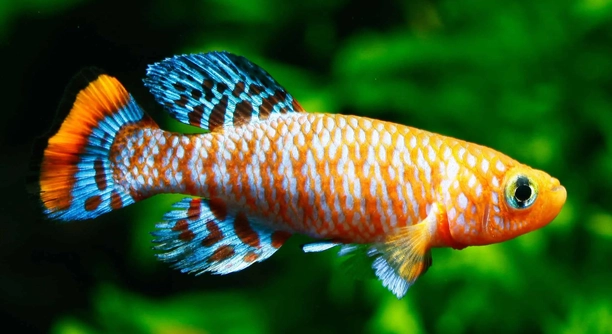
Are your killifish healthy and active in your aquarium? Killifish, also known as killis, are popular for their bright colors and lively behavior. Keeping them comfortable in the right environment is important for their wellbeing.
Killifish are indeed affected by room temperature. They thrive best in stable temperatures between 72°F and 78°F (22°C to 26°C). Temperatures outside this range can cause stress, reduce activity, and negatively impact their health.
Knowing how temperature influences your killis will help you provide a better home for them. This article will explain how room temperature plays a role in their care and what to watch for.
How Room Temperature Affects Killifish Behavior
Killifish are sensitive to changes in their environment, and room temperature plays a key role in how they act. When the water temperature matches the room temperature within their preferred range, killis tend to be more active and display natural behaviors like exploring and feeding eagerly. If the room is too cold, their metabolism slows down, making them sluggish and less interested in food. On the other hand, if it gets too warm, they can become stressed, which may lead to hiding or erratic swimming. Sudden temperature shifts can also weaken their immune system, making them more vulnerable to disease. Because killis are often kept in smaller tanks, the room temperature can influence water temperature quite quickly, so keeping the room stable helps keep the fish stable too.
Maintaining a steady room temperature avoids unnecessary stress for your killifish.
Keeping an eye on the room temperature and using a reliable aquarium heater or cooler will help maintain a consistent environment. This way, your killifish stay comfortable, healthy, and active throughout the year.
Tips to Manage Room Temperature for Killifish Tanks
A stable room temperature is essential for keeping killifish healthy. Avoid placing the tank near windows, heaters, or air conditioners to prevent temperature swings.
Use a heater with a thermostat to keep water temperature steady within the 72°F to 78°F range. Regularly check the room temperature with a thermometer to make sure it stays consistent. In warmer months, a fan or cooler can help prevent overheating. Monitoring both room and water temperatures together ensures your killifish’s environment stays balanced and comfortable.
Common Temperature-Related Health Issues in Killifish
Temperature changes can cause health problems in killifish. Stress from cold or heat weakens their immune system, making them prone to infections.
When killifish experience low temperatures, their metabolism slows, leading to lethargy and poor appetite. Prolonged cold can also cause digestive problems or bacterial infections. High temperatures may speed up their metabolism too much, causing exhaustion and increased risk of diseases like fungal or parasitic infections. Temperature stress can also lead to skin damage or fin rot. Consistent care and stable temperature help reduce these risks, keeping killis healthier and more active.
If you notice your killifish hiding, losing color, or eating less, temperature could be a factor. Adjusting room and tank temperature gradually can help them recover without causing further shock.
Monitoring and Adjusting Room Temperature for Killifish
Tracking the room temperature regularly is important for killifish care. Small fluctuations can affect tank conditions quickly, especially in smaller aquariums. Use a reliable room thermometer placed near the tank but away from direct sunlight or drafts. Combine this with a quality aquarium heater and thermometer inside the tank to ensure accuracy. Adjust room heating or cooling devices as needed to keep the environment steady.
If room temperature changes seasonally, make slow adjustments to the tank’s heater settings to prevent sudden shocks. This helps killifish adapt better. Being proactive with temperature management supports their wellbeing and can prevent stress-related health problems before they start.
Ideal Room Temperature Range for Killifish
Keeping the room temperature between 72°F and 78°F is best for killifish health. This range supports their normal activity and breeding behaviors without causing stress.
Temperatures outside this range can lead to slower metabolism or overheating, both harmful to killis.
Signs Your Killifish Are Uncomfortable Due to Temperature
If killifish are hiding more than usual or showing dull colors, room temperature may be off. Sudden changes can cause them to become less active and refuse food. Watch for unusual swimming patterns, like erratic or sluggish movement, as a sign they might be stressed by temperature.
Tools to Measure Room Temperature
Using a simple digital room thermometer helps keep track of temperature near the tank. It gives a clear reading to make adjustments easy and accurate.
Preventing Temperature Swings
Avoid placing tanks near windows or vents where temperature changes happen quickly.
FAQ
How quickly does room temperature affect killifish tanks?
Room temperature can impact killifish tanks quite fast, especially if the tank is small. Since smaller tanks have less water volume, they heat up or cool down quickly with the surrounding air. This means any sudden changes in room temperature can cause a noticeable shift in water temperature within minutes to hours. That’s why it’s important to maintain a steady room temperature to avoid stressing your killis.
Can killifish survive outside the recommended temperature range?
Killifish can survive outside the ideal range for short periods, but prolonged exposure to temperatures below 72°F or above 78°F can harm them. Cold temperatures slow their metabolism, making them sluggish and prone to illness. High temperatures speed up their metabolism too much, leading to exhaustion and stress. Keeping their environment stable helps ensure they live a healthy life.
What is the best way to keep room temperature steady for killifish?
The best way is to avoid placing your tank near drafts, windows, or heating and cooling vents. Use a room thermometer to monitor temperature regularly and consider using fans or heaters to control the environment. Pair this with an aquarium heater that has a thermostat to keep the water temperature steady.
Do killifish need a heater in all climates?
Not always. In warmer climates where room temperatures rarely drop below 72°F, a heater might not be necessary. But in cooler or variable climates, a heater is important to keep the water within the right range. It’s better to have a heater with a thermostat so you can adjust it as needed throughout the year.
How can I tell if my killifish is stressed due to temperature?
Signs of stress include hiding often, reduced activity, loss of color, and refusing food. Erratic swimming or staying near the surface or bottom of the tank can also indicate discomfort. If you see these signs, check the water and room temperature immediately and make gradual adjustments if needed.
Is it safe to change room temperature quickly to fix killifish problems?
No, sudden temperature changes can shock killifish and make problems worse. Always adjust room and water temperature slowly, by a degree or two over several hours or days. This helps your fish adapt without added stress.
What other factors besides room temperature affect killifish health?
Water quality, tank size, diet, and lighting all impact killifish health. Clean water with regular changes, balanced feeding, and appropriate tank conditions are essential. But temperature is one of the easiest factors to control and can prevent many health issues if managed well.
Can killifish breed in home aquariums? Does room temperature affect this?
Yes, killifish can breed in home tanks, and stable temperatures between 72°F and 78°F support their breeding behavior. If the temperature is too low or too high, it may stop spawning or reduce the number of eggs laid. Keeping temperature steady encourages healthy reproduction.
What should I do if I suspect my killifish tank temperature is off?
First, measure both the room and tank temperatures with reliable thermometers. Adjust the heater or cooling devices slowly to bring the water into the ideal range. Avoid sudden changes and monitor your fish for signs of stress. If problems continue, check for other tank issues like water quality or illness.
Are there specific killifish species that need different temperature ranges?
Most killifish species prefer similar temperature ranges around 72°F to 78°F. Some tropical species might tolerate slightly warmer water, while others from cooler climates may prefer the lower end of the range. It’s best to research the specific species you keep to meet their exact needs.
Can temperature fluctuations cause diseases in killifish?
Yes, fluctuations weaken their immune system and make them vulnerable to fungal, bacterial, and parasitic infections. Consistent temperature helps keep their defenses strong and reduces the risk of illness.
How often should I check the room temperature?
Check daily if possible, especially during seasonal changes. Regular monitoring helps catch problems before they affect your fish. Using a room thermometer placed near the tank but away from drafts will give the most accurate reading.
Is it okay to use air conditioning in the room with killifish tanks?
Air conditioning can help keep the room temperature steady in hot weather but avoid direct cold air blowing onto the tank. Sudden cold drafts can cause quick temperature drops, stressing your killis. Position the tank carefully to prevent this.
Can I rely on just a water heater for temperature control?
A water heater is essential but not always enough. If room temperature fluctuates widely, the heater may struggle to keep the water stable. Controlling room temperature along with using a heater gives the best results for killifish health.
What happens if the room temperature is too humid or dry?
Humidity usually doesn’t affect killifish directly, but extreme dryness can cause water evaporation, changing tank conditions and making temperature control harder. Keep the tank covered and monitor water levels to maintain a stable environment.
Maintaining the right room temperature is an important part of caring for killifish. These fish thrive best when their environment stays steady between 72°F and 78°F. When the temperature is within this range, killifish show healthy behavior, eat well, and stay active. Sudden changes or extreme temperatures can cause stress, making them more vulnerable to illness or unusual behavior. Because killifish tanks are often small, the surrounding room temperature can quickly affect the water inside. That is why it’s helpful to keep the room temperature stable to create a comfortable home for your fish.
Using tools like room thermometers and aquarium heaters with thermostats makes managing temperature easier. These devices help keep both the air around the tank and the water inside within the right limits. It’s also important to avoid placing the tank near windows, heating vents, or air conditioners that can cause temperature swings. Small changes to the environment, done slowly, allow killifish to adjust without shock. Monitoring your fish’s behavior regularly can also help you notice if they are uncomfortable or stressed. Early signs like hiding, loss of color, or reduced eating often point to temperature or other tank issues that need attention.
Overall, keeping a stable room temperature isn’t difficult but makes a big difference in killifish health and happiness. It supports their immune system, reduces the risk of diseases, and helps them live longer. Paying attention to the temperature around your tank is a simple step you can take to give your killis the best care possible. With steady conditions, you’ll enjoy watching your fish thrive and display their natural, lively behaviors. Proper temperature control is one of the easiest ways to provide a safe and comfortable environment for these colorful, active fish.

Hello,
If you enjoy the content that we create, please consider saying a "Thank You!" by leaving a tip.
Every little bit helps us continue crafting quality advice that supports the health, happiness, and well-being of pets around the world, for pets of all shapes, sizes, and species.
We really appreciate the kindness and support that you show us!