
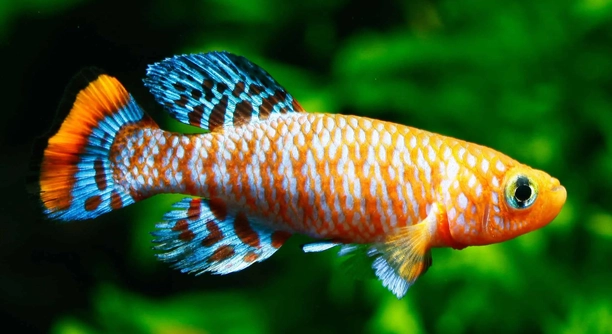
Are your nano tanks feeling a little empty, like they’re missing a splash of color or movement? Many fishkeepers turn to smaller species to bring life to compact spaces without overwhelming their setup or routine.
Killifish can be suitable for nano tanks, but species selection is key. Some are too active or territorial for small spaces, while others thrive in compact, well-maintained environments. Careful research helps ensure both beauty and balance.
Before bringing home your new killifish, it helps to understand which types adapt well and how to meet their specific care needs.
What Makes Killifish a Good Fit for Nano Tanks
Killifish are often appreciated for their vibrant colors and interesting behavior. Many species remain small, making them an option for nano tanks. Their calm nature and low bioload also help maintain stable water conditions in limited space. However, not every killifish is suitable. Some are aggressive or need more room to swim. It’s best to look at peaceful species like Aphyosemion australe or Fundulopanchax gardneri. These types tend to do well in tanks as small as 5 to 10 gallons when kept alone or in pairs. Their needs are simple, but water quality must be maintained. Regular water changes and a gentle filter can go a long way. Also, these fish prefer planted tanks, where they can hide and feel secure. Soft lighting, live plants, and leaf litter can recreate their natural habitat, helping reduce stress and improve overall health.
A nano tank can work if it matches the fish’s behavior and space needs.
Avoid placing killifish with fast-moving or fin-nipping species. Most killifish do better in species-only tanks or with very calm tank mates. Feeding is easy, as they accept frozen or live foods like daphnia and brine shrimp. This helps keep them healthy and encourages natural activity.
Challenges of Keeping Killifish in Small Tanks
Some killifish are not ideal for small tanks due to territorial habits or breeding behavior.
While killifish are visually appealing and low-maintenance in many ways, they come with a few important challenges in nano setups. First, males can be territorial, especially in confined spaces. Keeping just one male per tank usually prevents aggressive behavior. Second, killifish are known jumpers. A tight-fitting lid is essential to keep them from escaping. Also, these fish prefer still or slow-moving water. Strong filters or high currents can stress them out. Another thing to keep in mind is that many killifish have short lifespans—often just one or two years. This means you’ll need to think ahead if you plan to maintain a population, as some species require specific breeding conditions. Not all killifish eggs are easy to hatch, and some need periods of dryness to develop properly. Lastly, even peaceful killifish may become shy or inactive if the tank is too small or bare. Structure, hiding places, and proper water care are key to long-term success.
How to Set Up a Nano Tank for Killifish
A proper setup starts with choosing the right tank size—5 to 10 gallons works for many smaller killifish. Use a secure lid, gentle filtration, and a heater if needed to keep the water stable.
Decorate the tank with live plants, floating vegetation, and driftwood to give the fish shelter and security. Killifish thrive in low light, so stick to soft lighting to reduce stress. Use a sponge filter or other gentle option to avoid creating too much current. The substrate can be sand or fine gravel, and adding leaf litter can help simulate their natural environment. Maintain the temperature between 72°F and 78°F, and keep pH slightly acidic to neutral. Regular partial water changes are essential to keep the water clean. Avoid overcrowding or adding too many decorations that limit swimming space. A balanced setup helps the fish feel safe and display their natural colors and behaviors.
Use a reliable test kit to monitor water parameters weekly. Keep ammonia and nitrite at zero, and keep nitrates low. Feed your killifish once or twice a day with live or frozen foods. Remove uneaten food quickly to prevent water issues. Watch their behavior—lethargy, hiding, or dull colors may signal stress or poor water quality. A well-set-up tank brings out their best features.
Selecting the Right Killifish Species
Some killifish species are better suited for nano tanks due to their size and temperament. Stick with peaceful types that don’t require large groups or extensive swimming space to stay healthy.
Fundulopanchax gardneri is a popular option for smaller tanks, with males showing bright blues and reds. Aphyosemion australe is another peaceful species with flowing fins and soft colors. These types do well alone or in male-female pairs. Avoid larger or highly aggressive species like Nothobranchius, as they can become stressed or territorial in small spaces. Research the adult size and behavior of each species before choosing. Stick to soft water fish, and make sure your tap water conditions align with their needs. When in doubt, start with a hardy species known for adapting to small tanks and basic care. Watching them explore, eat, and interact calmly is often a good sign your setup suits them.
Feeding and Care Tips
Feed killifish a mix of frozen and live foods like brine shrimp, daphnia, and bloodworms. They may ignore flakes, so high-protein options work best. Feed once or twice daily in small amounts to avoid polluting the water.
Remove uneaten food within a few minutes to keep the tank clean. Overfeeding leads to water quality issues, especially in smaller tanks. Regular maintenance and careful feeding keep your fish healthy and active.
Breeding Killifish in Nano Tanks
Breeding in a nano tank is possible but requires planning. Most killifish breed in pairs, laying eggs on plants or spawning mops. For success, separate the eggs to prevent adults from eating them. Some species lay eggs that need to dry out for a few weeks before hatching, while others can hatch in water. Research your species’ specific breeding method beforehand. Provide dense cover or spawning material and keep the water clean. Feed fry with infusoria or baby brine shrimp. Small tanks can limit space for growing fry, so move them to a larger container if needed. Breeding killifish can be rewarding with the right setup and attention.
Common Mistakes to Avoid
Avoid mixing aggressive or incompatible species, as this can cause stress or injury. Overdecorating the tank can also reduce swimming space and make cleaning harder.
FAQ
Can killifish live alone in a nano tank?
Yes, many killifish species do well alone, especially males. Some types may become territorial if kept with others in a small space. A single killifish in a well-planted nano tank can live a healthy, active life as long as water conditions are stable and food is appropriate.
Do killifish need a filter in a nano tank?
Yes, a filter is helpful, but it should be gentle. Killifish prefer calm water, so sponge filters or low-flow options work best. The goal is to keep water clean without stressing the fish with too much current or noise. Regular partial water changes also help support water quality.
Are killifish jumpers?
Killifish are known to jump, especially when startled or during active periods. Always use a tight-fitting lid or cover to prevent accidents. Gaps or open-top tanks increase the risk. Floating plants can help reduce jumping by making the fish feel more secure near the surface.
Can I keep more than one killifish in a nano tank?
It depends on the species and tank size. Some peaceful pairs, like Aphyosemion australe, can live together in 5–10 gallon tanks. However, many males become aggressive toward each other in small setups. If unsure, it’s often safest to keep one fish per tank.
How long do killifish live?
Lifespans vary by species, but many live around one to two years. Annual killifish, like Nothobranchius, have very short lifespans due to their natural environment. Non-annual species tend to live a bit longer if kept in good conditions with proper care and diet.
What’s the best temperature for a killifish nano tank?
Most killifish prefer temperatures between 72°F and 78°F. Use a reliable aquarium heater if your room temperature drops below this range. Avoid sudden swings, as killifish are sensitive to changes. A stable temperature helps with their health, coloring, and behavior.
Can killifish eat flakes or pellets?
Some may accept flakes or micro pellets, but most prefer live or frozen food like brine shrimp, daphnia, and bloodworms. Their diet in the wild is protein-rich, and replicating this improves their health and color. You may need to train them to accept prepared foods.
Is it hard to breed killifish in a nano tank?
It’s manageable with planning and the right species. Some killifish breed in water, while others lay eggs that must be dried before hatching. Use spawning mops or fine plants, and remove the eggs if adults may eat them. Feeding fry requires small, live food like baby brine shrimp.
Do killifish need light in their tank?
They do best with low to moderate lighting. Bright lights can stress them, especially if there’s little cover. Floating plants help soften the light and provide shade. Keep a regular light cycle of about 8–10 hours per day to mimic a natural rhythm.
How often should I clean a killifish nano tank?
Partial water changes (about 20–30%) should be done weekly. Clean the substrate lightly and remove uneaten food or debris. Don’t over-clean, as some beneficial bacteria are needed. Test water regularly to catch any imbalances early. Stable water means healthier, more active fish.
Can I keep plants with killifish?
Yes, live plants are recommended. Killifish appreciate cover and shaded spots. Floating plants like duckweed or frogbit work well, as do rooted plants like java fern and anubias. Plants also help keep water clean and make the tank feel more natural and comfortable for the fish.
What’s the smallest tank size for killifish?
Five gallons is the minimum for most smaller species. Ten gallons provides more stability and room, especially for pairs. Anything smaller than five gallons can be risky, as water parameters fluctuate quickly and limit the fish’s space to swim or explore.
Final Thoughts
Killifish can be a good fit for nano tanks if you take the time to choose the right species and provide a proper setup. Many types are small, peaceful, and don’t need a large space to thrive. However, not all killifish are suited for small tanks. Some are too active, aggressive, or delicate for confined spaces. That’s why research is important before bringing any home. A well-maintained nano tank with calm water, stable temperature, and live plants can create a comfortable space for these colorful fish. When the setup matches their needs, they tend to settle in quickly and show natural behaviors.
Taking care of killifish in a nano tank means staying consistent with maintenance. Because of the limited water volume, even small changes in conditions can affect their health. Feeding the right foods and cleaning up leftovers helps keep the water clean. A sponge filter, regular water changes, and gentle lighting go a long way. Floating plants and hiding spots also help reduce stress, which is important in smaller environments. You don’t need to overcomplicate things—simple tools and steady care usually work best. If you notice changes in their behavior or appearance, it often means something in the tank needs to be adjusted.
Keeping killifish in a nano tank can be a rewarding experience, especially if you enjoy observing fish up close in a calm, quiet setting. These fish may have short lifespans, but they can still bring life and movement to a small space. Watching them explore, hunt for food, and interact with their surroundings is part of the enjoyment. Whether you choose to keep just one or try breeding a pair, the key is giving them what they need in a simple, stable environment. With attention to detail and regular care, a nano tank with killifish can stay beautiful, healthy, and active for a long time.

Hello,
If you enjoy the content that we create, please consider saying a "Thank You!" by leaving a tip.
Every little bit helps us continue crafting quality advice that supports the health, happiness, and well-being of pets around the world, for pets of all shapes, sizes, and species.
We really appreciate the kindness and support that you show us!