
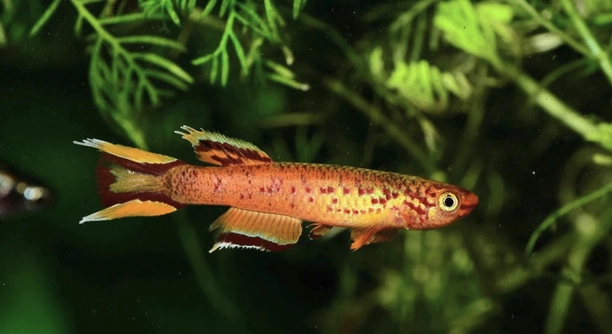
Killi fish are popular for their bright colors and unique behavior. Many aquarium hobbyists consider them for small tanks because they can adapt well to limited space. Their size and peaceful nature make them interesting choices for nano setups.
Killi fish are generally suitable for nano tanks due to their small size and low space requirements. However, they need stable water conditions and proper care to thrive in confined environments, making regular maintenance essential for their health.
Understanding the care needs and environmental requirements of killi fish can help ensure a successful nano tank setup and a healthy aquatic environment.
Understanding Killi Fish Behavior and Habitat
Killi fish are known for their active and curious nature. They usually swim near the surface and enjoy hiding among plants and decorations. In the wild, they live in shallow waters with plenty of vegetation, which offers shelter and breeding spaces. This natural behavior translates well into nano tanks that provide similar conditions. Providing floating plants or dense foliage helps killi fish feel secure and reduces stress. These fish prefer calm waters with little current, so a gentle filter is ideal. Their small size means they do not require much swimming space, but the tank should still be large enough to avoid overcrowding. Regular observation of their behavior can help spot any signs of stress or illness early. Ensuring the right environment mimics their natural habitat and promotes their well-being in a confined space.
Killi fish thrive in tanks with a stable environment and plenty of hiding spots, reflecting their natural surroundings.
With attention to habitat and behavior, killi fish can live comfortably in a nano tank. Providing plants, gentle water flow, and a quiet setting supports their health and activity. Feeding them a varied diet including live or frozen food also encourages natural behavior and vibrant colors. While small, they require a well-maintained tank to avoid water quality issues. Regular water changes and monitoring parameters like temperature and pH are essential. Their lifespan and breeding success improve significantly when their habitat closely resembles their native environment. Taking these factors into account allows nano tank owners to enjoy the unique charm of killi fish without compromising their needs or health.
Tank Setup and Maintenance for Killi Fish
Tank size for killi fish should be at least 5 gallons to provide enough space for swimming and territory. Proper filtration is necessary but should not create strong currents. Heating may be required depending on the species and room temperature. Regular water changes help maintain water quality, as killi fish are sensitive to poor conditions. Testing water parameters weekly ensures the environment remains stable. Substrate choices like fine gravel or sand allow for easier cleaning and provide a natural feel. Decorations such as rocks, driftwood, and live plants enhance the habitat and give hiding places. Avoid overcrowding the tank to prevent stress and aggression. Consistent maintenance routines, including filter cleaning and monitoring, keep the tank healthy and the fish comfortable. A well-kept nano tank reduces risks of disease and improves the longevity of killi fish.
Maintaining a clean, stable, and comfortable environment is key to the well-being of killi fish in small tanks.
Regular upkeep involves checking water quality and temperature, cleaning substrates, and trimming plants as needed. Using a gentle sponge for algae removal avoids damaging the tank environment. Monitoring fish behavior after maintenance helps detect any adverse reactions early. Keeping a simple log of water changes and parameters supports ongoing care. Selecting hardy plant species that thrive in low light can ease tank maintenance and create a balanced ecosystem. Proper feeding habits also reduce waste buildup, contributing to better water quality. While the setup requires attention, it rewards with vibrant, active fish that brighten any small aquarium. This care approach ensures killi fish live healthy lives and show their natural colors and behaviors to their fullest extent.
Feeding Killi Fish in Nano Tanks
Killi fish need a varied diet to stay healthy and vibrant. They mostly eat small live or frozen foods like brine shrimp, daphnia, and bloodworms. Occasional flakes or pellets designed for carnivorous fish can supplement their meals.
Offering live or frozen foods mimics their natural diet and encourages active hunting behavior. These foods provide essential nutrients that keep the fish colorful and energetic. Feeding small amounts two to three times daily prevents overfeeding, which can harm water quality. It is important to remove uneaten food promptly to avoid waste buildup. Using a small feeding dish or target feeding helps control portions in a nano tank. A balanced diet supports growth, breeding potential, and overall vitality.
Killi fish may accept high-quality flake or pellet foods but should not rely on these alone. Their preference for live food means careful attention to feeding habits is necessary. Incorporating frozen options offers convenience while maintaining nutritional value. Observing their feeding response helps adjust the diet for best results.
Compatibility and Tankmates
Killi fish are generally peaceful but can be territorial during breeding. Choosing tankmates requires caution, especially in small tanks. Avoid aggressive or much larger species that may stress or harm them.
Suitable companions include small, peaceful fish or invertebrates that won’t compete for space or food. Shrimp and snails often coexist well with killi fish. It is important to monitor interactions, particularly when introducing new tankmates. Overcrowding should be avoided to reduce stress and maintain water quality. Proper tank layout with plenty of hiding spots helps reduce conflicts. Keeping compatible species together promotes a balanced and healthy nano tank environment.
Water Parameters for Killi Fish
Killi fish prefer slightly acidic to neutral water, with a pH range between 6.0 and 7.5. Maintaining a stable temperature between 72°F and 78°F supports their health and activity. Sudden changes in water conditions should be avoided.
Regular monitoring of ammonia, nitrite, and nitrate levels is important. Killi fish are sensitive to toxins, so keeping these compounds at safe levels prevents stress and illness.
Breeding Killi Fish
Killi fish often lay eggs among dense plants or spawning mops. They do not typically guard their eggs, so removing adults after spawning can improve fry survival. Providing a separate breeding tank helps protect eggs from being eaten.
Common Health Issues
Killi fish can be prone to fungal infections and parasites if water quality is poor. Regular water changes and careful observation help prevent these problems.
Conclusion
(Reserved for later.)
FAQ
What size tank is best for killi fish?
Killi fish do well in small tanks, but a minimum of 5 gallons is recommended. This size allows enough room for swimming and establishing territories without overcrowding. Smaller tanks can cause stress due to limited space and unstable water parameters. Adequate tank size helps maintain better water quality and keeps the fish comfortable.
Can killi fish live with other species?
Killi fish can live with peaceful, small tankmates that won’t outcompete or harass them. Ideal companions include small shrimp, snails, or other non-aggressive fish. Avoid larger, aggressive, or fast-moving fish that can cause stress or injury. Proper hiding spots and plants help reduce conflicts in community tanks.
How often should I feed killi fish?
Feeding two to three times a day in small amounts is ideal. Killi fish prefer live or frozen foods like brine shrimp or bloodworms. Overfeeding should be avoided because uneaten food can degrade water quality quickly, especially in small tanks. Remove any leftover food to keep the tank clean.
What water temperature do killi fish need?
Most killi species thrive in temperatures between 72°F and 78°F. Maintaining a stable temperature within this range supports their metabolism and immune system. Sudden temperature changes can stress the fish and lead to health issues. Use an aquarium heater if room temperature fluctuates significantly.
Are killi fish easy to breed in nano tanks?
Breeding killi fish in nano tanks is possible but requires proper setup. Provide plenty of plants or spawning mops as egg-laying sites. Adults usually do not care for eggs, so separating them after spawning improves fry survival. Water quality and stable conditions are critical during breeding.
What common health problems affect killi fish?
Killi fish can suffer from fungal infections, parasites, and stress-related illnesses if water conditions are poor. Maintaining clean water through regular changes and careful feeding reduces these risks. Quarantining new fish before adding them helps prevent disease introduction.
How often should I change water in a nano tank with killi fish?
Partial water changes of 20-30% weekly are recommended to keep water quality high. In small tanks, waste accumulates quickly, so regular changes prevent toxins from building up. Use a water conditioner to remove chlorine and chloramine before adding new water.
What do killi fish eat besides live food?
While live food is preferred, killi fish can eat high-quality frozen or freeze-dried options. Some will accept carnivorous flakes or pellets, but these should supplement rather than replace live food. Variety in diet supports good health and coloration.
Can killi fish tolerate different pH levels?
Killi fish prefer slightly acidic to neutral pH, around 6.0 to 7.5. They can tolerate small fluctuations but sudden or extreme changes cause stress. Regularly testing pH and maintaining consistency helps prevent health problems.
Do killi fish need special lighting in a nano tank?
Killi fish do not require intense lighting but do benefit from a natural day-night cycle. Moderate lighting helps plants grow and supports the fish’s activity levels. Too much light may encourage algae growth, so balance is important.
How long do killi fish typically live?
Killi fish usually live between 2 to 4 years, depending on species and care quality. Providing stable water conditions, a balanced diet, and a stress-free environment can extend their lifespan.
Is it necessary to quarantine killi fish before adding them to a tank?
Yes, quarantining new fish for 2 to 4 weeks helps prevent diseases from spreading. This step is especially important in nano tanks where water quality and fish health can be quickly affected by illness.
What is the best substrate for killi fish tanks?
Fine gravel or sand is ideal as it mimics natural habitats and is easy to clean. Avoid sharp or rough substrates that might injure the fish. A natural substrate also supports plant growth and helps maintain water parameters.
How can I tell if my killi fish are stressed?
Signs of stress include hiding excessively, loss of color, erratic swimming, or reduced appetite. Stress often results from poor water quality, overcrowding, or incompatible tankmates. Addressing these issues promptly can improve their condition.
Are killi fish good for beginners?
Killi fish can be suitable for beginners willing to maintain stable water conditions and proper feeding routines. Their small size and peaceful nature make them easier to care for than some species, but attention to water quality is crucial in nano tanks.
Killi fish can be a great choice for nano tanks due to their small size and peaceful nature. They do not require large spaces and can thrive well in a properly maintained small aquarium. However, they still need careful attention to water quality, temperature, and diet to stay healthy. Providing an environment that closely matches their natural habitat is important for their well-being. This means offering plenty of plants, gentle water flow, and stable conditions. While they are not the easiest fish for absolute beginners, with the right setup and care, they can be rewarding to keep.
Maintaining a nano tank for killi fish requires regular effort, especially in monitoring water parameters and keeping the tank clean. Small tanks are more vulnerable to sudden changes in water quality, which can quickly affect the health of the fish. Regular partial water changes and avoiding overfeeding are key to preventing problems. Feeding a varied diet of live or frozen foods supports their natural behavior and keeps them vibrant. Paying attention to their behavior and appearance can help catch health issues early. Proper tank mates and enough hiding spots also improve their comfort and reduce stress.
Overall, killi fish suit nano tanks if their needs are met carefully. They bring color and activity to small aquariums and can live healthy, full lives with proper care. Their unique behaviors and small size make them interesting pets for those willing to invest the time to maintain a stable, well-planted environment. With consistent maintenance and attention to detail, keeping killi fish in a nano tank can be both enjoyable and successful.

Hello,
If you enjoy the content that we create, please consider saying a "Thank You!" by leaving a tip.
Every little bit helps us continue crafting quality advice that supports the health, happiness, and well-being of pets around the world, for pets of all shapes, sizes, and species.
We really appreciate the kindness and support that you show us!