
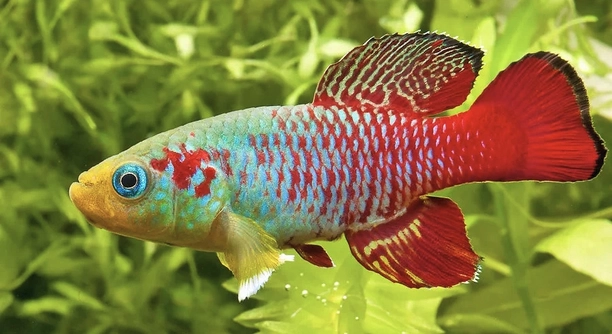
Killi fish are small, colorful freshwater fish that many keep as pets. Their behavior can vary depending on the species and environment. Understanding their activity patterns helps ensure they thrive in home aquariums.
Killi fish are generally diurnal, meaning they are most active during the day and tend to rest or hide at night. Their natural habits involve seeking shelter in low light, making nighttime activity minimal in most species.
Learning about killi fish activity can improve aquarium care and help create a better environment for these delicate fish. Their daily rhythms affect feeding and interaction habits.
Understanding Killi Fish Activity Patterns
Killi fish are naturally active during the day, spending most of their time swimming and exploring their environment. In the wild, they thrive in shallow waters with plenty of plants and hiding spots. Their activity slows down as light fades, and they prefer to rest in sheltered areas at night. This behavior is linked to their need to avoid predators and conserve energy. In home aquariums, replicating this natural cycle by providing sufficient light during the day and dimming lights at night helps support their wellbeing. Observing their activity can also indicate if the fish are healthy or stressed. When they remain hidden excessively or appear lethargic during the day, it may signal poor water conditions or illness. Adjusting their environment with plants, rocks, and safe hiding places encourages natural behavior and reduces stress.
Killi fish respond well to consistent lighting schedules that mimic day and night cycles. Sudden changes in light can disrupt their rhythm.
Providing a natural habitat with varied hiding spots encourages killi fish to exhibit typical daytime activity while feeling safe during their nightly rest. This balance is key for their overall health and comfort in captivity. The aquarium should include live or artificial plants, small caves, and smooth decorations to create a secure environment. Avoid overly bright or harsh lighting that can stress them. Feeding times aligned with their active periods also support their natural routine. By paying attention to these details, caretakers can foster a stable and comfortable setting, making the fish’s behavior more predictable and easier to understand. This approach reduces anxiety for the fish and improves their lifespan in captivity.
Nighttime Behavior and Aquarium Care
At night, killi fish generally hide and rest in quiet areas. They are less active and conserve energy for the next day.
Nighttime care involves ensuring the aquarium remains calm and undisturbed. Avoid tapping the glass or turning on bright lights abruptly, as this can stress the fish. A timer for aquarium lighting helps maintain a steady cycle without manual interference. In some cases, weak red or blue LED lighting can be used to observe the fish without disturbing their rest. This gentle illumination is less likely to cause stress and allows caretakers to monitor nighttime behavior if needed. Clean water and stable temperatures are also important to prevent discomfort that might cause restlessness. Understanding and respecting the fish’s nocturnal habits leads to better care and a peaceful tank environment, supporting their health over time.
Feeding Habits of Killi Fish at Night
Killi fish typically do not feed at night. Their metabolism slows down, and they rely on stored energy until morning.
Because killi fish are mostly inactive during the night, feeding them after lights out is usually unnecessary. Overfeeding at night can lead to poor water quality and health problems. It’s best to schedule feeding times during the day when they are active and able to hunt or eat. Killi fish enjoy live or frozen foods like bloodworms, daphnia, and brine shrimp. These provide necessary nutrients and keep them stimulated. Regular feeding during the day also encourages natural behavior and supports their energy needs.
Feeding at consistent times reinforces their daily rhythm. Avoid leaving uneaten food in the tank overnight, as it can pollute the water. Maintaining a clean tank and proper feeding routine ensures a healthy environment for your killi fish.
How Lighting Affects Killi Fish Behavior
Proper lighting helps maintain the natural activity cycle of killi fish. They require about 10 to 12 hours of light daily.
Too much light can cause stress, leading to hiding or erratic swimming. Too little light may reduce their activity and appetite. Using a timer ensures a consistent day-night cycle that supports healthy behavior. Gradual dimming of lights in the evening mimics sunset and helps killi fish transition smoothly to their resting period. Inadequate lighting conditions can weaken their immune system and increase susceptibility to disease. Adjusting light intensity and duration based on the species and tank setup promotes a balanced environment where killi fish feel secure and behave naturally.
Common Nighttime Behaviors
Killi fish often seek shelter among plants or decorations when night falls. They stay still to conserve energy.
Some species may occasionally swim slowly at night, but this is usually minimal. Their primary focus is resting safely.
Signs of Stress at Night
If killi fish swim erratically or stay exposed without hiding, it could indicate stress. Stress may come from poor water quality or sudden light changes.
Monitoring their nighttime behavior helps identify issues early. Providing a calm environment with stable conditions reduces stress and supports their health.
Tips for Nighttime Aquarium Setup
Use soft lighting and avoid loud noises near the tank. Create plenty of hiding spots with plants and decor to mimic their natural habitat.
Nighttime Feeding Warnings
Feeding killi fish at night can cause water pollution. Stick to daytime feeding for best results.
FAQ
Are killi fish nocturnal?
Killi fish are not nocturnal. They are mostly active during the day and rest at night. Their natural behavior involves swimming and hunting in daylight, while nighttime is reserved for hiding and conserving energy. Most killi species reduce activity significantly after the lights go out.
Can killi fish see in the dark?
Killi fish have limited night vision. Their eyes are adapted for daytime light, so in darkness, they rely more on sensing movements and vibrations in the water. This helps them avoid predators and navigate even with little light.
Why do my killi fish hide at night?
Hiding at night is a natural survival instinct. Killi fish feel vulnerable in low light and prefer to rest in safe spots like plants or caves. Providing enough hiding places in the aquarium helps reduce stress and encourages normal behavior.
Is it harmful to keep aquarium lights on all night?
Keeping lights on all night can stress killi fish and disrupt their natural rhythms. It may cause constant activity or fatigue. Using a timer to simulate day and night cycles is the best practice for their health.
Should I feed killi fish at night?
Feeding killi fish at night is unnecessary. They are less active and have slower metabolisms during this time. Feeding during the day when they are alert ensures better digestion and keeps the tank clean from leftover food.
How long should the aquarium lights stay on for killi fish?
A light period of about 10 to 12 hours daily suits killi fish well. This matches their natural environment and supports healthy activity levels. Using a timer helps maintain consistency without manual adjustments.
Do killi fish sleep?
Killi fish do rest rather than sleep in the human sense. They become less active and stay still, often in sheltered places. This resting phase allows them to conserve energy and recover for the next day’s activity.
Can sudden light changes at night harm killi fish?
Yes, sudden bright lights at night can startle and stress killi fish. Gradually dimming lights or using a low-intensity night light helps them adjust smoothly without harm.
How can I tell if my killi fish is stressed at night?
Signs of stress include frantic swimming, lack of hiding, or staying at the water surface. Stress often comes from poor water quality, loud noises, or improper lighting. Addressing these factors improves their comfort.
Do all killi fish species behave the same at night?
While most killi fish share similar rest patterns, some species may be more active at dusk or dawn. Behavior can vary slightly depending on habitat and species traits, but nighttime inactivity is common overall.
What can I do to improve killi fish comfort during the night?
Provide a quiet environment with stable temperatures, dim lighting, and plenty of plants or caves. Avoid disturbances like tapping on the glass or sudden light changes. These measures help killi fish feel secure and rest well.
Is it normal for killi fish to swim slowly at night?
Yes, slow swimming at night is normal for some killi fish. They may move cautiously to explore or adjust their position while still conserving energy. This behavior is part of their natural routine.
Killi fish have clear activity patterns that are important to understand for their care. They are mostly active during the day and tend to rest or hide at night. This natural behavior helps them stay safe and conserve energy. Providing an environment that supports these rhythms is essential for their health and wellbeing. Proper lighting, consistent feeding times, and plenty of hiding spots all contribute to creating a space where killi fish can thrive. When their natural cycles are respected, they display more normal and calm behavior, making it easier to care for them.
Creating the right environment involves more than just tank size or water quality. Lighting plays a key role in regulating when killi fish are active or resting. A regular schedule of light and dark hours simulates their natural habitat and prevents stress caused by sudden changes or too much light. At night, soft lighting or complete darkness helps the fish settle down and rest. Along with this, feeding should be timed to their active hours during the day. Overfeeding or feeding at night can lead to leftover food that pollutes the tank. This can cause health problems not just for the fish, but for the entire aquarium system.
Watching your killi fish over time helps you understand their behavior better. When they follow a natural pattern of daytime activity and nighttime rest, it usually means the conditions are good. If you notice changes like hiding too much during the day or being restless at night, it may be a sign to check water quality, temperature, or lighting. Small adjustments can often improve their comfort and health. Overall, supporting their natural habits is the best way to keep killi fish happy and healthy in a home aquarium setting. This thoughtful care leads to a more rewarding experience for both the fish and the caretaker.

Hello,
If you enjoy the content that we create, please consider saying a "Thank You!" by leaving a tip.
Every little bit helps us continue crafting quality advice that supports the health, happiness, and well-being of pets around the world, for pets of all shapes, sizes, and species.
We really appreciate the kindness and support that you show us!