
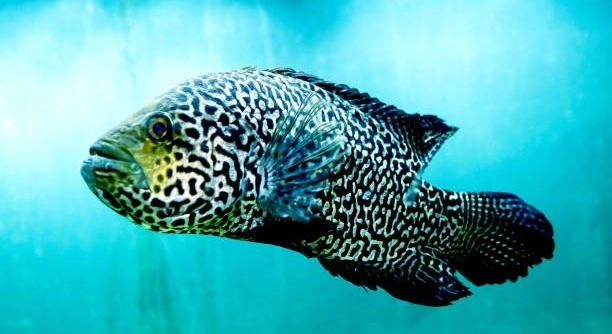
Jack Dempsey fish are popular for their vibrant colors and striking patterns, making them a favorite among freshwater aquarium enthusiasts. They are known for their energy and personality, which can sometimes be intimidating for new fish owners.
Jack Dempsey fish are not aggressive all the time. While they exhibit territorial and defensive behavior, their aggression is often context-dependent, influenced by tank size, environment, and social interactions with other fish. Proper care can minimize hostile tendencies.
Understanding their behavior is essential for creating a balanced aquarium environment. Observing their interactions and adjusting conditions can help ensure peaceful coexistence.
Understanding Jack Dempsey Behavior
Jack Dempsey fish are naturally territorial, which is an important aspect of their behavior. They often stake out a specific area in the tank and defend it from perceived intruders. This behavior can appear aggressive, especially when they are kept with smaller or more passive fish. Males tend to show more aggression during breeding periods, establishing dominance and protecting their eggs or fry. Tank size plays a significant role in how they behave. In a crowded tank, their territorial instincts may increase, leading to more frequent confrontations. Providing hiding spots, plants, and decorations can reduce tension and allow fish to retreat when needed. Social interactions also influence their demeanor. Introducing compatible tank mates gradually and monitoring behavior helps maintain balance. Feeding patterns can also affect aggression; well-fed fish are generally less irritable. Understanding these patterns can make caring for Jack Dempsey fish more manageable, even for those new to freshwater species.
Territorial displays are natural and not always a sign of persistent aggression. Observing their behavior helps prevent unnecessary conflicts.
Proper tank setup is key to maintaining harmony. Providing a spacious environment with adequate hiding spaces can reduce stress and minimize aggressive displays. Choosing compatible tank mates is also essential, as overly passive or very small fish may trigger defensive behavior. Regular monitoring and adjusting conditions when signs of conflict appear will help maintain a peaceful aquarium. Water quality and temperature play a role in overall health and temperament. A well-maintained tank with balanced conditions allows Jack Dempsey fish to display their natural personality without excessive aggression. Over time, fish can become more accustomed to their environment, showing less territorial tension. Understanding individual behavior is equally important, as some fish may be more dominant while others are calmer. By combining careful observation with proper care, aggression can be managed effectively.
Managing Aggression in Jack Dempsey Fish
Aggression can often be reduced with careful planning and observation. Adjusting tank conditions has a direct impact on behavior.
Maintaining the right tank size, temperature, and hiding spots can greatly reduce aggressive incidents. Gradually introducing new fish while monitoring interactions helps prevent fights. Consistent feeding schedules and balanced diets support calm behavior. Observing individual temperaments allows you to separate or isolate overly aggressive fish when necessary. Regular tank maintenance, such as cleaning and water changes, keeps stress levels low. Plants, rocks, and other decorations provide visual barriers that reduce confrontations. Over time, these steps create an environment where Jack Dempsey fish can thrive without excessive aggression. Understanding each fish’s personality also helps anticipate conflicts before they escalate. Providing enough space and enrichment keeps them mentally stimulated, reducing boredom-related aggression. By combining environmental management, proper feeding, and careful selection of tank mates, aggression can be effectively controlled. This approach ensures a more peaceful aquarium for both the Jack Dempsey and its tank companions.
Signs of Aggression in Jack Dempsey Fish
Aggressive Jack Dempsey fish often chase tank mates, nip fins, or flare their gill covers. Territorial posturing is also common, with fish defending specific areas of the tank from others. Recognizing these behaviors early helps prevent serious injury or stress.
Physical signs include damaged fins, visible bite marks, and rapid darting movements. Fish may repeatedly charge at certain tank mates or push them away from preferred hiding spots. Gill flaring and body swelling are also indicators of heightened aggression. Behavior can vary depending on the time of day, feeding schedule, or presence of new fish. Observing patterns over several days gives a clearer picture of normal versus aggressive behavior. Adjusting tank setup and social groupings can reduce these issues.
Behavioral triggers often stem from overcrowding or lack of hiding spaces. Introducing gradual tank changes and ensuring sufficient territory boundaries can help maintain peace. Watching interactions closely allows intervention before conflicts escalate. Consistent monitoring and environmental adjustments reduce stress and aggression over time, helping fish coexist more comfortably.
Environmental Factors Affecting Aggression
Tank size and layout directly influence Jack Dempsey behavior. Smaller tanks limit territory and increase confrontation risks. Proper hiding spots and visual barriers reduce aggression and give fish secure areas.
Water quality, including temperature and pH, affects overall temperament. Poor conditions can stress fish, making them more prone to aggressive actions. Plants, rocks, and decorations serve as shelters and break lines of sight, minimizing territorial disputes. Social dynamics also matter; introducing compatible tank mates slowly prevents sudden confrontations. Overcrowding or mixing highly active species can escalate tension quickly. Maintaining consistent feeding schedules and avoiding sudden changes helps keep stress levels low. Environmental enrichment encourages natural exploration while reducing boredom-driven aggression. Observing interactions over time allows fine-tuning of tank conditions. Adjustments like rearranging hiding spots or separating overly dominant fish help maintain a calmer environment. Proper care ensures Jack Dempsey fish display natural behavior without constant aggression.
Tank Mates for Jack Dempsey Fish
Choosing compatible tank mates is essential to reduce aggression. Avoid very small or overly passive fish, as they are often targeted. Mid-sized, robust species are usually safer options.
Introducing new fish gradually helps Jack Dempsey adjust. Observing interactions during the first days ensures conflicts are minimized and allows for quick separation if needed.
Feeding and Aggression
Feeding routines influence Jack Dempsey behavior. Well-fed fish are generally calmer and less likely to act aggressively. Overfeeding can cause health issues, while underfeeding increases irritability. Offering a varied diet that includes protein, vegetables, and occasional live food supports both health and temperament.
Breeding Behavior
Male Jack Dempsey fish become highly territorial during breeding periods. They protect their eggs and fry aggressively, often chasing or nipping other fish nearby. Providing separate breeding tanks or sufficient hiding spaces helps reduce stress for other tank inhabitants.
FAQ
Are Jack Dempsey fish always aggressive?
Jack Dempsey fish are not aggressive all the time. They display territorial or defensive behavior depending on their environment, tank size, and the presence of other fish. Males can be more aggressive during breeding, while well-fed, properly housed fish tend to be calmer.
What tank size is suitable to reduce aggression?
A minimum of 55 gallons is recommended for a single Jack Dempsey. Larger tanks help reduce territorial disputes by giving each fish space. Adding decorations, rocks, and plants provides visual barriers and hiding spots, which helps lower stress and minimize aggressive encounters.
Which fish make good tank mates?
Mid-sized, robust fish are best, such as silver dollars, larger tetras, or certain cichlids. Avoid small, passive species that are easily bullied. Introducing new tank mates gradually allows the Jack Dempsey to adjust, while careful observation prevents unnecessary injuries.
How can I tell if aggression is serious?
Signs of serious aggression include constant chasing, torn fins, bite marks, and repeated attacks on tank mates. Persistent gill flaring and swelling are also indicators. Monitoring behavior over several days helps distinguish normal territorial behavior from harmful aggression.
Does breeding increase aggression?
Yes, male Jack Dempsey fish become very territorial during breeding. They protect eggs and fry aggressively, often chasing other fish nearby. Providing a separate breeding tank or plenty of hiding spaces prevents stress and injuries for the other fish.
Can diet affect behavior?
Feeding patterns and diet have a strong effect on behavior. Well-fed fish are calmer, while underfed fish may become irritable and more aggressive. A varied diet with protein, vegetables, and occasional live food ensures proper nutrition and helps regulate temperaments.
Will rearranging the tank help reduce aggression?
Yes, rearranging decorations, adding plants, or creating new hiding spots can reset territories and reduce conflicts. Changing the environment periodically encourages exploration, distracts dominant fish, and gives less aggressive fish places to retreat.
How do I manage aggression between two dominant fish?
Separating highly aggressive fish is often necessary if they consistently fight. Using a divider, creating separate tanks, or adjusting hiding spots can prevent injuries. Sometimes, giving each fish its own territory within a large tank is enough to maintain peace.
Are Jack Dempsey fish more aggressive alone or in groups?
Jack Dempsey fish can be more aggressive when alone due to lack of social balance, but overcrowding increases disputes. A balanced setup with compatible tank mates and sufficient space reduces conflict while allowing natural social interactions.
Can stress influence aggression?
Stress from poor water quality, improper temperature, or sudden changes can increase aggressive tendencies. Keeping water clean, maintaining stable conditions, and providing hiding areas reduces stress and promotes calmer behavior.
Is aggression permanent or can it change over time?
Aggression can change based on environment, tank setup, and social interactions. Many Jack Dempsey fish become calmer with proper care, consistent feeding, and sufficient space. Observing individual personalities helps anticipate conflicts and manage aggression effectively.
What should I do if aggression gets out of control?
If aggression escalates, separating the aggressive fish or introducing additional hiding places is necessary. In extreme cases, permanent tank separation may be required to protect other fish. Regular monitoring and preventive measures are the best long-term solutions.
Do all males behave aggressively the same way?
No, individual temperament varies. Some males are more dominant, while others remain relatively calm. Observing their behavior helps identify potential troublemakers and allows for adjustments to tank setup or social groupings.
Can environmental enrichment reduce aggression?
Yes, providing plants, rocks, and decorations stimulates natural behavior and reduces boredom-driven aggression. Enrichment also encourages exploration, offers hiding spots, and allows less dominant fish to avoid confrontations. Proper tank design directly affects overall temperament.
How often should I monitor their behavior?
Daily observation is recommended, especially after adding new tank mates or making environmental changes. Monitoring ensures that aggression is kept in check and allows early intervention if conflicts arise.
Does the time of day affect aggression?
Yes, Jack Dempsey fish may display more aggression during feeding times or when they feel their territory is threatened. Observing their patterns helps anticipate potential conflicts and manage the environment accordingly.
Can adding more fish reduce aggression?
In some cases, adding compatible fish can distract aggressive behavior and spread out territorial claims. However, overcrowding can increase disputes, so careful planning and gradual introduction are essential.
How do hiding spots help manage aggression?
Hiding spots give less dominant fish a place to retreat, reducing stress and the frequency of confrontations. Rocks, plants, and decorations create visual barriers and allow fish to feel secure while establishing territories.
Does water temperature influence aggression?
Yes, Jack Dempsey fish prefer stable temperatures between 74°F and 80°F. Sudden changes or prolonged exposure to improper temperatures can stress them, increasing irritability and aggressive behavior. Stable conditions promote calmer, healthier fish.
Are Jack Dempsey fish suitable for community tanks?
They can be, with careful planning. Mid-sized, robust fish are suitable tank mates, and proper tank size, hiding spots, and monitoring reduce aggression. Breeding males may require temporary separation to protect other fish.
What is the most effective way to reduce aggression long-term?
Long-term management involves proper tank size, compatible tank mates, consistent feeding, environmental enrichment, and monitoring. Understanding individual personalities and adjusting conditions as needed ensures Jack Dempsey fish can coexist peacefully over time.
How do I know if a tank mate is at risk?
Signs include fin damage, persistent chasing, hiding, and stress behaviors. Observing interactions closely and intervening when necessary protects vulnerable fish and maintains a balanced aquarium.
Can aggression affect the health of Jack Dempsey fish?
Yes, chronic stress from fights or poor conditions can weaken the immune system, reduce appetite, and increase susceptibility to disease. Maintaining a well-balanced environment and reducing confrontations supports overall health.
Is aggression more common in young or adult fish?
Adult males are typically more aggressive due to territorial instincts and breeding behavior. Juveniles may show minor disputes, but serious aggression usually develops as they mature and establish dominance within the tank.
Can I train or condition my fish to be less aggressive?
While not trainable like pets, fish can adapt to their environment. Gradual introduction to tank mates, stable conditions, and proper feeding schedules help reduce unnecessary aggression and encourage calmer interactions.
Do Jack Dempsey fish recognize individual tank mates?
They can distinguish between tank mates to some degree. Familiarity reduces repeated conflicts, while new or unknown fish may trigger defensive or territorial behavior. Careful introductions minimize stress and aggression.
How does tank decoration placement influence behavior?
Strategic placement of plants, rocks, and caves can divide territories, provide retreat spaces, and reduce line-of-sight confrontations. Rearranging periodically resets boundaries and encourages exploration while lowering aggressive encounters.
What is the role of social hierarchy in aggression?
Jack Dempsey fish establish a hierarchy within the tank. Dominant fish may assert control over territory and resources, while subordinate fish retreat. Observing this dynamic helps identify potential conflicts and informs adjustments to tank setup or fish placement.
Are there signs of excessive stress due to aggression?
Signs include hiding constantly, loss of appetite, rapid breathing, and visible injuries. Addressing environmental factors, providing hiding spots, and separating aggressive fish are necessary to reduce stress and protect tank mates.
Does lighting affect behavior?
Bright or inconsistent lighting can increase stress and trigger aggressive displays. Providing natural or consistent light cycles helps maintain calm behavior and supports overall well-being.
Can aggression occur suddenly without warning?
Yes, sudden aggression may happen when introducing new fish, rearranging the tank, or changing water conditions. Observing interactions closely and acting quickly prevents injuries and minimizes stress for all fish.
Are Jack Dempsey fish more aggressive in single-species tanks?
They can be less aggressive if alone with enough space, but lack of social balance may cause boredom-related aggression. Proper tank enrichment and observation are necessary even in single-species setups.
How does water flow affect aggression?
Moderate water flow prevents stagnant areas without overwhelming fish. Strong currents may stress them, increasing irritability, while still water can allow dominant fish to patrol territories more aggressively. Balanced flow helps maintain calmer behavior.
Can aggressive behavior impact breeding success?
Yes, excessive aggression can stress potential mates, reduce spawning, and harm eggs or fry. Providing separate breeding areas and minimizing conflicts ensures better reproductive outcomes.
Is aggression seasonal or constant?
Aggression is often context-dependent rather than seasonal. Breeding periods increase territorial displays, while daily interactions fluctuate based on environment, tank mates, and feeding schedules. Regular observation helps anticipate periods of higher aggression.
Do Jack Dempsey fish ever calm down with age?
Some do, especially if provided proper space, compatible tank mates, and consistent care. Aggression may decrease as fish become accustomed to their environment and social structure stabilizes.
Can frequent water changes reduce aggression?
Yes, maintaining clean, stable water conditions reduces stress, which lowers aggressive tendencies. Consistent water quality supports health and encourages calmer, more predictable behavior among tank inhabitants.
Are there common mistakes that increase aggression?
Common mistakes include overcrowding, incompatible tank mates, poor water quality, and lack of hiding spots. Correcting these factors can significantly reduce stress and aggressive behavior over time.
Can aggression be completely eliminated?
No, some level of territorial or defensive behavior is natural. However, with proper care, aggression can be minimized, allowing peaceful coexistence and healthier interactions within the tank.
Do Jack Dempsey fish respond to human presence?
They may recognize humans as non-threatening over time, often approaching during feeding. This does not eliminate territorial behavior but can reduce stress if the fish feel secure in their environment.
How long does it take to adjust tank aggression?
Adjustment varies by individual fish and environment. With proper tank size, compatible mates, hiding spaces, and monitoring, noticeable reductions in aggression can occur within weeks. Continuous observation ensures ongoing balance.
Are aggressive fish more prone to illness?
Yes, chronic stress from aggressive encounters weakens immunity, making fish more susceptible to disease. Managing conflicts and maintaining stable conditions promotes health and longevity.
Can adding plants reduce aggression more than rocks or caves?
Plants provide both visual barriers and hiding spots, which help reduce confrontations. Rocks and caves are also effective. A combination of all three is usually the most effective strategy.
Do Jack Dempsey fish ever show play-like behavior?
While not playful in a human sense, exploring the tank and interacting with objects or tank mates can look like play. This behavior is natural and helps establish territory or stimulate mental activity.
How do I safely separate aggressive fish?
Use tank dividers or a temporary holding tank to prevent injury. Ensure each area has adequate space, hiding spots, and proper water conditions to reduce stress during separation.
Are some Jack Dempsey strains more aggressive than others?
Yes, certain genetic lines may display higher dominance or territorial tendencies. Observing individual personalities helps identify potentially aggressive fish early for proper management.
Can aggressive behavior affect the entire tank environment?
Yes, repeated fights or stress can impact other fish, leading to hiding, poor feeding, or injury. Proper management of tank layout, mates, and monitoring is essential to maintain balance.
Do Jack Dempsey fish ever coexist peacefully without intervention?
With sufficient space, compatible mates, and environmental enrichment, they can coexist peacefully. However, ongoing observation and occasional adjustments are usually necessary to maintain harmony.
How important is feeding order in aggression management?
Feeding order can reduce conflicts. Offering food evenly across the tank and ensuring all fish have access minimizes competition and prevents dominant fish from targeting others aggressively.
Can aggression affect water parameters?
Indirectly, yes. Fighting and stress can lead to injuries and uneaten food, which affect water quality. Maintaining clean water and observing interactions helps keep the environment stable.
Is it better to start with juvenile or adult fish?
Juveniles are easier to integrate and establish social hierarchy gradually. Adults may have fixed territorial tendencies, making them harder to manage in shared tanks. Starting young allows for more control over aggression levels.
Do Jack Dempsey fish ever form bonds with other species?
They do not form bonds like pets, but compatible tank mates may coexist with minimal conflict. Familiarity over time can reduce repeated aggression toward certain fish.
Can aggression flare during tank maintenance?
Yes, disturbances like rearranging decorations, moving fish, or water changes can trigger territorial behavior temporarily. Performing maintenance carefully and slowly reduces stress and conflict.
Are there signs of happiness in Jack Dempsey fish?
Calm swimming, regular feeding, exploring hiding spots, and peaceful interactions indicate well-being. Less aggression and stable behavior show that fish are comfortable in their environment.
Can aggression be predicted?
Partially, by observing past behavior, tank setup, and social interactions. Patterns like territory defense or breeding aggression can help anticipate conflicts and guide preventive measures.
Does the number of hiding spots matter?
Yes, more hiding spots reduce stress, provide retreat areas, and lower the chance of confrontations. Well-distributed shelters allow fish to feel secure without constant fighting.
Can temperature fluctuations trigger aggression?
Yes, sudden changes in temperature can stress fish, making them more irritable. Maintaining stable conditions helps keep aggression at manageable levels.
Are Jack Dempsey fish more aggressive at night?
Nocturnal activity is limited, but they may defend territory at any time if disturbed. Most aggressive displays occur during daylight hours when fish are active and feeding.
How does tank depth affect aggression?
Deeper tanks provide vertical space, allowing fish to establish territories without constant horizontal conflict. More three-dimensional space reduces direct confrontations and stress.
Is aggression more noticeable in bare tanks?
Yes, lack of hiding spots and visual barriers makes territorial disputes more frequent. Adding plants, rocks, or decorations helps break sight lines and reduces constant fighting.
Do Jack Dempsey fish recover quickly after fights?
Recovery depends on injuries and stress levels. Minor scuffles rarely have long-term effects, but severe fights require monitoring, clean water, and sometimes separation to ensure full recovery.
Can aggression be hereditary?
Genetics may influence temperament. Some lines are naturally more dominant, but environment, tank setup, and care also play major roles in behavior.
Does adding water flow reduce aggression?
Moderate flow encourages activity and exploration but should not be strong enough to stress fish. Balanced currents prevent stagnation and can reduce boredom-related aggression.
Are juvenile Jack Dempsey fish less aggressive?
Juveniles typically show minor disputes, but full territorial behavior develops with age and maturity. Early socialization helps reduce future aggression.
Can aggression impact feeding behavior?
Yes, dominant fish may monopolize food, causing stress or underfeeding for others. Spreading food and feeding in multiple locations helps prevent disputes.
How do I know if aggression is normal or harmful?
Normal aggression involves short displays and minor chasing. Harmful aggression includes repeated attacks, injuries, and stress signs. Close observation ensures timely interventions and a balanced tank.
Does color intensity relate to aggression?
Brighter, healthier fish may display confidence, but color alone is not a reliable aggression indicator. Behavior, territory, and social dynamics matter more.
Can I predict breeding aggression?
Breeding periods increase male territorial behavior. Observing signs like nest building, gill flaring, and chasing indicates potential aggression, allowing preparation with hiding spaces or separate tanks.
Are aggressive interactions brief or prolonged?
They can be both. Minor disputes are short-lived, but dominant fish may maintain long-term control over territory. Tank setup and social balance influence duration.
Does tank lighting intensity influence behavior?
Bright or fluctuating lighting can stress fish, triggering more aggressive displays. Consistent, moderate lighting supports calm, natural behavior and reduces irritability.
Can I use barriers to control aggression?
Yes, dividers, plants, and decorations help limit line-of-sight confrontations. Barriers give less dominant fish refuge and reduce stress, allowing coexistence without constant fighting.
Do aggressive behaviors affect other species in mixed tanks?
Yes, constant chasing or nipping causes stress, hiding, and feeding issues for other fish. Monitoring interactions and providing space and barriers protects all tank inhabitants.
Are there signs that aggression is decreasing?
Fish spend more time exploring calmly, fewer chases occur, hiding frequency reduces, and interactions become balanced. These indicate a stabilized social environment.
Can aggression return after a calm period?
Yes, changes like new tank mates, rearrangements, or water quality fluctuations can trigger renewed aggression. Continuous observation and adjustments maintain harmony.
Is it better to have one or multiple Jack Dempsey fish?
Multiple fish can coexist with careful planning, large tanks, and hiding spots. Single fish may have fewer disputes but may also show boredom-related aggression.
Do aggressive fish need separate feeding routines?
Sometimes. Ensuring dominant fish do not monopolize food helps prevent stress and underfeeding for others. Feeding in multiple areas or timed intervals supports balance.
Can adding decorations suddenly trigger aggression?
Yes, rearranging the tank can disrupt established territories. Gradual changes and monitoring interactions reduce conflict during adjustments.
Do Jack Dempsey fish ever calm with repeated exposure to tank mates?
Yes, familiarity over time can reduce repeated conflicts. Fish learn social boundaries and adjust behaviors, especially with stable conditions and adequate space.
Can water chemistry imbalances increase aggression?
Yes, incorrect pH, hardness, or ammonia levels stress fish, leading to irritability and defensive behavior. Maintaining stable water chemistry promotes calm interactions.
Do aggressive interactions affect breeding success?
Frequent fighting or stress can harm eggs, fry, and overall reproductive success. Separate breeding tanks or reducing conflicts ensures healthier outcomes.
Is it normal for aggression to spike occasionally?
Yes, short-term spikes may occur during feeding, territorial disputes, or environmental changes. Monitoring and adjusting tank conditions prevents prolonged stress.
Can tank enrichment permanently reduce aggression?
Consistent use of plants, rocks, caves, and varied environments encourages natural exploration and reduces boredom-driven conflicts, helping maintain long-term peace.
Do Jack Dempsey fish ever establish clear dominance hierarchies?
Yes, dominant fish often control key territories, while subordinate fish retreat. Recognizing hierarchy helps manage tank balance and prevent unnecessary injuries.
Can aggression lead to mortality?
Severe, unchecked aggression can cause injuries, stress, or death in tank mates. Proper care, monitoring, and environmental management reduce risk significantly.
Do Jack Dempsey fish react differently to males and females?
Males are generally more aggressive toward other males, especially during breeding, while interactions with females are often less confrontational, though territorial defense can still occur.
Does tank complexity affect aggression?
More complex tanks with plants, caves, and decorations reduce line-of-sight disputes,
Jack Dempsey fish are fascinating and striking freshwater fish, known for their bright colors and distinctive patterns. Their behavior can be challenging for new fish keepers, but understanding their temperament is key to a successful aquarium. While they are often labeled as aggressive, it is important to note that their behavior is highly context-dependent. Aggression is usually a form of territorial or defensive behavior rather than constant hostility. Factors like tank size, environment, water quality, and social interactions with other fish play a significant role in how they behave. Males tend to display more aggressive actions, especially during breeding, while females are generally calmer. Observing these patterns helps fish owners anticipate situations that may trigger conflict and take steps to minimize them.
Providing a suitable environment is one of the most effective ways to manage aggression. Adequate tank space allows each fish to establish its territory without frequent confrontation. Decorations, plants, and rocks serve as hiding spots and visual barriers, which reduce stress and give less dominant fish areas to retreat. Careful selection of tank mates is also essential. Mid-sized, robust fish are usually better suited to coexist with Jack Dempsey fish, while very small or passive species may be targeted. Feeding schedules and diet also influence behavior. Well-fed fish are generally calmer, while hunger or insufficient nutrition can increase irritability. Monitoring behavior over time allows adjustments to tank setup or social groupings, ensuring a healthier balance within the aquarium.
Aggression is a natural part of Jack Dempsey fish behavior, but it can be managed effectively with proper care. Breeding periods may increase territorial displays, but providing separate breeding spaces or additional hiding spots helps reduce stress for other tank inhabitants. Environmental enrichment, including plants, rocks, and varied layouts, encourages exploration and minimizes boredom-related conflicts. Observing interactions, maintaining stable water conditions, and addressing stressors promptly support the overall well-being of the fish. While some aggression is unavoidable, understanding their behavior and creating a supportive environment allows Jack Dempsey fish to thrive. With consistent care, patience, and observation, they can coexist peacefully with compatible tank mates and display their natural, vibrant personalities without constant conflict.

Hello,
If you enjoy the content that we create, please consider saying a "Thank You!" by leaving a tip.
Every little bit helps us continue crafting quality advice that supports the health, happiness, and well-being of pets around the world, for pets of all shapes, sizes, and species.
We really appreciate the kindness and support that you show us!