
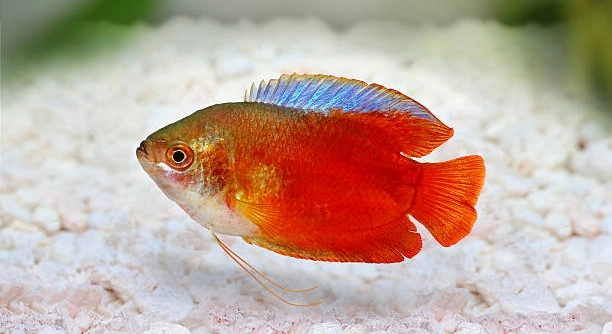
Gouramis are popular freshwater fish known for their peaceful nature and vibrant colors. Many aquarium enthusiasts enjoy keeping them, but questions often arise about the best environment for their wellbeing. Tank conditions, including lighting, can influence their behavior and health.
Gouramis are moderately sensitive to tank brightness, as excessive light can cause stress and affect their natural behavior. Optimal lighting should mimic their natural habitat, providing shaded areas to ensure comfort and reduce stress-related issues in captivity.
Understanding how light affects gouramis can help maintain a balanced environment for their care. This knowledge supports both the health and happiness of these delicate fish in home aquariums.
Understanding Gourami Sensitivity to Light
Gouramis come from slow-moving or still waters with plenty of plants and shaded areas. Their natural environment is rarely brightly lit. In home tanks, strong lighting can cause them to hide more often or become stressed. Bright light can also make them more vulnerable to disease because stress lowers their immune response. Gouramis prefer moderate light levels that mimic dusk or dawn conditions. Adding floating plants or decorations can help create shaded spots where gouramis feel safe. It’s important to avoid continuous bright light exposure, especially for long hours, as it disrupts their normal behavior and feeding patterns. Monitoring how your gouramis respond to lighting adjustments is key to keeping them comfortable and healthy.
Bright or harsh lighting is generally harmful to gouramis, so creating a softer, natural lighting environment is recommended for their wellbeing.
Keeping lighting conditions similar to their natural habitat helps reduce stress and promotes healthier behavior in gouramis.
Adjusting Tank Lighting for Gouramis
Reducing tank brightness is simple and effective in improving gourami comfort. Use dimmable LED lights or place the tank away from direct sunlight to control light intensity. Introducing live plants that provide natural shade also benefits gouramis. Avoid leaving lights on for more than 8–10 hours daily to prevent overstimulation. Observing your fish after lighting changes will show if they become more active and less stressed. Proper lighting adjustments contribute significantly to the overall tank environment and fish health. Regularly checking and adjusting lighting helps maintain a balanced habitat tailored to gouramis’ needs.
Light management is a practical step to create a comfortable environment for gouramis.
By controlling light exposure, hobbyists can enhance gouramis’ wellbeing and reduce stress-induced problems. Adjust lighting to support their natural rhythms and behavioral needs. Using shaded areas and moderate lighting can improve feeding and activity, promoting longer, healthier lives for the fish. Always observe how gouramis react to changes, as individual preferences may vary slightly. Consistency in lighting schedules also helps maintain their internal biological clocks. Proper lighting complements other tank care aspects such as water quality and diet, forming a holistic approach to fish care. Implementing these changes improves the aquarium’s atmosphere and the overall happiness of the gouramis.
Signs Gouramis Show When Lighting Is Too Bright
When lighting is too bright, gouramis often hide behind plants or decorations more frequently. They may become less active and avoid swimming in open areas. These behavioral changes indicate discomfort or stress caused by excessive light, signaling that tank brightness should be adjusted.
Gouramis under bright light may show signs such as faded colors, reduced appetite, and increased hiding. Stress from improper lighting weakens their immune system, making them more prone to illness. Watching their behavior carefully helps identify if the tank lighting is unsuitable. If gouramis seem less vibrant or withdrawn, reducing light intensity and adding shaded zones can restore their comfort.
Long exposure to strong light can cause physical stress, which negatively impacts gouramis’ overall health. Creating a dimmer, more natural light environment promotes their well-being and encourages natural activity. Adjusting lighting conditions promptly can prevent long-term harm and support a healthier, more balanced tank environment.
How to Create a Comfortable Lighting Environment for Gouramis
Choosing the right type of light is essential for gouramis. Soft, adjustable LED lights are ideal because they allow fine control of brightness levels. Installing timers ensures consistent day and night cycles, which help maintain the fish’s natural rhythms.
Positioning live or artificial plants in the tank creates shaded areas, providing gouramis with places to retreat when the light feels too strong. This mimics their natural habitat and reduces stress. Avoid placing the tank where it receives direct sunlight, which can cause sudden brightness spikes and algae growth. Consistent lighting schedules and gradual light changes reduce shock and support healthy behavior. Combining proper light intensity, shading, and timing creates a suitable environment for gouramis to thrive peacefully.
Ideal Light Duration for Gourami Tanks
Gouramis do best with about 8 to 10 hours of light daily. This mimics their natural environment and helps regulate their activity patterns. Keeping the light on longer can cause stress and disrupt their behavior.
Using a timer is helpful to maintain a consistent lighting schedule. It ensures the fish have a reliable day-night cycle, which supports their health and reduces stress.
Impact of Light on Gourami Breeding Behavior
Lighting plays a role in gourami breeding by influencing their comfort and readiness to spawn. Proper lighting encourages natural behaviors and supports successful breeding. Excessive or insufficient light can inhibit spawning or cause stress that disrupts mating. Maintaining balanced lighting is important to create favorable conditions for breeding gouramis in captivity.
Monitoring Gourami Behavior Daily
Regular observation helps catch any changes in behavior linked to lighting or tank conditions. Keeping track of activity levels and feeding habits ensures gouramis remain healthy and stress-free.
How bright should the tank light be for gouramis?
The tank light should be moderate, not too intense or dim. Ideally, use LED lights with adjustable brightness. The goal is to replicate the soft, filtered light found in their natural habitat. Bright lights can stress gouramis, while too little light may affect their behavior and plant growth in the tank.
Can gouramis tolerate direct sunlight on their tank?
Direct sunlight is generally not recommended for gourami tanks. It can cause sudden increases in brightness and temperature, which stress the fish. Sunlight also promotes algae growth, making tank maintenance harder. Position the tank away from windows or use curtains to control natural light exposure.
What are signs that gouramis are stressed by lighting?
Signs include hiding more often, reduced activity, faded colors, and loss of appetite. Stress weakens their immune system, making them vulnerable to disease. If gouramis show these signs, adjusting the lighting to a softer level with shaded areas is necessary.
How long should the aquarium lights be on for gouramis?
Lights should be on for about 8 to 10 hours daily. This mimics their natural day-night cycle, helping regulate their behavior and health. Using a timer ensures consistency and prevents overexposure to light, which can cause stress.
Do gouramis prefer a dark tank at night?
Yes, gouramis benefit from complete darkness during the night to rest properly. Continuous light disrupts their sleep and biological rhythms. Ensure the tank light is fully off at night, allowing gouramis to maintain natural resting cycles.
Can too little light harm gouramis?
While gouramis prefer dim environments, very low light can affect their feeding behavior and overall health. Plants may also struggle without enough light, reducing natural hiding spots. Balance is key—moderate light during the day with proper shaded areas is best.
What tank decorations help gouramis cope with bright light?
Plants—both live and artificial—provide essential shade and hiding spots. Floating plants are especially helpful because they diffuse the light from above. Driftwood and dense foliage also create sheltered areas where gouramis feel secure.
Does lighting affect gourami breeding?
Yes, proper lighting encourages natural breeding behaviors. Balanced light levels and a consistent schedule help stimulate spawning. Too bright or erratic lighting can stress gouramis, preventing breeding or reducing success rates.
Are certain gourami species more sensitive to light?
Some gourami species, such as dwarf gouramis, tend to be more sensitive to bright light than others. Always research the specific needs of your species and adjust lighting accordingly to ensure comfort.
Can lighting changes improve gouramis’ color?
Proper lighting can enhance gouramis’ coloration by reducing stress and promoting natural behaviors. Bright, harsh light may cause fading, while moderate lighting with shaded areas helps colors stay vibrant.
Is it okay to use colored aquarium lights for gouramis?
Colored lights can create interesting effects but should be used cautiously. Natural spectrum lights that mimic daylight are best for fish health. Colored lights that are too intense or unnatural may cause stress or confuse gouramis.
How quickly do gouramis adjust to new lighting conditions?
Gouramis generally take a few days to a week to adjust to changes in lighting. Gradual changes are less stressful than sudden shifts. Monitor their behavior during this time to ensure they adapt well.
Can tank light affect algae growth and gourami health?
Yes, excessive light encourages algae growth, which can affect water quality. Poor water quality stresses gouramis and can lead to illness. Controlling light duration and intensity helps keep algae manageable.
What is the best lighting setup for a planted gourami tank?
A planted gourami tank needs moderate, full-spectrum lighting that supports plant growth without stressing fish. Combining adjustable LED lights with floating plants provides a balanced environment with light and shade.
Should I turn off the lights when I am not at home?
Yes, maintaining a consistent lighting schedule even when away is important. Use a timer to ensure the lights turn off at night. This prevents stress caused by irregular light exposure.
Can light stress cause disease in gouramis?
Yes, stress from improper lighting lowers the immune system, increasing the risk of infections and disease. Keeping light conditions comfortable reduces stress and supports overall health.
How important is light placement in the tank?
Light placement affects where shadows and bright spots form. Positioning lights evenly and adding plants or décor in bright areas gives gouramis places to escape intense light and feel secure.
Do gouramis need UV light in their tanks?
UV light is not necessary for gouramis. Standard aquarium lighting that mimics natural daylight is sufficient. UV light may sometimes cause stress if too strong or constant.
Can I use a dim night light for my gouramis?
A dim night light is not recommended because it disrupts their rest. Gouramis need complete darkness to maintain natural sleep cycles. Turn off all lights during night hours.
How can I test if the tank lighting is right for gouramis?
Observe gourami behavior for signs of stress or comfort. Active swimming, vibrant color, and normal feeding indicate suitable lighting. If they hide excessively or lose appetite, adjust the light accordingly.
Is it better to have a bright or dim tank for gouramis?
A dimmer tank with shaded areas is better. Bright tanks cause stress, while dim lighting simulates their natural habitat. Providing places to retreat from light helps gouramis feel safe and healthy.
Can I use a timer to improve lighting conditions?
Yes, timers ensure consistent light cycles, preventing overexposure. Consistency reduces stress and supports natural biological rhythms for gouramis, making it a useful tool in tank management.
What happens if gouramis are exposed to light 24/7?
Constant light causes stress, disrupts sleep, and weakens their immune system. This leads to behavioral problems, illness, and reduced lifespan. Always provide a regular dark period each day.
Are fluorescent lights suitable for gouramis?
Fluorescent lights can work but often produce harsher light compared to LEDs. LED lighting is preferred for better control of brightness and color temperature, enhancing fish comfort.
Can I rely on natural room light for gouramis?
Natural room light alone is unpredictable and often too bright or inconsistent. Controlled aquarium lighting with timers is better to maintain stable conditions suited for gouramis.
How often should I adjust lighting in a gourami tank?
Adjust lighting only when needed, such as when signs of stress appear or plants require more light. Frequent changes can cause unnecessary stress. Keep lighting stable whenever possible.
Do gouramis sleep in the dark?
Yes, gouramis need darkness to rest properly. Nighttime darkness is essential for their health and natural rhythms. Keeping the tank dark during night hours supports good sleep cycles.
Final thoughts on gouramis and tank brightness focus on maintaining balance and observing your fish carefully. Gouramis are sensitive to their environment, and lighting plays a key role in their well-being. Too much brightness can cause stress, while too little light may affect their natural behavior and the plants in their tank. Finding the right level of light, close to what they experience in the wild, helps gouramis feel secure and healthy. Using adjustable lighting and adding plants or decorations can create shaded areas that offer comfort and reduce stress.
It is important to have a consistent light schedule for gouramis. About 8 to 10 hours of light daily is usually enough to mimic their natural habitat. Using a timer is a practical way to keep this schedule steady. This routine supports their day and night cycle, which affects feeding, activity, and rest. Gouramis also need total darkness at night to sleep well and recover from daily activities. Disruptions to this cycle by too much light or irregular timing can lead to stress and health issues over time.
Monitoring gouramis’ behavior is crucial when adjusting lighting. Watching for signs like hiding, color changes, or reduced appetite helps identify if the light is too strong or too weak. Gouramis may take time to adjust to new lighting conditions, so gradual changes are better. Providing places to hide or shade inside the tank helps gouramis feel safe during brighter periods. Overall, thoughtful lighting management supports gouramis’ health, behavior, and long-term happiness in their tank environment.

Hello,
If you enjoy the content that we create, please consider saying a "Thank You!" by leaving a tip.
Every little bit helps us continue crafting quality advice that supports the health, happiness, and well-being of pets around the world, for pets of all shapes, sizes, and species.
We really appreciate the kindness and support that you show us!