
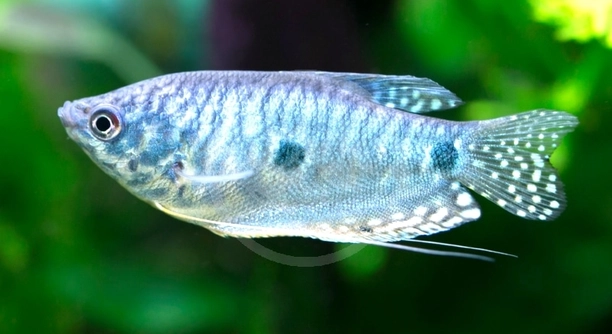
Are you thinking about keeping gourami fish in your aquarium? Gouramis are popular for their beautiful colors and calm nature. Understanding how they behave alone or with others can help you care for them better.
Gouramis tend to be more peaceful when kept alone, as pairing them can sometimes lead to territorial disputes or stress, especially among males. Careful consideration of species and tank environment is important to minimize aggression.
Learning about gourami behavior will help you create a balanced tank and keep your fish healthy and happy. There are a few key points to consider when deciding how to house them.
Understanding Gourami Temperament
Gouramis are generally peaceful fish, but their behavior can change depending on whether they are kept alone or with others. When alone, they tend to be calm and less stressed, which helps them display their natural colors and swimming patterns. However, when paired or grouped, some gouramis—especially males—can become territorial. This can lead to chasing, nipping, or even injuries. Different species also show varying levels of aggression, so knowing the type of gourami you have is important. Tank size and hiding spots matter too. A small tank with few places to hide can increase stress and conflict. Providing plants and decorations can reduce aggressive behavior by offering territories and visual barriers. Understanding these basics allows you to create a peaceful environment where your gourami can thrive, whether alone or in a group.
Keeping gouramis in an appropriately sized tank with enough hiding spaces usually helps reduce tension. This setup supports their natural behavior.
A balanced tank setup with enough room and enrichment will encourage calmness. Each gourami may have different social needs, so observing their behavior closely is key to adjusting their living conditions for the best results.
Benefits of Keeping Gouramis Alone
Gouramis kept alone often show less stress and fewer aggressive behaviors. When a single gourami has its own space, it can explore freely without feeling threatened. This often leads to better health and longer life spans. Alone, gouramis don’t have to compete for food or territory, which can reduce anxiety. Some people prefer keeping just one gourami because it is easier to care for and monitor. The fish’s personality shines more clearly when it isn’t distracted or pressured by others. However, some gouramis can feel lonely or bored if left completely alone for long periods. To prevent this, adding plants or decorations helps create a stimulating environment. Ultimately, keeping a gourami alone can simplify care and minimize problems, especially for beginner fishkeepers or those with smaller tanks.
Gouramis alone avoid competition, reducing stress and aggressive behaviors that often come with pairing.
Still, each fish is unique, and some gouramis may enjoy company. If you decide to add more, watch how they interact carefully. Adjusting tank conditions or separating fish if aggression appears can keep the aquarium peaceful.
Pairing Gouramis: What to Expect
Pairing gouramis can work if done carefully. Some species tolerate company better than others. Males are usually more aggressive and territorial, so keeping two males together may cause fights. Females tend to be less confrontational and can often share space peacefully.
When pairing gouramis, consider the tank size and environment. A larger tank with plenty of hiding spots helps reduce conflicts. Adding plants and decorations gives each fish a territory and places to escape if needed. Monitoring behavior closely during the first days is important to catch signs of stress or aggression early. Sometimes separating aggressive fish is necessary to keep peace.
Different gourami species have different temperaments. Dwarf gouramis often do well in pairs or small groups if the tank is big enough. Pearl gouramis may be more territorial, so it’s safer to keep fewer individuals together. Understanding the specific species’ needs helps prevent problems and promotes harmony in the aquarium.
Signs of Stress and Aggression in Gouramis
Stress in gouramis can show in many ways, such as hiding more than usual, losing color, or refusing food. Aggressive behavior includes chasing, nipping fins, or flaring fins to intimidate others. Recognizing these signs early helps prevent serious injuries or health issues.
Aggression usually starts with subtle displays like fin spreading or chasing, but it can escalate if ignored. Stress weakens their immune system, making them prone to disease. If you notice aggression, try rearranging the tank to break sight lines or add more hiding spots. Sometimes removing one fish is the best option to reduce stress.
Keeping a close eye on your gouramis’ interactions is important. Behavior can change quickly depending on conditions, so being proactive helps maintain a peaceful tank environment. Knowing when to intervene keeps all your fish healthier and calmer.
Choosing the Right Tankmates
Gouramis usually do well with peaceful fish that won’t challenge their space. Avoid aggressive or very active species that might stress them out. Good tankmates include tetras, rasboras, and some small catfish.
Keeping compatible fish helps maintain calm in the tank. Mixing temperaments carefully reduces fights and stress among all the inhabitants.
Feeding Gouramis When Alone or Paired
Feeding gouramis is easier when they are alone because there is no competition. Each fish gets its share without stress. When paired, food can sometimes cause fights if one fish is more aggressive.
To avoid this, feed in multiple spots and observe to ensure both gouramis eat properly. Balanced nutrition supports their health and reduces aggression linked to hunger.
Tank Size Recommendations
A minimum of 20 gallons is recommended for a single gourami to swim comfortably. For pairs, increasing the tank size to 30 gallons or more provides enough space to reduce territorial disputes.
Proper tank size plays a big role in keeping gouramis peaceful and healthy over time.
Monitoring Behavior Regularly
Checking your gouramis’ behavior daily helps catch problems early. Small signs can signal changes in health or social stress. Staying attentive lets you adjust their environment or care before issues grow.
FAQ
Are gouramis happier alone or in pairs?
Gouramis generally show less stress when kept alone, especially males. Alone, they don’t have to compete for territory or food, which often leads to calmer behavior. However, some gourami species, like dwarf gouramis, can enjoy the company of one or two others if the tank is spacious enough and well decorated. It really depends on the species and individual fish personality. Watching their behavior closely will help you decide if your gourami prefers solitude or a companion.
Can male gouramis live peacefully together?
Male gouramis tend to be territorial and may become aggressive if housed together, especially in small tanks. They often flare fins, chase, or nip at each other to defend their space. This behavior can cause stress and injury. To avoid problems, either keep males separate or provide a very large tank with plenty of hiding spots and visual barriers. If aggression persists, separating the males is usually necessary.
How large should the tank be for paired gouramis?
A tank of at least 30 gallons is recommended for keeping a pair of gouramis. This size provides enough space for each fish to establish a territory without constant confrontation. Larger tanks are better because they reduce competition and allow for more hiding places. Adequate space plays a key role in reducing stress and aggression in paired gouramis.
Do gouramis need hiding spots?
Yes, hiding spots are essential for gouramis whether they are alone or paired. Plants, caves, or decorations offer places to retreat when feeling threatened or stressed. These areas help reduce conflicts by allowing fish to avoid each other if needed. A well-planted tank creates natural boundaries, which makes gouramis feel more secure and calm.
Is it normal for gouramis to be aggressive sometimes?
Some aggression is normal, especially among males or when gouramis establish territories. Chasing or fin-flaring happens as a way to communicate dominance. However, persistent or violent aggression is a sign that conditions need adjustment. Too much aggression can harm the fish, so careful monitoring and tank setup changes are important.
What signs show that gouramis are stressed?
Stressed gouramis may hide often, lose color, stop eating, or breathe rapidly. They might also act restless or show erratic swimming. These signs indicate discomfort due to poor tank conditions, overcrowding, or bullying by tankmates. Early detection of stress helps prevent serious health problems.
Can gouramis live with other fish?
Gouramis can coexist peacefully with many peaceful fish species, such as tetras, rasboras, and peaceful bottom dwellers. Avoid aggressive or very active fish that may cause stress or competition. Compatibility depends on tank size, species temperament, and how well the aquarium is arranged to provide territories and hiding places.
How often should I feed my gouramis?
Feeding gouramis once or twice daily is usually enough. Provide only as much food as they can eat in a few minutes to avoid leftover waste. A varied diet of flakes, pellets, and occasional live or frozen foods keeps them healthy. Feeding multiple spots in the tank can prevent competition when gouramis are paired.
What should I do if my gouramis fight?
If fighting occurs, try rearranging the tank to break up established territories. Add more plants or decorations to create hiding spots. If aggression continues, separate the fish into different tanks or remove the more aggressive one. Maintaining good water quality and proper feeding also helps reduce stress-related fighting.
Are female gouramis less aggressive than males?
Yes, female gouramis are usually less territorial and aggressive than males. They often live more peacefully with other females or mixed groups. This makes females a better choice for community tanks. Still, it’s important to monitor interactions because individual temperaments can vary.
Final Thoughts
Gouramis can be peaceful fish, but their behavior depends a lot on how they are kept. When alone, they usually stay calm and show less stress because they don’t have to compete for space or food. This makes caring for a single gourami easier, especially if you have a smaller tank or are new to fishkeeping. Alone gouramis get to swim freely and explore without worrying about other fish bothering them. However, keeping a gourami alone means it might get bored without stimulation, so adding plants or decorations to the tank can help keep it entertained and comfortable.
When keeping gouramis in pairs, things can become more complicated. Males, in particular, can become territorial and show aggressive behavior like chasing or nipping, especially if the tank is too small or lacks enough hiding places. Some species are more tolerant than others, but even peaceful gouramis can get stressed if space is limited. Providing a large tank with lots of plants and visual barriers helps reduce conflicts. Watching your gouramis closely during the first few days together is important so you can step in if fighting starts. Sometimes, separating aggressive fish is the only way to keep everyone safe.
Choosing whether to keep your gourami alone or paired depends on your tank size, the species you have, and your personal preferences. Both options can work well if you provide the right environment. Giving gouramis enough space, hiding spots, and proper food will support their health and peace. Being patient and observant with their behavior helps you understand what they need. In the end, creating a calm and balanced home for your gouramis will make your aquarium a more enjoyable place for both you and your fish.

Hello,
If you enjoy the content that we create, please consider saying a "Thank You!" by leaving a tip.
Every little bit helps us continue crafting quality advice that supports the health, happiness, and well-being of pets around the world, for pets of all shapes, sizes, and species.
We really appreciate the kindness and support that you show us!