
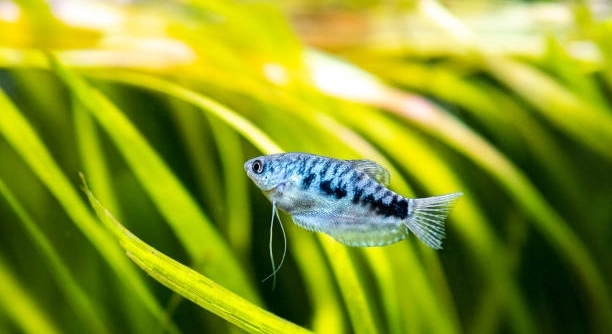
Are your gourami fish showing changes in behavior or color as the seasons shift? Seasonal light variations can impact many aquatic species. Understanding how light affects gourami can improve their care and environment throughout the year.
Seasonal light changes do affect gourami, influencing their activity, feeding patterns, and breeding behavior. These fish respond to variations in daylight length, which can alter their hormonal cycles and overall health in controlled and natural habitats.
Observing these changes helps maintain a healthy aquarium. This article explains the effects of seasonal light on gourami and offers practical tips to support their well-being year-round.
How Seasonal Light Affects Gourami Behavior
Seasonal light changes influence gourami behavior significantly. As daylight shortens or lengthens, gourami adjust their activity levels. Longer daylight usually increases their activity and feeding, while shorter days may cause them to slow down. These shifts relate to their natural environment, where daylight cues trigger breeding or resting phases. Changes in light affect their hormones, especially those controlling reproduction and metabolism. This natural response helps gourami adapt to seasonal variations outside the aquarium. In captivity, artificial lighting schedules can mimic these changes, but sudden or inconsistent light exposure might stress the fish. Gradual adjustments in lighting encourage healthier behavior and breeding cycles. Observing these changes helps identify when gourami are under stress or ready to breed. Knowing how light affects them allows better control over tank conditions and improves their overall health.
Adjusting aquarium lighting gradually mimics natural seasonal changes. This helps maintain a balanced environment for gourami’s biological rhythms.
It is essential to monitor gourami closely during seasonal shifts. Stress or abnormal behavior might indicate improper light conditions. Keeping a consistent lighting schedule, ideally with gradual increases or decreases in duration, supports their well-being. Sudden changes can disrupt their natural cycles, causing stress or illness. Using timers and adjustable lights can help replicate seasonal light changes effectively. This approach creates a stable environment that promotes natural behavior, breeding, and feeding patterns.
Maintaining Proper Lighting for Gourami Health
Proper lighting is crucial to support gourami health year-round. Consistent and appropriate light schedules help regulate their internal clocks and stress levels.
To maintain healthy gourami, adjust tank lighting to reflect gradual seasonal changes. Start by increasing or decreasing daily light by 10-15 minutes weekly, mimicking natural shifts. Avoid abrupt changes to prevent stress. Using full-spectrum LED lights enhances color and supports plant growth if included in the tank. Monitoring light intensity is important; too bright light can cause hiding and stress, while too dim light reduces activity. Balancing these factors ensures a stable environment for gourami.
Regularly observe your gourami’s reactions to lighting adjustments. If fish become lethargic or show signs of stress, reconsider the light schedule or intensity. Providing a stable lighting environment promotes natural rhythms, supports breeding cycles, and helps maintain their immune system. Careful lighting management is a simple but effective way to keep gourami thriving throughout the year.
Light Duration and Gourami Stress
Light duration directly impacts gourami stress levels. Too much light can cause agitation, while too little can lead to lethargy. Finding a balance is key to keeping gourami calm and active.
Extended exposure to intense light can overstimulate gourami, causing hiding or aggressive behavior. This stress may weaken their immune system and increase susceptibility to disease. On the other hand, insufficient light disrupts their normal activity patterns, leading to reduced feeding and slower growth. Consistent lighting schedules, mimicking natural day length, help regulate their stress response and maintain healthy behavior. Monitoring their reactions to light duration changes can prevent stress-related problems.
Using timers ensures light changes are gradual and predictable. Adjusting light periods seasonally supports their natural cycles and reduces unnecessary stress. A balanced lighting routine encourages healthy feeding, regular swimming patterns, and better interaction among tank mates. This careful management is essential to keep gourami comfortable in a home aquarium setting.
Seasonal Light and Gourami Breeding
Seasonal light changes trigger breeding behavior in gourami by influencing hormonal cycles. Increasing day length signals readiness for spawning.
Longer daylight hours promote hormonal shifts that encourage gourami to breed. In their natural habitat, this corresponds with warmer seasons when conditions for fry survival improve. Replicating these light patterns in an aquarium can stimulate spawning activity. Sudden light changes, however, may interrupt breeding and cause stress. Gradual adjustments to light duration, mimicking seasonal transitions, support successful reproduction. Light intensity and spectrum also play roles; balanced lighting creates an ideal environment for mating and fry development.
Consistent, seasonally adjusted lighting combined with optimal water conditions improves breeding success. Providing suitable hiding spots and clean water further supports reproductive behavior. Careful attention to these details ensures gourami thrive and reproduce naturally under human care.
Effects of Light Intensity on Gourami Health
Light intensity affects gourami’s overall health. Too bright light can cause stress, while low light may reduce activity and appetite.
Proper light intensity promotes normal behavior and vibrant coloration. Adjusting light to moderate levels helps gourami feel secure and encourages regular feeding patterns.
Adjusting Aquarium Lighting Seasonally
Changing light duration gradually to match seasonal shifts supports gourami’s natural rhythms. This can be done by adding or reducing light by about 10 minutes per week. Avoid sudden changes to prevent stress.
Gradual adjustments help maintain hormonal balance and improve breeding chances. Using a timer makes these changes consistent and easier to manage, creating a healthier tank environment.
Impact of Artificial Lighting on Gourami
Artificial lighting can mimic natural light cycles, but improper use may disrupt gourami’s behavior. Consistency is key for maintaining their health and well-being.
FAQ
How does seasonal light affect gourami behavior?
Seasonal light influences gourami by regulating their activity and feeding habits. Longer daylight typically makes them more active and increases their appetite. Shorter days often slow their movement and reduce feeding. These changes are natural responses to light cues, which help gourami adapt their behavior according to the time of year.
Can gourami breed without seasonal light changes?
Yes, gourami can breed without seasonal light changes, but natural light cycles improve breeding success. Seasonal shifts help trigger hormonal changes necessary for spawning. Without these cues, breeding might happen less frequently or be less successful. Mimicking natural light patterns in an aquarium encourages healthier reproductive behavior.
What is the ideal light duration for gourami?
Gourami do best with 10 to 12 hours of light daily. This range simulates natural conditions, supporting regular activity and feeding cycles. Adjusting light duration gradually to reflect seasonal changes helps keep their internal clocks balanced. Avoid sudden changes, as they may stress the fish.
Does light intensity impact gourami health?
Yes, light intensity is important. Bright light can cause stress, making gourami hide or become aggressive. Low light reduces activity and appetite. Moderate light levels are best, creating a comfortable environment that supports normal behavior and vibrant coloration.
How can I adjust aquarium lighting to support gourami?
Use timers to control light duration and intensity. Gradually increase or decrease lighting by about 10 minutes per week to mimic seasonal changes. Avoid sudden changes, which can cause stress. Choose full-spectrum LED lights for natural color and proper plant growth if you have live plants.
What signs show gourami are stressed due to lighting?
Signs include hiding more often, reduced appetite, erratic swimming, or aggression. Changes in color or lethargy may also occur. If these signs appear after lighting changes, adjust the schedule or reduce light intensity. Maintaining a consistent routine helps prevent stress.
Can artificial lighting fully replace natural light for gourami?
Artificial lighting can effectively replace natural light if managed correctly. Timers and adjustable lights allow you to replicate day length and intensity changes. However, inconsistent or poor lighting can disrupt their cycles. Careful control of artificial light supports gourami health and behavior.
Do gourami need darkness during the night?
Yes, gourami require a dark period for rest and recovery. Continuous light can stress them and disrupt natural rhythms. Providing 12 hours of darkness mimics their natural environment and promotes healthy sleep cycles.
How does light affect gourami breeding cycles?
Light regulates hormones that trigger spawning behavior. Longer daylight signals breeding season, while shorter days signal rest. Replicating these changes helps synchronize breeding cycles in captivity, increasing the likelihood of successful spawning.
Is it necessary to change lighting settings seasonally?
Adjusting lighting to reflect seasons supports gourami’s natural rhythms and health. Gradual changes prevent stress and encourage breeding. Even in indoor tanks, seasonal adjustments maintain balance in their biological processes.
What type of lighting is best for gourami tanks?
Full-spectrum LED lights are ideal because they offer adjustable intensity and mimic natural sunlight. These lights enhance gourami coloration and support live plants if present. Avoid overly bright or dim lighting to reduce stress and encourage normal behavior.
How quickly should lighting changes be made?
Lighting changes should be gradual, about 10 to 15 minutes per week. Sudden changes can cause stress and disrupt feeding and breeding cycles. Using a timer ensures smooth transitions and consistency.
Can improper lighting cause health issues in gourami?
Yes, improper lighting can lead to stress, weakened immune systems, and poor growth. Overexposure to light or extended darkness may cause behavioral problems and increase susceptibility to illness.
Should I observe gourami more during seasonal light changes?
Yes, monitoring gourami during light adjustments is important. Watch for changes in activity, feeding, or appearance. Promptly adjusting lighting if signs of stress appear helps maintain their health and comfort.
Are there any signs that gourami are ready to breed due to light changes?
Increased activity, brighter coloration, and nest-building behavior often indicate readiness to breed. These behaviors typically follow gradual increases in daylight length. Providing optimal conditions during this time supports successful spawning.
Final Thoughts
Seasonal light plays an important role in the well-being of gourami. These fish respond naturally to changes in daylight, which affect their behavior, health, and breeding cycles. Maintaining a lighting schedule that closely resembles their natural environment helps gourami stay healthy and active. It also supports their internal biological rhythms, which are essential for feeding, resting, and reproduction. By paying attention to seasonal changes in light duration and intensity, it is possible to create an aquarium environment that meets gourami’s needs more effectively.
Consistent light management can prevent stress in gourami. Sudden or extreme changes in lighting often cause negative effects, such as hiding, aggression, or decreased appetite. Moderate and gradual adjustments reduce these risks and promote a calm atmosphere. Using timers to control light duration allows for reliable daily cycles that gourami can adapt to easily. This consistency helps keep their immune system strong and encourages natural behavior, including regular swimming and social interaction with tank mates.
In addition to light duration, the quality and intensity of lighting matter. Too much brightness may cause discomfort, while too little light can result in lethargy and poor feeding habits. Balanced lighting improves gourami’s coloration and overall appearance, which are signs of good health. Adjusting lighting seasonally also supports breeding by signaling the right time for spawning. Overall, thoughtful lighting care is a simple yet crucial part of maintaining gourami in captivity. Proper light management benefits not only the fish’s physical health but also its comfort and natural behavior.

Hello,
If you enjoy the content that we create, please consider saying a "Thank You!" by leaving a tip.
Every little bit helps us continue crafting quality advice that supports the health, happiness, and well-being of pets around the world, for pets of all shapes, sizes, and species.
We really appreciate the kindness and support that you show us!