
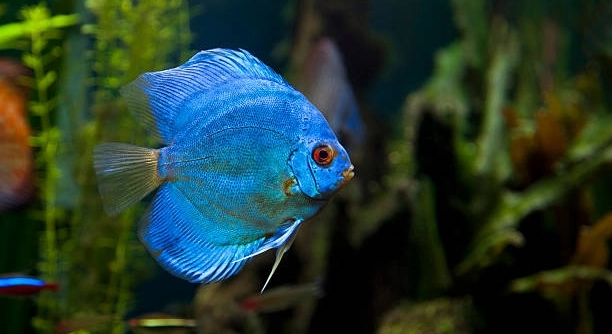
Are your discus showing interest in food but seem unsure about what’s floating at the top of their tank? You might be wondering if floating foods are safe or even suitable for them in the first place.
Discus fish can eat floating foods, but they often prefer sinking or slow-sinking options due to their natural feeding behavior. Their anatomy and shy nature make bottom or mid-water feeding more comfortable and less stressful for them.
Understanding how food type and placement affect your discus will help you make better choices for their diet and overall health.
Why Some Discus Avoid Floating Foods
Discus fish are naturally mid-water feeders. In the wild, they eat small insects or particles that drift down from above, not food that stays floating on the surface. Because of this instinct, some discus may not recognize floating pellets as food right away. They also tend to be shy and cautious, especially when introduced to new feeding styles. Surface feeding can make them nervous, particularly if there’s movement above the tank. Floating foods can also lead to competition or stress if more aggressive tankmates reach it first. This makes feeding time uncomfortable for discus, who prefer calm surroundings. Their mouth shape and posture also make it harder for them to eat at the surface compared to mid-level or sinking foods. It’s not that floating foods are bad, but rather that they often don’t match how discus naturally eat.
Introducing floating food gradually can help them get used to it.
Many discus owners mix both floating and sinking options. They observe what their fish respond to best and adjust feeding accordingly. Sinking pellets often lead to more relaxed eating behavior.
Risks of Sticking Only to Floating Foods
Relying only on floating foods can cause stress in discus.
When discus avoid food at the surface, they may end up eating less. Over time, this can impact their health and growth. Uneaten floating food can also create water quality issues, especially if it stays on the surface too long and begins to break down. This increases the chances of ammonia spikes, which can stress or even harm your fish. Floating food can also cause some fish to gulp air while feeding, leading to bloating or digestion issues. Feeding time becomes a missed opportunity for nutrition when the food doesn’t suit their habits. While some discus can adapt to floating pellets, it’s important not to rely on them as the sole food source. Variety is key. Including slow-sinking or soft foods helps meet their needs more naturally and avoids unnecessary problems. Pay attention to their response and change your feeding method if you notice signs of disinterest or stress.
How to Help Your Discus Accept Floating Foods
Start by offering floating foods alongside their usual meals. This way, they don’t feel pressured to try something new. Keep the tank calm and reduce surface movement during feeding to help them feel more secure.
Consistency helps. Offer the floating food at the same time each day so they begin to associate it with feeding time. Choose smaller, high-quality pellets that soften quickly in water. Softened food is easier for them to try and less intimidating. Remove any uneaten pieces after a few minutes to maintain clean water and avoid waste. Be patient—some discus take days or even weeks to try new food. If possible, feed when the room is quiet and limit distractions near the tank. Calm surroundings often lead to better eating behavior. Pairing floating pellets with a favorite food may also encourage them to take a bite out of curiosity.
Some discus learn by watching others eat. If you have bolder tankmates that eat floating food, shy discus may eventually follow. Avoid overfeeding, as uneaten floating food can stress them further. Try feeding smaller amounts more often. If they still show no interest, go back to sinking options for a while, then try again later. Forcing it too much can make them more resistant. Keep the environment stable and feeding routines predictable.
Choosing the Right Floating Foods
Choose floating pellets made specifically for discus. These are softer and easier to digest than generic fish food.
Not all floating foods are the same. Some are too hard or stay at the surface too long, making them unappealing to discus. Look for products labeled for sensitive or picky eaters. Pellets that slowly sink after a few minutes are a good compromise. Avoid overly large pellets, as they can be hard for discus to bite and swallow. Soft, protein-rich options are usually more accepted. Freeze-dried foods like bloodworms can also float and may work well if offered in small portions. Check the ingredients and avoid fillers like wheat or soy, which can upset digestion. High-quality floating foods should have fish meal or shrimp listed near the top of the ingredients. Store food in a dry, cool place to keep it fresh and appealing. Rotate food types to keep them interested.
Signs Floating Foods Aren’t Working
If your discus ignore food at the surface or spit it out, they may not like the texture or format. Watch for stress signs like pacing, hiding during feeding, or sudden shyness when food is added.
Cloudy water or leftover pellets floating after mealtime are also red flags. These suggest the food isn’t being eaten and may affect water quality.
Alternatives to Floating Foods
Slow-sinking pellets are often easier for discus to accept. These mimic natural feeding behavior and reduce stress. Frozen foods like bloodworms or brine shrimp can also work well. They fall gently through the water and are usually met with more interest. Soft gel-based foods are another option. They hold their shape without clouding the water and allow for slower feeding. Offering a mix of food types throughout the week helps keep your discus active and engaged at mealtime. Keep portions small and consistent. Watch how they respond and adjust based on what they eat.
Final Thoughts on Feeding Approach
A calm tank, steady routine, and the right food type can make feeding easier. Watch your discus closely and adjust based on their comfort.
FAQ
Are floating foods harmful to discus fish?
Floating foods themselves are not harmful to discus fish if chosen carefully and fed properly. However, feeding only floating pellets can cause problems if discus don’t eat them, leading to uneaten food breaking down and affecting water quality. Stress can also increase if the fish feel uncomfortable feeding at the surface. It’s best to use floating foods as part of a varied diet rather than the sole option.
How can I tell if my discus likes floating food?
Watch how your discus react when you add floating food. If they quickly swim to the surface and start eating, they likely accept it. If they ignore the food or try to spit it out, floating pellets may not suit them. Also, look for signs of stress like hiding or pacing during feeding times, which might mean they feel uneasy with surface feeding.
Can discus get all their nutrition from floating pellets?
While some floating pellets are formulated to meet discus nutritional needs, not all are balanced or high quality enough. It’s important to check the ingredients and ensure the food contains enough protein and essential nutrients. Including other food types like frozen or live foods helps provide a balanced diet. Overreliance on one food source may cause nutritional gaps.
Why do discus prefer sinking or slow-sinking foods?
Discus fish naturally feed at mid-water levels or near the bottom, where their prey usually drifts or rests. Their mouths and feeding habits are adapted to grabbing food in these zones rather than at the surface. Sinking or slow-sinking foods better mimic their natural diet, making them feel safer and more comfortable during meals.
What if my discus refuses floating food completely?
If your discus won’t eat floating food, don’t force it. Return to sinking or soft foods they enjoy and try introducing floating pellets gradually over time. Sometimes they need weeks to adjust. Providing a calm, quiet feeding environment can also help reduce stress and encourage trying new foods. Patience and consistency are key.
Is it okay to feed only sinking pellets to discus?
Yes, feeding only sinking pellets is often fine since it matches discus natural feeding habits. Many discus owners prefer sinking or slow-sinking pellets because they encourage natural behavior and reduce competition. Just make sure the pellets are high quality and nutritionally complete.
How often should I feed my discus floating foods?
If your discus accepts floating foods, feed small amounts once or twice daily along with other food types. Overfeeding floating pellets increases waste and water quality issues. Keep portions small enough to be eaten within a few minutes to prevent leftovers and maintain tank health.
Can floating foods cause water problems?
Yes, uneaten floating food can accumulate on the surface, decompose, and increase harmful substances like ammonia and nitrites in the water. This stresses discus and other tank inhabitants. Always remove uneaten floating pellets shortly after feeding to keep water clean.
What brands of floating food are good for discus?
Look for brands that offer soft, high-protein pellets designed for discus or sensitive fish. Some popular options include Hikari, New Life Spectrum, and Omega One. Always check ingredient lists for quality sources like fish meal or shrimp and avoid fillers.
Are frozen or live foods better than floating pellets?
Frozen and live foods often provide better nutrition and stimulate natural feeding behavior. They sink or drift through the water, matching discus preferences. Many discus thrive on a mix of frozen bloodworms, brine shrimp, and high-quality pellets. Variety ensures balanced nutrition and reduces boredom.
If you have more questions about discus feeding or care, feel free to ask.
Final Thoughts
Feeding discus fish can sometimes feel like a balancing act. These fish have their own natural habits and preferences that don’t always match the foods available in pet stores. Floating foods are not a bad choice by themselves, but they don’t always fit well with how discus like to eat. Many discus prefer sinking or slow-sinking foods because it feels safer and more natural to them. Understanding these preferences helps you provide food that your discus will actually eat without stress.
It is important to watch your discus closely when introducing floating foods. Some discus may take to them quickly, while others need more time or may never fully accept them. Being patient and observant is key. Feeding the right portion size is also important, especially with floating foods. Uneaten food can harm water quality, which can quickly affect the health of your fish. Removing leftovers shortly after feeding keeps the tank clean and the discus comfortable. Combining floating foods with sinking pellets or frozen options creates variety and helps meet all their nutritional needs.
Overall, the best approach is to match your discus’s natural feeding habits as much as possible while offering a varied diet. Many discus do well with sinking or slow-sinking pellets, frozen bloodworms, or brine shrimp. Floating foods can be included but should not be the only option. Calm feeding times, small portions, and good water quality support your discus’s health and happiness. By paying attention to your fish’s behavior and adjusting your feeding methods, you will help your discus thrive.

Hello,
If you enjoy the content that we create, please consider saying a "Thank You!" by leaving a tip.
Every little bit helps us continue crafting quality advice that supports the health, happiness, and well-being of pets around the world, for pets of all shapes, sizes, and species.
We really appreciate the kindness and support that you show us!