
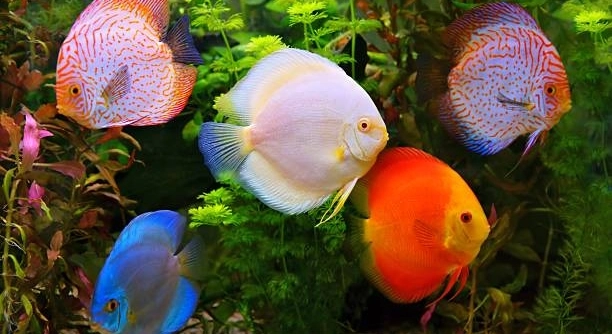
Discus fish are known for their bright colors and graceful swimming. Many people find them beautiful and want to keep them in home aquariums. They can be a popular choice for fish lovers of all ages.
Discus fish require specific water conditions, regular care, and a stable environment, which can make them challenging for children to manage successfully. Their sensitivity to changes in water quality means they are generally not ideal for kids’ aquariums without adult supervision.
Learning about the needs of discus fish can help families decide if they fit well into a child’s aquarium setup. Understanding care requirements is important before adding these fish to a home tank.
Caring for Discus Fish: What Makes Them Different
Discus fish are often called the “king of aquarium fish” because of their unique shape and bright colors. Unlike many common fish, discus need very clean water, a stable temperature, and low stress to stay healthy. Their water should be warm, usually between 82°F and 86°F, and slightly acidic with a pH around 6.0 to 7.0. They are sensitive to sudden changes, so regular water tests and maintenance are important. Feeding discus fish can be a bit tricky, too. They need a varied diet including high-quality flakes, pellets, and frozen or live foods like bloodworms. Unlike hardier fish, discus do not tolerate overcrowding well, so the tank should not be packed with too many fish. These needs mean discus require a more careful approach, which can be challenging for younger kids without help. But with the right attention, discus can thrive and show their true beauty.
Their special care needs make discus a fish better suited for experienced aquarists or families with adult guidance.
Understanding these unique requirements is important when deciding if discus fish are the right choice for a home aquarium with kids. The following sections will explain how to manage their care effectively and safely.
Setting Up a Discus Aquarium for Kids
A discus tank needs to be larger than most typical fish tanks, often 50 gallons or more. This allows enough space to keep water stable and gives the fish room to swim comfortably.
Keeping the water clean is key. Frequent water changes are required, sometimes 25-50% weekly. A good filter helps but must not create strong currents, as discus prefer calm water. The tank should have gentle lighting and plenty of hiding places made from plants or decorations. Avoid sudden noises or vibrations near the tank, as discus are shy and can become stressed easily. Families with children should supervise feeding and tank cleaning to make sure these tasks are done carefully. Keeping discus healthy means paying attention to details and creating a peaceful environment.
Why Discus Fish Might Be Challenging for Kids
Discus fish can be sensitive to poor water quality, and even small mistakes may cause illness. They need consistent care and patience, which may be difficult for young children to provide on their own. The tank must be tested regularly for ammonia, nitrites, and nitrates, which are harmful at high levels. Maintaining a stable temperature is also critical, as sudden drops or rises can lead to stress and disease. Feeding requires variety and attention to avoid overfeeding or poor nutrition. Because of their delicate nature, discus fish do not bounce back easily from mistakes, which can be frustrating for kids learning to care for fish. Adult involvement is important to guide them through the process. However, if the family is ready to commit to the extra work, discus can become a rewarding pet that teaches responsibility and care.
Common Health Issues in Discus Fish
Discus fish are prone to certain health problems, especially when water conditions are not ideal. They can easily get bacterial infections, parasites, or fungal diseases if their environment is not well maintained. Monitoring their behavior and appearance helps catch problems early.
Stress is a major factor in discus health. Poor water quality, sudden temperature changes, or overcrowding can weaken their immune system. Signs of illness include loss of color, clamped fins, and reduced appetite. Treating these issues quickly with proper medication and improved tank care is essential to prevent serious harm. Regular water testing and tank cleaning help reduce health risks. Knowing common health problems prepares owners to respond properly and keep discus healthy.
Proper nutrition also supports their immune system. Feeding a balanced diet with vitamins and minerals helps discus fight off infections. Avoiding overfeeding reduces waste buildup in the tank, which can cause sickness.
Benefits of Keeping Discus Fish for Kids
Discus fish offer a chance to learn about responsibility and patience. Their care teaches kids how to maintain a clean environment and observe changes in living creatures carefully. Watching discus grow and interact can be very rewarding.
Caring for discus encourages children to develop routines, like feeding on time and checking water quality regularly. These habits build a sense of commitment. Additionally, discus tanks create a calm, peaceful atmosphere that many find relaxing. This experience helps kids understand the importance of balance in nature and respect for living things. While discus require more effort, the lessons they provide can be valuable beyond just aquarium care.
Choosing Tank Mates for Discus Fish
Discus fish prefer calm and peaceful tank mates. Aggressive or very active fish can stress them out and affect their health. Suitable companions include tetras, corydoras, and some dwarf cichlids that share similar water needs and gentle behavior.
It’s important to avoid overcrowding the tank. Too many fish can cause poor water quality and stress discus. Choosing compatible species helps keep the tank environment stable and peaceful for everyone.
Feeding Tips for Young Discus
Feeding discus requires consistency and variety. They need high-quality flakes, pellets, and frozen foods like bloodworms or brine shrimp. Feeding small amounts multiple times a day works best to prevent leftover food from polluting the water.
Tank Maintenance for Healthy Discus
Regular water changes and filter cleaning are key to keeping discus healthy. A weekly 25-50% water change removes waste and keeps water parameters stable. Using a water conditioner helps remove chlorine and harmful chemicals. Clean filters gently to avoid killing beneficial bacteria.
FAQ
Are discus fish easy to care for in a kid’s aquarium?
Discus fish are not the easiest fish to care for, especially in a kid’s aquarium. They need very clean water, stable temperatures, and specific pH levels to stay healthy. These requirements mean daily or weekly tank maintenance, which might be hard for kids to handle alone. Adult supervision and help are highly recommended to keep discus fish healthy.
What size tank is best for discus fish?
A tank of at least 50 gallons is ideal for discus fish. They need plenty of space to swim and stable water conditions, which are easier to maintain in a larger tank. Smaller tanks tend to have quicker changes in water quality, which can stress discus fish and cause health problems.
How often should I change the water in a discus tank?
Water changes are very important for discus fish. It’s best to change 25-50% of the water weekly. This keeps ammonia, nitrite, and nitrate levels low and reduces waste buildup. Regular water changes also help maintain stable water temperature and pH, which discus need to thrive.
Can kids feed discus fish on their own?
Feeding discus fish requires some care, as they need a varied diet and small amounts multiple times a day. Kids can help feed them but should be supervised to avoid overfeeding or feeding the wrong food. Overfeeding can pollute the tank and harm the fish.
What are the common signs of illness in discus fish?
Common signs of illness include faded colors, clamped fins, slow swimming, loss of appetite, and white spots or patches on their bodies. If any of these signs appear, it’s important to check water quality and consider treatment. Early action can prevent serious problems.
Are discus fish aggressive toward other fish?
Discus fish are generally peaceful and prefer calm tank mates. However, they can become shy or stressed if housed with aggressive or very active fish. Choosing gentle species with similar water needs helps keep discus calm and healthy.
Is it expensive to keep discus fish?
Keeping discus fish can be more costly than other common aquarium fish. They require a large tank, high-quality food, regular water testing, and sometimes medication. The cost of maintaining stable water conditions and a proper diet adds up, so it’s important to be prepared.
How long do discus fish live?
With proper care, discus fish can live between 10 to 15 years. Good water quality, a balanced diet, and a peaceful environment help them reach this lifespan. Neglect or poor tank conditions shorten their life significantly.
Can discus fish be kept with other types of cichlids?
Some cichlids can live with discus, but it depends on the species. Peaceful dwarf cichlids like ram cichlids often do well together, but larger or aggressive cichlids may cause stress or harm. Always research compatibility before adding new fish.
What is the best way to introduce discus fish to a new tank?
When adding discus to a new tank, it’s important to acclimate them slowly. Float the bag in the tank to equalize temperature, then gradually mix tank water into the bag over 30 to 60 minutes. This helps reduce shock and stress. Always monitor them closely during the first days.
Discus fish are beautiful and unique pets that can bring a special charm to any aquarium. Their bright colors and graceful movements make them a favorite among many fish keepers. However, they require more care than most common aquarium fish. This means that they need a carefully maintained environment with stable water temperature, clean water, and a proper diet. Because of these needs, discus fish are not always the best choice for a child’s first aquarium without adult help. The responsibility of keeping water conditions stable and feeding the fish correctly can be challenging, especially for younger children.
It is important to understand that discus fish need more attention and care compared to hardier species. They can become stressed easily if the water quality changes suddenly or if they are kept with aggressive tank mates. Maintaining their environment means regular water testing, weekly water changes, and gentle tank cleaning. These tasks may be difficult for kids to manage by themselves, but with guidance and involvement from adults, they can learn a lot about fish care and responsibility. For families willing to commit the time and effort, discus fish can be a rewarding pet, teaching patience and attention to detail.
Overall, discus fish offer a great experience but come with challenges. They are best suited for aquariums where someone is ready to invest time and care into maintaining their needs. For kids interested in keeping fish, discus can be a wonderful learning opportunity with proper support. Understanding the care requirements and being prepared to meet them is key. This helps ensure discus fish stay healthy and happy, allowing them to shine as a colorful part of the home aquarium.

Hello,
If you enjoy the content that we create, please consider saying a "Thank You!" by leaving a tip.
Every little bit helps us continue crafting quality advice that supports the health, happiness, and well-being of pets around the world, for pets of all shapes, sizes, and species.
We really appreciate the kindness and support that you show us!