
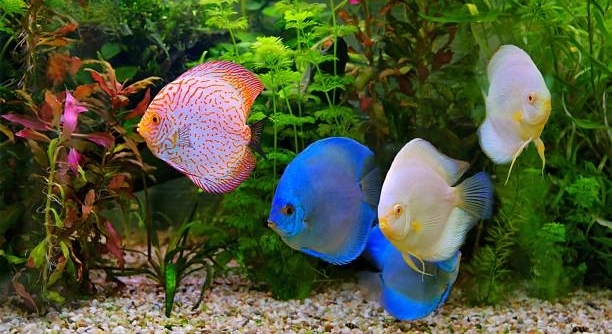
Are your discus fish acting differently lately, especially when their tank lights switch on or off at certain times of the day? Light plays a bigger role in their behavior and health than many new aquarists might expect.
Discus fish are sensitive to light schedules due to their natural circadian rhythms. Irregular lighting can affect their stress levels, eating habits, and overall health. Consistent light patterns help them maintain balanced biological functions and reduce unnecessary stress.
Understanding how light impacts their environment can help you create a healthier and more stable routine for your discus fish.
How Light Schedules Affect Discus Fish
Discus fish are naturally adapted to a consistent day-night cycle. In the wild, they follow the sun’s rise and fall, which regulates their feeding, movement, and rest patterns. In an aquarium, artificial lighting takes the place of sunlight, making it important to mimic those natural cycles as closely as possible. Sudden changes in light can startle them, increasing their stress levels and potentially weakening their immune system. Over time, irregular light exposure may lead to behavioral issues, such as hiding more often, eating less, or swimming erratically. A stable light schedule helps maintain their sense of routine, which is essential for their health. When lights turn on and off at consistent times, discus fish tend to become more relaxed and active during the day. A well-timed light routine can also improve their appetite, support digestion, and even enhance their coloration by keeping them in optimal condition.
Discus fish do not respond well to unpredictable lighting patterns, especially when kept in smaller tanks with frequent human activity.
To create a consistent schedule, use a timer to keep light cycles predictable. Aim for 10 to 12 hours of light each day, followed by darkness to allow proper rest. Avoid placing tanks near windows to prevent inconsistent natural lighting.
Signs Your Discus Fish Are Stressed by Light
Changes in behavior like hiding more often, swimming away quickly, or refusing food can signal that your discus fish are stressed by poor lighting.
Stress caused by inconsistent light exposure may not seem obvious right away, but it builds up over time. One of the first things many owners notice is that their discus start spending more time in shaded corners of the tank or staying close to the bottom. This behavior often points to discomfort with the lighting conditions. They might also become less social or display duller colors. If lighting is too intense or changes too suddenly, discus fish may panic, especially during night-to-day transitions. In some cases, they even develop weakened immune systems and are more likely to catch common aquarium illnesses. A stable lighting routine gives them the structure they need to feel safe and thrive. It also helps you spot unusual behavior early, as any sudden shift becomes more noticeable when everything else in their environment is consistent.
Adjusting Light Schedules for Healthier Behavior
Discus fish prefer consistency. If your current light setup is too bright or unpredictable, gradually shift it to a stable schedule. Avoid abrupt changes that may trigger stress or panic in your fish.
Use a programmable timer to manage the lights automatically each day. This helps prevent human error or inconsistent routines. Set the lights to turn on and off at the same times daily—ideally, 10 to 12 hours of light followed by complete darkness. Avoid placing tanks near windows, as natural light can interfere with your intended lighting cycle. If the lighting feels too strong, consider using dimmable lights or adding floating plants to soften the brightness. Gentle, low-intensity lighting is often more suitable for discus tanks, especially during early mornings and evenings.
Gradual transitions also help. Consider using ramp-up or ramp-down features on LED lights to simulate sunrise and sunset. This keeps your discus calm and supports their natural rhythm.
Common Mistakes to Avoid
Keeping the lights on for too long, even with good intentions, can leave discus fish overstimulated. Overexposure often disrupts their sleep cycle, which leads to signs of stress or weakened immunity over time.
Another mistake is placing the tank in high-traffic areas with inconsistent lighting or motion. Sudden shadows or on-and-off lighting patterns can frighten your fish repeatedly. Some owners unintentionally change light times too often or switch light types without giving the fish time to adjust. Using lighting that’s too intense or too close to the tank surface can also lead to anxiety. Always aim for a balance—bright enough to see your fish clearly, but not so harsh that they feel exposed. Keeping the environment calm and predictable is one of the simplest ways to support their health and comfort in the long term. Small, thoughtful adjustments often make a big difference in how your discus respond to their surroundings.
How Lighting Affects Feeding and Activity
Discus fish rely on predictable light to know when to feed. If the lights turn on too suddenly or irregularly, they may feel startled and ignore food, even if they’re hungry.
A stable light schedule helps encourage natural activity patterns. Fish become more active during the day and rest at night without confusion.
Best Lighting Practices for Discus Tanks
Use full-spectrum LED lights that mimic daylight without being too intense. These lights support natural behavior and help display the fish’s true colors. Set your lighting to run for 10–12 hours daily, using a timer to keep the schedule steady. Avoid placing lights too close to the water surface. Dim the brightness slightly during the first and last hour of the cycle to avoid stress from sudden light changes. If possible, use fixtures with gradual on/off features to simulate a more natural sunrise and sunset effect. This helps the fish wake and settle more calmly.
Lighting and Tank Mates
Tank mates benefit from stable lighting too. Sudden changes can cause stress in other species and disrupt peaceful coexistence in shared tanks.
FAQ
Can discus fish sleep with the lights on?
No, discus fish need darkness to rest properly. Keeping the lights on all night disrupts their natural sleep cycle. Like most fish, discus rely on darkness to signal rest time. Constant light causes stress, weakens their immune system, and leads to behavioral problems over time. It’s important to give them 10 to 12 hours of light, followed by at least 12 hours of complete darkness. If the room has ambient light at night, consider using a tank cover or moving the tank to a quieter, darker area for proper rest.
Is natural sunlight enough for discus fish?
Natural sunlight can help, but it’s not always reliable or consistent. Tanks placed near windows may get uneven light throughout the day. This inconsistency can lead to confusion in your discus’ routine. Direct sunlight also increases the risk of overheating and algae buildup. It’s safer to use artificial lighting that mimics daylight but remains consistent in timing and intensity. If your tank does receive some natural light, balance it with controlled artificial lighting and avoid placing tanks where sudden light changes can startle your fish.
Do discus fish need special aquarium lights?
Discus fish don’t require special lighting, but full-spectrum LED lights are often the best choice. These lights are gentle, mimic natural daylight, and help show off the vibrant colors of discus fish. More importantly, they create a stable environment without flickering or harsh brightness. Avoid high-intensity lights used for reef tanks, as those are too strong and stressful for discus. Some LED lights come with features that allow gradual brightness adjustments, which helps simulate sunrise and sunset. This keeps the fish calm and supports a healthy daily routine.
How do I know if the light is too bright?
If your discus fish hide frequently, stay near the bottom, or avoid open areas, the light might be too strong. Bright lights can cause them to feel exposed or anxious. Try dimming the light slightly or using floating plants to diffuse it. You can also observe their color—faded colors and pale patterns may signal stress. If your tank has strong overhead lights, consider adjusting the distance between the light and the water or using a dimmer if available. Watch their behavior closely after changes to see if they respond positively.
Can I use a night light in the tank?
It’s best to avoid using a night light. Discus fish need total darkness to rest properly. A soft glow might seem calming, but it can confuse their biological clock and affect sleep patterns. If you want to check on your tank at night, use a flashlight briefly and avoid shining it directly into the water. If your room has ambient light from outside sources, consider placing a cover on the tank or positioning it in a more controlled lighting area. The key is allowing uninterrupted periods of darkness.
Is it okay to change the light schedule often?
No, frequent changes to the light schedule can cause stress. Discus fish rely on predictability to feel secure. Changing light times disrupts feeding, rest, and overall behavior. Stick to one schedule and use a timer to keep it consistent. If you must adjust the schedule, make changes gradually—no more than 15 to 30 minutes at a time over a few days. Sudden changes confuse the fish and may lead to hiding, loss of appetite, or erratic swimming. Stability helps them adapt better and stay healthier in the long run.
What happens if the light timer fails?
If your timer stops working, try to manually switch the lights on and off at the usual times until it’s replaced. A few days of inconsistency may not cause long-term harm, but prolonged irregularity could stress your fish. Consider keeping a backup timer or choosing a timer with a battery feature. If you’re away frequently, smart timers that can be controlled from your phone are helpful for maintaining consistency. Preventing long-term lighting issues is important for discus health and peace of mind.
Final Thoughts
Discus fish are beautiful but sensitive creatures. Their health and behavior depend on many small factors, and lighting is one of the most important. A steady, predictable light schedule helps keep them calm, encourages natural activity, and supports healthy sleep. When light exposure is too long, too short, or too inconsistent, discus fish may become stressed, hide more often, or stop eating. These signs are easy to miss at first, but they often point to discomfort. Small changes in lighting can bring big improvements to their overall well-being. Creating the right light environment helps your fish feel safe and comfortable in their tank every day.
It’s helpful to think of lighting as part of the daily routine your discus rely on. Just like feeding and water changes, light control should be done with care and consistency. Tools like timers, dimmable LED fixtures, and adjustable settings can make this task easier. Aim for 10 to 12 hours of light each day, followed by a full period of darkness. Sudden changes should be avoided, and any adjustments should be made slowly. Soft light transitions, such as sunrise and sunset effects, can reduce stress and make your discus feel more at ease. The goal is to mimic the natural light rhythm they would experience in the wild, even in a controlled tank setting.
A calm and stable environment benefits all fish in the tank, not just the discus. When lighting is well-balanced, tank mates stay relaxed, water conditions are easier to manage, and your fish behave more naturally. Good lighting also brings out the best colors in your discus, making the tank more enjoyable to observe. Maintaining proper light schedules may feel like a small task, but it plays a big role in keeping your discus healthy over time. With a few tools and some careful planning, you can create a consistent light routine that supports their needs without adding stress to your own routine. A stable environment builds trust between your fish and their surroundings, which is key to long-term success in discus care.

Hello,
If you enjoy the content that we create, please consider saying a "Thank You!" by leaving a tip.
Every little bit helps us continue crafting quality advice that supports the health, happiness, and well-being of pets around the world, for pets of all shapes, sizes, and species.
We really appreciate the kindness and support that you show us!