
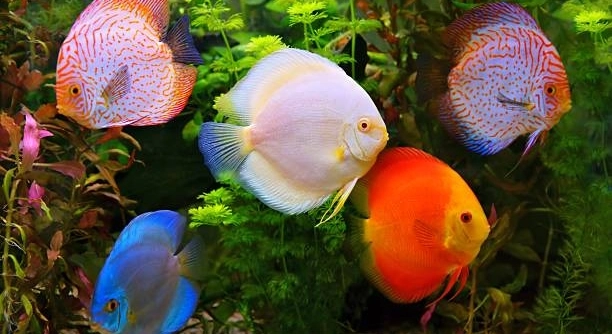
Do you ever find yourself wondering if two of your favorite fish can live peacefully in the same tank?
Discus and neon tetras can be compatible tank mates, but success depends on specific conditions like water parameters, tank size, and temperament. Proper care and monitoring are necessary to maintain a healthy environment for both species.
Learning what makes these fish compatible can help you create a calm and thriving community tank that meets their unique needs.
Key Differences Between Discus and Neon Tetras
Discus and neon tetras are very different when it comes to their natural behavior and care needs. Discus are larger, more sensitive fish that prefer warmer temperatures, usually around 82–86°F. Neon tetras, on the other hand, are much smaller and do best in slightly cooler water, around 72–78°F. This difference in temperature can create issues when keeping them together. Discus also require cleaner water with very stable conditions, while neon tetras can be a little more forgiving. Another key point is their behavior. Discus can be shy and may get stressed if they feel crowded, while neon tetras are active schooling fish that move quickly and can startle slower species. Their diets and feeding habits are different too, so it’s important to plan meals carefully to make sure both species get what they need. These differences matter when creating a healthy shared tank.
Their size difference also plays a role. Discus grow much larger and may accidentally see neon tetras as food.
Despite these differences, keeping both in the same tank can work if the tank is large enough, the temperature is adjusted to suit discus, and the tetras are introduced carefully in a calm group. Monitoring their behavior helps avoid problems.
Tips for Keeping Them Together
Always start with a large tank and plenty of hiding spaces. A calm setup can ease stress for both fish.
When planning a shared tank, temperature is the most important detail to consider. Since discus require warmer water, you’ll need to raise the tank temperature to their preferred range and watch the tetras closely. Although neon tetras typically prefer cooler water, many can slowly adjust to higher temperatures over time, especially if they are healthy and come from a reliable source. Introduce neon tetras in groups of at least six to reduce stress and encourage schooling. Feed both species with care, using slow-sinking pellets for discus and small flakes or micro-pellets for the tetras. Try to feed in different parts of the tank to make sure both groups are eating. Keep water clean and stable through regular water changes and gentle filtration. Avoid sudden changes in temperature or water chemistry, as both species are sensitive. With good planning and care, it’s possible to keep them in the same aquarium.
Things to Watch Out For
Neon tetras may struggle with the higher temperatures that discus prefer. While some adjust, others may become more prone to illness or have shorter lifespans. It’s important to keep a close eye on their health.
Discus can become territorial, especially during feeding or breeding times. If they feel stressed or crowded, they may chase or nip at smaller tank mates like neon tetras. To avoid this, make sure the tank is large, with plenty of space for swimming and hiding. Dense plants or decorations can give tetras safe areas to rest away from the discus. Also, avoid adding too many fish at once. A calm and balanced setup will reduce stress. Keeping a close eye on interactions during the first few weeks helps you spot any issues early.
Watch for signs of stress, like faded color or clamped fins in your tetras. These signs often mean something is off with the water conditions or tank dynamics. Test the water regularly to keep ammonia and nitrate levels low. A peaceful environment matters too—loud noises or frequent tank changes can upset both species. If you notice the discus showing signs of aggression or the tetras hiding constantly, you may need to make changes to the tank layout or reduce the number of tank mates. It’s all about keeping both species comfortable.
Ideal Tank Setup
A calm, well-planted tank helps both discus and neon tetras feel secure. Use soft lighting, gentle filtration, and a heater that can keep water consistently warm around 83°F.
Choose a tank that’s at least 55 gallons, but bigger is better when keeping these two species together. Discus need space to swim freely, while neon tetras thrive in a group and prefer to school in the mid to upper levels of the tank. Adding tall plants, driftwood, and a few hiding spots along the bottom gives both species the comfort they need. Keep the filter gentle to avoid strong currents, and clean the tank regularly to maintain stable water conditions. Test pH weekly and aim for a neutral range of 6.5–7.0. When everything is stable and calm, both fish can live peacefully, and you’ll notice more natural behaviors from both species.
Feeding Both Fish Properly
Discus prefer slower-sinking foods like pellets, frozen bloodworms, or beef heart mixes. They often take their time eating, so make sure their food reaches them before it’s eaten by faster fish.
Neon tetras eat small flakes, micro-pellets, or crushed freeze-dried food. Feed in small portions to avoid waste.
Best Times to Add Neon Tetras
If you already have adult discus, it’s best to add neon tetras after the tank has stabilized and the discus have settled in. This helps avoid stress and gives you time to adjust the tank to meet discus needs first. Always quarantine new fish before adding them to the main tank. Choose larger, healthy tetras that are more likely to adjust to the warmer water. Introduce them slowly and in groups to reduce stress and help them form a proper school. Keep the tank quiet for the first few days to let them adapt.
Final Tip for Success
Stick to a consistent routine with feeding, cleaning, and water testing. Stable conditions will help both species feel safe and thrive.
FAQ
Can discus and neon tetras live together peacefully?
Yes, discus and neon tetras can live together peacefully if the tank conditions are right. Discus need warmer water, so the tank temperature should be kept around 82–86°F. Neon tetras can adapt to this temperature, but they may be a bit more sensitive. A large tank with plenty of hiding spots helps reduce stress. Introducing neon tetras in groups also encourages peaceful schooling behavior.
What tank size is needed for discus and neon tetras?
A tank of at least 55 gallons is recommended. Discus are large fish that need space to swim comfortably. Neon tetras are small schooling fish that do best in groups of six or more. The extra space helps prevent territorial disputes and gives neon tetras places to hide from the discus when needed.
What water parameters do these fish need?
Discus prefer soft, slightly acidic water with a pH between 6.0 and 7.0. Neon tetras also like soft, slightly acidic water but can tolerate a pH up to 7.0. The water temperature should be kept stable between 82 and 86°F. Regular water changes are important to keep ammonia and nitrates low. Both species are sensitive to sudden changes in water chemistry.
How often should I feed discus and neon tetras?
Feed discus two to three times a day with slow-sinking pellets, frozen bloodworms, or beef heart mixes. Neon tetras eat small flakes or micro-pellets, which should be given once or twice a day in small amounts. Avoid overfeeding either species, as leftover food can affect water quality.
What are signs of stress in discus and neon tetras?
Discus may show stress by hiding more often, losing color, or clamping their fins. Neon tetras might stop schooling, fade in color, or show erratic swimming. Stress can be caused by poor water quality, incorrect temperature, or aggressive tank mates. Address these issues quickly to prevent illness.
Can discus eat neon tetras?
While discus generally do not see neon tetras as food if the tank is large and well-planted, very small or slow tetras might be at risk, especially if the discus are hungry or stressed. Keeping neon tetras in groups and providing enough food helps lower this risk.
How do I introduce neon tetras to a tank with discus?
Add neon tetras after the discus have settled in the tank. Introduce the tetras slowly, in groups of at least six, to encourage schooling. Monitor their behavior closely for the first few days. Make sure the tank is quiet and stable during this time to reduce stress.
What plants work best in a discus and neon tetra tank?
Soft-leaved plants like Amazon swords, Java ferns, and Anubias are good choices. These plants provide hiding places without sharp edges that might hurt the fish. Floating plants can help soften lighting and create shaded areas, which discus prefer. Plants also improve water quality and provide natural shelter for neon tetras.
How do I maintain water quality in a mixed tank?
Regular water changes, about 20-30% weekly, help keep ammonia and nitrate levels low. Use a gentle filter to avoid strong currents. Test water parameters often and keep temperature stable. Avoid overfeeding and remove any uneaten food promptly. Clean tank decorations and substrate regularly to prevent buildup of waste.
Can I keep other fish with discus and neon tetras?
Yes, but choose peaceful species that can tolerate warm water. Good options include Corydoras catfish, some dwarf cichlids, and certain types of tetras. Avoid aggressive or very active fish that may stress the discus. Research any new species carefully before adding them to the tank.
Keeping discus and neon tetras together in the same tank can work well if you pay close attention to their needs. Both species have different requirements, especially when it comes to water temperature and tank size. Discus prefer warmer water and need a calm, stable environment. Neon tetras are smaller and usually prefer cooler water, but many can adjust to warmer temperatures if introduced carefully. The key is to create a balanced habitat that meets the needs of both fish. This means choosing a large enough tank, keeping water clean and stable, and providing plenty of hiding spots to reduce stress.
Feeding both species properly is also important for their health and happiness. Discus tend to eat slower and need food that sinks so they can feed comfortably without competition. Neon tetras eat smaller flakes or micro-pellets and usually feed at different levels in the tank. Feeding in different areas helps make sure both groups get enough food without fighting. Watching their behavior during feeding times can help you spot any problems early. If you notice discus chasing tetras or one species looking weak, it may be time to adjust feeding routines or tank conditions.
Overall, keeping discus and neon tetras together takes some effort and patience, but it can be rewarding. When conditions are right, you’ll see a peaceful, colorful community where both species show natural behavior. Regular monitoring of water quality, tank temperature, and fish behavior is necessary to keep the environment healthy. Small changes like adding more plants or adjusting feeding schedules can make a big difference. If you enjoy caring for both species, creating a shared tank can be a satisfying experience that adds beauty and life to your home.

Hello,
If you enjoy the content that we create, please consider saying a "Thank You!" by leaving a tip.
Every little bit helps us continue crafting quality advice that supports the health, happiness, and well-being of pets around the world, for pets of all shapes, sizes, and species.
We really appreciate the kindness and support that you show us!