
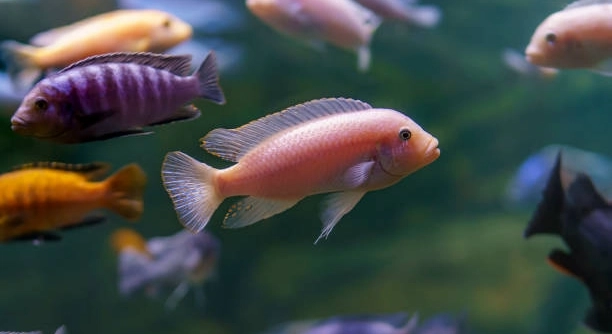
Convict cichlids are lively freshwater fish often kept in home aquariums. Many fish owners enjoy observing their behavior but may notice that lighting seems to affect their activity and mood throughout the day.
Convict cichlids are sensitive to light, reacting noticeably to both intensity and duration. Proper lighting conditions help regulate their natural behavior, feeding patterns, and stress levels, ensuring a stable and healthy environment in an aquarium setting.
Learning how light impacts these fish can improve their well-being and make your aquarium a more balanced and enjoyable space.
How Light Affects Convict Cichlid Behavior
Convict cichlids respond strongly to changes in light. Bright lighting can make them more active, often swimming around their tank and showing territorial behaviors. Conversely, dim or inconsistent light may stress them, causing hiding, reduced feeding, or lethargy. Observing their reactions helps you understand what suits them best. Tank decorations, plants, and shaded areas can balance light exposure, giving these fish comfortable spots to retreat when needed. A steady light schedule mimics natural day-night cycles, promoting normal behavior and reducing stress. Overly strong light for extended periods can lead to aggression or anxiety. Using timers or adjustable lights makes it easier to control intensity and duration. While convict cichlids are resilient, their health and comfort improve when lighting is carefully managed. Simple changes in light positioning or intensity can significantly enhance the aquarium’s environment, making it more natural and supportive for these vibrant fish.
Maintaining proper lighting helps keep cichlids active, healthy, and less prone to stress-related problems in the aquarium.
Providing consistent light allows convict cichlids to follow natural rhythms. Feeding patterns, breeding behaviors, and social interactions all improve with stable light schedules. Watching how they react to subtle changes in illumination can guide adjustments, ensuring they thrive. Natural daylight simulations or timed LED lighting are effective methods. Shaded corners or floating plants can give them a break from bright exposure, which is especially helpful during peak daylight hours. Monitoring behavior regularly allows you to prevent long-term stress or aggression between tank mates. Balanced lighting supports both physical health and mental well-being, contributing to a calmer, more harmonious aquarium environment. Even minor changes, like reducing sudden glare from overhead lights, can make a big difference in comfort. By observing and adjusting, you create an environment where convict cichlids can display natural behaviors confidently, enhancing both their health and your enjoyment of the tank.
Ideal Light Conditions for Convict Cichlids
Moderate lighting is best, replicating natural daylight without overwhelming the tank. Consistency is key to avoiding stress.
A proper light cycle for convict cichlids should provide about 10 to 12 hours of light daily. Using a timer ensures regularity, which helps maintain feeding and activity patterns. Light intensity should not be harsh; adjustable LEDs or fluorescent lights work well, allowing control over brightness levels. Providing areas of shade with plants or decorations gives them options to escape intense light. Too much brightness can trigger hiding, aggression, or abnormal behavior, while too little can reduce activity and dull colors. Observing their responses helps fine-tune conditions to their needs. Consider gradual transitions in the morning and evening to mimic sunrise and sunset, which can reduce stress from sudden light changes. Combining stable timing, moderate intensity, and shaded zones creates a balanced environment that supports natural behavior and overall health. Proper attention to light can enhance breeding, feeding, and social interactions in the aquarium.
Signs of Light Stress in Convict Cichlids
Stress from light often shows as hiding, reduced activity, or unusual aggression. Fish may lose appetite, swim erratically, or avoid open areas. Observing these behaviors early allows adjustments before long-term health issues develop.
Prolonged exposure to bright or inconsistent lighting can cause convict cichlids to display nervous or defensive behavior. They may pace along tank edges, retreat behind rocks, or become unusually aggressive toward tank mates. Color changes, such as dulling of their stripes, can also indicate stress. Monitoring their feeding patterns is important, as stressed fish may eat less or ignore food entirely. Adjusting light intensity and providing shaded zones helps reduce stress and restores normal behavior over time.
Behavioral changes due to light stress can also affect breeding. Cichlids may abandon nests or stop spawning when exposed to overly bright conditions. Providing stable, moderate lighting with options for retreat helps maintain both social balance and reproductive activity. Plants, caves, or other shaded areas act as refuges, allowing them to control their exposure naturally. Sudden lighting changes, such as turning on lights abruptly in the morning, can amplify stress, so gradual transitions are recommended. Tracking their behavior consistently allows for timely corrections, ensuring convict cichlids remain healthy and active in the tank.
Adjusting Your Aquarium Lighting
Proper placement of lights prevents glare and uneven exposure. Positioning lights at the tank’s top with even coverage reduces stress and promotes natural movement.
Using timers and dimmable lighting provides control over duration and intensity. Gradual changes, like simulating sunrise or sunset, help fish adjust without shock. Shaded areas with plants or decorations allow retreat from direct light. Observing reactions after adjustments ensures conditions are optimal. Avoid bright lights for long periods, especially in smaller tanks.
Experimenting with light positioning can improve cichlids’ comfort and reduce aggressive tendencies. LED lights with adjustable intensity allow fine-tuning based on tank size and decoration layout. Floating plants or rock formations create natural shade, giving fish options to regulate exposure themselves. Monitoring fish behavior over days shows whether changes are effective, and minor tweaks can prevent long-term stress. Consistent light cycles improve feeding, activity, and breeding, creating a balanced environment. Maintaining flexibility and observation ensures the aquarium remains suitable for all tank inhabitants while supporting convict cichlids’ health and natural rhythms.
Recommended Light Duration
Convict cichlids thrive under a light cycle of about 10 to 12 hours daily. Consistent timing helps regulate their activity, feeding, and natural behaviors. Using a timer ensures they receive steady light without sudden changes.
Providing too little light can reduce activity and dull coloration. Excessive light may cause hiding or aggression. Maintaining balance is key for their health and well-being.
Choosing the Right Light Type
LED and fluorescent lights are ideal for convict cichlids. They provide sufficient brightness without overheating the tank. Adjustable options allow control over intensity to suit tank size and décor. Proper light color can enhance their natural colors and make the tank visually appealing.
Using Natural Light
Natural sunlight can supplement aquarium lighting but should never directly hit the tank. Direct sun can overheat water and promote algae growth. Indirect daylight is safest and helps maintain a balanced environment.
FAQ
How much light do convict cichlids need each day?
Convict cichlids do best with about 10 to 12 hours of light daily. This mimics their natural day-night cycle and keeps their behavior and feeding patterns regular. Using a timer ensures consistency, preventing sudden changes that may stress them.
Can too much light harm convict cichlids?
Yes, prolonged exposure to bright light can stress these fish. Signs include hiding, aggression, or reduced feeding. Providing shaded areas and adjusting light intensity helps prevent these issues. Balanced lighting supports normal activity and social interactions without causing anxiety.
Is dim lighting better for shy cichlids?
Dim lighting can make shy convict cichlids feel safer and more comfortable. It encourages them to explore without stress. Combining dim areas with moderate light zones allows them to choose their preferred environment, supporting natural behavior.
Can natural sunlight be used for my aquarium?
Indirect sunlight can supplement aquarium lighting, but direct sunlight is risky. It can overheat the water, encourage algae growth, and create uneven lighting. Using blinds or placing the tank away from windows can prevent these problems while still benefiting from natural light.
Do convict cichlids need shaded areas?
Yes, shaded areas are important for stress reduction. Rocks, plants, or decorations provide refuge from bright light. These zones help fish feel secure and give them control over their environment, reducing aggression and encouraging natural behaviors.
What type of artificial light is best?
LED or fluorescent lights are recommended. They provide bright, energy-efficient illumination without overheating the tank. Adjustable intensity options let you tailor light levels to tank size and decoration layout, ensuring cichlids are comfortable and colors appear natural.
Should lighting change during breeding?
Moderate, stable lighting is best during breeding. Sudden changes can disturb spawning behavior. Providing areas of shade and maintaining a consistent light cycle helps pairs remain calm, supports nest guarding, and encourages normal reproductive activity.
How do I know if the light is too strong?
Signs include frequent hiding, swimming along tank edges, or increased aggression. Color dulling or reduced appetite may also indicate excessive light. Adjusting intensity or adding shaded spots usually resolves these issues. Observation is key for making proper adjustments.
Does light affect feeding behavior?
Yes, light influences when and how actively convict cichlids feed. Bright or inconsistent lighting can reduce appetite, while moderate, consistent light encourages regular feeding patterns and proper digestion. Timers help maintain a predictable schedule.
Can lighting impact social behavior?
Absolutely. Proper light levels reduce stress and aggression between tank mates. Overly bright or irregular light can trigger fights or territorial disputes. Balanced lighting with shaded zones promotes calm interactions and natural social structures.
What is the best way to transition lighting?
Gradual changes in light, simulating sunrise and sunset, help cichlids adjust smoothly. Sudden turning on or off of lights can startle fish, increase stress, and disrupt daily routines. Timers or dimmable lights make these transitions simple.
How often should I check light effects?
Daily observation is recommended. Watch for changes in activity, hiding, feeding, and coloration. Regular monitoring allows early detection of stress, helping you adjust light conditions before serious problems develop.
Does light affect coloration?
Yes, proper lighting enhances natural colors, making stripes and patterns more visible. Too little or overly intense light can dull colors or cause uneven shading. Balanced light contributes to healthier and more visually vibrant fish.
Can lighting impact lifespan?
Indirectly, yes. Consistent, moderate lighting reduces stress, encourages regular feeding, and supports normal behavior, all of which contribute to overall health and longevity. Extreme or irregular lighting may compromise well-being and shorten lifespan.
Is it necessary to use a timer?
Using a timer is highly recommended. It ensures consistent light cycles, prevents sudden changes, and supports natural rhythms. Consistent timing helps convict cichlids remain active, reduces stress, and encourages normal social and reproductive behaviors.
How do plants affect light in the aquarium?
Plants provide natural shade and help diffuse light, creating zones of varying brightness. They reduce glare, prevent stress, and allow fish to regulate their exposure naturally. Dense or floating plants offer additional protection from overly bright conditions.
Can lighting influence aggression?
Yes, overly bright or inconsistent lighting can increase territorial behavior. Proper, moderate light with shaded retreats reduces conflicts and promotes calmer interactions. Observing fish behavior helps identify when adjustments are needed.
Do convict cichlids react to sudden light changes?
Sudden changes can startle fish, causing rapid swimming, hiding, or aggression. Gradual adjustments, using timers or dimmers, prevent shock and maintain a stable, stress-free environment for natural behavior.
Is aquarium size a factor in lighting?
Yes, larger tanks may require more evenly distributed light to reach all areas. Smaller tanks may need dimmer settings to prevent stress. Tank size and décor should guide light placement and intensity for balanced exposure.
Can I use colored lights for aesthetics?
Colored lights can enhance tank appearance but should be used cautiously. Strong or shifting colors may confuse or stress fish. Moderate white or daylight-spectrum lighting is safest for maintaining natural behavior and comfort.
What is the easiest way to test light intensity?
Observe behavior and use a light meter if available. Frequent hiding, dull colors, or reduced activity indicate too much light. Adjust placement, brightness, or provide shaded areas until fish behave normally and appear comfortable.
How important is consistency over type of light?
Consistency in timing and duration is often more critical than the exact type of light. Regular cycles help maintain feeding, activity, and social patterns, even if the light source varies between LED or fluorescent.
Do juvenile cichlids react differently to light?
Yes, young cichlids are more sensitive to intense or sudden light. Shaded zones and moderate intensity help them feel secure and promote healthy growth and normal development. Gradual transitions are essential for juveniles.
Can light affect health indirectly?
Improper lighting can increase stress, reduce feeding, and encourage disease susceptibility. Balanced light supports immune function, activity levels, and overall health, helping convict cichlids thrive in captivity.
Is morning light different from evening light in impact?
Fish respond to changes in light intensity. Gradual morning increases mimic sunrise and encourage natural activity, while evening dimming signals rest. Abrupt changes at either time may stress fish or disrupt routines.
Do all tank mates react the same to light?
No, different species have varying sensitivities. Convict cichlids may tolerate moderate brightness, while other fish prefer dimmer areas. Observing interactions and adjusting lighting zones helps maintain harmony in mixed-species tanks.
Can lighting affect water temperature?
High-intensity lights can raise water temperature, especially in small tanks. LEDs and fluorescent lights emit minimal heat, but monitoring temperature ensures safe conditions for convict cichlids. Shading and water circulation help maintain stability.
Are there signs that lighting is optimal?
Active swimming, regular feeding, vibrant coloration, and normal social behavior indicate suitable lighting. Fish exploring shaded and open areas freely suggests balance, meaning the light supports their natural patterns.
How long does it take to see results after adjusting light?
Behavioral changes often appear within a few days. Stress reduction, increased activity, and improved feeding indicate successful adjustments. Continuous observation ensures the environment remains appropriate for long-term well-being.
Is it okay to occasionally leave lights off longer?
Occasional extra darkness is usually fine if infrequent. Regular, consistent cycles are more important than one-off changes. Avoid frequent disruptions, as unpredictability can stress fish and affect feeding or breeding behaviors.
Can lighting influence breeding success?
Yes, stable, moderate lighting supports nesting and spawning. Fish feel secure under consistent conditions, which encourages normal courtship and parental care. Shaded retreats and gradual light transitions enhance reproductive success.
Do aquarium decorations affect light distribution?
Decorations create natural shaded zones and diffuse light. Rocks, caves, and plants help control brightness and provide refuge. Thoughtful placement ensures convict cichlids can regulate their exposure and reduces stress-related behaviors.
Can lighting affect algae growth?
Yes, strong or prolonged lighting can promote algae. Using moderate intensity, consistent timing, and shaded areas helps limit growth. Proper maintenance, including cleaning and plant coverage, keeps algae under control without harming fish.
Is it necessary to adjust light in winter or summer?
Adjusting duration may help match seasonal daylight changes, especially if using natural sunlight. Consistency remains important, but minor seasonal tweaks can better mimic natural cycles and maintain normal behavior.
How do I combine natural and artificial light?
Use indirect sunlight for warmth and daylight simulation, supplemented by timers and artificial lights. Ensure no direct sunlight hits the tank to prevent overheating or algae. Balance both sources for stable, healthy conditions.
Can light affect mood or activity levels?
Yes, balanced lighting encourages exploration, social interaction, and normal feeding. Poor or inconsistent light can lead to lethargy, hiding, or heightened aggression. Observing fish responses guides proper adjustment to support natural activity.
Should lighting differ for breeding pairs versus groups?
Stable, moderate light works for both situations. Breeding pairs benefit from shaded retreats to protect nests, while groups need zones for social balance. Adjustable lighting and gradual transitions help maintain harmony in all tank setups.
How often should I reassess light setup?
Reassess every few weeks or after changes in tank décor, size, or fish behavior. Continuous observation ensures conditions remain optimal and supports health, activity, and reproduction of convict cichlids.
Is light intensity more important than duration?
Both are important, but duration consistency often outweighs intensity. Moderate light, applied consistently with shaded zones, creates a stable environment, reduces stress, and supports normal behavior better than intensity alone.
What mistakes should be avoided with lighting?
Avoid sudden changes, excessive brightness, direct sunlight, and irregular cycles. Not providing shaded areas or ignoring behavioral signs can stress fish. Consistent, moderate, and well-distributed light promotes comfort, natural activity, and overall health.
Can lighting affect feeding schedules indirectly?
Yes, predictable light cycles encourage regular feeding behavior. Fish learn when food is likely available. Irregular lighting may reduce appetite or disrupt digestion, affecting growth and health. Timers help maintain a stable routine.
Does light color matter for convict cichlids?
Neutral or daylight-spectrum lighting is best. Colored lights for aesthetics are acceptable in moderation but should not dominate, as strong color shifts may confuse fish or affect behavior. Natural-looking light supports comfort and normal activity.
Can lighting adjustments improve aggressive behavior?
Yes, reducing intensity or adding shaded zones often calms overly aggressive fish. Balanced light helps maintain social hierarchy and reduces stress-driven conflicts, especially in smaller tanks or crowded conditions.
Is observation the best way to monitor light effects?
Yes, daily observation of behavior, feeding, and coloration is the most reliable method. Fish behavior quickly reflects environmental changes, allowing timely adjustments to maintain a healthy, stress-free environment.
Do juvenile and adult cichlids need the same light intensity?
Juveniles are more sensitive and may require slightly dimmer, gradual lighting. Adults tolerate moderate intensity better but still benefit from shaded areas and gradual transitions for comfort and natural behavior.
Can lighting affect aggression in mixed-species tanks?
Yes, uneven or harsh lighting can increase territorial disputes. Providing moderate, evenly distributed light with shaded zones helps all species feel secure, reducing aggression and promoting calmer interactions in community tanks.
How important is light consistency compared to water quality?
Water quality is critical for health, but light consistency directly affects behavior, stress, and feeding. Both must be maintained together to support thriving convict cichlids in a balanced aquarium.
Are timers better than manual control?
Yes, timers ensure precise, consistent cycles without human error. Manual adjustments risk sudden changes, which may stress fish and disrupt feeding, social, and breeding patterns.
Can lighting impact overall tank aesthetics?
Yes, proper lighting enhances colors, highlights decorations, and makes fish more vibrant. While aesthetics are secondary to fish health, balanced lighting improves both appearance and environment.
Is it safe to leave lights on overnight occasionally?
Occasional extended lighting may not cause harm, but consistent overnight exposure disrupts natural rhythms. Regular, predictable cycles are more important for behavior, stress levels, and overall health.
Can light levels affect breeding timing?
Yes, consistent light helps signal suitable conditions for spawning. Sudden changes may delay or disrupt breeding, while gradual, moderate lighting supports natural reproductive cycles.
How do I balance plant and fish needs with light?
Plants require light for growth, while fish need moderate, comfortable intensity. Using adjustable lights, shaded areas, and careful observation allows both to thrive without causing stress or excessive algae growth.
Does water clarity affect light exposure?
Yes, clear water allows light to reach all areas evenly. Murky water may reduce light penetration, affecting behavior and plant growth. Regular maintenance keeps water clarity optimal for balanced light distribution.
Can lighting influence territorial behavior?
Yes, overly bright or uneven lighting can trigger territorial aggression. Balanced light with shaded retreats helps reduce conflicts and maintain calm social interactions among convict cichlids.
Is it necessary to adjust lighting with tank size changes?
Yes, larger or smaller tanks may need different light placement or intensity to ensure even coverage and prevent stress. Observing fish response guides proper adjustments.
Can lighting affect coloration during stress?
Yes, stress from excessive or inconsistent light can dull stripes and reduce vibrancy. Balanced, moderate lighting helps maintain natural colors and indicates overall well-being.
Do convict cichlids need a “night mode”?
Yes, periods of darkness allow rest and reduce stress. Complete darkness overnight simulates natural conditions, supporting normal daily rhythms and overall health.
How quickly should I adjust light if fish show stress?
Gradual adjustments over hours or days are safest. Sudden changes can worsen stress. Observe behavior continuously and tweak intensity or duration incrementally for optimal comfort.
Can lighting affect water temperature indirectly?
Yes, strong or close lights may warm water slightly. Monitor temperature, especially in small tanks, to avoid stressing fish. LEDs emit minimal heat, making them safer than older, high-heat options.
Does light intensity affect hiding behavior?
Yes, overly bright light encourages hiding and reduces exploration. Providing shaded areas and moderate intensity lets fish feel secure while maintaining normal activity.
Can inconsistent lighting shorten lifespan?
Indirectly, yes. Chronic stress from irregular or excessive light can weaken immune function, reduce feeding efficiency, and increase disease risk, all of which may shorten lifespan.
Is observing social interactions a good way to judge light quality?
Yes, calm interactions, minimal aggression, and balanced territory use indicate proper lighting. Changes in these behaviors often reflect stress from inappropriate intensity or inconsistent cycles.
Can light influence algae growth indirectly?
Yes, excessive light encourages algae, which can reduce water quality and compete with plants. Moderate intensity, consistent duration, and shaded areas help control algae naturally.
Do juvenile fish need shaded retreats more than adults?
Yes, younger fish are more sensitive to light and stress. Shaded areas provide safety, encourage exploration, and support healthy growth and development.
Is it necessary to adjust lighting for seasonal changes?
Minor seasonal adjustments may help replicate natural light cycles, but consistency is more important. Gradual changes maintain normal behavior, feeding, and reproductive patterns.
Can lighting adjustments reduce aggression in breeding pairs?
Yes, moderate intensity and shaded zones reduce stress and encourage calmer interactions during nesting, improving the likelihood of successful spawning.
Do cichlids prefer top or bottom lighting?
Even overhead lighting with shaded zones works best. Fish respond to balanced exposure, and providing areas to escape direct light allows them to regulate comfort naturally.
How do I test if the light is comfortable?
Observe activity, feeding, hiding, coloration, and social behavior. Normal, confident movements and regular feeding indicate proper light levels. Adjust gradually if fish appear stressed or lethargic.
Are timers enough to ensure proper lighting?
Timers help maintain duration and consistency but should be paired with observation and intensity adjustments to match tank size, décor, and fish behavior.
Can light affect fish mood during feeding?
Yes, consistent light supports predictable feeding behavior, while sudden or uneven light may reduce appetite or create stress, impacting growth and health.
Is artificial light sufficient without sunlight?
Yes, quality LEDs or fluorescent lights with correct intensity and timing can fully support convict cichlids and plants, making sunlight optional.
Do all cichlids react the same to light?
No, different species have varying sensitivities. Observing behavior individually ensures each species receives appropriate intensity, duration, and shaded options.
Can light influence spawning frequency?
Yes, consistent moderate lighting creates a stable environment, encouraging regular reproductive cycles. Sudden changes may delay or disrupt spawning behavior.
How often should light bulbs be replaced?
Replace bulbs according to manufacturer guidelines, usually every 6 to 12 months. Over time, brightness diminishes, affecting fish behavior, coloration, and plant growth.
Does lighting affect territorial dominance?
Yes, poor lighting can increase stress-related aggression, while balanced intensity and shaded retreats promote calm social hierarchies and reduce conflicts in the tank.
Can lighting adjustments improve color vibrancy?
Moderate, consistent lighting enhances natural coloration. Too bright or dim light can dull stripes or alter patterns. Observing fish helps fine-tune settings for optimal vibrancy.
Is it okay to use decorative colored lighting occasionally?
Yes, in moderation, as long as the primary light remains consistent. Strong or fluctuating colors should not dominate, as this can stress fish and disrupt natural behavior.
Can lighting impact plant growth in a convict cichlid tank?
Yes, sufficient light supports photosynthesis. Balancing plant needs with fish comfort ensures both thrive, while shaded zones prevent stress and reduce algae growth.
Do convict cichlids need total darkness at night?
Yes, a period of darkness allows rest, mimicking natural conditions and supporting healthy daily rhythms, feeding, and overall well-being.
How do I balance light for juveniles and adults together?
Provide moderate intensity with shaded zones, allowing juveniles to retreat while adults explore comfortably. Gradual transitions help all ages adjust without stress.
Can lighting affect activity levels in the morning versus evening?
Yes, gradual morning light encourages normal waking and feeding, while evening dimming signals rest. Sudden changes may startle or stress fish.
Do decorations change how light affects fish?
Yes, rocks, caves, and plants create shaded zones, diffusing light and giving fish control over exposure, which reduces stress and encourages natural behavior.
Is it okay to adjust lighting temporarily for maintenance?
Yes, but keep changes short and gradual. Prolonged or frequent disruptions can stress fish, affecting behavior, feeding, and social interactions.
Can lighting indirectly influence water quality?
Yes, excessive light
Final Thoughts
Managing light in a convict cichlid tank is more important than many fish owners realize. These fish are sensitive to both the intensity and duration of light, and it can influence almost every aspect of their daily life. Proper lighting supports normal behavior, feeding patterns, and social interactions. Too much brightness can stress them, leading to hiding, aggression, or reduced appetite. On the other hand, insufficient light may cause inactivity or dull coloration. By observing your cichlids and adjusting light levels carefully, you create an environment where they can feel safe and comfortable. Simple tools like timers, dimmable LEDs, and shaded areas make it easier to maintain the right balance without constant manual intervention. Consistency is key.
Shaded zones and decorations are not just for looks—they give convict cichlids a sense of control over their environment. They can retreat when they feel exposed or stressed, which helps reduce aggression and supports normal social behavior. Plants, rocks, and caves are particularly helpful because they break up light and provide natural hiding spots. Gradual transitions in light, mimicking sunrise and sunset, are also beneficial. Sudden changes can startle fish, while slow adjustments allow them to adapt comfortably. This kind of thoughtful setup does more than reduce stress; it encourages activity, natural exploration, and even successful breeding. Balanced lighting benefits both their physical health and mental well-being, making them more vibrant and responsive in the aquarium.
Paying attention to light also has long-term advantages. Stable and moderate lighting helps maintain proper feeding schedules, supports coloration, and can indirectly reduce algae growth by preventing overly intense exposure. Monitoring behavior is the best way to know if adjustments are needed. Active swimming, regular feeding, and normal social interactions are signs that the lighting is appropriate. If you notice hiding, dull colors, or unusual aggression, small changes to intensity, duration, or shaded areas can make a significant difference. With a bit of planning and observation, you can create a balanced environment that keeps your convict cichlids healthy, active, and stress-free, making your aquarium a more enjoyable and visually appealing space.

Hello,
If you enjoy the content that we create, please consider saying a "Thank You!" by leaving a tip.
Every little bit helps us continue crafting quality advice that supports the health, happiness, and well-being of pets around the world, for pets of all shapes, sizes, and species.
We really appreciate the kindness and support that you show us!