
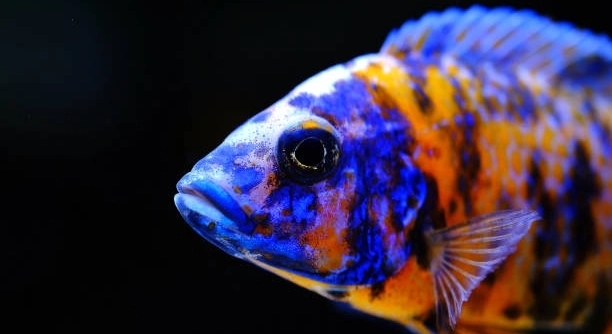
Convict cichlids are lively freshwater fish known for their striking patterns and active behavior. Many aquarists enjoy their presence, but keeping them healthy requires understanding their needs and the potential challenges they may face in a tank environment.
Convict cichlids are generally hardy and resistant to most diseases when provided proper care. Poor water quality, overfeeding, and stress can increase susceptibility, but maintaining a clean tank with balanced nutrition significantly reduces the likelihood of illness.
Learning how to prevent common health problems is essential for sustaining vibrant, long-living convict cichlids in a home aquarium.
Common Health Issues in Convict Cichlids
Convict cichlids are hardy fish, but they are not completely immune to health problems. The most frequent issues stem from poor water conditions, improper diet, or overcrowding. Ich, also called white spot disease, is a common parasite infection, showing as small white spots on the fish’s body and fins. Fin rot can occur when water quality is low or when fish become stressed. This bacterial infection causes fins to fray and decay over time. Another problem is internal parasites, which may result in weight loss or abnormal swimming patterns. Stress from aggression or inadequate hiding spaces can weaken the immune system, making them more vulnerable to illness. Regular observation, cleaning, and monitoring water parameters like pH, ammonia, and nitrite levels help prevent these problems. Feeding a varied, high-quality diet also supports overall health, ensuring fish remain active and resilient against potential infections or complications in their environment.
Maintaining proper tank conditions is the easiest way to prevent most health problems in convict cichlids.
Preventive care should focus on stability and cleanliness. Avoid sudden water changes, overcrowding, and fluctuating temperatures, as these stress the fish. Providing hiding spots reduces tension, while a balanced diet keeps them strong. Observation is key; noticing subtle changes in behavior can indicate early illness.
Signs Your Convict Cichlid May Be Sick
Red flags of illness include loss of appetite, unusual swimming, lethargy, or faded coloration. Physical changes like clamped fins, visible spots, or swelling also signal health concerns. Early detection allows prompt treatment and improves recovery chances.
When a convict cichlid shows signs of illness, immediate action can prevent further complications. Testing water parameters is the first step, ensuring ammonia, nitrite, and nitrate levels are safe. Quarantining affected fish helps avoid spreading infections to others in the tank. Depending on the condition, treatments may involve medicated foods, water additives, or antibiotics for bacterial infections. Parasite issues like ich respond well to temperature adjustments and specialized treatments, while internal parasites often require dietary medication. Providing a stress-free environment during recovery is critical, including hiding spaces and minimal handling. Maintaining consistent water conditions and continuing preventive care after recovery ensures long-term health. Regular monitoring of tank conditions and behavior is essential to keep convict cichlids thriving without recurring issues, allowing them to display their natural activity and vibrant colors over time.
Preventing Disease in Convict Cichlids
Maintaining clean water is essential. Regular tank maintenance, including partial water changes and filter checks, reduces harmful bacteria. Avoid overcrowding, provide hiding spaces, and monitor water temperature. A balanced diet and limited overfeeding help keep their immune systems strong and resilient against potential health issues.
Proper water quality is the most important factor in preventing illness. Regular testing of ammonia, nitrite, nitrate, and pH levels ensures conditions remain stable. Overcrowding increases stress, which lowers immunity and makes fish more susceptible to disease. Providing a varied diet with high-quality pellets, occasional live or frozen food, and supplements strengthens their defenses. Observing behavior daily allows early detection of any health changes, making preventive measures more effective and reducing the need for medication.
Stress management plays a key role in disease prevention. Aggressive tank mates, lack of hiding spots, or sudden changes in temperature can weaken convict cichlids. Keeping a calm environment with proper spacing reduces aggression and minimizes risk. Avoiding rapid water changes or mixing new fish without quarantine also limits disease spread. Even hardy fish can fall ill if their surroundings are inconsistent. By combining cleanliness, careful feeding, and attention to tank dynamics, most health problems can be avoided, keeping convict cichlids active and vibrant for years.
Common Treatments for Sick Convict Cichlids
Isolating sick fish helps prevent disease from spreading. Medicated food, water treatments, and temperature adjustments are often necessary. Quick response to symptoms improves recovery chances and reduces the likelihood of long-term health issues.
The type of treatment depends on the illness. Ich requires raising water temperature gradually and using antiparasitic medication. Bacterial infections like fin rot benefit from antibiotics in food or water, along with improved water quality. Internal parasites often need medicated food for several days to fully eradicate the infection. Consistency and monitoring during treatment are crucial, as incomplete treatment can lead to relapse. Providing stress-free conditions during recovery, including minimal handling and a stable environment, supports the immune system. Recovery can take days to weeks, depending on the severity, but attentive care ensures a higher chance of full health restoration.
Quarantine Practices
Quarantining new fish before adding them to the main tank helps prevent disease outbreaks. A separate tank allows observation for signs of illness and ensures infections do not spread to healthy convict cichlids. This practice is especially important for imported or rescued fish.
Even experienced aquarists benefit from quarantine. It provides time to treat potential parasites or bacterial infections without affecting established tank mates. A two- to four-week period is usually sufficient to identify hidden illnesses. Quarantine also allows gradual acclimation to water conditions, reducing stress and supporting overall health for a smooth transition into the main tank.
Choosing the Right Tank Environment
Proper tank setup is essential for convict cichlid health. Ensure adequate space to reduce stress, with hiding spots and decorations to break lines of sight. Stable water temperature, pH balance, and regular filtration contribute to disease prevention. Avoid overcrowding, as it increases aggression and vulnerability. Maintaining clean substrate and performing consistent water changes also supports immunity, while monitoring water chemistry prevents common infections.
Monitoring Behavior
Observing convict cichlids daily helps detect early signs of illness. Changes in appetite, swimming patterns, or color indicate potential health issues.
FAQ
How often should I check the water quality for convict cichlids?
Water quality should be checked at least once a week. Test ammonia, nitrite, nitrate, and pH levels to ensure they remain within safe ranges. Consistent monitoring helps prevent stress and disease, keeping the fish active and healthy.
Can convict cichlids get sick from overfeeding?
Yes, overfeeding can lead to poor water quality and obesity, which stress the fish. Uneaten food decomposes and produces harmful toxins like ammonia, increasing the risk of bacterial or parasitic infections. Feed measured portions and remove leftover food promptly.
What are the signs of ich in convict cichlids?
Ich, or white spot disease, shows as tiny white spots on the body and fins. Fish may scratch against surfaces, swim erratically, or appear lethargic. Early detection is crucial, as treatment is most effective when the parasite is in its early stages.
How can I prevent fin rot?
Fin rot often occurs due to poor water quality or stress. Maintain a clean tank with stable water parameters, avoid overcrowding, and minimize aggressive interactions. If signs appear, isolate the affected fish and treat with antibacterial medication while improving tank conditions.
Do diet changes affect convict cichlid immunity?
Yes, a varied diet strengthens the immune system. High-quality pellets, frozen or live foods, and occasional vegetable supplements provide necessary nutrients. A proper diet reduces susceptibility to common infections and supports overall energy and activity levels.
Is it necessary to quarantine new fish?
Quarantine is highly recommended. A two- to four-week period allows observation for hidden infections or parasites. Treating any issues in isolation protects established tank inhabitants and reduces stress in the main tank, supporting overall health.
How do I know if my cichlid has internal parasites?
Internal parasites often cause weight loss, decreased appetite, unusual swimming, or stringy feces. Affected fish may appear lethargic or thin despite eating. Medicated food and proper quarantine are typically required to eliminate these parasites safely.
Can stress cause disease in convict cichlids?
Stress weakens the immune system and increases vulnerability to infections. Causes include overcrowding, aggressive tank mates, poor water conditions, and frequent handling. Minimizing stress with hiding spaces, proper spacing, and stable conditions helps prevent illness and supports recovery.
Are there natural ways to boost immunity?
Providing a balanced diet and clean environment naturally supports immunity. Occasional live or frozen foods offer nutrients that enhance health. Stable water parameters and minimizing stress are equally important. Regular observation ensures early intervention if signs of disease appear.
What is the recovery time for sick convict cichlids?
Recovery depends on the illness and severity. Mild infections can improve within days with proper care, while severe bacterial or parasitic infections may take weeks. Maintaining clean water, appropriate medication, and a stress-free environment accelerates healing and reduces relapse risk.
Can tank mates affect convict cichlid health?
Yes, aggressive or incompatible tank mates can cause stress and injuries, leading to infection. Choose species that coexist peacefully, provide sufficient space, and include hiding areas to reduce aggression and support overall well-being.
How often should I clean the tank to prevent disease?
Partial water changes of 20–30% weekly are recommended. Clean substrate, remove uneaten food, and maintain filters regularly. Proper maintenance reduces toxins, prevents bacterial growth, and supports the fish’s immune system, keeping them healthy long-term.
Are convict cichlids prone to specific diseases more than others?
They are generally hardy but more susceptible to stress-related issues like fin rot, ich, and internal parasites. Maintaining stable water conditions, proper nutrition, and a low-stress environment minimizes the risk of these common illnesses.
Can temperature fluctuations make my cichlids sick?
Yes, sudden temperature changes weaken the immune system and trigger stress. Keep water within the species’ recommended range, avoid rapid adjustments, and use a reliable heater or thermometer to maintain consistency for optimal health.
Should I treat the entire tank if one fish is sick?
Not always. Isolate the sick fish in a quarantine tank if possible. Treating the whole tank is only necessary for highly contagious diseases like ich or external parasites. This prevents exposure to healthy fish while allowing focused treatment.
How do I know if my treatments are working?
Monitor behavior, appetite, and physical appearance. Improvement in swimming, eating, and coloration indicates recovery. Lack of change or worsening symptoms may require adjusting medication, water conditions, or consulting a specialist for proper diagnosis.
Are juvenile convict cichlids more vulnerable to disease?
Yes, young fish have less developed immune systems and are more sensitive to stress and poor water conditions. Extra care with water quality, nutrition, and tank environment is essential to ensure healthy growth and reduce disease risk.
Can stress from breeding cause illness?
Breeding increases territorial behavior, which may lead to aggression and injury. Stress weakens immunity, making fish more prone to infections. Provide extra hiding spaces and monitor interactions closely to reduce risk during breeding periods.
Is it safe to use natural remedies for infections?
Some natural remedies, like salt baths or herbal treatments, can help mild infections. However, effectiveness varies, and severe bacterial or parasitic infections often require veterinary-grade medication. Always research and monitor fish closely when using alternative treatments.
How important is observation in preventing disease?
Daily observation is crucial. Noticing subtle changes in behavior, color, or appetite allows early intervention. Preventive care, combined with careful monitoring, keeps convict cichlids healthy and reduces the likelihood of serious illness in the tank environment.
What should I do if multiple fish get sick simultaneously?
Check water quality immediately and isolate affected fish if possible. Test for parasites or bacterial infections, adjust treatments accordingly, and reduce stressors. Rapid response prevents further spread and increases the chances of recovery for all fish involved.
How do I balance treatment and feeding?
Continue feeding a nutritious, manageable diet while administering medication. Overfeeding can worsen water quality, while underfeeding may weaken immunity. Medicated food should replace regular meals as directed to ensure proper dosage and recovery.
Can stress from handling make recovery slower?
Yes, frequent handling increases stress and delays healing. Minimize disturbances, provide a calm environment, and allow fish to recover in a stable tank or quarantine setup for faster recovery.
Is long-term tank maintenance essential after treatment?
Yes, maintaining clean water, proper nutrition, and stable conditions prevents relapse. Regular monitoring, partial water changes, and careful observation ensure long-term health and minimize future disease risks for convict cichlids.
How do I prevent recurrence of common diseases?
Consistency in water quality, diet, and environment is key. Avoid overcrowding, quarantine new fish, and provide hiding spaces. Early detection and intervention help stop small issues before they become serious, keeping convict cichlids healthy over time.
What is the best way to introduce new fish safely?
Quarantine new fish for two to four weeks, observe for illness, and acclimate them slowly to the main tank’s water conditions. Introduce them gradually to prevent stress and reduce the risk of disease transmission.
Are there signs of stress before disease appears?
Yes, signs include hiding, erratic swimming, loss of appetite, or faded color. Identifying stress early allows corrective measures before illness develops, such as improving water quality, spacing, and providing hiding areas.
How important is tank size for disease prevention?
Adequate space reduces stress and aggression, lowering disease risk. Overcrowded tanks increase competition for resources, stress, and susceptibility to infections. Provide sufficient room for swimming, hiding, and territory establishment to support healthy fish.
Can water hardness or pH impact convict cichlid health?
Yes, convict cichlids prefer stable, moderately hard water with a slightly alkaline pH. Sudden changes can cause stress, weaken immunity, and make them more susceptible to disease. Monitor and maintain consistent parameters for optimal health.
How do I know if a fish is beyond recovery?
Severe lethargy, prolonged loss of appetite, extreme weight loss, or widespread physical damage may indicate the fish cannot recover. In such cases, humane decisions are necessary to prevent prolonged suffering and protect the rest of the tank.
Can tank decorations affect health?
Sharp or rough decorations can injure fins, creating entry points for infections. Smooth, safe decor reduces injury risk, provides hiding spaces, and supports a low-stress environment, promoting overall health and disease prevention.
How often should I rotate or clean decorations?
Clean decorations during routine maintenance without disrupting fish too much. Avoid harsh chemicals, and rinse thoroughly. Periodic rotation or repositioning can reduce territorial aggression and keep the environment stimulating while maintaining cleanliness.
Are convicts more prone to certain parasites in specific climates?
Warmer water can increase parasite reproduction, making tropical setups more susceptible to infestations like ich. Monitoring temperature, water quality, and early signs of stress or disease helps manage risk regardless of climate.
Is medicated food safe for long-term use?
Medicated food is intended for short-term use only to treat specific infections. Long-term use can disrupt digestion and natural gut flora. Return to a balanced diet once treatment is complete to maintain health and immunity.
Can tank mates transmit disease to convict cichlids?
Yes, infected fish can spread parasites or bacteria. Quarantining new or sick fish, maintaining clean water, and monitoring behavior help prevent transmission and protect the entire tank population.
How do I adjust care for juvenile vs. adult fish?
Juveniles need gentler water conditions, stable temperature, and carefully measured food. Adults tolerate slight variations better but still require clean water, balanced nutrition, and space to reduce stress. Tailoring care improves survival and disease resistance for all ages.
Can seasonal changes affect health?
Temperature fluctuations during seasonal shifts can stress fish. Maintaining stable tank conditions with heaters, thermometers, and monitoring prevents stress-induced illness and keeps convict cichlids healthy year-round.
Are there signs of improvement during treatment?
Active swimming, normal appetite, restored coloration, and fin regrowth indicate positive response. Monitor daily and continue care until full recovery is evident to avoid relapse or complications.
How do I handle contagious infections safely?
Use quarantine tanks for sick fish, disinfect nets and tools, and avoid sharing equipment between tanks. Proper hygiene and separation reduce the risk of spreading disease and support successful treatment outcomes.
What role does oxygenation play in disease prevention?
Adequate oxygen levels reduce stress and support metabolic and immune function. Use properly sized filters, aeration devices, and maintain clean water to ensure convict cichlids remain healthy and less prone to infection.
Can overstocking hide early signs of disease?
Yes, crowded tanks make observing individual behavior difficult. Subtle changes in swimming, color, or appetite may go unnoticed, delaying treatment. Adequate spacing allows better monitoring and early intervention.
Is it normal for cichlids to lose color when stressed?
Yes, faded coloration often signals stress or illness. Identifying and addressing stressors such as poor water quality, aggression, or sudden changes helps restore vibrant colors and overall health.
How long should treatment continue for common illnesses?
Treatment duration depends on the condition. Parasite treatments may last days, bacterial infections weeks. Follow medication instructions, monitor fish daily, and maintain stable water conditions to ensure complete recovery.
Can poor nutrition alone cause disease?
Yes, inadequate or monotonous diets weaken the immune system, increasing susceptibility to infections. Providing high-quality pellets, occasional live or frozen food, and vegetable supplements supports health and reduces the risk of illness.
How can I safely medicate multiple fish in a community tank?
Assess disease type first. Use quarantine tanks if possible. If treating the main tank, carefully follow dosage instructions, monitor all fish closely, and maintain optimal water quality to prevent additional stress during treatment.
Is it possible for a disease to return after treatment?
Yes, incomplete treatment, poor water quality, or continued stress can cause relapse. Maintaining proper tank conditions, nutrition, and monitoring behavior reduces the likelihood of recurring health issues.
What preventive steps ensure long-term health?
Regular water testing, partial changes, proper diet, hiding spaces, and monitoring behavior are key. Quarantine new fish and avoid overcrowding. Consistency in care prevents illness and keeps convict cichlids active, colorful, and resilient over time.
How do I choose medication for my cichlid?
Identify the disease accurately first. Select medications suitable for the specific infection type, following dosage and duration guidelines. Incorrect medication can worsen the condition or stress the fish unnecessarily. Always research and monitor during treatment.
Are tank temperature swings dangerous during treatment?
Yes, inconsistent temperature can reduce medication effectiveness and stress fish. Maintain stable temperatures appropriate for convict cichlids to support recovery and enhance the immune response during treatment.
What is the best approach for chronic diseases?
Chronic conditions require long-term management, including consistent water quality, nutrition, and observation. Some issues may need repeated treatments or environmental adjustments. Minimizing stress and providing a stable, clean habitat improves quality of life for affected fish.
Can changing water too often harm convict cichlids?
Sudden or frequent water changes can shock fish and stress them, weakening immunity. Use gradual, consistent partial changes to maintain clean water without causing abrupt environmental shifts.
How important is hiding space for disease prevention?
Hiding areas reduce stress, territorial disputes, and aggression, which lowers the risk of injury and infection. Decorations, caves, or plants provide safe retreats and support overall mental and physical health of convict cichlids.
Do medications affect water chemistry?
Some medications can alter pH, ammonia, or nitrate levels. Monitor water closely during treatment and perform partial changes if necessary to maintain safe conditions, ensuring medication effectiveness and fish health.
How do I avoid accidental overdosing?
Carefully measure medication according to instructions and consider tank volume. Avoid repeated dosing or guessing amounts, as overdosing can harm fish, disrupt water chemistry, and reduce treatment effectiveness.
Are some cichlids more resistant than others?
Individual health, genetics, and prior exposure affect resistance. Well-cared-for convict cichlids with strong immune systems are generally more resilient, while stressed or poorly nourished fish are more vulnerable to disease.
Can lighting affect health?
Proper lighting supports natural behavior and reduces stress. Avoid excessive or inconsistent lighting, as it can disrupt sleep patterns, increase aggression, or encourage algae overgrowth, which indirectly affects water quality and fish health.
Should I treat for multiple diseases simultaneously?
Only if clearly necessary and safe. Treating multiple illnesses at once increases stress and may require careful monitoring. Whenever possible, address the most urgent condition first while supporting overall water quality and immunity.
How do I prevent disease during breeding?
Provide extra space, hiding spots, and stable water conditions. Minimize aggression by separating pairs if needed. Proper diet supports immunity, and careful monitoring reduces stress-related illnesses during breeding periods.
Are store-bought fish more likely to carry disease?
Newly purchased fish may carry parasites or bacteria. Quarantining, observation, and acclimation help detect and treat hidden illnesses before introducing them to the main tank.
Can tank location affect health?
Yes, tanks in drafty areas, direct sunlight, or near fluctuating temperatures can stress fish. Place tanks in stable, controlled environments to reduce stress and disease susceptibility.
How do I know if water treatments are necessary?
Regular testing indicates chemical imbalances or toxins. If ammonia, nitrite, nitrate, or pH levels are unsafe, treatments such as dechlorinators or buffers are required. Consistent monitoring ensures interventions are applied only when needed.
Can stress from noise or vibrations cause disease?
Yes, frequent loud noises, tapping, or vibrations can stress convict cichlids, weakening immunity and increasing susceptibility to infections. A calm, stable environment supports health and recovery.
How often should I observe fish behavior?
Daily observation is ideal. Noting appetite, swimming, social interactions, and coloration helps detect early signs of illness, enabling timely intervention and preventive measures.
Can improper filtration lead to disease?
Yes, insufficient or clogged filters reduce water quality, increasing harmful bacteria and toxins. Proper filtration ensures a healthy environment and supports immune function, preventing common infections.
What is the most common mistake leading to illness?
Neglecting water quality, overfeeding, and overcrowding are frequent causes. Consistent maintenance, careful feeding, and attention to tank dynamics prevent stress and disease in convict cichlids.
How do I balance multiple preventive measures?
Combine clean water, proper diet, hiding spaces, quarantine, and regular observation. Consistency and attention to detail create a low-stress, healthy environment, reducing the likelihood of illness while supporting long-term vitality.
Is it normal for recovered fish to show temporary stress signs?
Yes, slight color fading, reduced activity, or appetite changes can occur post-treatment. With stable conditions, proper nutrition, and minimal disturbance, these signs usually resolve quickly.
Are there long-term effects of repeated illness?
Frequent disease episodes can weaken immunity, slow growth, and reduce lifespan. Consistent preventive care, observation, and rapid treatment help minimize long-term consequences and support ongoing health.
How do I maintain optimal health year-round?
Regular monitoring, stable water parameters, balanced diet, adequate space, and low-stress conditions are key. Quarantine new fish, address minor issues promptly, and maintain consistent maintenance routines to ensure convict cichlids thrive consistently.
Can neglecting small behavioral changes lead to serious illness?
Yes, ignoring minor signs like reduced appetite or subtle color changes can allow disease to progress. Early attention prevents severe complications and supports faster recovery.
Is it safe to mix medications?
Mixing medications can be risky. Some chemicals interact, reducing effectiveness or harming fish. Always research compatibility or treat separately while monitoring water quality.
Do juvenile and adult fish require different treatments?
Yes, juveniles are more sensitive to medication and environmental changes. Adjust doses and monitor closely, while adults tolerate treatments better but still require careful observation.
Can seasonal algae growth affect health?
Excessive algae can reduce oxygen, compete for nutrients, and hide signs of illness. Regular cleaning and proper lighting maintain balance, supporting fish health.
Is stress from handling worse than illness?
Handling stress weakens immunity and may delay recovery. Minimize contact, use gentle methods when necessary, and focus on stable, low-stress environments to support healing.
Can tank water become a source of recurring infection?
Yes, residual bacteria or parasites can persist in filters or substrate. Regular maintenance, proper cleaning, and careful monitoring prevent recurring infections and maintain long-term health.
What is the safest way to treat bacterial infections?
Use antibiotics as directed, maintain clean water, isolate affected fish if possible, and monitor closely. Combine treatment with stress reduction and proper nutrition to ensure recovery.
Are there any preventive supplements recommended?
Occasional vitamin-enriched
Final Thoughts
Convict cichlids are generally hardy fish, but their health depends largely on the care they receive. Maintaining stable water conditions, proper nutrition, and a stress-free environment are essential. Regular monitoring of water parameters like ammonia, nitrite, nitrate, and pH helps prevent common issues before they become serious. Providing adequate space, hiding spots, and suitable tank mates also reduces stress and supports natural behaviors. Even small changes, such as fluctuating temperature or overcrowding, can weaken immunity and make these fish more susceptible to disease. By focusing on consistent maintenance and careful observation, most common illnesses can be avoided, allowing convict cichlids to thrive in home aquariums for many years.
Diet plays a key role in overall health and disease prevention. Feeding high-quality pellets, supplemented with live or frozen foods, ensures that fish receive the necessary nutrients to maintain strong immune systems. Overfeeding should be avoided, as uneaten food decomposes and contaminates the water, creating conditions favorable for parasites and bacteria. Stress from poor diet or aggressive tank mates can also make them more prone to infections. Observation is crucial; changes in behavior, appetite, or color often indicate early signs of illness. Acting promptly when such signs appear can prevent minor issues from turning into serious health problems. Consistent care combined with attention to diet creates a strong foundation for the fish’s long-term well-being.
Preventive measures are more effective than reactive treatments. Quarantining new or sick fish, maintaining clean tanks, and using appropriate medication when needed are important practices. Daily observation, careful feeding, and avoiding sudden changes in water conditions or tank setup reduce stress and support a healthy environment. Even hardy species like convict cichlids benefit from preventive care, which minimizes the likelihood of disease and promotes active, vibrant fish. Over time, developing a routine that combines proper diet, clean water, and attentive observation will make managing a tank easier and more rewarding. Healthy convict cichlids display natural behaviors, vibrant colors, and strong immunity, making preventive care worthwhile for any aquarist.

Hello,
If you enjoy the content that we create, please consider saying a "Thank You!" by leaving a tip.
Every little bit helps us continue crafting quality advice that supports the health, happiness, and well-being of pets around the world, for pets of all shapes, sizes, and species.
We really appreciate the kindness and support that you show us!