
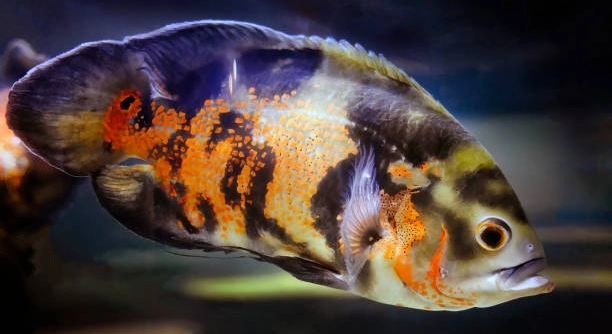
Have you ever wanted to try breeding fish at home but felt unsure where to start? Convict cichlids are a popular choice because of their hardiness and interesting behaviors that catch attention quickly.
Convict cichlids are suitable for first-time breeders due to their resilience, ease of care, and simple breeding patterns. They tolerate a variety of water conditions and show strong parental instincts, making them manageable for beginners in home aquariums.
Learning how to care for them properly can make the breeding experience rewarding and educational for new fishkeepers.
Why Convict Cichlids Are Beginner-Friendly
Convict cichlids are among the easiest fish to breed in a home aquarium. Their small size and adaptability make them forgiving for first-time breeders. They can live in a range of water conditions, including varying pH and temperature levels. These fish are also hardy, which means minor mistakes in care won’t be immediately fatal. Watching them pair off and care for their eggs is fascinating because both parents are actively involved. They are territorial, which helps protect their young, reducing the need for constant human intervention. Feeding them is simple; they accept most standard fish foods and occasional live or frozen treats. Tank setup doesn’t need to be complicated—hiding spots like rocks or flower pots are enough to encourage natural breeding behavior. Observing their interactions gives insight into their strong instincts. Many beginners feel more confident after seeing successful breeding in their own aquariums.
Convict cichlids’ adaptability makes them ideal for those new to fish breeding.
The active care both parents give to their eggs and fry allows beginners to learn about fish behavior without overwhelming complexity. Watching them clean the eggs, guard their territory, and respond to changes in the environment is educational. The fry grow quickly, providing immediate results for someone trying breeding for the first time. This hands-on observation helps beginners understand fish needs, such as proper feeding schedules, water maintenance, and tank organization. Their aggression is manageable when kept in a proper setup, helping newcomers avoid major conflicts between fish. Beginners also benefit from learning how to separate fry from adult fish if necessary. Overall, convict cichlids give a complete, practical experience in breeding, making mistakes manageable and successes easy to witness, which builds confidence for more advanced projects later.
Setting Up the Ideal Tank
A proper tank setup is crucial for convict cichlids to thrive and breed.
Choosing the right tank size ensures enough space for both adults and fry. A 20-gallon tank or larger works best for a breeding pair. Providing hiding places like rocks, caves, or flower pots allows the fish to feel secure and encourages natural breeding. Keeping water clean and stable is also important—regular water changes prevent stress and disease. Lighting should mimic a normal day-night cycle to support healthy behavior. A simple filtration system works well, but avoid strong currents, as they can stress the fish. Maintaining proper temperature, usually between 75 and 82 degrees Fahrenheit, ensures eggs develop correctly and fry grow fast. A balanced diet for adults, including flakes and occasional live food, promotes strong health and readiness to breed. Monitoring fish interactions helps identify signs of stress or aggression, allowing early intervention.
Maintaining a clean, stable tank encourages natural behavior and protects both adults and fry from avoidable risks.
For breeding success, pay attention to water quality, hiding spots, and feeding. Convict cichlids are territorial, so separating fry from adults might become necessary once the young are free-swimming to prevent predation. Adults should be well-fed before breeding to increase their chances of producing healthy eggs. Regular water changes and monitoring pH levels prevent sudden environmental stress, which can affect spawning behavior. Observing their courtship and egg care teaches practical insights into fish reproduction, making adjustments easier for first-time breeders. Understanding the signs of aggression between the pair helps maintain a balanced environment, reducing the likelihood of injury. Even minor adjustments to lighting or tank décor can influence behavior and breeding success. Overall, careful setup and attentive care provide a controlled environment where convict cichlids can reproduce naturally and safely, giving beginners confidence and a satisfying experience in fish breeding.
Feeding Convict Cichlids During Breeding
Feeding convict cichlids properly is essential for healthy eggs and fry. Adults need a mix of high-quality flakes, pellets, and occasional live or frozen foods. Well-fed parents produce stronger, more viable eggs and are less likely to become aggressive.
A balanced diet helps maintain energy for both caring for eggs and protecting the territory. Live foods like brine shrimp or bloodworms provide extra protein, which improves egg quality and fry development. Overfeeding should be avoided, as leftover food can foul water and stress the fish. Feeding small portions multiple times a day keeps the parents active and healthy, supporting natural breeding behaviors. Consistency in diet and feeding schedule reduces stress and allows the fish to focus on raising their young.
Fry require different food once they hatch. Infusoria or finely crushed flakes work well in the first week. As they grow, small live foods like baby brine shrimp or finely chopped bloodworms help them develop quickly. Keeping water clean during feeding is crucial because young fry are sensitive to poor water conditions. Feeding in small amounts ensures all fry get access and prevents uneaten food from contaminating the tank. Gradually increasing food size and type prepares them for adult diets while supporting steady growth and survival.
Managing Aggression and Tank Behavior
Convict cichlids can be aggressive, especially during breeding. Providing enough space and hiding spots reduces conflict between adults and protects fry.
During breeding, aggression peaks as adults defend eggs and territory. Keeping a separate tank or partition can prevent fights and protect weaker fish. Observing behavior allows timely intervention before injuries occur. Stress from overcrowding or poor tank setup can worsen aggression. Adding rocks, caves, or plants creates natural barriers, reducing direct confrontations. Water quality and consistent routines also help minimize stress, keeping the adults calmer. Managing aggression ensures the breeding process continues smoothly without unnecessary harm.
Balancing aggression with space requires attention to tank layout and monitoring interactions closely. Fry may be at risk if adults become overly territorial, so temporary separation can be necessary. Dominant adults should have defined territories to reduce constant chasing or attacks. Adding visual barriers like tall plants or stacked rocks helps establish boundaries and reduces stress. Monitoring feeding and ensuring all fish have access prevents fights over food. Understanding normal aggressive behavior versus harmful conflict allows adjustments before problems escalate. Maintaining a calm, organized tank gives both adults and fry the best chance for survival and successful breeding.
Water Conditions for Breeding
Stable water conditions are crucial for convict cichlids to spawn successfully. Maintaining a temperature between 75 and 82 degrees Fahrenheit and a neutral to slightly alkaline pH supports healthy eggs and fry. Sudden changes can stress adults and reduce breeding success.
Regular water changes help keep ammonia and nitrite levels low. Using a reliable filter and testing water weekly ensures a safe environment. Fry are especially sensitive, so avoiding toxins or sudden shifts is important. Clean, stable water encourages natural behavior and increases survival rates for young fish.
Choosing a Breeding Pair
Selecting healthy, mature adults improves the chances of successful breeding. Look for active, vibrant fish with no signs of disease or deformities. Pairs that show early pairing behavior are usually more compatible.
Caring for Fry
Once fry hatch, they need small, frequent feedings. Infusoria or finely crushed flakes are ideal at first. Gradually introduce baby brine shrimp to promote healthy growth.
FAQ
How long does it take for convict cichlid eggs to hatch?
Convict cichlid eggs usually hatch within 3 to 5 days after being laid. Temperature plays a role; warmer water speeds up development while cooler water slows it. During this time, parents constantly guard and fan the eggs to keep them clean and oxygenated. Avoid disturbing the tank during this stage, as stress can cause adults to eat or abandon the eggs. Observing quietly from outside the tank is best to ensure successful hatching.
When should I separate the fry from the adults?
Fry should be separated once they become free-swimming, usually around 5 to 7 days after hatching. Adults can be aggressive, and the risk of predation is high if fry remain in the main tank. Using a small breeder box or another tank allows fry to grow safely while still receiving proper care. Separation also makes feeding easier, ensuring all fry get enough nutrition. Keeping fry in clean water with gentle filtration supports healthy growth during this vulnerable stage.
What should I feed convict cichlid fry?
In the first few days, fry require very small foods like infusoria or finely crushed flake food. As they grow, introducing baby brine shrimp or finely chopped bloodworms provides extra protein needed for rapid development. Feeding multiple small portions throughout the day is better than one large meal. Clean water is crucial, so remove uneaten food promptly. Gradually transition fry to adult foods as they grow, which prepares them for long-term health and survival in the main tank.
Can I breed convict cichlids in a community tank?
Breeding in a community tank is possible but challenging. Adults become territorial and may attack other fish while guarding eggs and fry. Providing plenty of hiding spots can help, but the risk of predation remains. Using a separate breeding tank is safer and gives the pair more privacy to spawn. Community tanks can work if you can closely monitor interactions and remove fry once they are free-swimming. Stress and aggression are the main challenges in shared tanks.
How often do convict cichlids breed?
Convict cichlids can breed frequently, sometimes every 4 to 6 weeks under ideal conditions. Healthy adults, stable water, and good nutrition encourage repeated spawning. Overbreeding should be avoided to prevent stress and weaken the parents. Monitoring breeding frequency helps maintain the health of both adults and fry. If parents seem tired or aggressive, giving them time to recover before the next spawning is important. Regular maintenance and proper feeding support consistent, healthy breeding cycles.
What signs indicate successful pairing?
Successful pairing includes behaviors like swimming together, cleaning a flat surface for egg-laying, and showing territorial behavior around that area. The male and female will often chase off intruders together. Observing these signs helps confirm readiness to spawn. If either fish shows aggression toward the other instead of coordination, they may not be compatible, and introducing a different pair might be necessary. Consistent observation ensures pairing progresses smoothly.
How do I prevent aggression during breeding?
Providing hiding places, a proper tank size, and visual barriers reduces aggression. Regular feeding prevents food-based competition, and maintaining stable water conditions lowers stress. If aggression escalates, separating one adult temporarily can protect both fish and their eggs. Understanding natural territorial behavior helps manage conflicts without disrupting breeding.
What tank size is ideal for a breeding pair?
A 20-gallon tank is generally sufficient for one breeding pair and their fry. Larger tanks allow more space for adults to establish territories and reduce aggression. Adequate room also provides hiding spots for fry once they become free-swimming. Overcrowding increases stress and aggression, negatively affecting breeding success. A properly sized tank ensures both adults and young thrive.
How long until fry can eat adult food?
Fry can start transitioning to adult food after 4 to 6 weeks, depending on growth. Small pellets or finely crushed flakes are appropriate at first. Gradually increasing food size helps them adjust while ensuring proper nutrition. Maintaining clean water during this transition is crucial to prevent disease or stress.
Are convict cichlids easy to breed repeatedly?
Yes, they are among the easiest cichlids to breed multiple times. Healthy adults, proper nutrition, and stable water conditions allow frequent spawning. However, frequent breeding requires careful monitoring to avoid stressing the parents. Ensuring adequate space, hiding spots, and water quality keeps both adults and fry healthy for repeated breeding cycles.
This FAQ section provides practical, hands-on advice to make convict cichlid breeding approachable and manageable for first-time fishkeepers.
Final Thoughts
Breeding convict cichlids can be a rewarding experience for anyone starting out with fishkeeping. These fish are hardy, adaptable, and show clear parental behaviors, which makes it easier to observe and learn from them. Their eggs hatch quickly, and the fry grow fast, giving beginners visible results that help build confidence. Unlike some species that are very sensitive or require complicated care, convict cichlids tolerate small changes in water conditions and diet, which makes managing a breeding tank less stressful. Setting up a simple tank with hiding spots, maintaining stable water conditions, and feeding the adults a nutritious diet can go a long way in ensuring successful breeding. Watching the adults protect their eggs and care for their young provides insight into fish behavior, which is helpful for anyone who wants to understand how different species reproduce and interact in their environment.
It’s important to remember that even though convict cichlids are beginner-friendly, breeding still requires attention and consistency. Regular water changes, proper feeding, and monitoring tank behavior are key factors in keeping the fish healthy. Aggression is natural, especially when adults are guarding eggs, so providing enough space and hiding places can prevent unnecessary fights. Fry need special care during the first few weeks, including appropriate food and clean water to grow strong. While it may seem like a lot to manage, the process becomes easier once you understand the patterns of their behavior and what triggers stress or aggression. The learning curve is manageable, and with careful observation, most beginners can successfully raise healthy fry. Taking the time to learn about their specific needs also sets a foundation for breeding other species in the future, making the experience educational as well as enjoyable.
Overall, convict cichlids are an excellent choice for first-time breeders because of their resilience, predictable behavior, and ease of care. They allow beginners to experience the full cycle of fish breeding, from pairing to fry growth, without the high risks associated with more delicate species. Maintaining a simple yet stable tank environment, paying attention to feeding and water quality, and understanding territorial behavior will make the process smoother. Success with convict cichlids can encourage more confidence in fishkeeping and provide a sense of accomplishment. With patience and observation, even someone new to breeding fish can enjoy the satisfaction of seeing healthy adults care for their young and raising fry to adulthood. Over time, this hands-on experience helps build a practical understanding of aquarium management and introduces the rewarding aspects of fish breeding in a controlled, manageable setting.

Hello,
If you enjoy the content that we create, please consider saying a "Thank You!" by leaving a tip.
Every little bit helps us continue crafting quality advice that supports the health, happiness, and well-being of pets around the world, for pets of all shapes, sizes, and species.
We really appreciate the kindness and support that you show us!