
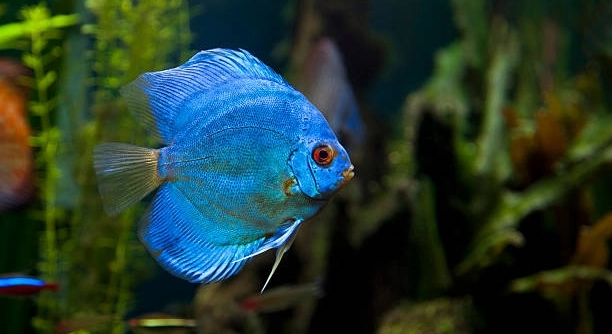
Are you worried that the colors in your discus tank might be affecting your fish’s eyes or causing long-term harm?
Colored substrates are not inherently harmful to discus eyes, but certain colors can influence their behavior and stress levels. Bright or reflective substrates may increase light exposure, which can lead to eye strain and reduced comfort in some fish.
Understanding the connection between substrate choice and your discus’s well-being can help create a healthier, more visually comfortable environment for them.
How Substrate Color Affects Discus Eyes
Discus fish are sensitive to their environment, and substrate color plays a subtle but important role in their comfort. Lighter substrates, especially white or very bright colors, can reflect light upward, which may increase stress or cause mild eye discomfort over time. This doesn’t mean the fish will go blind, but constant light reflection can make them more skittish or lead to unnatural behaviors. On the other hand, darker substrates tend to absorb light and create a calmer environment that feels more natural for them. Choosing a substrate that reduces glare helps discus feel secure and encourages healthier swimming patterns. Their eyes don’t react the same way ours do to light changes, so reducing harsh reflections can make a difference. It’s not about the color being bad—it’s about how it affects their perception and sense of safety in the tank.
Lighter shades may overstimulate your discus, while darker tones help support a calmer, more natural behavior pattern.
Think about how discus come from slow-moving, shaded waters in the wild. Mimicking that habitat helps lower stress and promotes well-being. Substrate isn’t just decoration—it affects how your fish feel. A peaceful tank leads to better health and more balanced behavior, especially in sensitive species like discus.
Choosing the Right Substrate for Discus
Soft browns, deep grays, or black substrates tend to work best when setting up a discus tank that supports visual comfort.
When choosing a substrate, avoid materials that reflect too much light or appear too unnatural. Some colored gravels may have shiny coatings or pigments that increase reflection under aquarium lighting. These don’t always harm the fish directly but can lead to more hiding and less interaction. If you notice your discus constantly retreating or darting suddenly, the substrate could be one of several contributing factors. A more muted, matte surface helps reduce unwanted reflections and keeps light levels gentle. Additionally, natural colors help your discus display their full color range, as their appearance can be influenced by background and surroundings. Always observe how your fish respond after adding new substrate. Their reactions often tell you what’s working and what isn’t. Choosing a calm, low-glare base creates a more supportive environment for both their eyesight and overall comfort.
Signs Your Discus May Be Affected by Substrate Color
Watch for subtle changes in behavior like frequent hiding, rapid darting, or dull coloration. These signs may indicate stress caused by uncomfortable lighting or overly bright substrate reflecting into their eyes.
Discus that feel uneasy in their environment often avoid open areas or display paler coloring than usual. This isn’t always a health issue—sometimes it’s the tank setup that makes them feel exposed. A harshly lit substrate can amplify their stress. If you notice they become more active or show better color when lights are dimmed or the substrate is covered, that’s a strong clue. Their eyes are adapted to dim, shadowed waters. Giving them a setting that mimics that balance helps reduce anxiety and supports better daily activity. Minor details like substrate tone can have a visible impact on how your discus interact and behave in their tank.
Even subtle changes in swimming patterns can be linked to their visual environment. If your discus stop greeting you at the front of the tank, check the surroundings. They may be overstimulated or trying to avoid glare. Try shading parts of the tank or using a darker mat temporarily. Observing their response helps you decide whether the current setup suits their needs or needs adjustment.
Tips for Creating a Visually Comfortable Tank
Use dimmer lights and matte substrates to reduce glare and reflections. Soft LED lighting and natural décor help lower stress, making discus feel safer and more at ease in their surroundings.
Stick to simple, earthy tones when choosing substrate. Dark sand or fine gravel works well because it absorbs rather than reflects light. Avoid anything with glitter, high polish, or artificial brightness. Combine the substrate with gentle, indirect lighting and include broad-leaf plants or driftwood to break up light patterns. These create shade and reduce visual stimulation, helping your discus relax. You don’t need an elaborate setup—just keep things balanced and soft. Watch how your discus behave when small changes are made. If they appear calmer or swim more freely, that’s a good sign. The goal is to mimic the low-light, shadowed rivers they’re used to. A stable, soothing tank layout makes a noticeable difference in their comfort and confidence.
Common Mistakes to Avoid
Avoid choosing substrates based only on color preference. Bright or unnatural colors may look appealing but can disrupt the comfort of your discus, leading to stress or hesitation in movement. Always consider how the color interacts with your tank’s lighting.
Don’t overlook how reflections impact behavior. Shiny or glossy substrates reflect more light, which can overstimulate your discus and lead to erratic swimming or frequent hiding. A matte finish helps minimize this issue and promotes a more natural sense of security in the tank.
When to Consider Changing Your Substrate
If your discus are consistently stressed, pale, or avoiding open space, it may be time to switch the substrate. Observe their behavior during feeding or when lights turn on. If they dart away or remain hidden, something in their surroundings is likely bothering them. Try replacing bright or artificial-colored gravel with something darker and more muted. Start with a small section before changing the entire tank. This allows you to observe improvements without disrupting the environment completely. A gradual change prevents shock and helps your discus adjust comfortably. Watch for improved color, calmer behavior, and more confident swimming.
Final Thoughts on Visual Comfort
Creating a calm and comfortable space for your discus means paying attention to the details. Substrate color matters more than it seems at first.
FAQ
Can colored substrates cause permanent eye damage in discus?
No, colored substrates do not cause permanent eye damage in discus. However, certain colors—especially bright white, neon shades, or glossy finishes—can create harsh reflections or increase brightness in the tank. This may lead to temporary discomfort or increased stress levels, especially under strong lighting. Discus rely on subtle lighting and calm surroundings, so an overly reflective tank environment can make them feel insecure or overstimulated. While not damaging in a medical sense, constant exposure to intense glare can impact how often they hide or how they interact with the tank. Choosing a low-reflection, darker substrate helps reduce unnecessary visual stress.
What substrate color is best for discus comfort?
Darker colors such as black, brown, or deep gray tend to work best. These shades reduce light reflection, support calmer behavior, and make the discus feel more secure. They also help mimic the natural environment of wild discus, which typically live in shadowed waters with leaf-covered bottoms. In addition, darker substrates help your discus display richer colors by offering contrast against their bodies. A dark, matte finish is usually preferred over anything shiny or brightly colored. It blends well with plants and décor while keeping the tank looking balanced and peaceful. Visual comfort and natural aesthetics go hand in hand.
Does substrate texture matter as much as color?
Yes, texture plays a role, especially if your discus tend to pick at the bottom or share the tank with bottom-dwelling fish. Smooth, fine sand or small-grain gravel is ideal. Avoid sharp-edged gravel that may scratch or harm delicate fins and undersides. That said, when it comes to visual comfort, color usually has more of an impact than texture. A coarse, neutral-colored substrate with a matte finish is still better than a bright, shiny one with perfect texture. If you’re selecting both, try to choose a soft texture and a calming color to meet both visual and physical needs.
How can I tell if the substrate is causing stress?
Look for consistent hiding, fast darting movements, pale color, or changes in swimming patterns. If your discus seem nervous in open areas or only come out when the lights are off, the substrate may be too bright or reflective. Observe their response when light levels are lowered or part of the substrate is shaded. If they swim more freely or show better color under these conditions, it may be time to change the substrate to something darker and more matte. Behavior is often the first clue that something about the tank environment needs adjustment.
Can brightly colored substrate affect breeding behavior?
Yes, it can. Discus prefer stable, low-stress conditions when preparing to breed. Bright or unnatural substrate can disrupt that sense of calm and security. Reflections may also confuse or distract them during the pairing and egg-laying process. A natural-looking substrate helps simulate the conditions they need to feel safe and focused. While substrate alone won’t prevent breeding, it’s one of several environmental factors that influence their comfort. If breeding is a goal, it’s best to avoid anything that feels artificial or overly stimulating to them.
Should I remove the substrate altogether to avoid these issues?
Bare-bottom tanks are sometimes used for breeding or medical treatment, but they aren’t ideal for long-term display setups. While removing substrate eliminates the issue of reflection or color choice, it can also leave the tank looking stark and can increase light intensity. Without substrate, there’s also less support for beneficial bacteria that live in the tank base. If you choose a bare-bottom tank, you’ll need to manage lighting carefully and add other soft features like plants or dark backgrounds to make your discus feel secure. A good substrate, when chosen wisely, is usually the better option.
How can I change the substrate without stressing my discus?
Make gradual changes. Start by replacing a small section of the tank, or layer new substrate over the old one if the texture and weight allow. Always rinse new substrate thoroughly before adding it to avoid clouding the water. Try to keep water parameters stable during the process. Use soft, slow movements and avoid disturbing your discus more than necessary. If you notice a calmer response after partial changes, continue replacing the rest over several days. Gradual transitions help your fish adjust without unnecessary stress, especially for sensitive species like discus.
Are natural-colored substrates always better?
Not always, but they are typically more visually comfortable for discus. The key is to avoid overly bright, unnatural, or reflective colors that disrupt the balance of the tank’s lighting. Natural colors tend to blend better with live plants, driftwood, and backgrounds, helping your discus feel enclosed and secure. These tones mimic riverbeds and lakes where discus are found in the wild, which supports healthier behavior. Some artificial-colored substrates may be safe in terms of material, but they don’t always create a peaceful environment. Prioritize how the tank feels to your fish, not just how it looks to you.
Final Thoughts
Creating a comfortable home for your discus takes more than just clean water and regular feeding. Small details like substrate color can have a big impact on how your fish feel and behave. Bright, reflective, or artificial-colored substrates may seem decorative, but they can lead to stress or discomfort for discus. These fish are used to low-light, shadowed environments. When their tank is too bright or reflective, they may hide more, lose color, or seem nervous. Choosing a soft, dark, and matte substrate helps create a space that feels safe and natural to them. This doesn’t just support their comfort—it also encourages more confident swimming and healthier habits.
Every discus tank is different, and what works for one may not work for another. However, if your discus often hide, dart quickly, or avoid certain areas of the tank, it’s worth looking at their surroundings. Substrate, lighting, and reflections all affect how discus behave. A calmer environment, with balanced lighting and soft visual tones, reduces stress. Over time, this can lead to better color, stronger immune systems, and more active behavior. Changing the substrate might seem like a small adjustment, but it can make a noticeable difference in how your discus respond to their tank. Observing their behavior before and after any change can guide you in the right direction.
There’s no single perfect setup, but the goal is to create a space that feels stable and peaceful. Avoiding overly bright colors, sharp textures, and strong reflections helps support your discus both physically and mentally. A well-thought-out substrate choice brings visual calm to the tank while helping the fish feel secure. Whether you’re setting up a new tank or adjusting an existing one, it’s worth thinking about how the bottom of the tank looks and feels. These quiet choices can play a big role in keeping your discus happy, relaxed, and healthy in the long run.

Hello,
If you enjoy the content that we create, please consider saying a "Thank You!" by leaving a tip.
Every little bit helps us continue crafting quality advice that supports the health, happiness, and well-being of pets around the world, for pets of all shapes, sizes, and species.
We really appreciate the kindness and support that you show us!