
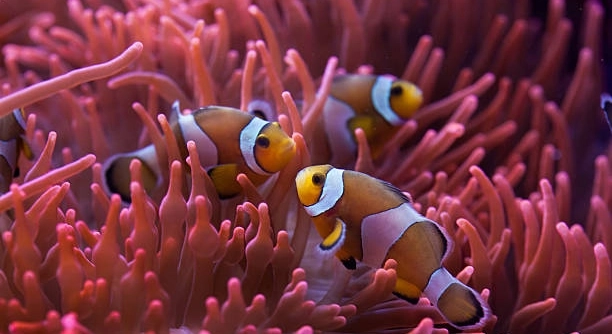
Clownfish are popular pets for many aquarium owners. They come from warm ocean waters and have specific needs to stay healthy. Many people wonder if these colorful fish can live comfortably without a heater.
Clownfish require stable, warm water temperatures between 74°F and 80°F to thrive. Without a heater, maintaining this range can be difficult, leading to stress and health problems for the fish. Therefore, a heater is generally necessary for their well-being.
Knowing how to keep clownfish healthy helps ensure a long and happy life for them in your tank. This article explains what to consider about temperature and heating options.
Why Clownfish Need Warm Water
Clownfish naturally live in warm tropical waters, so their bodies are adapted to steady temperatures. When the water gets too cold, their metabolism slows down, making them less active and more prone to illness. If the temperature drops suddenly, it can cause stress, which weakens their immune system. Over time, cold water can lead to problems like poor appetite, slower growth, and susceptibility to infections. In a home aquarium, water temperatures often fluctuate, especially if there is no heater to keep it steady. This makes it hard for clownfish to stay comfortable. Maintaining a stable temperature is important because it supports their natural behavior, like swimming, feeding, and interacting with other fish or anemones. If the water is too cold, these behaviors may decrease, affecting the overall health and happiness of your clownfish. Keeping the temperature in the right range helps mimic their natural environment and supports their well-being.
Clownfish do best when the water temperature stays between 74°F and 80°F. Sudden drops can cause health issues.
If you want your clownfish to thrive, keeping the tank warm is key. A consistent temperature helps them stay active and healthy. Without a heater, it can be hard to maintain this balance, especially in cooler climates or during colder months. Even small temperature changes can add stress over time. Using a reliable heater allows you to control the environment and avoid sudden shifts that harm your fish. Regularly checking the water temperature ensures it stays in the safe range. This attention keeps your clownfish comfortable and reduces the risk of illness, helping them live longer and more vibrant lives in your aquarium.
Alternatives to Using a Heater
Some people try to keep clownfish without a heater by placing the tank in warm rooms or using lighting that adds heat. These methods can work in very mild climates where room temperature stays consistently warm. However, relying on room temperature alone often leads to fluctuations that stress the fish. Using warm water from a tap to raise tank temperature is also a temporary fix but does not maintain stability. Another option is using aquarium chillers in warmer areas, but this is not practical if the room gets cold. In most cases, these alternatives do not provide the steady warmth clownfish need. A heater remains the most reliable tool for creating a safe and comfortable habitat, especially when natural temperatures cannot be controlled.
To protect your clownfish’s health, a heater is usually the best and safest choice for maintaining stable water temperature.
Trying to avoid using a heater can result in more harm than good. Without steady warmth, clownfish may become stressed and sick. A quality heater with an adjustable thermostat helps keep the temperature steady throughout the day and night. Investing in this equipment prevents temperature swings and supports your fish’s immune system. It also makes tank maintenance easier since you don’t have to worry about sudden drops in warmth. For peace of mind and a healthy environment, using a heater is a practical decision. This simple step ensures your clownfish enjoy the stable conditions they need to thrive in captivity.
Signs Your Clownfish Is Uncomfortable Without a Heater
Clownfish show clear signs when the water temperature is too low. They may become less active, hide more often, or lose their appetite. Watching their behavior closely can help you notice early problems.
When clownfish feel cold, their swimming slows and they often stay near the tank bottom. They may also stop eating or eat less, which weakens them over time. Stress from cold water lowers their immune defenses, making them prone to disease. If you notice dull colors or unusual spots, it could be a sign of poor health caused by improper temperature. Acting early to raise the temperature can help avoid serious illness and improve their comfort and behavior.
Changes in behavior like reduced movement and refusal to eat are common signs of cold stress. These signals should prompt you to check your tank’s temperature immediately. Keeping the water warm prevents these issues and helps your clownfish stay lively and healthy.
Maintaining Proper Tank Temperature Without Overheating
A heater should be set carefully to avoid overheating the tank, which can be just as harmful as cold water. Most clownfish thrive between 74°F and 80°F, so keeping the temperature in this range is crucial.
Overheated water can reduce oxygen levels and cause stress or damage to your fish’s gills and skin. It can also encourage algae growth and harm beneficial bacteria in the tank. Using a thermostat helps control the heater to avoid temperature spikes. Regular monitoring with a reliable thermometer is essential to maintain balance. Additionally, avoid placing the tank in direct sunlight or near heat sources, as this can raise the temperature too high. Proper temperature control creates a stable, healthy environment for clownfish.
Choosing the Right Heater for Your Clownfish Tank
Picking a reliable heater is key to keeping clownfish healthy. Look for heaters with adjustable thermostats and good reviews from other aquarium owners. Size matters too—choose one suited for your tank’s volume.
Heaters that have built-in safety features like automatic shut-off prevent accidents. Submersible heaters are popular because they distribute heat evenly. Always match the wattage to your tank size to avoid overheating or underheating.
How to Monitor Temperature Effectively
Using a digital thermometer provides accurate readings. Place it in an easily visible spot inside the tank to keep track daily.
Regular checks help you catch temperature changes early before they affect your fish. Consistency is important for their well-being.
Common Mistakes When Using a Heater
Setting the heater too high or placing it near the tank’s surface can cause uneven heating. Avoid sudden temperature changes by adjusting settings slowly.
Benefits of Stable Temperature for Clownfish
A steady temperature supports normal metabolism, growth, and immune function. It keeps clownfish active and colorful.
FAQ
Can clownfish survive in room temperature water without a heater?
Clownfish can survive for short periods in room temperature water if the temperature stays within their ideal range of 74°F to 80°F. However, many indoor environments fluctuate outside this range, especially during colder months or at night. These fluctuations can cause stress and health problems. Without a heater, it is difficult to keep the water temperature stable. In most cases, relying solely on room temperature is not enough to provide a safe environment for clownfish in the long term.
What happens if the water gets too cold for clownfish?
If the water temperature drops below the recommended range, clownfish can become lethargic and stop eating. Their immune system weakens, making them more vulnerable to infections and diseases. Prolonged exposure to cold water can slow down their metabolism, stunt growth, and cause behavioral changes like hiding or reduced activity. Sudden temperature drops are especially harmful, so maintaining a stable warm environment is essential for their health.
Is it okay to use a heater without a thermostat?
Using a heater without a thermostat is not recommended because it can cause unsafe temperature fluctuations. A heater without temperature control may overheat the water, which stresses or harms the clownfish. A thermostat allows you to set and maintain the correct temperature range, preventing sudden spikes or drops. Investing in a heater with a reliable thermostat is a safer and more effective way to care for your clownfish.
How do I know if my heater is working properly?
Check your heater regularly using a separate thermometer placed inside the tank. The thermometer reading should match the heater’s set temperature closely. If you notice large temperature swings or the heater turning on and off too frequently, it may be malfunctioning. Also, watch your clownfish’s behavior—if they show signs of stress or discomfort, it could indicate temperature problems. Replacing faulty heaters promptly is important for maintaining a healthy environment.
Can I use a heat lamp instead of an aquarium heater?
Heat lamps are generally not a good substitute for aquarium heaters because they do not provide consistent underwater heating. Heat lamps mainly warm the surface or air above the tank, which can cause uneven temperatures and stress for your fish. Aquarium heaters are designed to heat water evenly and keep the temperature stable throughout the tank. For clownfish, a proper submersible heater is a better choice.
How often should I check the water temperature?
It is best to check the water temperature at least once a day, especially if you don’t have an automated temperature control system. Frequent monitoring helps you catch any sudden changes early before they affect your clownfish. During extreme weather or seasonal changes, you may want to check more often. Regular checks ensure that your heater is maintaining a stable environment, which is crucial for your fish’s health.
What temperature range is ideal for clownfish?
Clownfish thrive in water temperatures between 74°F and 80°F. Staying within this range supports their metabolism, immune system, and natural behaviors. Temperatures consistently below 74°F or above 80°F can cause stress and health problems. Keeping the temperature steady within this range is more important than hitting a specific number exactly.
Can clownfish adapt to cooler temperatures over time?
Clownfish are tropical fish and have limited ability to adapt to cooler water. While they might tolerate slight drops for short periods, prolonged exposure to temperatures below their ideal range can cause health issues. Their metabolism slows, and their immune response weakens. It’s best to provide a stable warm environment rather than expecting them to adjust to cooler conditions.
What are the risks of overheating the tank?
Overheating can reduce oxygen levels in the water, which is dangerous for clownfish and other aquatic life. High temperatures also increase fish metabolism, causing stress and shortening their lifespan. Additionally, warm water encourages algae growth and can harm beneficial bacteria that help maintain water quality. Keeping the heater set properly and avoiding direct sunlight or other heat sources prevents overheating risks.
Is it necessary to turn the heater off at night?
Turning the heater off at night is usually not recommended because water temperature can drop significantly when the room cools down. Maintaining a consistent temperature 24 hours a day is important for clownfish health. If you live in a warm climate where nighttime temperatures stay stable, it might be okay, but generally, it’s better to keep the heater running with a thermostat to ensure steady warmth.
Clownfish need warm and stable water temperatures to stay healthy and active. Because they come from warm ocean waters, their bodies are used to living in a certain temperature range. If the water in their tank is too cold or changes a lot, it can cause stress and make them sick. This is why using a heater is very important for most home aquariums that keep clownfish. A heater helps keep the water temperature steady, so the fish feel comfortable and can live a longer life. Without a heater, it is very hard to control the temperature well enough to meet the needs of clownfish.
Using a heater with a thermostat is the best way to maintain the right temperature in the tank. The thermostat helps make sure the water does not get too hot or too cold. It turns the heater on and off automatically to keep the water within the safe range for clownfish, usually between 74°F and 80°F. This steady warmth supports the fish’s natural behavior, like swimming, eating, and interacting with other tank mates. It also helps their immune system stay strong. If the water temperature changes too much, clownfish can become weak, stop eating, or get sick. A good heater makes it easier to avoid these problems.
While there are other ways to try to keep the water warm, such as placing the tank in a warm room or using special lights, these methods do not provide consistent heat. Temperature changes are still likely, especially during colder seasons. These changes can be harmful to clownfish. A reliable heater designed for aquariums is the safest and most effective way to create a good environment for your fish. Paying attention to the tank’s temperature every day and using proper equipment will help keep your clownfish healthy and happy in your home.

Hello,
If you enjoy the content that we create, please consider saying a "Thank You!" by leaving a tip.
Every little bit helps us continue crafting quality advice that supports the health, happiness, and well-being of pets around the world, for pets of all shapes, sizes, and species.
We really appreciate the kindness and support that you show us!