
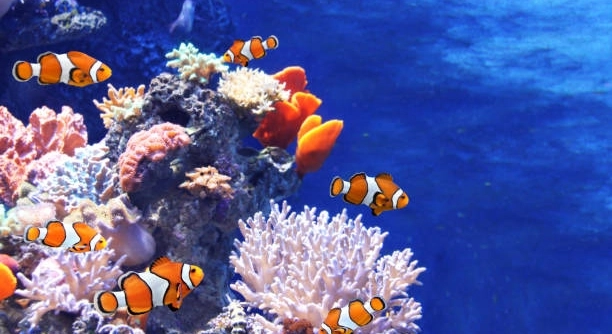
Are your clownfish behaving differently when the weather changes? Many fish owners notice shifts in activity but wonder if weather truly affects clownfish behavior. Understanding this can help create a better environment for these colorful pets.
Clownfish activity levels can vary depending on weather conditions, particularly temperature and water quality. Warmer temperatures often increase their movement and feeding behavior, while colder or stormy weather tends to make them less active and more cautious.
Knowing how weather influences clownfish can improve their care and tank setup. This article will help you recognize these changes and adapt accordingly.
Weather Conditions That Affect Clownfish Activity
Clownfish respond mainly to changes in water temperature, light, and pressure, which are often linked to weather. When the water is warmer, their metabolism speeds up, making them swim more and look for food frequently. Cooler water slows their movement and sometimes makes them hide more. Light also plays a role; bright, sunny days tend to encourage clownfish to be more active, while overcast or stormy days often make them quieter. Changes in barometric pressure, like before a storm, can also cause stress, making clownfish less active. It’s important to monitor these factors closely, especially if you keep clownfish in a home aquarium. Sudden changes can impact their health and behavior. Keeping the tank stable and avoiding rapid shifts in temperature or light can help clownfish feel secure and maintain their natural activity levels.
Adjusting your tank environment with the weather in mind can keep clownfish comfortable and active.
Tracking how these weather elements affect your clownfish helps you create a more balanced and healthy space for them to thrive in every season.
How to Adjust Your Aquarium for Weather Changes
Small changes in your aquarium can make a big difference in clownfish behavior. Keeping water temperature steady, using heaters or chillers when needed, helps prevent stress caused by weather swings. Adjusting light levels to match natural day and night cycles also supports their well-being. Regularly testing water quality ensures that temperature changes don’t harm the tank’s chemistry. During colder months or stormy weather, reduce feeding slightly since clownfish tend to eat less. Providing hiding spots gives them comfort when they feel unsettled. Making these adjustments helps mimic their natural habitat and keeps them healthy and active throughout the year. Observing your fish closely will let you know what works best to support their needs in different weather conditions.
Recognizing Changes in Clownfish Behavior
Clownfish become noticeably less active when the weather turns cold or stormy. They may hide more and swim slowly around the tank.
This behavior is a natural response to unfavorable conditions. In the wild, clownfish slow down to conserve energy during colder or unstable weather. In home aquariums, similar reactions show they are affected by changes in temperature or water quality. Watching their movement and feeding habits can give clues about their comfort level.
Sometimes, clownfish also display changes in color or stop interacting with their environment. These signs mean it might be time to check the tank’s conditions. Adjusting water temperature, light, or feeding schedules can help them return to normal activity.
Preparing Your Tank for Seasonal Weather Shifts
Seasonal weather changes can cause fluctuations in aquarium temperature and lighting. It’s important to prepare your tank for these shifts to keep clownfish stable.
Use a reliable heater or chiller to keep water temperature within the ideal range of 75-82°F (24-28°C). Adjust lighting to simulate natural day lengths, shortening or lengthening light hours depending on the season. Monitor water quality regularly since temperature changes can affect pH and other factors. Adding aeration can improve oxygen levels when water warms up. These preparations reduce stress and keep clownfish active despite weather changes. A steady, well-maintained environment is key to healthy clownfish behavior throughout the year.
Common Weather-Related Stress Signs
Clownfish may show stress through rapid breathing, hiding, or sudden changes in color. These signs often appear during sudden weather shifts or poor water conditions.
If stress signs last long, it can lead to illness. Immediate tank adjustments are necessary to prevent harm and restore their normal behavior.
Feeding Adjustments for Weather Changes
During colder or stormy weather, clownfish often eat less because their metabolism slows down. Offering smaller, more frequent meals can help prevent overfeeding and maintain water quality. Feeding less in these conditions matches their natural habits and supports their health.
Importance of Stable Water Quality
Maintaining consistent water quality is crucial. Sudden weather changes can cause pH shifts or lower oxygen levels, affecting clownfish activity and health.
Monitoring Clownfish Daily
Regular observation helps catch early signs of weather-related stress or illness. This allows quick responses to keep them safe and active.
Do clownfish get more active when the weather is warm?
Yes, clownfish tend to be more active in warmer water because their metabolism speeds up. This means they swim more and eat more during warm conditions. Warmer water simulates their natural tropical habitat, encouraging normal behavior. However, extreme heat can be harmful, so it’s important to keep the temperature stable and within a safe range.
Why do clownfish hide during storms or cloudy days?
Clownfish hide more during storms or overcast weather because changes in barometric pressure and reduced light can stress them. In nature, these conditions signal potential danger, so hiding is a way to stay safe. In tanks, providing hiding spots helps clownfish feel secure during such times.
Can sudden temperature changes harm clownfish?
Sudden shifts in temperature can cause stress and weaken clownfish’s immune system. Rapid cooling or warming affects their breathing and activity, increasing the risk of illness. It’s best to maintain a steady temperature and make gradual adjustments when needed.
How does light affect clownfish behavior?
Clownfish rely on natural light cycles to regulate their activity. Bright light generally boosts their energy, while dim or flickering light can cause them to become less active or stressed. Using aquarium lights that mimic daylight helps keep their behavior normal.
What water temperature is ideal for clownfish?
The ideal water temperature for clownfish is between 75 and 82°F (24-28°C). Keeping the water in this range supports their metabolism, immune system, and overall activity. Temperatures outside this range can cause stress or health problems.
Do clownfish eat less in cold weather?
Yes, clownfish eat less when the water is cooler because their metabolism slows down. Feeding them less during cold weather prevents leftover food from polluting the tank and helps maintain good water quality.
How can I tell if my clownfish is stressed by weather changes?
Look for signs like hiding, color changes, rapid breathing, or reduced appetite. Stress often shows as unusual behavior that lasts more than a day or two. Keeping the tank stable and monitoring these signs helps catch problems early.
Is it necessary to adjust feeding during weather shifts?
Adjusting feeding is important. When clownfish are less active due to cold or stormy weather, feeding smaller portions helps avoid overfeeding and water pollution. Feeding frequency can also be reduced to match their slower metabolism.
How often should I check my aquarium during extreme weather?
During extreme weather, checking the tank daily is best. Monitor temperature, water quality, and clownfish behavior closely. Frequent checks allow quick fixes if conditions start to change, keeping your fish safe.
Can poor water quality worsen clownfish behavior in bad weather?
Yes, poor water quality combined with weather stress can worsen clownfish health and activity. Weather changes can cause pH shifts or oxygen drops, so keeping water clean and stable is crucial for their well-being.
What equipment helps maintain stable conditions for clownfish?
Using reliable heaters, chillers, and quality aquarium lights helps control temperature and light cycles. Aeration devices improve oxygen levels during warm weather. A good filtration system keeps water clean and balanced.
Are clownfish more active during the day or night?
Clownfish are generally more active during the day when light encourages feeding and swimming. At night, they rest or stay near shelter. Mimicking natural light cycles in your tank supports this behavior.
Can stress from weather make clownfish sick?
Yes, stress lowers the immune system, making clownfish vulnerable to infections and diseases. Managing tank conditions and reducing sudden changes helps keep stress low and fish healthy.
How long does it take for clownfish to adjust after a weather change?
Adjustment time varies but usually takes a few days. If tank conditions remain stable, clownfish typically return to normal activity quickly. Prolonged unusual behavior may indicate a problem needing attention.
What signs show clownfish are comfortable in their environment?
Comfortable clownfish swim actively, eat well, interact with tank mates, and display bright colors. They explore their surroundings without hiding and respond normally to feeding times. These signs show good health and comfort.
Clownfish activity can change with the weather because they are sensitive to temperature, light, and water quality. Warmer water usually makes them more active, while cooler or stormy weather tends to slow them down. These changes are natural and part of how clownfish adapt to their environment. When caring for clownfish in an aquarium, it is important to keep these factors in mind to help them stay healthy and comfortable. Paying attention to their behavior and adjusting the tank conditions accordingly can make a big difference.
Maintaining a stable aquarium environment is key to supporting clownfish through different weather conditions. Using heaters or chillers to keep the water temperature steady helps avoid sudden stress. Adjusting light levels to match natural day and night cycles also supports their well-being. Watching for signs of stress, such as hiding or changes in color, allows early intervention before problems get worse. Feeding should be adapted to the clownfish’s activity level, with less food given during colder or stormy times when their metabolism slows. Simple changes like these help clownfish thrive all year round.
Overall, understanding how weather affects clownfish activity can improve the way they are cared for in tanks. By observing their behavior and making small adjustments to water temperature, lighting, and feeding, you can create a safe and stable home for them. This awareness leads to healthier fish and a more enjoyable aquarium experience. Taking the time to notice and respond to weather-related changes ensures that clownfish remain active, healthy, and stress-free throughout the seasons.

Hello,
If you enjoy the content that we create, please consider saying a "Thank You!" by leaving a tip.
Every little bit helps us continue crafting quality advice that supports the health, happiness, and well-being of pets around the world, for pets of all shapes, sizes, and species.
We really appreciate the kindness and support that you show us!