
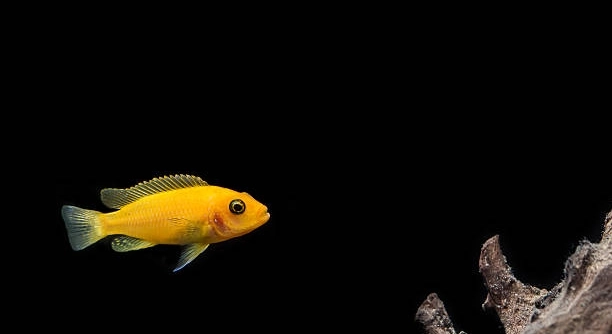
Are your cichlids showing signs of stress or unusual behavior in your aquarium? Many fish owners wonder how their environment affects these colorful and active pets. Understanding their sensitivity to sound can help create a better habitat for them.
Cichlids are sensitive to loud noises as they rely on vibrations and sound cues in water to navigate and communicate. Excessive noise can cause stress, disrupt their behavior, and potentially impact their overall health in captivity.
Learning about the impact of sound on cichlids will help you provide a calm and healthy environment for these fascinating fish. This knowledge can improve their well-being and your enjoyment as an aquarium keeper.
How Loud Noises Affect Cichlids
Cichlids live in water, where sound travels differently than in air. They sense vibrations through their bodies and use these to find food, detect danger, and communicate with other fish. Loud noises from outside the tank or from equipment can cause stress by disrupting these natural signals. When stressed, cichlids might hide more, eat less, or show aggressive behavior. Long-term exposure to noise can weaken their immune system, making them more prone to illness. It is important to keep their environment as stable and quiet as possible to reduce stress. Simple changes, like placing the tank away from loud devices or busy rooms, can make a big difference in their health and behavior.
Stress from loud noises can reduce cichlids’ lifespan and affect breeding success.
Maintaining a calm environment is key for keeping cichlids healthy. Their sensitivity to sound means careful placement of their tank matters. Avoid noisy areas, and check aquarium equipment for loud motors or pumps. Gentle background noise, like a soft water filter hum, is usually okay because fish can get used to it. But sudden, sharp sounds should be avoided to prevent stress spikes. Observing your fish’s reactions after noise changes helps you adjust their surroundings. Taking these steps supports happier and more active cichlids, making the aquarium more enjoyable for both the fish and the keeper.
Signs Your Cichlids Are Stressed by Noise
Watch for unusual behavior such as hiding, reduced eating, or increased aggression.
If your cichlids suddenly become withdrawn or more aggressive, loud noises could be the reason. Stress can cause them to lose color or stop breeding. Noise might come from household appliances, construction, or even loud music. Noticing these signs early lets you act quickly to protect your fish. Reducing noise exposure helps them return to normal behavior, improving their quality of life. Simple steps like moving the tank or adding plants for sound dampening can ease their stress. Monitoring these changes regularly ensures your cichlids remain healthy and comfortable in their home.
Tips to Reduce Noise Around Your Aquarium
Keeping noise levels low near your cichlids’ tank helps reduce their stress. Place the tank away from loud appliances, doors, or busy areas.
Using soft padding under the aquarium stand can absorb vibrations from the floor or nearby devices. Consider adding plants or decorations inside the tank; these help muffle sudden sounds and provide hiding spots. Avoid tapping on the glass, which can startle your fish. Regularly check and maintain your aquarium equipment to prevent noisy motors or pumps. If your home is generally noisy, try to create a quiet corner specifically for the tank to keep the environment calm for your cichlids.
Soundproofing the room with rugs, curtains, or foam panels can reduce external noise. Lowering the volume of nearby electronics and avoiding sudden loud noises also helps create a stable atmosphere for the fish.
Choosing the Right Equipment for a Quiet Aquarium
Select aquarium equipment designed to operate quietly. Look for filters and pumps labeled as low-noise or silent. These reduce the mechanical sounds that may disturb your fish. Proper installation is also important—make sure equipment parts are tightly fitted to avoid rattling. Regular cleaning prevents buildup that can cause motors to work harder and become louder. Adjust the flow rate on filters if possible, since strong water movement often makes noise and stresses cichlids. Using a sponge filter can be a quieter alternative, as it usually produces less vibration and sound. Quiet equipment supports a peaceful environment where your cichlids can thrive without unnecessary noise distractions.
Creating a Calm Environment for Your Cichlids
Lighting and temperature also affect stress levels in cichlids. Keep lighting gentle and consistent, avoiding sudden changes that startle them. Maintain stable water temperature within their ideal range to support their comfort and health.
Soft background noise from water movement can be soothing. Avoid abrupt noises that disrupt the calm atmosphere you’ve created.
How to Monitor Your Fish’s Stress
Watch your cichlids daily for changes in behavior or appearance. Signs of stress include fading color, erratic swimming, or hiding. These may indicate loud noises or other environmental issues.
Tracking their behavior helps catch problems early, allowing timely adjustments to their habitat. A calm fish tank leads to healthier, happier cichlids.
Benefits of a Quiet Aquarium
A quiet tank promotes natural behaviors like feeding, breeding, and social interaction. Stress-free cichlids show vibrant colors and active swimming patterns, making your aquarium more enjoyable to watch.
Maintaining a peaceful environment supports long-term fish health and reduces risks of disease caused by stress.
Common Noise Sources to Avoid
Household appliances, construction, and loud conversations near the tank often cause stress. Reducing exposure to these sounds protects your cichlids’ well-being.
FAQ
Are cichlids more sensitive to noise than other fish?
Cichlids are generally more sensitive to loud noises because they rely heavily on sound and vibrations for communication and detecting danger. While many fish can sense vibrations, cichlids often respond more strongly to sudden or continuous loud sounds, which can stress them more than some other species.
Can loud noises cause permanent damage to cichlids?
Prolonged exposure to loud noises can cause long-term stress, which weakens their immune system and may lead to health problems. However, permanent physical damage from noise alone is rare. The main concern is stress-related illness rather than direct injury.
How can I tell if my cichlids are stressed from noise?
Signs include hiding frequently, reduced appetite, dull colors, and unusual aggression or lethargy. They may also swim erratically or appear startled often. Watching for these behaviors after loud noises can help you identify stress.
Is it okay to have background noise near the aquarium?
Gentle, consistent background sounds, like a quiet filter hum or soft water movement, are usually fine and fish often get used to them. Sudden or loud noises, however, are what cause the most stress, so try to keep these to a minimum.
Will noise affect cichlid breeding?
Yes, stress from loud or sudden noises can disrupt breeding behavior. Cichlids need a calm environment to feel safe and comfortable enough to breed. Reducing noise helps improve breeding success and the care of fry.
Are aquarium pumps and filters noisy for cichlids?
Some pumps and filters can produce noticeable vibrations or sounds that might stress fish. Choosing quieter equipment and regular maintenance can reduce noise. Placing padding under equipment can also help absorb vibrations.
Can I use soundproofing materials around the tank?
Yes, placing rugs, curtains, or foam panels around the aquarium room can help reduce outside noise. Inside the tank, decorations and plants can also absorb vibrations and soften sounds.
How often should I check for noise-related stress?
Daily observation is best. Fish can show stress quickly, so noticing changes early lets you adjust their environment before health issues develop.
Will moving the tank to a quieter spot help?
Often, yes. Placing the tank away from busy areas, loud appliances, or open windows can reduce stress. A quieter spot gives your cichlids a more peaceful environment to thrive.
Is tapping on the glass harmful?
Tapping or knocking on the glass can startle cichlids and cause stress. It’s best to avoid this to maintain a calm aquarium environment.
Can household noises like vacuum cleaners or door slams affect cichlids?
Yes, sudden loud household noises can cause stress. Minimizing exposure or moving the tank away from frequent noise sources helps protect your fish.
What should I do if my cichlids seem stressed from noise?
Try reducing noise around the tank first. If possible, move the aquarium to a quieter location. Adding plants and decorations can provide hiding places. Also, check equipment for any loud sounds. If behavior doesn’t improve, consider consulting a specialist.
Are some cichlid species more sensitive to noise than others?
Yes, sensitivity can vary between species. Some may be hardier, while others, especially smaller or more territorial cichlids, may react more strongly to noise. Researching your specific species helps tailor care better.
Does water depth affect how noise impacts cichlids?
Sound travels differently in water depending on depth. Shallow tanks may transmit vibrations more intensely, which could increase stress. Deeper tanks might buffer some noise, but this varies with tank setup.
Can music or soft talking near the tank harm cichlids?
Soft talking or quiet music generally doesn’t harm cichlids and they often get used to it. Loud or abrupt sounds are what typically cause stress, so volume control is important.
How long does it take for cichlids to recover from noise stress?
Recovery time depends on how long and loud the noise exposure was. It can take days to weeks for fish to return to normal behavior if the environment is stabilized. Reducing noise quickly helps speed recovery.
Does adding a lid to the tank help with noise?
A lid mainly helps prevent fish from jumping and reduces evaporation but does little to block noise. Sound travels easily through glass and water, so other noise reduction methods are needed.
Can vibrations from nearby appliances cause problems?
Yes, vibrations from washing machines, refrigerators, or heaters near the tank can stress cichlids. Placing the aquarium on a sturdy, vibration-absorbing stand helps reduce this impact.
Should I avoid keeping cichlids if I live in a noisy home?
Not necessarily. With careful tank placement, quiet equipment, and monitoring, cichlids can still thrive. Creating a calm corner or using soundproofing can make a big difference.
Are stress symptoms from noise reversible?
Most stress symptoms improve once noise is controlled, but prolonged stress may weaken health. Acting early ensures the best chance for your cichlids to bounce back fully.
Can loud noises cause aggression in cichlids?
Yes, stress from noise can increase aggression between fish, leading to fights or injuries. Reducing noise helps maintain peaceful social interactions in the tank.
Cichlids are sensitive fish that rely on sound and vibrations to understand their environment. Loud noises can disturb them and cause stress, which affects their behavior and health. Keeping noise levels low around the aquarium is important to help cichlids feel safe and comfortable. Small changes, like moving the tank to a quieter spot or choosing quiet equipment, can make a big difference in reducing stress. When fish are calm, they show better colors, eat well, and behave naturally.
Stress from loud noise can lead to problems like hiding, aggression, and loss of appetite. Over time, this stress may weaken a cichlid’s immune system, making them more likely to get sick. Watching your fish closely helps you notice any signs of stress early. If you see changes like dull colors or unusual behavior, it might be time to check the noise around the tank. Adding plants or decorations can help absorb sound inside the aquarium, giving the fish places to feel safe. Regular maintenance of filters and pumps also reduces noise and keeps the tank peaceful.
Creating a calm environment benefits both the cichlids and the aquarium keeper. When fish are less stressed, they are more active and enjoyable to watch. Quiet surroundings support natural behaviors such as feeding, socializing, and breeding. While some noises are unavoidable in a home, making thoughtful choices about where and how the tank is set up can protect your cichlids’ well-being. Paying attention to noise and its effects is an important part of good fish care, helping ensure your cichlids live a healthy and happy life.

Hello,
If you enjoy the content that we create, please consider saying a "Thank You!" by leaving a tip.
Every little bit helps us continue crafting quality advice that supports the health, happiness, and well-being of pets around the world, for pets of all shapes, sizes, and species.
We really appreciate the kindness and support that you show us!