
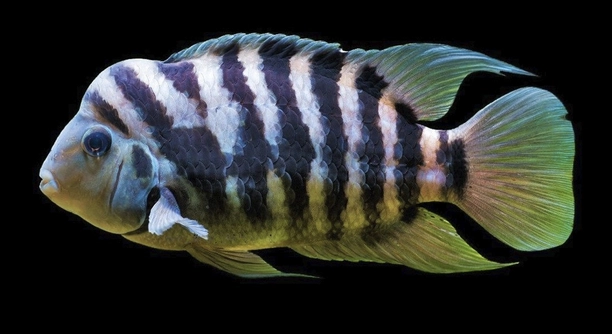
Cichlids are popular freshwater fish known for their vibrant colors and active behavior. Many aquarium enthusiasts enjoy keeping them and often wonder about their intelligence and learning abilities. Understanding how these fish remember things can help improve their care.
Cichlids are capable of long-term memory. Studies show they can recognize individuals, remember locations, and learn from past experiences over extended periods. Their memory plays a significant role in social interactions and survival strategies within their environment.
Exploring how cichlids use their memory can reveal important insights into their behavior and needs. This knowledge supports better aquarium management and enhances appreciation for these fascinating fish.
How Cichlids Show Memory in Their Behavior
Cichlids demonstrate memory through their interactions and habits in the aquarium. They can remember where food is usually provided and quickly learn to anticipate feeding times. This ability helps them adapt to their environment and reduces stress by creating a routine. Cichlids also recognize other fish in the tank, distinguishing between familiar companions and strangers. This recognition affects their social behavior, including territorial disputes and mating. Memory helps them avoid dangers or unfavorable conditions they have encountered before. These fish also learn from experiences, such as avoiding areas where they faced threats. Observing these behaviors gives insight into how their memory functions daily. Such memory use highlights their intelligence and complexity, which often surprises those who keep them. Understanding this helps improve tank setup and care, promoting a healthier environment where they feel secure and less anxious.
Cichlids’ memory abilities affect their social hierarchy and daily routines in noticeable ways.
Recognizing familiar tank mates and safe zones reduces conflicts and stress. This memory helps maintain order and balance in the aquarium, supporting their overall well-being. A well-arranged environment where cichlids can rely on their memory can lead to more natural and calm behaviors.
Training and Stimulating Cichlids’ Memory
Training cichlids to respond to signals or feeding cues is possible through consistent repetition. They can learn simple tricks, such as swimming to a certain spot when called or recognizing specific shapes or colors linked to feeding time. This training relies on their ability to remember and associate stimuli with rewards. Regular mental stimulation keeps their memory sharp and prevents boredom. Providing varied environments with hiding spots and changes in decor also encourages exploration and memory use. These practices not only benefit their mental health but also strengthen the bond between the fish and the caretaker. Observing their learning progress adds an engaging aspect to aquarium keeping. However, patience and gentle repetition are necessary, as cichlids learn best in stress-free, consistent settings.
Memory training supports mental health and social skills in cichlids.
By offering regular challenges, caretakers can help their cichlids stay active and responsive. This creates a more dynamic and enriching environment that benefits the fish’s overall quality of life.
Memory Retention Duration
Cichlids can retain memories for several weeks or even months, depending on the experience and its importance. Their memory helps them navigate their environment and respond appropriately to familiar situations.
Studies have shown that cichlids remember locations where they found food or experienced threats. This long-term memory supports their survival and social interactions. For example, a cichlid may avoid a certain area where it faced aggression or return to a preferred hiding spot. The duration of memory retention varies among individuals and depends on how often the information is reinforced. Regular exposure to certain stimuli strengthens their recall, making memories last longer.
Memory retention in cichlids also helps with recognizing tank mates and maintaining social bonds. They remember which fish are dominant or submissive, which reduces unnecessary conflicts. This recognition plays an important role in establishing and maintaining the social structure within the tank.
Factors Affecting Memory in Cichlids
Environmental stability greatly influences memory performance in cichlids. Frequent changes in tank setup or water quality can confuse them and weaken their ability to remember.
Stress impacts memory negatively. When cichlids are stressed due to overcrowding, poor water conditions, or aggressive tank mates, their memory function can decline. Stress hormones interfere with learning and recall processes, making it harder for them to retain information. Providing a calm and stable environment is key to supporting their cognitive abilities. Consistent feeding schedules and familiar surroundings help reinforce memory by creating predictable routines. Good water quality and proper tank maintenance also contribute to reducing stress and enhancing brain function.
Overall, maintaining stable conditions and minimizing stress allows cichlids to use their memory effectively. This supports their health and behavior, leading to a better quality of life in captivity.
How Cichlids Learn from Experience
Cichlids learn by associating certain actions with outcomes. They remember which behaviors lead to food or safety, helping them adapt to their environment. This learning improves their chances of survival and social success.
Repeated experiences help cichlids strengthen these associations. They respond more quickly to familiar cues over time. This learning ability shows they have more complex brains than many assume. It also means their environment can shape their behavior significantly.
Signs of Memory in Cichlid Behavior
Cichlids often return to favorite hiding spots or feeding areas, showing they recall safe places. They recognize individual fish and change their behavior based on past interactions. This memory helps them maintain social balance in the tank.
Supporting Cichlid Memory
Providing variety and routine together enhances memory. Consistent feeding times create reliable patterns, while new objects encourage exploration and learning. This balance supports cognitive function and mental health in cichlids.
FAQ
How long can cichlids remember things?
Cichlids can remember important information for weeks or even months. Their memory is strongest when the experience relates to survival, like food locations or avoiding threats. Memory can fade if the information is not reinforced regularly, but routine exposure helps keep memories active.
Can cichlids recognize individual fish?
Yes, cichlids recognize other fish they live with. They remember which ones are friendly, aggressive, or dominant. This helps reduce fights and keeps social order in the tank. Recognition plays a key role in their social behavior and group dynamics.
Do cichlids learn from their environment?
Cichlids learn by associating actions with outcomes. For example, they quickly learn feeding times and places. They also avoid areas where they faced danger. This learning helps them adapt and survive better in their surroundings.
Is it possible to train a cichlid?
Yes, training cichlids is possible through repetition and patience. They can learn simple commands or recognize feeding signals. Regular, gentle training in a calm environment encourages their memory and mental engagement.
What affects cichlids’ memory the most?
Stress and environmental changes have the biggest impact on memory. Poor water quality, overcrowding, or sudden tank rearrangements can confuse or stress them, weakening their memory. A stable, calm environment helps maintain good cognitive function.
How can I improve my cichlid’s memory?
Keep feeding times consistent and introduce new objects occasionally. This balance between routine and novelty helps their brains stay active. Reducing stress through proper tank care also supports better memory and learning.
Do all cichlids have the same memory ability?
Memory abilities can vary between species and individuals. Some cichlids show stronger learning and recall than others. Factors like tank conditions, social environment, and genetic traits influence their memory performance.
Why does my cichlid sometimes forget familiar things?
If a cichlid seems to forget, stress or illness may be involved. Changes in tank conditions or health problems can reduce their memory function. Ensuring stable water quality and good health can help prevent this issue.
Can cichlids remember their owners?
Cichlids can recognize people who feed or interact with them regularly. They may swim towards you or show interest when you approach the tank. This recognition shows their ability to remember and respond to familiar stimuli.
How does memory affect cichlid social behavior?
Memory helps cichlids remember past interactions, which shapes their social hierarchy. They recall which fish are dominant or submissive, reducing unnecessary aggression. This memory supports a balanced and peaceful tank environment.
Cichlids are more intelligent than many people expect. Their ability to remember things over time shows that they use memory to navigate their environment and interact with other fish. This memory helps them find food, avoid danger, and maintain social order. Knowing that cichlids have this capability encourages better care and attention to their needs. It also reveals just how complex their behavior can be, making them interesting subjects for observation in an aquarium setting.
Supporting a cichlid’s memory means providing a stable and calm environment. Consistency in feeding times and tank layout helps strengthen their recall. At the same time, offering occasional changes or new objects encourages them to learn and stay mentally active. Stress is one of the biggest factors that can weaken their memory, so minimizing overcrowding and keeping water conditions healthy are important. When their environment is balanced, cichlids can show more natural and less anxious behaviors, which benefits their overall health.
Understanding cichlids’ memory also opens the door to training and enrichment. While they are not pets that perform tricks like dogs, cichlids can learn simple routines and recognize their caretakers. This ability adds a new layer to the aquarium experience, making it more rewarding. Taking time to observe their memory in action can deepen the connection between the fish and those who care for them. Overall, remembering that cichlids have long-term memory reminds us to treat them with the respect and care their intelligence deserves.

Hello,
If you enjoy the content that we create, please consider saying a "Thank You!" by leaving a tip.
Every little bit helps us continue crafting quality advice that supports the health, happiness, and well-being of pets around the world, for pets of all shapes, sizes, and species.
We really appreciate the kindness and support that you show us!