
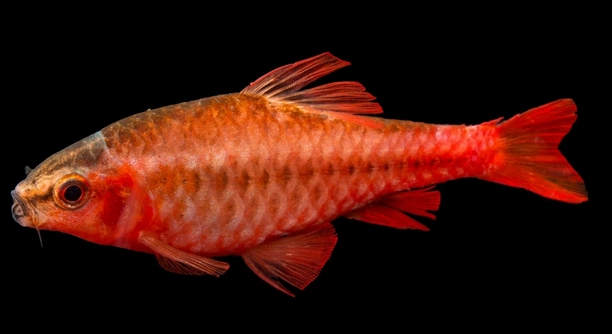
Are your cherry barbs acting strange after a routine water change? You’re not alone. Many aquarium keepers experience similar concerns when adjusting tank conditions for these popular freshwater fish.
Cherry barbs are moderately sensitive to water changes, especially sudden shifts in temperature, pH, or hardness. Maintaining stable conditions and using proper acclimation techniques is essential to avoid stress, illness, or even death in these fish.
Understanding how even small changes in water parameters affect cherry barbs can make a big difference in their behavior and overall health.
Why Cherry Barbs React to Water Changes
Cherry barbs come from calm, slightly acidic waters in Sri Lanka, so they are used to steady conditions. In home tanks, quick changes in water quality can overwhelm them. Their small size and delicate nature make them more sensitive compared to hardier fish. If the water’s temperature drops or pH shifts quickly, it may cause stress, loss of color, or erratic swimming. Even if they look fine on the surface, internal stress can weaken their immune system. This leaves them more open to infections or parasites. For this reason, it’s important to monitor water parameters regularly and introduce any changes slowly. A good practice is replacing only 20–25% of the tank water during changes. Using a water conditioner and letting new water reach tank temperature before adding it helps a lot. Doing this helps keep them calm and healthy in the long run.
Sudden changes affect more than just behavior—they can lead to lasting health issues if ignored.
By understanding how delicate their balance is, it’s easier to create a more stable home for your cherry barbs. Paying attention to temperature, pH, and water hardness lets you make changes safely. That way, they stay active and bright without showing signs of stress.
How to Prevent Issues During Water Changes
Start small and go slow. Even if the tank looks dirty, changing too much water at once can harm cherry barbs.
When changing water, always match the new water’s temperature to the tank. Use a thermometer to check it before pouring. If the water is too cold or hot, the fish may react poorly right away. Also, test the water’s pH and hardness using an aquarium test kit. If these differ too much from the tank’s levels, make adjustments before adding the new water. A water conditioner will help remove chlorine and other harmful chemicals from tap water. It’s also smart to add the new water slowly over a few minutes using a small container or siphon. This helps the fish adjust without being shocked. If your barbs show signs of stress after a change—like hiding or gasping—test the water again. Keeping records of your test results can help spot patterns and prevent problems later.
Common Signs of Stress in Cherry Barbs
Cherry barbs often show stress through changes in behavior. They may hide more, swim erratically, or lose their bright red coloring. Clamped fins or gasping at the surface are also signs something isn’t right in the tank environment.
When cherry barbs are stressed, their immune systems weaken. This can lead to illnesses like fin rot or ich. You might also notice them avoiding food or becoming more aggressive than usual. These signs usually show up shortly after a water change if the parameters shift too quickly. It’s important to observe them closely for the first few hours after adding new water. Fish may not show symptoms right away, but subtle changes in movement or interaction with tankmates often signal discomfort. Keeping an eye out for early signs can help prevent more serious problems later. Don’t ignore the small changes—they often mean more than you think.
Sometimes stress is easy to miss until it becomes a bigger problem. A usually active cherry barb that suddenly becomes sluggish or isolates itself may be signaling that something’s wrong. When in doubt, test your water. Look at ammonia, nitrites, nitrates, and pH levels. Even a slight imbalance can trigger these behaviors. Routine testing is one of the best ways to catch issues early. It’s also helpful to keep notes of what changes were made and how the fish reacted. This helps you find patterns and adjust your maintenance process. Healthy cherry barbs are curious, social, and brightly colored—anything less should prompt a closer look.
Best Practices for Stable Water Conditions
Keep a consistent routine for tank maintenance. Change 20–25% of the water weekly, and make sure new water is treated and temperature-matched. Sudden shifts in pH or hardness can cause more harm than skipped cleanings.
Test your water regularly with a reliable test kit. Check pH, ammonia, nitrite, and nitrate levels at least once a week. Avoid using untreated tap water, as it can introduce chlorine and other chemicals harmful to cherry barbs. When cleaning, don’t scrub everything spotless. Beneficial bacteria live on surfaces like decorations and gravel. Rinsing filter media in old tank water instead of fresh tap water helps preserve these helpful bacteria. Also, avoid overfeeding—extra food leads to waste buildup, which changes water quality quickly. A good filter, gentle water flow, and steady light cycles all support a balanced tank. When you treat the tank as a living system, your cherry barbs will reward you with active, healthy behavior.
Tools That Help With Smooth Water Changes
Using a siphon with a gravel vacuum lets you remove waste without disturbing your fish too much. It also helps you clean the substrate gently while keeping water flow steady during changes.
A water conditioner is essential to remove chlorine and chloramine from tap water. Choose one that also detoxifies heavy metals for extra safety.
How Often to Test Water Parameters
Testing water once a week is a good rule of thumb, especially after water changes. If your tank is new, test more frequently to catch early imbalances. Make sure to monitor ammonia, nitrite, nitrate, pH, and temperature regularly. Keep a simple log to track patterns and stay ahead of problems. Over time, you’ll start noticing trends and will be able to predict changes before they become an issue. Having test strips or a liquid test kit on hand makes this process quick and easy. With routine checks, your cherry barbs will be less likely to experience stress from unnoticed shifts in water quality.
Signs Your Cherry Barbs Are Thriving
Bright colors, active swimming, and regular eating are all great signs. When cherry barbs are healthy, they interact more and stay visible instead of hiding.
FAQ
How can I tell if my cherry barbs are stressed after a water change?
The first signs of stress in cherry barbs are usually behavioral. They may become more reclusive, swim less, or even change their coloration, fading from a vibrant red to a duller shade. Some barbs may also start gasping at the surface or swim in an erratic manner. If they seem to avoid food or seem lethargic, that’s another red flag. Keep a close watch during the first few hours after a water change. If the stress continues for more than a day, it’s a sign that something might be off with your water parameters.
Can cherry barbs survive large water changes?
Cherry barbs are best suited for gradual changes in water conditions. Large water changes can stress them, especially if there are significant shifts in temperature, pH, or hardness. While they may survive a large water change, it is more likely to cause stress, which could lead to illness or even death in extreme cases. It’s always safer to change only 20-25% of the water at a time. If a larger change is needed, do it over several days to avoid shocking your fish.
What water parameters should I aim for when keeping cherry barbs?
Cherry barbs prefer slightly acidic to neutral water with a pH range between 6.0 and 7.5. The water should also be soft to moderately hard, with hardness levels around 5-15 dGH. Temperature should be kept between 72°F and 80°F (22°C-27°C). Keep ammonia and nitrite levels at 0 ppm, and aim for nitrate levels below 20 ppm to ensure a healthy environment. Regular testing is key to maintaining these parameters consistently.
Can I use tap water for my cherry barbs?
Tap water can be used for cherry barbs, but it’s essential to treat it before adding it to the tank. Most tap water contains chlorine or chloramine, which can be harmful to your fish. Using a water conditioner that neutralizes chlorine and chloramine is crucial. Additionally, make sure the temperature of the new water matches that of the tank to avoid shocking your fish. If your tap water has high hardness or an extreme pH, you may need to adjust it with buffers before adding it to your aquarium.
How do I acclimate cherry barbs to new water conditions?
When acclimating cherry barbs to new water conditions, it’s best to do so slowly. For example, if you are adding new water, do it gradually using a siphon or small container to prevent any sudden temperature or pH shifts. You can also acclimate them by floating the bag with the fish in the tank for 15-20 minutes before releasing them. This helps them adjust to temperature changes. For larger changes, like when moving fish between tanks, drip acclimation is an excellent method. Slowly drip water from the new tank into the bag over 30-60 minutes to avoid rapid changes in water quality.
Is it necessary to have a filter for my cherry barbs?
Yes, a filter is important for maintaining good water quality. Cherry barbs thrive in tanks that are clean and stable, and a filter helps remove waste and excess nutrients. It also helps circulate the water, keeping it oxygenated. However, avoid strong currents as cherry barbs prefer calm waters. You can choose a filter with adjustable flow or one designed for smaller aquariums to ensure that the current doesn’t stress the fish.
What should I do if my cherry barbs are not eating after a water change?
If your cherry barbs are refusing food after a water change, check the water parameters first. A sudden change in water conditions could be the cause of their lack of appetite. Stress from temperature, pH, or hardness fluctuations can lead to them refusing food. If the parameters are within the appropriate range, try offering a different type of food. Some cherry barbs might be picky about food, especially after a stressor like a water change. If they continue to refuse food for more than a day or two, it could indicate a more serious health issue that needs further investigation.
How do I maintain a stable temperature for cherry barbs during water changes?
Maintaining a stable temperature is crucial for cherry barbs. When performing water changes, make sure that the new water matches the temperature of the tank as closely as possible. Use a thermometer to check both the tank and the new water. If you need to heat the new water, do it slowly to avoid temperature spikes. For larger tanks, using an aquarium heater that maintains consistent temperature can also help. It’s best to avoid introducing water that is too cold or too hot, as this can stress the fish.
How can I reduce stress during water changes for my cherry barbs?
To reduce stress, always perform gradual water changes of 20-25%. Introduce the new water slowly, especially if it’s coming from a different source. Make sure the temperature and pH of the new water match the existing tank water. Using a siphon with a gravel vacuum to remove waste helps keep the process smooth. Also, avoid changing too much water at once or over-cleaning the tank, as this can disrupt the ecosystem and stress your fish. Additionally, ensure that the tank is in a quiet, low-traffic area to avoid sudden noises or movements that may startle the barbs.
Can I use a water conditioner every time I change the water?
Yes, you should use a water conditioner every time you change the water. A water conditioner neutralizes harmful substances like chlorine and chloramine that are often found in tap water. Even if your tap water is treated, using a conditioner ensures it is safe for your fish. Some conditioners also detoxify heavy metals or promote slime coat health, which is beneficial for your fish. Always follow the instructions on the product label to avoid overuse.
Are cherry barbs compatible with other species in the tank during water changes?
Cherry barbs are peaceful and generally do well with other non-aggressive species. However, it’s important to make sure that water changes don’t disturb the entire tank. During changes, keep an eye on tankmates, especially if any fish are more sensitive to water fluctuations than others. Avoid placing aggressive fish in the same tank as cherry barbs, as they could stress the barbs out further during water changes. The key is ensuring that the water conditions are ideal for all species in the tank.
Final Thoughts
Cherry barbs are relatively hardy fish but can be sensitive to sudden changes in their environment, particularly when it comes to water conditions. Consistency is key to their well-being. Maintaining stable water temperature, pH, and hardness helps prevent stress and keeps them healthy. If you’re careful with water changes and monitor the tank’s parameters regularly, your cherry barbs will thrive. Remember that small, gradual changes are better than large, quick adjustments when it comes to maintaining a stable environment.
Water changes are an essential part of keeping your tank clean and healthy, but they can also be a source of stress for your fish if not done carefully. It’s important to test your water regularly, use water conditioners when necessary, and match the temperature of the new water with the tank’s before adding it. These practices help reduce the risk of shocking your fish and allow them to adjust more easily. With a bit of attention and routine, keeping your water conditions stable will become second nature, and your cherry barbs will appreciate the effort.
Overall, the key to happy cherry barbs is maintaining a balanced, consistent environment. Keep an eye on water quality, avoid sudden changes, and your fish will be more likely to thrive. Healthy cherry barbs are active, social, and full of color, so it’s worth investing the time and effort to ensure their home remains stable. Proper tank maintenance doesn’t just help the barbs; it also benefits all other species living in the aquarium. With the right care, you can enjoy the beauty and activity of your cherry barbs for years to come.

Hello,
If you enjoy the content that we create, please consider saying a "Thank You!" by leaving a tip.
Every little bit helps us continue crafting quality advice that supports the health, happiness, and well-being of pets around the world, for pets of all shapes, sizes, and species.
We really appreciate the kindness and support that you show us!