
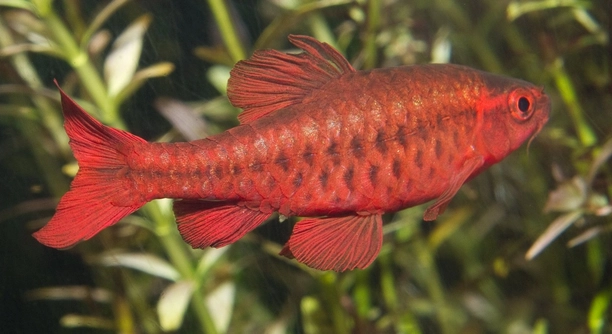
Cherry Barbs are a popular species of fish in many aquariums. Known for their vibrant colors, they are relatively easy to care for, but like all fish, they can be sensitive to certain water conditions. Chlorine is one such factor.
Cherry Barbs are indeed sensitive to chlorine in the water. Chlorine can harm their delicate gills and overall health, leading to stress or even death if exposure is prolonged. It is crucial to dechlorinate water before introducing it to your aquarium.
Knowing how chlorine affects Cherry Barbs is vital to keeping them healthy. Understanding the best ways to prepare your tank can make a big difference in their wellbeing.
Why Chlorine Affects Cherry Barbs
Cherry Barbs are particularly vulnerable to chlorine in the water because of their sensitive gills. Chlorine, even in small amounts, can damage these vital organs, affecting their ability to breathe properly. This can cause stress and weaken their immune system. When chlorine is introduced into their environment, it can make them more prone to infections and diseases. Over time, this constant exposure can lead to a significant decline in health, resulting in more severe issues or even death. This is why it’s important to make sure your aquarium water is free of chlorine before introducing your Cherry Barbs.
Chlorine can also irritate the fish’s skin and eyes. Even if they seem to adapt to the water at first, the long-term effects can be damaging.
To ensure Cherry Barbs thrive in your tank, using a water conditioner or dechlorinator is essential. These products neutralize chlorine, making the water safe for the fish. Even if you use tap water, it’s a simple way to prevent harm to your fish.
How to Dechlorinate Your Aquarium Water
Dechlorinating your aquarium water is simple and straightforward. You can purchase a water conditioner specifically designed to remove chlorine. These conditioners are available in most pet stores and are easy to use. Just follow the instructions on the product label, adding the right amount for the volume of your tank. Some products work instantly, while others may take a little time to neutralize the chlorine. It’s important to treat the water before introducing your Cherry Barbs to avoid any health issues.
Dechlorinating your water can significantly improve your fish’s health, preventing the stress that chlorine exposure can cause. It’s a quick and affordable solution that every fish owner should consider.
Additionally, if you’re concerned about water quality over time, investing in a good water filtration system will help remove chlorine and other harmful substances from the water. Regular water changes and maintaining your tank’s cleanliness will keep your Cherry Barbs healthy and happy.
Signs of Chlorine Toxicity in Cherry Barbs
Chlorine toxicity in Cherry Barbs can show up quickly. Symptoms include gasping at the surface, sluggish swimming, and unusual behavior. You may also notice your fish rubbing against objects or displaying signs of distress. Their gills may appear irritated or inflamed, and in severe cases, they might even lose their appetite.
In addition to the visible signs, chlorine exposure can cause long-term internal damage, weakening the fish’s immune system. This makes it harder for them to recover from illnesses. If chlorine levels remain high, your Cherry Barbs could develop more severe symptoms like lesions or scale loss.
It’s important to act quickly when you notice any of these signs. Immediate dechlorination of the water and a water change can help reduce the toxicity levels. Adding oxygen-rich water can also help Cherry Barbs recover faster. If you continue to see symptoms after dechlorinating, a more thorough water change may be necessary to ensure the fish’s health.
Maintaining Water Quality for Cherry Barbs
Maintaining water quality is essential to the wellbeing of your Cherry Barbs. Regular water changes, typically 20-30% once a week, help keep chlorine and other harmful chemicals at bay. A reliable filtration system will also help remove chlorine and keep the water cleaner for longer.
Be sure to test your water regularly for chlorine, pH, and other parameters. Testing kits are widely available and can give you peace of mind. Ensuring proper filtration is also key, as a good filter will prevent harmful substances from accumulating in the tank.
Proper maintenance can prevent many common issues that affect Cherry Barbs. By staying on top of water quality, you provide the best environment for them to thrive. Keeping the tank clean and regularly checking water quality parameters will also help prevent the build-up of chlorine and other toxins over time.
Impact of Chlorine on Tank Plants
Chlorine doesn’t only harm Cherry Barbs, it can affect the plants in your aquarium too. It can inhibit plant growth, leading to yellowing leaves or wilting. Plants struggle to absorb nutrients and could eventually die if chlorine levels remain too high.
Aquatic plants play a crucial role in maintaining water quality by absorbing excess nutrients. If chlorine is present, it can interfere with this process, leading to algae overgrowth and further compromising the environment for your fish. Dechlorinating water ensures that both your plants and fish stay healthy.
How to Protect Your Cherry Barbs and Plants
To protect both your Cherry Barbs and plants, make dechlorinating water a priority. Using a water conditioner designed to remove chlorine will prevent harm to both the fish and plants. It’s also a good idea to let the water sit for 24 hours before using it, allowing chlorine to naturally dissipate.
Additionally, if your tap water has high chlorine content, consider using a reverse osmosis system. This system can help filter out chlorine and other harmful substances, creating a safer environment for your fish and plants. Regular testing of your tank water ensures everything stays balanced.
Water Conditioner Options
When choosing a water conditioner, make sure it’s safe for both fish and plants. Some products are specially formulated to neutralize chlorine and chloramine. Always check the label to ensure it won’t harm sensitive species in your tank. These conditioners are easy to use and affordable, making them a must-have for every aquarium owner.
FAQ
Can Cherry Barbs survive in tap water with chlorine?
Cherry Barbs can survive in tap water with chlorine for a short period, but prolonged exposure can harm them. Chlorine irritates their gills, reduces oxygen intake, and can weaken their immune system, making them more vulnerable to diseases. It’s always best to dechlorinate the water before introducing it into your tank to avoid long-term health issues. If you can’t dechlorinate immediately, you may want to let the water sit for 24 hours before using it, allowing the chlorine to naturally dissipate.
How do I know if my water contains chlorine?
You can test your water for chlorine using a simple aquarium test kit. These kits are readily available at pet stores and can quickly determine the presence of chlorine in your tap water. The kit usually includes a color-changing solution that reacts with chlorine. Alternatively, if you don’t have a test kit, you can contact your water supplier and ask about chlorine levels in your area.
What is the best way to remove chlorine from aquarium water?
The best way to remove chlorine is by using a water conditioner or dechlorinator. These products are designed to neutralize chlorine quickly and safely. Just add the recommended amount to your tank before adding fresh water. There are also natural ways to remove chlorine, such as letting the water sit for a day or using activated carbon in your filter. However, water conditioners are the most efficient option for ensuring your fish remain safe.
How long does it take for chlorine to evaporate from water?
Chlorine will begin to evaporate from water after about 24 to 48 hours if left uncovered. However, this method is slow and unreliable, especially for larger quantities of water. While it may be effective in a small container, for your aquarium, it’s best to use a dechlorinator or let the water sit in a large tank with good aeration to speed up the process. Even then, the evaporation process may not completely remove chlorine.
Does boiling water remove chlorine?
Boiling water can help remove chlorine, but it’s not the most efficient method, especially for larger amounts. Chlorine begins to evaporate at around 100°C (212°F), so boiling will speed up the process. However, this is more practical for smaller quantities of water. For your aquarium, using a dechlorinator is a more reliable and quicker solution.
Can I use a charcoal filter to remove chlorine?
Yes, charcoal filters are effective at removing chlorine from aquarium water. Activated carbon, which is often used in filter cartridges, can absorb chlorine and other impurities. Be sure to replace the charcoal regularly, as its effectiveness decreases over time. Using a filter with activated carbon is a good way to maintain clean water and keep chlorine levels low.
How do I know if my Cherry Barbs are stressed from chlorine exposure?
Signs of stress in Cherry Barbs from chlorine exposure include gasping at the surface, rubbing against objects, and erratic swimming. Their gills may appear inflamed, and they may have a loss of appetite. If you notice these behaviors, check the water for chlorine and take immediate action to dechlorinate the water. Stress from chlorine can lead to weakened immune systems, leaving your Cherry Barbs more susceptible to illness.
Can I add fish to my tank immediately after dechlorinating the water?
It’s generally safe to add fish to your tank shortly after dechlorinating the water, as long as you follow the instructions on the dechlorinator. Most water conditioners work almost instantly, but make sure to wait the recommended time before introducing your fish. Testing the water after treatment can also ensure there’s no residual chlorine, which will help your fish stay safe.
Are Cherry Barbs more sensitive to chlorine than other fish?
Yes, Cherry Barbs are relatively sensitive to chlorine compared to some other fish species. Their small size and delicate gills make them more susceptible to harm. While other fish may tolerate chlorine exposure for a short time, it’s always better to err on the side of caution and make sure the water is free of chlorine before introducing your Cherry Barbs to their tank.
What should I do if I accidentally add chlorine to my tank?
If you accidentally add chlorinated water to your tank, take immediate action. Remove the fish to a temporary tank or bucket with safe, dechlorinated water. Then, add a water conditioner to the main tank to neutralize the chlorine. Perform a water change if necessary to dilute the chlorine and make the environment safe again. Test the water after treatment to ensure it is free of chlorine.
Can I use distilled water for my Cherry Barbs instead of tap water?
Distilled water can be used for Cherry Barbs, but it’s not the best choice on its own. Distilled water lacks the essential minerals that fish need to stay healthy. If you use distilled water, it’s important to remineralize it using a suitable aquarium mineral supplement. This will ensure your Cherry Barbs have the proper water chemistry they need to thrive.
Are there any alternative methods to treat chlorine in aquarium water?
In addition to using dechlorinators, you can use activated carbon in your filtration system to remove chlorine over time. Some aquarists also add a little bit of vitamin C to the water, as it can help neutralize chlorine, although this method is less reliable. The quickest and most efficient method remains using a dechlorinator.
Final Thoughts
Keeping your Cherry Barbs healthy involves more than just feeding them and maintaining the right temperature. Water quality plays a crucial role in their overall wellbeing, and chlorine can be one of the most harmful substances in your tank if not properly managed. While Cherry Barbs are relatively hardy fish, they are sensitive to chlorine, which can cause them stress, damage their gills, and weaken their immune system. Over time, exposure to chlorine can lead to serious health problems or even death, making it vital to ensure that your aquarium water is free of it.
The good news is that preventing chlorine exposure is simple. By using water conditioners, you can easily neutralize chlorine in tap water. These products are affordable and easy to find at most pet stores. They provide a quick and reliable way to make your aquarium water safe for your Cherry Barbs and other fish. In addition, letting your water sit for 24 hours or using an activated carbon filter are other methods you can use, although they may not be as fast or effective as using a dechlorinator. Regular water changes and proper filtration will also help maintain water quality and keep harmful chemicals in check.
Overall, protecting your Cherry Barbs from chlorine is an important part of their care routine. Whether you use a dechlorinator, activated carbon, or let the water sit, the goal is the same: to provide a safe, clean environment for your fish. With proper water management and attention to detail, your Cherry Barbs can live long, healthy lives. It’s not a difficult task, but it requires consistency and the right tools. By staying proactive, you ensure that your fish stay vibrant and full of life.

Hello,
If you enjoy the content that we create, please consider saying a "Thank You!" by leaving a tip.
Every little bit helps us continue crafting quality advice that supports the health, happiness, and well-being of pets around the world, for pets of all shapes, sizes, and species.
We really appreciate the kindness and support that you show us!