
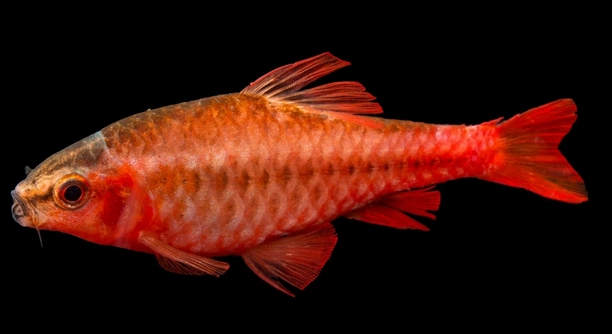
Cherry Barbs are a popular choice for aquariums due to their vibrant colors and peaceful nature. However, like all fish, they can be vulnerable to certain health issues, including internal parasites. Knowing how to protect them is key.
Cherry Barbs can be prone to internal parasites, particularly if their tank conditions are not optimal. Poor water quality, overcrowding, or stress can increase their susceptibility. Ensuring proper care and regular tank maintenance can help prevent such infections.
By understanding these factors, you can keep your Cherry Barbs healthy and minimize the risks of internal parasites in their environment.
Understanding Internal Parasites in Cherry Barbs
Internal parasites in fish are often overlooked, but they can have a significant impact on their health. These parasites can affect the digestive system and internal organs, leading to symptoms like loss of appetite, weight loss, and abnormal swimming behavior. While Cherry Barbs are not particularly more susceptible than other species, their small size and peaceful nature may make them more vulnerable to certain conditions that invite these parasites. Stress from poor tank conditions, such as overcrowding or inadequate filtration, can weaken their immune systems, increasing the risk of parasitic infections. If left unchecked, internal parasites can be fatal to your Cherry Barbs, making prevention and early detection essential.
Internal parasites are commonly transmitted through contaminated food, water, or infected tank mates. While some parasites are relatively harmless, others can cause severe damage if not treated promptly. Regular monitoring of your tank, keeping the water clean, and maintaining a healthy environment can help protect your Cherry Barbs from these threats.
When a Cherry Barb shows symptoms of internal parasites, it’s crucial to act quickly. You can treat the infection with medication designed for parasitic control. Additionally, improving water quality and reducing stress factors will give your fish a better chance to recover. Regular water changes and monitoring water parameters are essential steps to ensure a healthy, parasite-free environment for your Cherry Barbs.
Preventing Internal Parasites
Maintaining a balanced and clean tank is one of the best ways to prevent internal parasites. Regular water changes and proper filtration help reduce the likelihood of parasites taking hold.
Keep a close eye on your Cherry Barbs and other tank inhabitants. If you notice any signs of illness or unusual behavior, separate the affected fish to prevent the spread of parasites. Treating the tank as a whole can prevent an outbreak from spreading to other fish. Additionally, ensure that your fish are fed a balanced diet to support their immune systems. A healthy, well-fed fish is better equipped to fend off infections, including parasites. By taking these simple precautions, you can keep your Cherry Barbs thriving and healthy.
Common Symptoms of Internal Parasites in Cherry Barbs
Signs of internal parasites can often be subtle but are important to spot early. Look for changes in behavior like lethargy, loss of appetite, or irregular swimming patterns. If your Cherry Barb starts to show any of these, it’s a good idea to check for other signs, like bloating or visible weight loss.
Infected Cherry Barbs might also exhibit signs of internal distress, such as swollen bellies or abnormal coloration. These symptoms usually indicate the presence of parasites affecting the digestive system or internal organs. It’s vital to act quickly when noticing these changes, as untreated parasitic infections can lead to death. In some cases, fish may show increased scratching against tank surfaces, indicating discomfort. Proper diagnosis and treatment are essential to prevent further complications and ensure the health of your Cherry Barb.
If your fish displays multiple symptoms, the first step is to separate the infected fish to prevent spreading the parasites. Many parasites are highly contagious and can affect other tank mates. Treatment with antiparasitic medication can be helpful, but always consult a vet or aquatic specialist to ensure the correct approach for your specific situation.
Diagnosing Internal Parasites in Cherry Barbs
To diagnose internal parasites, it’s crucial to observe your fish carefully. Many parasites cause changes in behavior, but some might not show visible symptoms right away. A veterinarian or aquatics specialist can perform tests to confirm the presence of parasites.
In addition to behavioral signs, the vet might suggest performing a fecal test or examining the fish under a microscope. This will help identify the type of parasite involved, which is essential for choosing the right treatment. Some parasites are easier to treat than others, so knowing which one you’re dealing with can make all the difference. If your Cherry Barb is showing obvious signs, like bloating or loss of appetite, the vet may recommend targeted antiparasitic treatments based on the diagnosis.
Once diagnosed, it’s critical to follow the treatment plan exactly. Some treatments involve adding chemicals to the tank water, while others may require medicated food. It’s also important to maintain a clean tank and separate any infected fish until they’ve fully recovered to avoid spreading the infection.
Treatment Options for Internal Parasites in Cherry Barbs
Once internal parasites are confirmed, the next step is to treat the infection. Antiparasitic medications are the most common solution, available in both food and water treatments. Ensure you choose the right type of medication for your specific parasite.
It’s essential to follow the treatment instructions carefully to ensure effectiveness. Some medications require a few doses over several days, while others may work faster. During this time, maintain clean water conditions and avoid overfeeding. Stress can worsen the condition, so keeping the tank environment stable will help your Cherry Barb recover quicker.
The Role of Water Quality in Preventing Parasites
Water quality plays a significant role in preventing internal parasites. Poor water conditions, such as high levels of ammonia, nitrates, or nitrites, can weaken your fish’s immune system, making them more susceptible to infections.
Regular water changes and testing for harmful chemicals are essential to maintain a healthy tank. It’s also important to use a high-quality filter to remove waste and toxins from the water. Keeping the water parameters stable will help prevent stress and promote overall fish health, reducing the risk of parasitic infections.
Importance of a Balanced Diet for Cherry Barbs
A well-balanced diet is essential in strengthening the immune system of your Cherry Barbs. Providing them with a variety of nutritious foods ensures they get the necessary vitamins and minerals to fight off infections.
FAQ
How can I prevent internal parasites in my Cherry Barbs?
Prevention is key to ensuring your Cherry Barbs remain healthy. Maintaining high water quality is essential, as dirty water can weaken their immune systems and make them more prone to parasites. Regular water changes and monitoring ammonia, nitrate, and nitrite levels will keep the water safe. Additionally, avoid overcrowding the tank, as this increases stress and the risk of parasite transmission. A balanced diet is also crucial, as it strengthens their immune system, helping them fend off infections. Lastly, avoid introducing new fish without quarantining them first, as they can bring in parasites.
What are the best treatments for internal parasites in Cherry Barbs?
When treating internal parasites, start by choosing the right antiparasitic medication for your specific situation. Medications can be added directly to the water or mixed with food, depending on the type of parasite. It’s important to follow the instructions on the medication carefully to ensure it works. Some treatments may require multiple doses over several days. During treatment, maintain excellent water quality and avoid overfeeding. If possible, isolate the infected fish to prevent the spread of parasites. Consult an aquarium specialist or veterinarian for advice on the best treatment for your Cherry Barbs.
Can I treat internal parasites at home?
Yes, internal parasites in Cherry Barbs can be treated at home, but it requires careful attention. Many antiparasitic treatments are available at pet stores or online. Medications often come in liquid or powdered form, designed to be mixed into the aquarium water or food. However, it’s important to diagnose the parasite correctly before starting treatment, as different parasites require different approaches. If the infection is severe or treatment isn’t effective, it’s best to seek help from a vet who specializes in fish.
How do I know if my Cherry Barb has internal parasites?
The most common signs of internal parasites are changes in behavior and appearance. Your Cherry Barb may become lethargic, stop eating, or begin to lose weight. Swelling in the belly, a loss of color, or unusual swimming behavior are also key indicators. If your fish begins rubbing against tank surfaces or showing signs of distress, it could be infected. Early detection is critical to preventing the spread of parasites and ensuring the best chance of recovery.
Can internal parasites be fatal for Cherry Barbs?
If left untreated, internal parasites can be fatal for Cherry Barbs. These parasites can damage internal organs, leading to serious health problems such as malnutrition or organ failure. While some parasites may cause mild symptoms that resolve on their own with improved water quality, others can be more severe and need prompt medical attention. If you notice any signs of illness, it’s important to take action quickly to prevent long-term damage or death.
How long does it take for a Cherry Barb to recover from internal parasites?
The recovery time for a Cherry Barb depends on the severity of the infection and the effectiveness of the treatment. In mild cases, it may take just a few days to a week for your fish to show signs of improvement. For more severe infections, it could take several weeks of treatment and care. It’s important to continue monitoring your fish and keep the water quality optimal during recovery. Be patient and allow your fish enough time to fully heal before reintroducing them to the main tank.
Are Cherry Barbs more prone to internal parasites than other fish?
Cherry Barbs are not necessarily more prone to internal parasites than other freshwater fish. However, like all fish, they can become infected if their tank conditions are poor. Stress from overcrowding, poor water quality, or lack of proper diet can make any fish, including Cherry Barbs, more susceptible to parasites. Ensuring your Cherry Barbs are kept in a stable environment with regular water changes and good nutrition will help reduce their risk of infection.
Can Cherry Barbs get external parasites as well?
While Cherry Barbs are primarily vulnerable to internal parasites, they can also be affected by external parasites such as ich or skin flukes. External parasites usually appear as visible spots or lesions on the body and gills of the fish. These infections require different treatments than internal parasites, typically in the form of medicated baths or external treatments added to the tank. Proper quarantine procedures for new fish and regular monitoring of your tank can help prevent both internal and external parasites.
What should I do if my Cherry Barb refuses to eat?
If your Cherry Barb refuses to eat, it may be a sign of stress, illness, or internal parasites. First, check the water quality to ensure it is within the correct parameters, as poor water quality can cause fish to stop eating. If the water is fine and your fish continues to refuse food, it may be dealing with internal parasites. Other symptoms like bloating, lethargy, or weight loss may confirm this. If your fish is sick, start treatment immediately. Offering high-quality, nutritious food can also encourage a sick fish to start eating again.
Can poor diet cause internal parasites in Cherry Barbs?
A poor diet can weaken a Cherry Barb’s immune system, making them more susceptible to parasites, but it doesn’t directly cause internal parasites. Internal parasites usually come from contaminated food or water, or from infected tank mates. However, a balanced diet plays a crucial role in maintaining the health of your fish, helping them fight off infections and recover more quickly if they become ill. Ensure your Cherry Barbs are fed a variety of high-quality foods to support their overall health.
Should I isolate an infected Cherry Barb?
Yes, isolating an infected Cherry Barb is crucial to preventing the spread of parasites to other fish in the tank. Parasites are often contagious, and treating the entire tank can be complicated if not all the fish are showing symptoms. Isolating the infected fish in a separate quarantine tank will allow you to focus on their recovery without putting the rest of the tank at risk. It also gives you a better chance of monitoring the fish’s condition closely and treating it effectively.
Final Thoughts
Taking care of Cherry Barbs involves understanding both their needs and potential health risks, such as internal parasites. These fish are generally hardy, but poor water quality, stress, and a weak immune system can make them more susceptible to infections. Regular tank maintenance, including water changes and testing water parameters, plays a crucial role in keeping these fish healthy. Ensuring that the environment is as stress-free as possible, with proper diet and adequate tank space, will reduce the chances of your Cherry Barbs facing these issues.
When it comes to internal parasites, early detection is key. If you notice signs such as weight loss, lack of appetite, or unusual swimming behavior, it’s important to act quickly. Treating the fish promptly can prevent the parasites from causing serious harm. The use of appropriate medications, along with maintaining clean water, will give your Cherry Barb the best chance of recovery. Keep in mind that not all parasites require the same treatment, so identifying the specific type of infection is important for choosing the right approach.
While internal parasites can be a concern, they are not always a reason to panic. With proper care, most Cherry Barbs can recover fully from parasitic infections. The best way to prevent these issues is by maintaining optimal tank conditions and providing a healthy diet. By staying vigilant and proactive, you can ensure that your Cherry Barbs remain vibrant and active for years to come.

Hello,
If you enjoy the content that we create, please consider saying a "Thank You!" by leaving a tip.
Every little bit helps us continue crafting quality advice that supports the health, happiness, and well-being of pets around the world, for pets of all shapes, sizes, and species.
We really appreciate the kindness and support that you show us!