
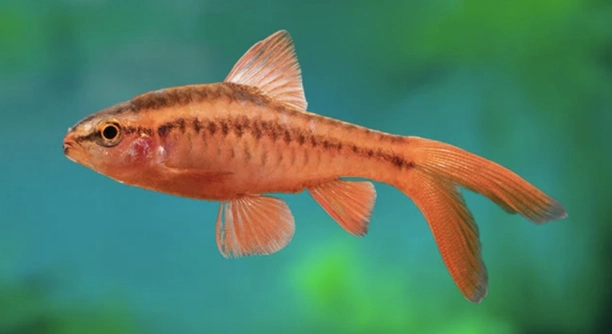
Cherry Barbs are popular for their vibrant colors and peaceful nature. They thrive in a well-maintained aquarium with clean, stable water. Understanding the impact of water changes on their health is important for keeping them happy and healthy.
Cherry Barbs generally tolerate weekly water changes, as it helps maintain water quality and prevents harmful toxins. Regular changes can enhance their environment, reducing the risk of disease and stress, which is vital for their well-being.
Maintaining consistent water quality contributes to the long-term health of Cherry Barbs, making it an essential part of their care routine.
The Importance of Water Quality for Cherry Barbs
Maintaining water quality is one of the most crucial aspects of keeping Cherry Barbs healthy. Poor water quality can lead to stress, disease, and even death. Regular water changes help remove toxins, reduce waste buildup, and ensure the water stays oxygenated. By keeping the water clean, you create an environment where your Cherry Barbs can thrive. Proper filtration and regular water testing also contribute to maintaining a stable, healthy aquatic environment.
Frequent water changes can also improve overall tank aesthetics. Clean water ensures the colors of your Cherry Barbs remain vibrant and clear, contributing to a more visually appealing tank.
A clean, stable environment also helps prevent the buildup of harmful substances like ammonia and nitrates. These toxins, even in small amounts, can negatively impact Cherry Barbs and their ability to stay healthy. Regular water changes are an easy way to mitigate these risks and keep your fish safe and thriving.
How Water Changes Affect Your Fish
Water changes not only affect the overall tank but also directly impact the well-being of your Cherry Barbs.
When you perform weekly water changes, you effectively lower the levels of toxins and waste in the tank. This is particularly important in tanks with multiple fish, as the waste they produce can quickly accumulate. Removing this waste helps prevent conditions like fin rot, fungal infections, and other diseases that can arise in dirty water. Proper water changes ensure that your Cherry Barbs can swim freely without being burdened by harmful toxins.
Weekly Water Changes and Cherry Barbs Health
Weekly water changes help maintain optimal water conditions for your Cherry Barbs. Clean water reduces stress and supports healthy fish behavior, contributing to their well-being. The removal of waste and harmful substances also keeps your fish active and lively.
Stress from poor water quality can lead to weakened immune systems in Cherry Barbs. When the water is consistently clean, they are less likely to develop health issues like skin lesions or respiratory problems. The absence of harmful bacteria in the water allows your Cherry Barbs to flourish, increasing their lifespan.
In addition, regular water changes support the filtration system’s effectiveness. Over time, filters can accumulate debris and become less efficient. By performing water changes, you reduce the load on the filter and maintain better filtration, which helps keep the water clean and oxygenated for your fish.
How to Perform a Water Change
To perform a proper water change, first, ensure you have all the necessary tools: a siphon, a bucket, and a water conditioner.
Start by removing 25-30% of the tank’s water using the siphon. Be sure to remove debris and waste from the gravel or substrate as you do so. Once the water is removed, refill the tank with fresh water, making sure it matches the temperature of the tank water to avoid shocking the fish. Use a water conditioner to neutralize chlorine or chloramine in the tap water. This simple process ensures the tank remains clean, allowing your Cherry Barbs to live in a safe environment.
Signs That Your Cherry Barbs May Be Stressed
Cherry Barbs show signs of stress when water quality is poor. These signs include hiding, reduced activity, or loss of color. You might notice them swimming near the surface or breathing heavily, indicating poor oxygen levels. These behaviors often signal the need for immediate water changes.
If your Cherry Barbs are staying near the substrate or not interacting with tank mates, it’s likely due to stress. Regular water changes help to alleviate these stress symptoms. Once the water quality improves, their behavior should return to normal, with more active and vibrant movement throughout the tank.
Impact of Water Changes on Tank Mates
Water changes affect not only Cherry Barbs but also any other fish or invertebrates sharing the tank. Maintaining a clean tank benefits all residents. For example, it prevents the build-up of harmful bacteria or parasites that could harm your other aquatic pets. Keeping the water stable ensures everyone stays healthy.
Regular water changes can reduce the risk of cross-contamination between species. Some species are more susceptible to diseases, and clean water reduces the chances of transmission. As a result, maintaining a healthy aquatic ecosystem with regular water changes benefits your entire tank’s community.
FAQ
How often should I change the water for Cherry Barbs?
Water changes should be performed weekly to ensure a stable and healthy environment for your Cherry Barbs. Regular changes of 25-30% of the tank’s water help maintain water quality by reducing toxins like ammonia, nitrites, and nitrates. This keeps the water oxygenated and free from harmful waste, which is essential for the well-being of your Cherry Barbs. Over time, they will become accustomed to this routine, and you will notice a more vibrant and active fish.
Can I do larger water changes less often?
Larger water changes, such as 50%, are not recommended too often as they can stress your fish. It’s better to perform smaller, more frequent water changes to maintain consistency in the tank’s environment. Changing too much water at once can also disrupt the stability of water parameters like temperature, pH, and hardness. Stick to smaller water changes weekly to avoid shocking your fish and to keep water quality steady.
Is it safe to change 100% of the water in my tank?
Changing 100% of the water at once is not recommended for Cherry Barbs. Doing so can upset the balance of the tank and cause stress to the fish. The filtration system relies on a stable water environment with established beneficial bacteria. When you remove all the water, you risk losing these bacteria, which can lead to water quality issues. It’s best to change small amounts of water regularly rather than all at once.
Can I use tap water for my water changes?
Yes, you can use tap water, but it’s important to treat it with a water conditioner before adding it to the tank. Tap water often contains chlorine or chloramine, which are harmful to fish. Water conditioners neutralize these chemicals, making the water safe for your Cherry Barbs. Always check the water’s temperature before adding it to the tank to avoid sudden temperature changes that could stress the fish.
How do I know when my Cherry Barbs are stressed?
Stressed Cherry Barbs often exhibit certain behaviors, such as hiding, reduced activity, or heavy breathing near the surface. Their color may also fade, and they may stop interacting with other fish. These symptoms usually indicate that water quality is not ideal, and a water change should be done as soon as possible to relieve stress.
Do I need to remove my Cherry Barbs when performing water changes?
It’s not necessary to remove your Cherry Barbs when performing water changes, as long as you’re making sure the water temperature and conditions are stable. Fish are generally fine when the water change is done properly. However, if you’re changing a large portion of the water or performing maintenance that could cause a disturbance, you may want to consider temporarily moving them to a safe holding container.
What tools do I need for water changes?
To perform water changes, you’ll need a siphon or gravel vacuum, a clean bucket, a water conditioner, and a thermometer. The siphon helps remove debris from the substrate while removing water. The bucket is used to carry out the dirty water and bring in clean water. A thermometer ensures the new water is the same temperature as the tank to prevent stressing the fish. The water conditioner neutralizes harmful chemicals from tap water.
Should I clean the filter during water changes?
It’s not necessary to clean the filter every time you do a water change. In fact, over-cleaning the filter can remove beneficial bacteria, which could disrupt the biological filtration process. Clean the filter media only when it appears clogged or when you notice a drop in water flow. If you do clean it, make sure to use water from the tank, not tap water, to preserve the beneficial bacteria.
How can I avoid algae growth during water changes?
To prevent algae growth, ensure your tank isn’t exposed to too much direct sunlight, as this encourages algae. Performing regular water changes helps remove nutrients that algae thrive on, such as nitrates. You can also add live plants to the tank, as they will absorb excess nutrients that could otherwise fuel algae growth. Consider using a small algae scrubber to remove algae from the walls during each water change.
What temperature should the water be for my Cherry Barbs?
The water temperature for Cherry Barbs should be maintained between 72°F and 80°F (22°C to 27°C). Sudden changes in temperature can cause stress and affect their health. When performing water changes, make sure the new water is within this temperature range. Always use a thermometer to check both the tank and the new water before adding it to ensure a smooth transition for your fish.
Do I need to test the water after each change?
Testing the water after each change is a good practice, especially when you’re first establishing a routine. Regular testing allows you to monitor parameters like pH, ammonia, nitrites, and nitrates, which are crucial for maintaining water quality. Over time, as you become more familiar with your tank’s needs, you may test less frequently. However, if you notice any signs of stress in your fish, it’s a good idea to test the water to identify any issues.
How do water changes affect the pH level of the tank?
Water changes can affect the pH level, especially if you’re using tap water with a significantly different pH than your tank’s water. To avoid drastic fluctuations, it’s a good idea to let the new water sit for a few hours and check the pH before adding it to the tank. You can also add a pH stabilizer if needed to help maintain a consistent level. Regular water changes, over time, help stabilize the pH by diluting excess acids or bases in the water.
Can I add fish immediately after a water change?
It’s best to wait a little while before adding new fish after a water change. A newly changed tank can still have fluctuating parameters, and adding fish right away can lead to stress. Give the water some time to stabilize before introducing any new tank mates. It’s essential to monitor the tank closely for a few hours after a water change to ensure everything is balanced before adding new fish.
How can I avoid overfeeding my Cherry Barbs?
Overfeeding can contribute to poor water quality, as uneaten food breaks down and creates waste. To avoid overfeeding, give your Cherry Barbs only what they can eat in 2-3 minutes. Remove any leftover food after feeding to prevent it from decomposing in the tank. Regular water changes help to remove any remaining waste, but controlling feeding habits is the first step in maintaining a clean environment for your fish.
What are the benefits of using a gravel vacuum?
A gravel vacuum is an essential tool for performing effective water changes. It removes debris, uneaten food, and fish waste from the substrate, helping to keep the tank clean. The vacuum works by siphoning water from the tank while simultaneously disturbing the gravel, lifting trapped dirt to be removed. This ensures a thorough cleaning without disturbing the environment too much. Using a gravel vacuum during each water change keeps the substrate clean, improving water quality and overall tank health.
Final Thoughts
Cherry Barbs are hardy fish, but maintaining optimal water quality is crucial for their health and well-being. Regular water changes, around 25-30% weekly, help to keep the water clean and prevent harmful toxins from building up. This routine not only supports the overall health of your Cherry Barbs but also helps maintain the balance of the entire tank ecosystem. The process is simple yet effective in promoting a stable and healthy environment.
While the specific needs of each aquarium can vary, following a basic water change routine can minimize stress on your fish and prevent common issues such as poor water quality or disease. Cherry Barbs, like many other aquarium fish, can be sensitive to changes in their environment. Small, frequent water changes reduce the chances of stressing the fish, unlike larger, less frequent changes that may disrupt their comfort. By being consistent, you will notice that your fish remain active, vibrant, and healthy.
In conclusion, keeping your Cherry Barbs healthy doesn’t have to be complicated. Regular, smaller water changes go a long way in ensuring that your fish stay in optimal conditions. When done correctly, water changes are an easy and effective part of aquarium maintenance. With a little effort, your Cherry Barbs can thrive, showing off their full color and playful nature. Establishing a good routine and being mindful of water quality will lead to a happy and healthy tank for your Cherry Barbs.

Hello,
If you enjoy the content that we create, please consider saying a "Thank You!" by leaving a tip.
Every little bit helps us continue crafting quality advice that supports the health, happiness, and well-being of pets around the world, for pets of all shapes, sizes, and species.
We really appreciate the kindness and support that you show us!