
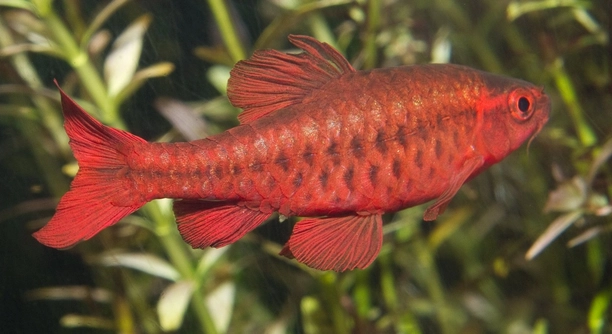
Cherry barbs are popular aquarium fish known for their active and colorful nature. Many fish enthusiasts wonder about their activity levels in different water conditions, especially when it comes to soft water. Understanding their behavior can improve their care and health.
Cherry barbs are generally more active in soft water due to the lower mineral content, which helps them thrive. Soft water often supports better osmoregulation, providing an environment where cherry barbs feel more comfortable and energetic.
The effect of water hardness on cherry barbs can significantly impact their activity levels. Knowing more about this relationship can help you create an optimal environment for these beautiful fish.
The Role of Water Hardness in Cherry Barbs’ Behavior
Water hardness plays a crucial role in the health and behavior of cherry barbs. When kept in soft water, their activity levels tend to rise. This is because softer water contains fewer dissolved minerals like calcium and magnesium, which can make it easier for fish to maintain their internal balance. Soft water provides a less stressful environment for cherry barbs, allowing them to move more freely and interact with their surroundings. In harder water, the minerals can create more resistance, leading to reduced activity. As a result, cherry barbs often prefer soft water, where they feel more at ease.
Soft water has a direct impact on cherry barbs’ ability to thrive. In comparison to hard water, soft water helps them maintain better osmoregulation, which is essential for their overall well-being.
The key factor influencing cherry barbs’ activity in soft water is their ability to balance salt levels within their bodies. The lower mineral content in soft water prevents the fish from expending excessive energy on maintaining internal fluid levels. This allows them to focus on more natural behaviors, like swimming actively and interacting with other fish. Soft water provides a comfortable space for cherry barbs to engage in their usual activities, leading to improved physical and social behavior. Understanding how water hardness affects their well-being helps aquarium owners create a better environment for their fish.
Impact of pH and Temperature on Activity
In addition to water hardness, pH and temperature also influence cherry barbs’ energy levels.
Cherry barbs are most active in slightly acidic to neutral water, with a pH range of 6.5 to 7.5. Extreme pH levels can stress them out, reducing their energy and activity. Temperature also plays a role, with cherry barbs thriving in warmer water between 75°F and 80°F. At lower temperatures, their metabolism slows down, making them less active. Maintaining a balanced pH and consistent temperature ensures that cherry barbs remain active and healthy in their environment.
Importance of Water Quality for Cherry Barbs
Water quality is crucial for keeping cherry barbs active and healthy. Clean, well-maintained water ensures they stay energized. Regular water changes and proper filtration can reduce the buildup of toxins that could affect their movement. Without the right water quality, cherry barbs may appear sluggish and stressed.
Water quality directly impacts the overall health of cherry barbs. Toxins like ammonia or nitrites can cause health issues, lowering their activity. Regularly checking water parameters such as ammonia, nitrite, nitrate, and pH helps maintain an environment that supports their natural behavior. Keeping the water clean promotes better swimming and more vibrant colors, ensuring the fish thrive.
With the right water quality, cherry barbs will feel comfortable in their tank and remain active. An efficient filtration system and a consistent maintenance routine make all the difference. It’s not just about soft water, but the entire aquatic environment that can affect their well-being. This also helps prevent common fish diseases caused by poor water conditions.
Monitoring Salinity Levels
Salinity levels are another factor to keep in mind for cherry barbs’ activity.
Though cherry barbs prefer soft water, they are also sensitive to sudden changes in salinity. Keeping the salinity low, close to freshwater levels, is ideal for their health. A consistent, balanced salinity environment ensures that the fish stay lively and stress-free, allowing them to interact freely with their tank mates.
Maintaining proper salinity is essential to avoiding unwanted stress in cherry barbs. Sudden shifts in salt concentration can cause them to become sluggish or weak. Regularly monitoring salinity and avoiding fluctuations helps keep their energy levels high. When salinity levels are within the ideal range, cherry barbs are more active, showing off their beautiful colors and swift movements. Therefore, it’s important to keep a stable environment to allow them to thrive.
Effects of Tank Size on Activity
The size of the tank affects how active cherry barbs are. In a cramped environment, they may become stressed and less active. A spacious tank allows them to swim freely, promoting more natural behaviors and higher activity levels. Ensuring plenty of room is key for their well-being.
Cherry barbs are social fish that enjoy swimming in schools. A tank that’s too small doesn’t provide enough space for them to interact comfortably, which can lead to reduced activity. A larger tank with plenty of swimming space lets them feel secure and encourages movement, helping them stay more active.
Tank Decorations and Hiding Spots
Providing plants and hiding spots can increase activity levels in cherry barbs.
Hiding spots give cherry barbs a sense of security, reducing stress and encouraging them to swim more. A well-decorated tank with live plants or ornaments not only improves their environment but also makes the fish feel more comfortable. This leads to better movement and behavior.
Proper Diet for Activity
Diet plays a large role in maintaining cherry barbs’ energy levels.
A varied and nutritious diet supports their activity. Feeding them high-quality flakes, pellets, and occasional live food ensures they have the nutrients needed for energy. Proper feeding helps cherry barbs stay active and engage with their environment, as they are not weighed down by deficiencies.
FAQ
What is soft water, and why do cherry barbs prefer it?
Soft water has a low mineral content, which is easier for cherry barbs to handle. These fish prefer soft water because it helps them regulate their internal fluids more efficiently. The lack of excessive minerals in the water allows cherry barbs to conserve energy, making them more active. In contrast, hard water with high mineral levels can create a lot of strain on their bodies, causing them to be less active.
How does water hardness affect cherry barbs’ behavior?
Water hardness can directly impact cherry barbs’ activity levels. Hard water, rich in calcium and magnesium, can make it more difficult for these fish to regulate their internal balance. As a result, they may become sluggish and stressed. In softer water, cherry barbs find it easier to maintain proper osmoregulation, leading to higher energy levels and more active behavior. This is why cherry barbs tend to swim and interact more in soft water.
Can I keep cherry barbs in hard water?
While cherry barbs can survive in hard water, it’s not ideal for them. Hard water increases the strain on their body’s osmoregulatory processes, causing them to be less active. They may adapt to hard water over time, but they won’t thrive as much as they would in soft water. If you have hard water, you can soften it by adding reverse osmosis water or using water conditioners to reduce mineral content.
What water temperature is best for cherry barbs?
Cherry barbs thrive in temperatures between 75°F and 80°F (24°C to 27°C). At temperatures outside this range, their metabolism slows down, and they become less active. If the water is too cold, cherry barbs might even stop eating or become sluggish. Maintaining a steady temperature within the ideal range helps keep them energetic and healthy.
Can pH levels affect cherry barbs’ activity?
Yes, pH levels play a role in the overall well-being of cherry barbs. They prefer slightly acidic to neutral water, with a pH of 6.5 to 7.5. If the pH level becomes too low or too high, it can stress the fish, making them less active. Stable pH levels within their preferred range help them feel secure, which encourages more movement and interaction with their environment.
How often should I change the water for cherry barbs?
Water changes are essential for keeping cherry barbs healthy and active. A 25-30% water change every week is generally recommended to maintain good water quality. Regular water changes help remove toxins like ammonia and nitrates, preventing stress and promoting healthy activity levels. The cleaner the water, the more active the fish will be.
Do cherry barbs need a school to stay active?
Yes, cherry barbs are social fish that thrive in groups. Keeping them in schools of at least 6-8 fish allows them to exhibit natural behaviors like schooling and interacting with each other. When kept alone or in small groups, cherry barbs may become stressed and less active. A larger group creates a more comfortable environment for them to swim and explore, leading to increased activity.
What kind of tank decorations are best for cherry barbs?
Cherry barbs enjoy a well-decorated tank with live plants, rocks, and hiding spots. Plants provide places for them to explore and hide, reducing stress and encouraging movement. Avoid overcrowding the tank with too many decorations, as it can limit their swimming space. Provide enough open space for them to swim freely while also offering hiding spots for security.
Can cherry barbs tolerate salt in their tank?
Cherry barbs are freshwater fish and should not be kept in brackish or saltwater. While they can tolerate small amounts of salt in certain situations, such as to treat fish diseases, it’s generally not recommended to add salt to their tank for regular use. Keeping them in clean, freshwater conditions is the best way to ensure they remain active and healthy.
Do cherry barbs eat a special diet to stay active?
A balanced diet is key to keeping cherry barbs active. They do best with a mix of high-quality flake food, pellets, and occasional live or frozen foods like brine shrimp and daphnia. Proper nutrition helps them maintain their energy levels, ensuring they are lively and engaged. Avoid overfeeding, as excess food can pollute the water and affect their health.
Can cherry barbs be kept with other fish?
Cherry barbs are peaceful and can be kept with a variety of other community fish. They get along well with other small to medium-sized species, as long as the tank is large enough to avoid crowding. However, avoid keeping them with aggressive fish that might stress them out or cause them to be less active. Choosing compatible tank mates is important for maintaining a calm and active environment for cherry barbs.
How can I tell if my cherry barbs are stressed?
Signs of stress in cherry barbs include hiding, lethargy, faded colors, and loss of appetite. If your cherry barbs are not swimming as actively as usual or appear to be staying in one spot, it could be a sign that they are stressed. Stress can result from poor water quality, unsuitable tank conditions, or aggressive tank mates. Regular water testing and adjusting environmental factors can help prevent stress and keep your fish active.
Final Thoughts
Cherry barbs are vibrant, active fish that can bring life to any aquarium. Their activity levels can be influenced by various factors, but water quality and water hardness are among the most important. These fish prefer soft water because it supports better osmoregulation, allowing them to conserve energy. When the water is too hard, the added minerals make it harder for cherry barbs to maintain their internal balance, leading to reduced activity. Maintaining soft, clean water is a key factor in ensuring your cherry barbs remain energetic and healthy.
Temperature and pH also play significant roles in cherry barbs’ activity levels. They thrive in water that is slightly acidic to neutral, with a pH between 6.5 and 7.5. Keeping the water temperature in the range of 75°F to 80°F is equally important. Too much fluctuation in either can stress the fish and make them less active. A stable environment, with proper water parameters, helps cherry barbs feel comfortable and encourages them to swim around, interact with other fish, and showcase their colorful appearance. Regular maintenance of these factors helps ensure they stay vibrant and lively.
Lastly, tank size, decorations, and diet should not be overlooked. A larger tank allows cherry barbs more space to swim and interact, reducing stress and increasing their activity. Adding plants and hiding spots can help them feel more secure and less stressed, which also promotes better behavior. Providing a balanced diet with a mix of high-quality foods helps keep them well-nourished, supporting their energy levels. By focusing on all these aspects, you can create a healthy environment for cherry barbs, leading to a happier and more active aquarium.

Hello,
If you enjoy the content that we create, please consider saying a "Thank You!" by leaving a tip.
Every little bit helps us continue crafting quality advice that supports the health, happiness, and well-being of pets around the world, for pets of all shapes, sizes, and species.
We really appreciate the kindness and support that you show us!