
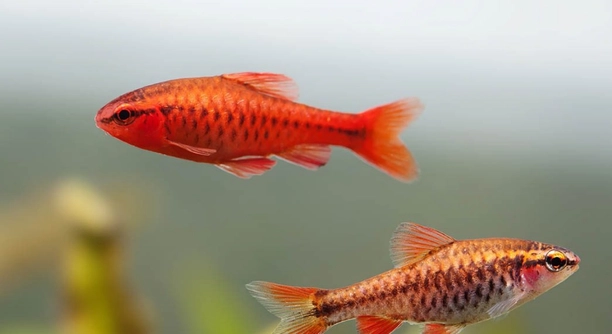
Cherry Barbs are popular aquarium fish known for their vibrant colors. However, their behavior can sometimes vary depending on the time of day. Understanding how their activity levels change throughout the day is important for their care.
Cherry Barbs tend to be less active in the morning compared to other times of the day. This is due to their natural behavior patterns, which include resting during the early hours and becoming more active as the day progresses.
Knowing when Cherry Barbs are most active helps ensure that you create an optimal environment for them.
Why Cherry Barbs Are Less Active in the Morning
Cherry Barbs are typically more active during the later parts of the day. Their natural instinct is to remain calm during the morning hours, allowing them to conserve energy. This behavior is influenced by their environment and the amount of light available. In a well-lit tank, they may begin to move more freely as daylight increases. The water temperature can also impact their level of activity, as warmer water tends to make them more energetic. It’s essential to monitor their environment to ensure they feel comfortable and secure, which promotes regular activity.
Morning behavior patterns are not unique to Cherry Barbs. Many fish species tend to be less active in the early hours. As the day progresses, the increase in light and warmer temperatures triggers a more active state. Understanding these natural rhythms can help maintain a healthy tank environment for your fish.
By setting up proper lighting and maintaining consistent water conditions, you can encourage your Cherry Barbs to thrive throughout the day. Regular observations will help you determine when your fish are most active and ensure they’re well taken care of.
How Lighting and Water Conditions Affect Their Activity
Lighting plays a key role in regulating Cherry Barbs’ behavior. The shift from darkness to light signals the beginning of their active period. Proper lighting setups, such as timers, can create a stable routine for the fish. Additionally, ensuring the tank temperature remains consistent and comfortable can make a noticeable difference in their behavior.
Water quality also contributes to the overall well-being of your Cherry Barbs. Clean water, with a balanced pH level, promotes healthier and more active fish. Be sure to clean the tank regularly to prevent harmful bacteria or algae from affecting your fish’s health. Proper filtration helps maintain water conditions for optimal activity.
Cherry Barbs and Feeding Patterns
Cherry Barbs are typically less interested in food during the morning hours. This can be attributed to their more relaxed behavior early in the day. As the day progresses, their appetite increases, and they become more active during feeding times. Adjusting feeding schedules to align with their natural rhythms can improve their overall health and behavior.
Feeding Cherry Barbs in the evening or late afternoon is often a good approach. This ensures that they are more alert and ready to eat. Overfeeding in the morning can lead to uneaten food, which can impact water quality. Keeping feeding times consistent can help regulate their eating habits.
Feeding them a varied diet will keep them healthy and active, especially as they become more energetic in the later parts of the day. Offering both flake and pellet foods ensures they receive the necessary nutrients. Additionally, occasional live food such as brine shrimp can help stimulate their natural hunting instincts.
Adjusting Tank Setup for Better Activity
Creating the ideal tank environment is crucial for stimulating activity in Cherry Barbs. In addition to proper lighting, a well-decorated tank encourages movement and exploration. Adding plants, rocks, and hiding spots allows Cherry Barbs to feel secure while encouraging natural behaviors. A varied setup can help them feel more comfortable and active.
The placement of decorations in the tank also affects how the Cherry Barbs move around. Fish are more likely to swim actively if they have areas to explore and hide. When setting up a tank, make sure the space is open enough for them to swim freely while providing shelter to reduce stress. Regularly changing the layout of the tank can also provide a stimulating environment. This slight change can mimic the natural environment and encourage the fish to be more active.
Temperature’s Role in Activity
Water temperature has a significant impact on the activity levels of Cherry Barbs. They tend to be more sluggish in colder water, while warmer temperatures encourage more movement and energy. It is important to keep the water temperature consistent to maintain a balanced environment.
Cherry Barbs thrive in water temperatures between 72°F and 78°F. Temperatures outside this range can cause stress and reduce their activity levels. Regularly checking the tank’s temperature with a reliable thermometer ensures they remain in their preferred range. Maintaining a stable temperature also reduces the risk of illness.
Stress and Its Impact
Stress can greatly affect a Cherry Barb’s behavior and activity levels. Factors like overcrowding, poor water quality, and abrupt changes in the tank environment can all contribute to stress. This leads to reduced movement and general lethargy.
Stress can be avoided by maintaining proper tank conditions and offering enough space for each fish. Reducing noise, sudden movements, or disturbances near the tank also helps. Cherry Barbs, like most fish, prefer calm environments to thrive. Ensuring these elements are in check will result in a more active fish.
FAQ
Are Cherry Barbs active during the night?
Cherry Barbs are generally less active during the night. They are diurnal fish, meaning they are naturally more active during the day and tend to rest at night. It’s normal for them to slow down and sleep once the lights go out. Providing a stable day-night cycle with proper lighting is key to their well-being.
Can I encourage Cherry Barbs to be more active in the morning?
While it’s difficult to completely change their natural patterns, you can try adjusting the environment to make them feel more comfortable earlier in the day. Using gentle lighting and ensuring the water temperature is within their preferred range may encourage slight activity. However, they will still be less active in the mornings compared to later in the day.
How long do Cherry Barbs rest in the morning?
Cherry Barbs typically rest for a few hours after the tank lights come on. During this time, they are more likely to stay in one area of the tank, conserving energy. As the day progresses, they start to move more, becoming increasingly active.
What is the ideal lighting schedule for Cherry Barbs?
Cherry Barbs do well with a consistent lighting schedule, which mimics natural daylight patterns. A cycle of about 10 to 12 hours of light per day is ideal. You can use a timer to maintain consistency, ensuring that the lights turn on and off at the same time every day.
Can I use bright lights to make Cherry Barbs more active?
Bright lights are not necessary for Cherry Barbs to become more active. In fact, harsh lighting can cause stress. It’s better to use moderate lighting, which provides a natural cycle of day and night. A dimmer light can help reduce stress, allowing them to remain active in a comfortable setting.
What temperature is best for Cherry Barbs?
Cherry Barbs thrive in water temperatures between 72°F and 78°F. Staying within this range helps maintain their energy levels and overall health. Water that is too cold can cause them to become sluggish, while warmer water can lead to stress if it exceeds their comfort range.
Do Cherry Barbs need a filter to stay active?
While a filter is not directly related to their activity levels, it is essential for maintaining water quality. A clean and well-filtered tank prevents the buildup of waste and toxins that can stress the fish and reduce their activity. Regular water changes and proper filtration keep Cherry Barbs in good health, supporting their natural behaviors.
Are Cherry Barbs social fish?
Cherry Barbs are relatively social and enjoy being in small groups. Having more than one Cherry Barb in a tank encourages them to engage in more active behaviors. However, they are peaceful fish and do not require large groups to stay healthy. Keeping a small school, typically 4-6 fish, helps them feel more comfortable and secure.
What decorations are best for Cherry Barbs?
Cherry Barbs appreciate a well-decorated tank with plenty of hiding spots. Live plants, rocks, and driftwood create a natural environment where they feel secure. These decorations encourage exploration and movement. Ensure there are open spaces in the tank for swimming, as Cherry Barbs enjoy moving through different areas.
How often should I feed Cherry Barbs to keep them active?
Cherry Barbs should be fed once or twice a day. Overfeeding can lead to uneaten food, which may decay and negatively impact water quality. Offer them a balanced diet, including pellets, flakes, and occasional live food, to support their health and activity levels. Be sure to remove any leftover food after feeding to maintain water clarity.
Can Cherry Barbs be kept with other fish?
Yes, Cherry Barbs are peaceful and can be kept with a variety of other fish species. They get along well with other small, non-aggressive fish. Avoid keeping them with larger or aggressive fish, as they may become stressed or inactive due to potential bullying.
Do Cherry Barbs need special care in the morning?
There’s no need for special care in the morning. Their behavior naturally slows down during this time. The main focus should be on maintaining a stable and clean environment. Ensuring the water temperature, lighting, and feeding schedule are consistent will help keep them comfortable and active throughout the day.
Why are my Cherry Barbs not eating in the morning?
It’s normal for Cherry Barbs to have reduced appetite in the morning. This is part of their natural rhythm, where they are more focused on resting rather than eating. If they are not eating later in the day, it could indicate stress, poor water quality, or an issue with the food.
Can Cherry Barbs survive in colder water?
Cherry Barbs can survive in water temperatures slightly below their ideal range, but their activity levels will decrease. Prolonged exposure to cold water can stress them and affect their immune system. Maintaining the proper water temperature will help them stay active and healthy.
How do I know if my Cherry Barbs are stressed?
Signs of stress in Cherry Barbs include unusual swimming patterns, loss of appetite, hiding, or fading colors. Stress can be caused by poor water quality, overcrowding, or sudden changes in the tank environment. Addressing these issues promptly will help reduce stress and encourage more natural behavior.
Are there any health concerns related to low activity in Cherry Barbs?
Low activity in Cherry Barbs is typically not a health concern if it’s part of their natural behavior. However, if they show signs of lethargy throughout the day or appear unresponsive, it may indicate an underlying health issue, such as poor water quality or illness. Regular tank maintenance and observation are essential.
How can I tell if my Cherry Barbs are happy?
Healthy and happy Cherry Barbs are usually active, displaying vibrant colors and engaging with their environment. They should swim in schools and explore different areas of the tank. If they appear relaxed, have an appetite, and show no signs of stress, they are likely content in their environment.
Do Cherry Barbs need companionship?
While Cherry Barbs are not highly social, they do better when kept in small groups. They feel more secure and exhibit more natural behaviors when surrounded by their own kind. However, they do not need large groups to thrive and can live in pairs or small schools.
Final Thoughts
Cherry Barbs are relatively low-maintenance fish that bring color and movement to any aquarium. Their natural activity patterns tend to lean toward being more active during the day, with slower activity in the mornings and at night. Understanding these natural cycles is crucial for providing a comfortable and healthy environment. With the right care, Cherry Barbs will continue to thrive and display their natural behaviors, including swimming actively and interacting with their surroundings. Keeping their tank conditions stable and stress-free is key to ensuring they remain active and healthy.
To maintain their health and activity levels, it’s important to monitor factors like water temperature, filtration, and lighting. Cherry Barbs thrive in moderate lighting and prefer a consistent day-night cycle, which helps regulate their behavior. Temperature also plays a big role; water that is too cold can slow them down, while temperatures that are too high can cause stress. Regular water changes and appropriate filtration are essential for keeping the tank clean, which in turn supports their activity levels.
In conclusion, Cherry Barbs are generally low-maintenance and adaptable fish. They enjoy being in small groups but do not require excessive attention or specialized care. Their activity levels may vary depending on the time of day, but with proper tank conditions, they can be lively and healthy. Understanding their natural behavior and needs will help you provide the best environment for them to thrive. By ensuring proper water temperature, avoiding stress, and keeping their tank clean, you’ll help your Cherry Barbs stay active and vibrant throughout the day.

Hello,
If you enjoy the content that we create, please consider saying a "Thank You!" by leaving a tip.
Every little bit helps us continue crafting quality advice that supports the health, happiness, and well-being of pets around the world, for pets of all shapes, sizes, and species.
We really appreciate the kindness and support that you show us!