
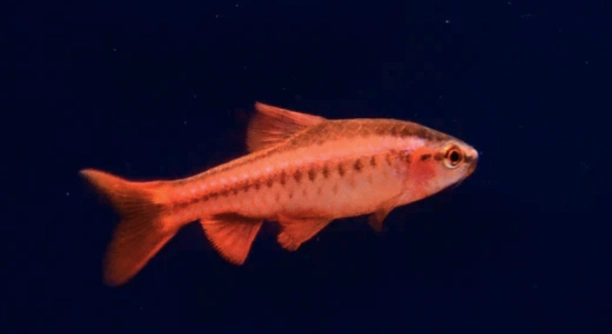
Cherry barbs and bettas are two popular freshwater fish often kept in home aquariums. Understanding their compatibility is important when choosing tank mates to ensure a peaceful and healthy environment for all species involved.
Cherry barbs can generally live peacefully with bettas, provided their tank conditions are carefully managed. Bettas are territorial, but cherry barbs are small, peaceful fish that typically avoid aggression, making them suitable companions in the right environment.
Proper tank size, water conditions, and sufficient hiding spots for the betta can help reduce potential conflicts. It’s essential to monitor their behavior to maintain a harmonious tank setup.
Cherry Barbs and Bettas: Basic Overview
Cherry barbs are small, peaceful fish native to South Asia. They have vibrant red coloring and can grow up to 2 inches. Bettas, on the other hand, are known for their bold, colorful fins and aggressive nature, especially the males. While cherry barbs are generally calm, bettas are territorial and may show aggression, particularly toward other males or fish with long fins. This can create challenges when keeping them together in a single tank.
When combining the two species, it’s crucial to consider the size of the tank, the number of hiding spots, and the overall temperament of both fish. A properly set-up aquarium can make a big difference in reducing stress and potential conflicts. Bettas may feel threatened by the fast-moving cherry barbs, while the barbs themselves prefer to swim in schools, which can also influence their behavior. With careful planning, these fish can coexist peacefully.
Proper tank setup, such as a larger tank with lots of hiding places, can help minimize stress and territorial disputes between the two species. Keeping only one male betta in a tank with multiple cherry barbs can also reduce the chances of aggression.
Key Considerations for Tank Setup
The tank size plays a critical role when housing cherry barbs with bettas. A tank should be at least 20 gallons to allow the fish enough space to swim freely and establish territories. In smaller tanks, the confined space may lead to increased stress and aggression. Bettas can become territorial, especially if they feel their space is invaded.
It’s also important to have plenty of hiding spots and plants to break up the visual lines between fish. Cherry barbs can be shy and prefer to hide if they feel threatened, so providing hiding spots like plants, rocks, or decorations can help them feel more secure. Bettas, on the other hand, often prefer to patrol their space and will appreciate areas where they can retreat when feeling stressed.
Behavioral Dynamics of Cherry Barbs and Bettas
Cherry barbs are generally peaceful and prefer to swim in groups, but their behavior can change if they feel threatened or stressed. Bettas, however, are territorial and may become aggressive toward any fish that enters their space. If bettas view cherry barbs as intruders, they may chase them or flare their fins in a display of dominance.
While bettas are not typically aggressive toward smaller, peaceful species, they may not tolerate the presence of other males or species with long, flowing fins. Cherry barbs have short, compact fins, so they are less likely to provoke a betta’s territorial aggression. However, male bettas may still feel threatened by the presence of any other colorful fish. To reduce aggression, it’s best to keep a single male betta with several female cherry barbs or just a small group of cherry barbs, avoiding an overpopulation of bettas in the tank.
How to Minimize Stress and Aggression
The best way to minimize aggression between cherry barbs and bettas is through careful tank management. Keeping the tank environment peaceful with plenty of space and hiding spots will ensure the betta doesn’t feel crowded or overly territorial. When adding cherry barbs to a betta’s tank, make sure the betta is the only male present to avoid conflict between males.
Providing a varied environment that mimics their natural habitat, with plants, rocks, and other hiding spots, will allow both species to feel secure. Cherry barbs will have a place to retreat if they feel threatened, and bettas will appreciate their own space to swim freely. Additionally, keeping the water parameters stable—such as temperature and pH—will reduce stress and keep both species comfortable. With these considerations, cherry barbs and bettas can coexist in the same tank with minimal issues.
Tank Size and Space Requirements
A larger tank is essential for keeping both cherry barbs and bettas together. A 20-gallon tank is the minimum recommended size for a peaceful setup. The more space they have, the less likely they are to feel threatened. This helps in avoiding territorial aggression from the betta and stress for the cherry barbs.
In a larger tank, the betta has space to establish its territory without feeling crowded, while the cherry barbs can freely swim in schools. This encourages more natural behavior for both species, reducing the chances of skirmishes. A cramped tank would increase stress and likely lead to aggression, especially from the betta. Ensuring adequate space is one of the most important factors for successfully housing these two species together.
A well-sized tank also ensures that you can include a variety of plants, rocks, and other decorations to create hiding spots. These additions will help both species feel more secure. Cherry barbs, though peaceful, will still need places to retreat when they feel threatened. A larger space allows for better organization and separation of territories, which benefits all the fish in the tank.
Managing Water Conditions
Cherry barbs and bettas both thrive in similar water conditions. Keeping the temperature between 76°F to 80°F and maintaining a pH level between 6.5 to 7.5 is ideal for both species. It’s important to monitor the water quality closely to ensure a healthy environment for both.
For optimal health, regular water changes are necessary to prevent harmful toxins from building up. Nitrite and ammonia levels should be kept as close to zero as possible. Poor water quality can lead to stress and illness in both species, making it crucial to use a good filtration system. Betta fish are particularly sensitive to poor water conditions, which could result in an aggressive or lethargic demeanor. By maintaining consistent water parameters, both the cherry barbs and bettas will feel more comfortable.
A reliable water testing kit is recommended for regular monitoring. This will allow you to detect any changes in water chemistry that might stress your fish. Keeping the tank clean, using a reliable filter, and making sure to replace the water regularly are simple yet effective ways to ensure a healthy and peaceful environment for both species.
Adding Cherry Barbs to a Betta Tank
When adding cherry barbs to a tank with an established betta, do so gradually. Introduce them during a time when the betta is calm, such as after feeding. This can help reduce the chance of the betta feeling threatened or territorial.
Introducing the cherry barbs in groups, rather than individually, can also help. Betta fish may be less likely to target individual fish if there’s a group of smaller, active fish swimming together. Cherry barbs are peaceful but will move in schools, which can help create a distraction for the betta. This can reduce the betta’s aggressiveness toward any single fish.
It’s also a good idea to monitor the tank closely for a few days after introducing new fish. Watch for any signs of aggression, such as fin nipping or chasing. If needed, remove a fish if aggression becomes too intense, but this is rare if the environment is properly managed.
Betta’s Territorial Behavior
Bettas are naturally territorial fish, especially males. They will defend their space aggressively, particularly if they feel a threat. Female bettas tend to be less aggressive but can still display territorial behavior, especially during breeding season. Recognizing these signs can help you manage the tank properly.
If you notice your betta displaying aggression, such as flaring its fins or chasing after the cherry barbs, you may need to add more plants and decorations. Creating separate areas of the tank can give the betta space to establish its territory while allowing the barbs to swim freely. Keeping only one male betta in the tank can also reduce conflict. Bettas are less likely to fight when there’s no competition from other males. It’s important to keep a close eye on any signs of stress or territorial disputes.
Fish Compatibility and Feeding
While cherry barbs and bettas are generally compatible, feeding them properly ensures they remain healthy and happy. Bettas are carnivores, and cherry barbs are omnivores, so they require different diets. Offering a varied diet that suits both fish is key to avoiding any nutritional issues.
FAQ
Can cherry barbs live with bettas?
Yes, cherry barbs can live with bettas in the right conditions. Bettas are territorial, but cherry barbs are peaceful and small, which makes them less likely to provoke the betta. However, it’s essential to provide plenty of space, hiding spots, and ensure there are no other males in the tank to reduce aggression. Keeping a group of cherry barbs, rather than a single fish, can also help them feel more secure.
What size tank do I need for cherry barbs and bettas?
A minimum of 20 gallons is recommended for housing cherry barbs with a betta. A larger tank will help reduce territorial disputes and provide both species with enough space to swim. Cherry barbs do better in schools, and bettas need space to feel secure. More space helps to create a more balanced environment.
How many cherry barbs should I have with a betta?
It’s best to keep at least five cherry barbs with a betta. Cherry barbs are schooling fish, and keeping them in groups will make them feel safer. A larger group will also help distract the betta, reducing the chance of it becoming overly aggressive toward any one fish. However, make sure the tank isn’t overcrowded, as this could increase stress for all the fish.
What is the best way to introduce cherry barbs to a betta tank?
When introducing cherry barbs to a betta tank, it’s best to add them gradually, especially if the betta is already settled in the tank. Adding new fish during a calm moment, like after feeding, can help reduce the betta’s territorial behavior. It’s also important to observe the tank closely for a few days to ensure there’s no aggression.
Do cherry barbs need a lot of hiding spots?
Yes, cherry barbs feel more comfortable when there are plenty of hiding spots in the tank. These fish are peaceful but can become stressed if they don’t have a place to retreat. Plants, rocks, and decorations can provide shelter for the cherry barbs and make them feel secure, reducing stress and helping them thrive.
Can cherry barbs and bettas share the same food?
Cherry barbs and bettas have different dietary needs, but they can share some foods. Bettas are carnivores and require a diet of protein-rich foods like pellets, live, or frozen food. Cherry barbs are omnivores and enjoy a balanced diet of flakes, pellets, and occasional live food. Offering a variety of foods that suit both species can ensure their nutritional needs are met.
How do I know if my betta is being aggressive?
Betta fish are known for their aggression, particularly toward other males or brightly colored fish. Signs of aggression include flaring of the fins, chasing, nipping, or even biting other fish. If your betta is showing these behaviors, consider rearranging the tank or adding more hiding spots for the fish. Sometimes, removing the aggressive fish or adding more plants can reduce conflict.
Can cherry barbs nip a betta’s fins?
Cherry barbs are generally peaceful, but like any fish, they may nip if stressed. However, they are less likely to target a betta’s long fins, especially if they feel secure. Keeping cherry barbs in a group and providing hiding spots for both species will reduce the chances of this behavior occurring. Ensuring the betta is not overly stressed or threatened will also help prevent fin nipping.
Will bettas attack cherry barbs?
Bettas may show some aggression toward cherry barbs, especially if the betta feels threatened or if the tank is too small. However, cherry barbs are small and tend to avoid confrontation. Bettas are more likely to be aggressive toward other males or fish with long fins, so cherry barbs, with their smaller fins, are usually not a target. Providing plenty of hiding spots and ensuring enough space for both species helps prevent aggression.
What should I do if my betta is bullying the cherry barbs?
If your betta is bullying the cherry barbs, consider increasing the number of hiding spots in the tank. Adding plants, rocks, and decorations can break up sight lines and give the barbs a place to retreat. If the aggression continues, you might need to separate the betta into its own tank, especially if it’s overly territorial. Regularly monitoring the fish’s behavior will help you assess the situation.
Are there any signs that my cherry barbs are stressed?
Stressed cherry barbs may exhibit behaviors like hiding more often, being less active, or losing their vibrant color. If the cherry barbs are swimming erratically or staying at the bottom of the tank, it could be a sign of stress. Stress can result from poor water conditions, insufficient space, or aggression from tank mates. Reducing stress factors and ensuring proper tank setup can help the fish recover.
Can I keep a male betta with multiple female cherry barbs?
Yes, keeping a male betta with multiple female cherry barbs can be a good option, as female bettas are generally less aggressive than males. However, the same precautions should be taken—ensuring there are enough hiding spots and space to reduce territorial issues. Keeping one male betta with several female cherry barbs is often a safer combination than multiple males.
Should I monitor the water quality when keeping cherry barbs with bettas?
Yes, monitoring water quality is essential when keeping any fish, including cherry barbs and bettas. Regular water changes and using a reliable filtration system will help maintain optimal water conditions. Bettas are particularly sensitive to poor water quality, and poor conditions can lead to stress and even aggression. Testing the water regularly for ammonia, nitrite, and nitrate levels will ensure a healthy environment for all the fish.
Final Thoughts
When considering cherry barbs and bettas as tank mates, it’s important to understand their individual needs and behaviors. Bettas are known for being territorial and can sometimes show aggression, especially toward other males or brightly colored fish. Cherry barbs, on the other hand, are peaceful and small, making them generally suitable for a community tank. However, they still require some attention to detail to ensure a peaceful coexistence. The key to keeping these two species together is a well-planned setup with enough space, hiding spots, and proper tank management.
A larger tank, ideally 20 gallons or more, is recommended to reduce territorial disputes and stress. Bettas thrive in spacious tanks where they can establish their own territory, while cherry barbs feel more secure in groups. Providing hiding spots with plants, rocks, or decorations helps both species feel safe and reduces potential conflicts. It’s essential to make sure the tank is not overcrowded, as this could lead to stress for both the betta and the cherry barbs. Additionally, maintaining proper water conditions and regularly testing water quality ensures a healthy environment for all fish involved.
While cherry barbs and bettas can live together peacefully, monitoring their behavior is essential. Some bettas may show aggression, especially if they feel threatened or if their territory is invaded. Keeping only one male betta and a group of female cherry barbs can help reduce aggression. If problems arise, rearranging the tank or adding more hiding places can often resolve issues. Overall, with the right care and attention, cherry barbs and bettas can coexist in the same tank and offer an attractive, peaceful display in your aquarium.

Hello,
If you enjoy the content that we create, please consider saying a "Thank You!" by leaving a tip.
Every little bit helps us continue crafting quality advice that supports the health, happiness, and well-being of pets around the world, for pets of all shapes, sizes, and species.
We really appreciate the kindness and support that you show us!