
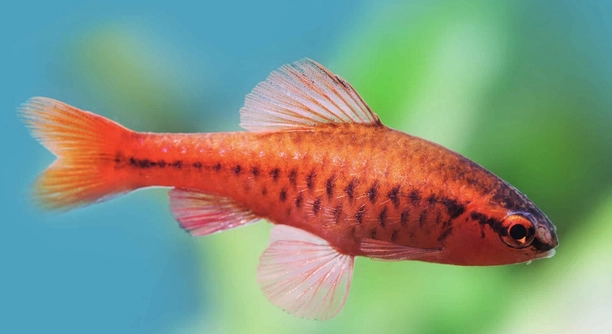
Cherry barbs are popular fish in the aquarium hobby, known for their vibrant colors and peaceful nature. As aquarium keepers, it’s important to understand how certain factors like CO2 diffusers might affect the well-being of your fish.
Cherry barbs can be sensitive to fluctuations in CO2 levels in the water. High concentrations of CO2 can lead to stress, erratic behavior, and even death, while lower levels may have little to no effect on their health.
Understanding how CO2 diffusers impact cherry barbs will help you maintain a healthy environment for them. We’ll explore how to balance CO2 levels for the best outcomes.
How CO2 Diffusers Work in Aquariums
CO2 diffusers are devices used to add carbon dioxide into aquarium water. They are common in planted tanks, where plants need CO2 for photosynthesis. These diffusers help ensure that plants thrive by providing them with the right levels of carbon dioxide. When working properly, CO2 diffusers distribute the gas evenly throughout the water. This can result in healthier plants and a more stable aquatic environment. However, for fish, including cherry barbs, too much CO2 can create problems. The CO2 can lower the pH of the water and lead to oxygen depletion. While plants benefit from CO2, it is crucial to maintain the right balance to avoid harming the fish.
Even in well-maintained tanks, fluctuations in CO2 levels can cause stress to cherry barbs. Keeping the CO2 levels stable is key to their overall health.
The balance of CO2 in your tank should be monitored regularly. It’s helpful to use a CO2 system that allows for controlled releases, so the water conditions stay ideal for both plants and fish. Cherry barbs need stable water conditions to stay active and healthy. Keeping a close eye on CO2 levels ensures that you can provide an optimal environment. If CO2 levels get too high, it could cause respiratory issues for your fish, reducing their lifespan. Regular testing of the water’s pH, CO2, and oxygen levels can prevent these problems.
Effects of CO2 on Cherry Barbs
Cherry barbs are sensitive to changes in water chemistry, particularly CO2 levels. High CO2 concentrations can be harmful to them, as they might struggle to get enough oxygen.
Too much CO2 can cause your cherry barbs to become lethargic, and in severe cases, they may suffocate. A drop in pH is often a sign that CO2 levels are rising, and this can make the environment unsuitable for fish. Keeping CO2 at safe levels is crucial for their well-being.
CO2 Levels and Water Quality
Maintaining balanced CO2 levels directly impacts the water quality in your aquarium. Excess CO2 can reduce oxygen, leading to poor water conditions. This harms fish like cherry barbs, making it harder for them to thrive.
Water quality is key for cherry barbs’ health, as they rely on clean, well-oxygenated water. When CO2 levels rise too high, it lowers the dissolved oxygen, making it harder for the fish to breathe. If water becomes too acidic, it can affect not just fish but plants as well. While plants may thrive in CO2-rich environments, too much can be damaging for everyone. Regular water testing is essential to maintain the balance, keeping CO2 levels in check while ensuring that the oxygen content remains stable.
Cherry barbs are sensitive to changes in their environment, especially water chemistry. High CO2 levels can alter their behavior, causing them to become sluggish or hide more often. They may stop feeding or swim erratically. These signs indicate that the CO2 levels are too high and need adjustment. Keeping a close eye on water quality is one way to prevent these issues. You can prevent excessive CO2 buildup by using a diffuser system with a reliable CO2 regulator to maintain consistency in your tank.
Solutions to Maintain Balanced CO2
To maintain a healthy balance, it’s essential to adjust CO2 levels gradually and monitor them regularly. An aquarium CO2 kit can help measure the right amount of CO2 that your plants need without harming the fish.
Controlling CO2 levels in your tank requires attention to both the diffuser system and the plants. First, ensure that your CO2 system is functioning properly. A reliable CO2 regulator will help you keep levels steady, ensuring your plants get enough CO2. You should also monitor the water’s pH regularly, as drops in pH indicate a rise in CO2 concentration. If you notice significant changes, it’s time to reduce the CO2 output. Additionally, consider adding an air stone or surface agitation to increase oxygen exchange, especially in heavily-planted tanks. Balancing CO2 levels with other factors like lighting and plant density can make a significant difference in maintaining healthy water quality.
Monitoring CO2 Effectively
Using a CO2 drop checker is an easy and effective way to monitor CO2 levels in your tank. This small tool changes color based on CO2 concentration, allowing you to maintain optimal levels for your plants and fish.
A drop checker is a simple device that helps you ensure CO2 levels stay within safe limits. It works by indicating whether your CO2 levels are too high, too low, or just right. By regularly checking the color of the drop checker, you can make quick adjustments to the CO2 regulator. This helps prevent any drastic changes in your aquarium’s environment, ensuring cherry barbs stay comfortable and healthy.
If you notice the color shifting to a dark green or yellow, this means the CO2 levels are too high, and you should reduce the flow. Conversely, if the color turns blue, it indicates low CO2, and you may need to increase it. By adjusting the CO2 accordingly, you help maintain both plant growth and fish health.
pH and CO2 Relationship
When CO2 levels rise, pH levels naturally drop. This drop can affect both the fish and plants in your tank.
A sudden pH drop caused by excess CO2 can be stressful for cherry barbs. They thrive in stable pH environments, and rapid changes can cause health problems. To keep cherry barbs safe, it’s important to manage CO2 release gradually and make small adjustments to avoid sudden shifts in pH.
FAQ
Do cherry barbs need CO2 in their tank?
Cherry barbs don’t necessarily need CO2 in their tank. However, if you’re growing live plants, CO2 can be beneficial for plant health. Cherry barbs are more concerned with water quality, temperature, and oxygen levels than the presence of CO2 itself. If you’re using CO2 to support your plants, just make sure the levels don’t get too high, as excess CO2 can harm the fish.
How do CO2 diffusers affect cherry barbs?
CO2 diffusers can affect cherry barbs if the CO2 levels become too high. Excess CO2 can cause the water’s pH to drop, which makes the environment more acidic and can stress your fish. High CO2 concentrations can also lower the oxygen levels in the water, which can lead to respiratory problems for the cherry barbs. It’s important to monitor CO2 levels carefully to avoid harming the fish.
What CO2 level is safe for cherry barbs?
A CO2 level between 20-30 ppm (parts per million) is typically safe for cherry barbs. This range helps maintain healthy plant growth while not overwhelming the fish. However, it’s important to remember that CO2 levels need to be adjusted based on tank size, plant density, and filtration. If you’re using CO2 in your tank, regularly test the water and make adjustments as needed.
Can cherry barbs survive without CO2?
Yes, cherry barbs can survive without CO2. CO2 is primarily used for plant growth in the tank, not for the fish. While cherry barbs thrive in tanks with stable water conditions, the absence of added CO2 won’t harm them directly. In fact, it may even be easier to keep cherry barbs healthy without worrying about CO2 levels affecting the water chemistry.
How do I know if my cherry barbs are stressed from CO2?
Signs of stress in cherry barbs due to CO2 include erratic swimming, lethargy, gasping at the surface, or hiding more than usual. If your cherry barbs appear sluggish, it’s a sign that something may be off with the water parameters, including CO2 levels. If you notice these signs, check your CO2 levels and pH to ensure they are within safe ranges.
How can I prevent CO2 toxicity in my tank?
To prevent CO2 toxicity, you should always monitor CO2 levels regularly using a drop checker. If the water becomes too acidic (low pH), you may need to reduce the CO2 output. It’s also helpful to use a reliable CO2 regulator to ensure stable and gradual CO2 release. Aerating the tank with an air stone can also help increase oxygen levels, reducing the risk of CO2 buildup.
What other water parameters should I check for cherry barbs?
In addition to CO2, you should regularly check the pH, hardness, and temperature of the water in your aquarium. Cherry barbs prefer a pH of around 6.5 to 7.5 and a temperature between 72°F to 80°F (22°C to 27°C). Keeping these parameters stable ensures the overall health and happiness of your fish. Testing the water regularly helps prevent any sudden shifts that could negatively affect the cherry barbs.
Can I use CO2 with other fish in the same tank as cherry barbs?
Yes, you can use CO2 in a tank with other fish as long as the CO2 levels are carefully controlled. Different species have different tolerances to changes in water chemistry, so it’s important to monitor all the fish for signs of distress. As long as you maintain stable CO2 levels and ensure the water remains oxygenated, other fish should not be negatively impacted.
Do I need a high-tech CO2 system for my cherry barb tank?
You don’t need a high-tech CO2 system for a cherry barb tank unless you have a heavily planted tank. In many cases, a simple CO2 diffuser with a regulator will suffice. Over-complicating the CO2 setup can lead to fluctuating levels that may harm the fish. For beginners, a basic CO2 system with an easy-to-read drop checker is often enough to ensure that both plants and fish thrive.
Should I adjust CO2 levels for different times of day?
Yes, it’s a good idea to adjust CO2 levels depending on the time of day. During the day, plants will use CO2 for photosynthesis, so slightly higher CO2 levels are usually fine. At night, however, plants stop photosynthesizing and release CO2, which can increase CO2 levels in the tank. To avoid this, you might want to reduce CO2 output at night. This helps maintain balance and prevents CO2 toxicity during the dark hours.
Final Thoughts
Maintaining a balanced aquarium environment for your cherry barbs is essential for their health and happiness. While CO2 diffusers can benefit plant growth, they also require careful management to avoid harming the fish. Cherry barbs are sensitive to changes in water chemistry, especially fluctuations in CO2 levels. Too much CO2 can lead to lower oxygen levels and cause stress or even harm to the fish. This makes it important to monitor CO2 concentrations regularly and ensure that they remain within a safe range. With proper care and attention to water quality, cherry barbs can live in harmony with plants and thrive in your aquarium.
Using a CO2 system in your aquarium is not a one-size-fits-all solution. Each tank is different, and factors like the size of the tank, the number of plants, and the species of fish all influence how CO2 affects the water. It’s crucial to pay attention to how your cherry barbs react to the water conditions and adjust your CO2 levels accordingly. Regular water tests are necessary to check CO2, pH, and oxygen levels. When you notice any signs of distress in your fish, it’s time to adjust the CO2 levels or reconsider how the diffuser is used. Keeping a stable and safe environment is key for a healthy, thriving tank.
Remember, cherry barbs are hardy and adaptable fish, but their well-being depends on the quality of their surroundings. While CO2 can support plant life and improve water conditions, it’s essential to keep an eye on the balance between plant and fish needs. Avoiding excessive CO2 and ensuring the right oxygen levels are just a few steps toward a healthy aquarium. In the end, with some effort and awareness, you can create a thriving tank where both your plants and cherry barbs can flourish.

Hello,
If you enjoy the content that we create, please consider saying a "Thank You!" by leaving a tip.
Every little bit helps us continue crafting quality advice that supports the health, happiness, and well-being of pets around the world, for pets of all shapes, sizes, and species.
We really appreciate the kindness and support that you show us!