
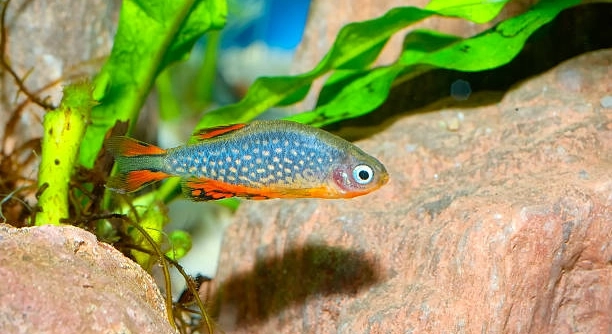
Celestial Pearl Danios are small, colorful fish that brighten any aquarium. Many fish keepers enjoy their peaceful nature and delicate appearance. Observing them swim gracefully can be relaxing, but their health requires careful attention and knowledge.
Celestial Pearl Danios are generally hardy, but like all fish, they can be susceptible to parasites if water conditions are poor or stress levels are high. Regular tank maintenance and proper diet reduce the risk of infestations significantly.
Learning how to spot early signs of parasites is essential for keeping your fish healthy. Maintaining clean water and monitoring behavior can prevent minor issues from becoming serious problems.
Common Parasites Affecting Celestial Pearl Danios
Celestial Pearl Danios are prone to several types of parasites, most often when water quality is neglected or new fish are introduced without proper quarantine. External parasites like Ich, flukes, and lice attach to the skin and fins, causing irritation, rapid breathing, and sometimes visible white spots. Internal parasites, such as nematodes or protozoans, affect digestion and overall health, often leading to weight loss, lethargy, and abnormal swimming patterns. Stress increases susceptibility, so maintaining stable temperatures, clean water, and a balanced diet is crucial. Even though these fish are small, they can carry serious infections that spread quickly in community tanks. Early detection is important because treatment is much more effective before parasites multiply. Observing your fish daily helps identify subtle changes in behavior, coloration, or appetite. Regular tank maintenance, such as cleaning filters and monitoring water parameters, reduces the chances of parasites developing. Preventive measures can significantly improve lifespan and general wellbeing of your Celestial Pearl Danios.
External parasites can be treated with medicated baths and water treatments for quick relief.
Internal parasites require careful observation, proper medications, and sometimes dietary adjustments. Ensuring good tank hygiene and avoiding overcrowding supports recovery. Treatments may take time but can restore the fish to normal health, preventing recurring infections. Proper quarantine practices when adding new fish prevent parasite introduction. Maintaining a consistent feeding schedule and clean environment strengthens immune systems. Monitoring water pH, temperature, and ammonia levels regularly helps keep parasites at bay. Some parasites are microscopic and not easily visible, so watching for subtle behavioral changes is essential. Combining preventive care with timely intervention ensures healthier fish overall. Experienced keepers often notice early warning signs, allowing rapid treatment. Consistency and vigilance are key to managing parasite risks in small aquariums. A proactive approach not only protects the infected fish but also safeguards the rest of the tank population.
Signs of Parasite Infection
Parasite infections often appear as unusual swimming patterns, discoloration, or clamped fins. Fish may scratch against surfaces or reduce feeding.
Other signs include lethargy, rapid gill movement, and visible spots or growths on the body. Parasites can affect appetite, causing fish to eat less or reject food entirely. Stressful conditions like sudden temperature changes or poor water quality make symptoms worse. Observing behavior closely helps detect problems early. Some parasites are internal and harder to see, making consistent monitoring critical. Immediate intervention with proper treatments can prevent severe illness and reduce mortality. Healthy water conditions, low stress, and balanced nutrition support recovery and resilience. Overcrowding should be avoided, as it increases the chance of spreading infections. Early recognition and prompt action often mean the difference between a mild infection and a serious outbreak. Fish that appear healthy can still carry parasites, so regular checks are necessary. Proper quarantine of new arrivals prevents introduction of unseen parasites. Consistent tank maintenance is essential for long-term fish health.
Preventing Parasite Infestations
Maintaining clean water and a stable environment is essential to prevent parasites. Quarantining new fish, monitoring water parameters, and avoiding overcrowding reduce stress, which keeps Celestial Pearl Danios healthier and less susceptible to infections.
Using proper filtration and performing regular water changes helps eliminate harmful organisms before they can establish. Keeping the tank free from uneaten food and debris also lowers the chance of parasite growth. Avoid sudden temperature swings and maintain consistent lighting to reduce stress. Feeding high-quality food strengthens the immune system, making the fish more resistant to infections. Observation is key; spotting early signs can prevent serious outbreaks.
Even minor stressors can trigger parasite problems. Avoid placing the tank near loud noises or frequent activity that may disturb the fish. Regularly inspect equipment like heaters and filters to ensure they are functioning properly. Adjusting water flow and providing hiding spots supports natural behavior and reduces stress. A stable environment creates conditions where Celestial Pearl Danios thrive and remain less prone to infections.
Treating Parasite Infections
Treatment depends on the type of parasite affecting the fish. External parasites often respond to medicated baths or water treatments, while internal parasites may require oral medications or special diets.
Accurate identification of the parasite is critical before starting treatment. Using the wrong medication can worsen the problem or harm the fish. Follow the instructions carefully and maintain ideal water conditions throughout the process. Isolate infected fish if possible to prevent spreading parasites to healthy tank mates. Consistent monitoring during treatment ensures it is working effectively and allows adjustments if symptoms persist. Completing the full course of medication prevents reinfection.
Recovery also relies on reducing stress and supporting the immune system. Keep the tank clean, maintain stable temperatures, and feed nutritious food to help fish regain strength. Avoid overcrowding and minimize sudden changes to the environment during treatment. Observing behavior and appetite provides important feedback on recovery progress. Patience is necessary, as some parasites require multiple treatment cycles. Preventive practices combined with proper care during treatment enhance long-term health.
Quarantine New Fish
Quarantining new fish before adding them to your main tank prevents parasites from spreading. A separate tank allows observation for illness, unusual behavior, or visible signs of infection, ensuring your Celestial Pearl Danios remain healthy.
A two-week quarantine period is usually sufficient. During this time, monitor water quality, feeding habits, and any physical changes. Treat any signs of illness promptly to protect the main tank population.
Choosing Safe Tankmates
Not all fish are compatible with Celestial Pearl Danios. Aggressive or large species can stress them, increasing susceptibility to parasites. Choose peaceful, small fish that share similar water requirements. Observing interactions helps prevent bullying and maintains a calm environment.
Maintaining Water Quality
Consistent water changes and proper filtration are essential. Testing ammonia, nitrite, and nitrate levels regularly keeps conditions safe, reducing the risk of parasite outbreaks. Stable water parameters support overall health and immune function in Celestial Pearl Danios.
Monitoring Behavior
Changes in swimming, appetite, or social interaction can indicate health issues. Regular observation allows early detection of parasites or other problems before they become severe.
FAQ
How can I tell if my Celestial Pearl Danios have parasites?
Visible signs include white spots, frayed fins, unusual swimming patterns, and scratching against objects. Internal parasites may cause weight loss, reduced appetite, or lethargy. Observing behavior daily helps detect subtle changes before problems worsen.
What are the most common parasites in these fish?
External parasites include Ich, flukes, and lice, which attach to the skin and fins. Internal parasites like nematodes and protozoans affect digestion and energy levels. Both types can weaken fish if untreated, so early detection is important.
Can parasites spread to other fish in the tank?
Yes, parasites can easily spread in community tanks, especially if water conditions are poor. Quarantining new fish and isolating infected individuals help prevent transmission. Maintaining a clean environment reduces the risk for the entire tank.
How long does it take to treat a parasite infection?
Treatment length depends on the parasite type and severity. External parasites may clear in a few days with medicated baths or water treatments. Internal parasites often require longer treatment, proper medication, and careful monitoring of water conditions.
Are some Celestial Pearl Danios more prone to parasites than others?
Stress, poor water quality, overcrowding, and weak immune systems make certain fish more vulnerable. Maintaining a stable environment, providing hiding spots, and feeding a balanced diet reduces susceptibility across the tank population.
Can I prevent parasites completely?
Complete prevention is difficult, but risk can be minimized with good tank hygiene, quarantining new fish, stable water parameters, and avoiding overcrowding. Early observation and intervention are key to preventing minor infections from becoming serious.
Do certain foods increase the risk of parasites?
Overfeeding or feeding low-quality food can contribute to poor water quality, which indirectly increases parasite risk. Providing high-quality, varied diets and removing uneaten food promptly supports fish health and reduces vulnerability.
Is it safe to mix treatment with other medications?
Combining medications should be done cautiously, as some chemicals can stress fish or cause harmful interactions. Always follow guidelines and consider consulting an experienced aquarist or veterinarian for specific combinations.
How often should I check my fish for parasites?
Daily observation is ideal, especially for small species like Celestial Pearl Danios. Check for changes in swimming, appetite, coloration, and physical condition. Frequent checks allow prompt intervention before infections worsen.
Can parasites reappear after treatment?
Yes, parasites can return if tank conditions remain poor or if new infected fish are introduced. Continuous monitoring, maintaining stable water quality, and proper quarantine practices help prevent reinfection.
Are there natural remedies for parasite infections?
Some aquarists use salt baths, temperature adjustments, or herbal treatments for mild external infections. While these can help, severe infestations typically require specific medications to fully eradicate the parasites.
What should I do if I suspect internal parasites but cannot see them?
Watch for signs like weight loss, bloating, irregular feces, and reduced activity. Isolate the fish if possible, maintain clean water, and use appropriate medication for internal parasites. Early action is important for effective treatment and recovery.
Can stress alone cause parasite outbreaks?
Stress weakens the immune system, making fish more susceptible to parasites. Factors like overcrowding, poor water quality, or sudden changes in temperature can trigger outbreaks even if parasites are already present in small numbers.
How do I safely introduce new fish to my tank?
Quarantine new arrivals for at least two weeks, monitor for illness, and treat any infections before mixing them with the main tank. Introduce fish slowly and maintain similar water conditions to reduce stress.
Is it necessary to remove decorations when treating parasites?
In some cases, parasites can hide on plants, rocks, or substrate. Thorough cleaning or temporary removal may improve treatment effectiveness, especially for external parasites. After treatment, reintroduce decorations carefully to avoid stress.
Can parasite infections affect breeding Celestial Pearl Danios?
Yes, parasites can reduce fertility, harm eggs, or weaken fry. Maintaining clean tanks, quarantining breeding stock, and monitoring for early signs of infection are essential to protect both adult fish and offspring.
How do I know if a treatment is working?
Look for improved behavior, appetite, and coloration. External parasites should decrease in number, and internal parasites should reduce symptoms like bloating or weight loss. Consistent observation and proper treatment duration are critical to success.
Should I consult a veterinarian for parasite infections?
If infections persist, worsen, or involve internal parasites, a veterinarian experienced with fish can provide accurate diagnosis and recommend effective treatments. Professional guidance ensures safe and targeted care for your fish.
Can using salt in the tank help prevent parasites?
Low doses of aquarium salt can reduce stress and some external parasites, but it is not a complete solution. Salt must be used carefully, considering species sensitivity and water conditions. Overuse can harm Celestial Pearl Danios.
What long-term practices reduce parasite risks?
Maintaining stable water parameters, consistent feeding routines, quarantine for new fish, and regular tank cleaning are the most effective ways to minimize parasite risks. Early observation and timely treatment also contribute to healthier, longer-living fish.
Final Thoughts
Celestial Pearl Danios are small, vibrant fish that bring life and color to a home aquarium. They are generally hardy, but like all fish, they can be affected by parasites if proper care is not maintained. Understanding the risks and knowing how to prevent and treat infections are key to keeping them healthy. Observing the fish daily for changes in behavior, appetite, or appearance is essential. Early detection of problems can make treatment much more effective and reduce stress on the fish. Maintaining a stable environment, regular water changes, and proper filtration all contribute to their overall well-being. Even minor signs, such as clamped fins, slower swimming, or occasional scratching, can indicate the beginning of an issue. Being attentive and proactive allows you to address problems before they become serious, giving your Celestial Pearl Danios a better chance to thrive.
Preventing parasites is far easier than treating them after they appear. Quarantining new fish for at least two weeks before introducing them to the main tank is one of the most effective strategies. This allows time to observe any signs of illness and treat problems without risking other tank inhabitants. Keeping tank conditions consistent is equally important. Sudden temperature fluctuations, poor water quality, and overcrowding increase stress and weaken the fish’s immune system, making them more vulnerable to infections. Feeding a balanced diet supports their health and helps them resist parasites naturally. While external parasites may be visible as white spots, frayed fins, or scratching behavior, internal parasites are harder to detect but can cause weight loss, lethargy, and digestive issues. Regular monitoring and careful maintenance help reduce the likelihood of both types of parasites.
Treating parasites requires attention, patience, and sometimes professional guidance. External parasites can often be managed with medicated baths or water treatments, while internal parasites may require oral medications and careful observation. Consistency in following treatment instructions and maintaining water quality during the process is crucial. Removing or cleaning decorations may improve treatment effectiveness, as parasites can hide on surfaces. After treatment, continuing preventive practices like clean water, proper nutrition, and quarantine for new fish helps reduce the chance of reinfection. Even small steps, like watching for subtle behavioral changes and avoiding overcrowding, make a significant difference. By staying attentive and informed, Celestial Pearl Danios can live long, healthy lives, and the risk of parasites can be managed effectively. Careful observation, proper care, and preventive measures create an environment where these delicate fish can flourish and remain a beautiful, active part of the aquarium.

Hello,
If you enjoy the content that we create, please consider saying a "Thank You!" by leaving a tip.
Every little bit helps us continue crafting quality advice that supports the health, happiness, and well-being of pets around the world, for pets of all shapes, sizes, and species.
We really appreciate the kindness and support that you show us!