
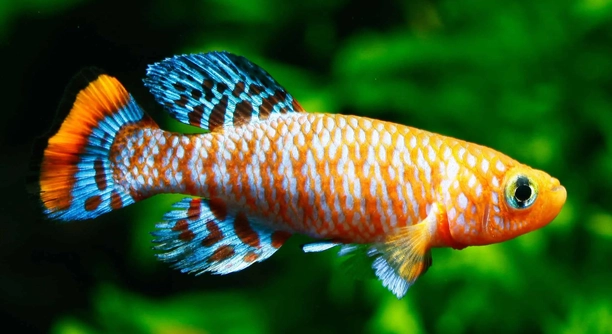
Are you setting up a tank for killi fry and wondering about the best type of aquarium? Many hobbyists consider different tank setups to give their young fish the best start. Choosing the right environment is important for their growth.
Bare-bottom tanks are often preferred for killi fry because they allow easier cleaning and better water quality control. Without substrate, waste does not accumulate, reducing the risk of harmful bacteria and making it simpler to monitor the fry. This setup supports healthier development during early stages.
Learning more about the benefits and possible drawbacks of bare-bottom tanks can help you decide if this approach fits your killi fry care routine.
Why Choose a Bare-Bottom Tank for Killi Fry
A bare-bottom tank offers several advantages for raising killi fry. Without substrate, cleaning becomes much easier, which is crucial because fry produce waste that can quickly pollute the water. This setup allows you to remove uneaten food and debris more efficiently, keeping the environment cleaner and healthier. Additionally, the bare surface makes it easier to monitor the fry for signs of illness or stress. Since killifish fry are very small and delicate, maintaining stable water conditions is essential for their survival. Using a bare-bottom tank also helps improve oxygen circulation and prevents harmful bacteria buildup. It reduces the chances of fry hiding in gravel or substrate, which can sometimes cause accidental harm during cleaning. Overall, this tank style creates a simpler and more controlled environment, improving the chances of healthy growth and development.
Bare-bottom tanks simplify maintenance and help maintain water quality, both vital for fragile killi fry.
By keeping the tank free of substrate, you can better control the water’s cleanliness and monitor your fry’s behavior closely. It is also easier to perform partial water changes without disturbing the fry. Many aquarists find this method less stressful for young fish, reducing the risk of injury. The minimal setup allows for quicker adjustments if water parameters shift. Although bare-bottom tanks might look less natural, they provide a practical space for early growth stages. Once the fry grow larger and stronger, you can consider transitioning them to tanks with substrate to mimic their natural habitat more closely.
Tips for Maintaining a Bare-Bottom Tank
Keeping a bare-bottom tank clean requires regular care. Frequent water changes and careful removal of leftover food help prevent water quality issues. Using a fine mesh net to clean the surface can be very effective without stressing the fry. Monitoring water parameters daily ensures the environment remains stable and safe.
Regular maintenance helps prevent the buildup of harmful substances that could affect fry health.
Pay close attention to the tank’s filtration and aeration. A gentle filter is best, as fry can be easily sucked in or injured by strong currents. Adding live plants on floating rafts can improve oxygen levels without disturbing the bare bottom. These plants also provide some cover, reducing stress for the fry. Be consistent with cleaning schedules and avoid overfeeding, as excess food is a common cause of poor water quality. A well-maintained bare-bottom tank can support healthy, active killi fry until they are ready for more complex environments.
Common Concerns About Bare-Bottom Tanks
Some people worry that bare-bottom tanks might stress the fry due to the lack of hiding spots. However, adding floating plants or small decorations can help provide cover without compromising the cleanliness. The openness also makes it easier to spot any health issues early.
While it may seem less natural, this setup actually helps reduce disease risk by limiting places where harmful bacteria can grow. Without substrate, waste doesn’t accumulate, lowering ammonia and nitrate levels. This control creates a safer environment for fragile killi fry. It is important to balance cleanliness with the need for some cover, which can be achieved with floating plants or gentle tank decor.
The simplicity of bare-bottom tanks also speeds up maintenance. Regular observation and care become easier when the bottom is fully visible. Removing uneaten food is quick and does not disturb the fry. This method supports consistent water quality, crucial for young fish development. Adjustments can be made more efficiently when there are fewer hiding places and no substrate to clean.
Transitioning Fry from Bare-Bottom Tanks
When killi fry grow larger, they may benefit from a tank with substrate to better simulate their natural environment. Gradually introducing a planted tank helps reduce stress and encourages natural behaviors. Start by moving a few fry into the new tank before transferring the entire group.
The change should be done slowly to avoid shock. Monitor water conditions carefully during this process, as differences in substrate and plants can affect water chemistry. Providing plenty of cover in the new tank will help the fry adjust and feel secure. This step supports healthier growth and prepares the fish for more complex environments.
Once fully transitioned, the fry will have more stimulation and hiding spots, which encourages natural activity. This also helps reduce aggression and stress. The substrate and plants add visual appeal while supporting beneficial bacteria growth in the tank. Keeping the water clean remains essential, so continue regular maintenance to ensure the environment stays safe and healthy for your growing killifish.
Ideal Water Conditions for Killi Fry in Bare-Bottom Tanks
Stable water temperature and pH are key for killi fry health. Most species thrive between 72°F and 78°F with a pH around 6.5 to 7.0. Keeping these parameters consistent reduces stress and supports growth.
Good water quality depends on regular testing and water changes. Bare-bottom tanks make it easier to spot changes and keep conditions stable. Frequent partial water changes prevent buildup of harmful chemicals and maintain a safe environment for the fry.
Feeding Killi Fry in Bare-Bottom Tanks
Feed small amounts several times a day to prevent leftover food from polluting the water. Use fine foods like infusoria or crushed flakes suitable for fry.
Monitoring Fry Health and Growth
Keep an eye on fry behavior and appearance daily. Healthy fry swim actively and show steady growth.
Watch for signs like lethargy, discoloration, or missing scales, which may indicate illness or poor water quality. Early detection allows prompt care to improve survival chances.
FAQ
Are bare-bottom tanks stressful for killi fry?
Bare-bottom tanks can feel less natural, but they are not inherently stressful if managed well. Adding floating plants or small decorations provides shelter and reduces stress. The open space allows for better water quality control, which supports healthier fry overall.
How often should I clean a bare-bottom tank?
Cleaning depends on the number of fry and feeding frequency, but generally, partial water changes of 20-30% every two to three days are recommended. Remove uneaten food and waste daily with a siphon or fine net to keep water clean and safe.
Can I keep adult killifish in a bare-bottom tank?
While bare-bottom tanks are great for fry, adults usually prefer tanks with substrate and plants. Adults benefit from hiding spots and a more natural environment, which helps reduce stress and aggression.
What type of filter works best for a bare-bottom tank?
A gentle sponge filter or air-driven filter is ideal for fry tanks. Strong currents can harm small fry, so low-flow filtration ensures good water quality without stressing the fish.
Is it okay to add live plants to a bare-bottom tank?
Yes, live plants on floating rafts or attached to tank walls work well. They improve oxygen levels and provide cover without interfering with the easy cleaning of the tank bottom.
How do I transition fry from a bare-bottom tank to a planted tank?
Introduce a few fry at a time to the new tank with substrate and plants. Gradually increase their numbers as they adjust. Make sure the water parameters in both tanks match closely to avoid shock.
What should I feed killi fry in a bare-bottom tank?
Feed tiny live or frozen foods like infusoria, baby brine shrimp, or finely crushed flakes. Feed small amounts multiple times daily to ensure they eat well without polluting the water.
How long should killi fry stay in a bare-bottom tank?
Keep fry in a bare-bottom tank until they are large enough to handle more complex environments, usually around 4 to 6 weeks. At this stage, they are stronger and better able to explore tanks with substrate and plants.
Are bare-bottom tanks harder to maintain than planted tanks?
No, bare-bottom tanks are generally easier to clean and maintain because there’s no substrate to trap waste. This makes water changes quicker and monitoring water quality simpler.
Can bare-bottom tanks prevent diseases in killi fry?
By reducing waste buildup and improving water quality, bare-bottom tanks help lower the risk of diseases. Good maintenance and proper feeding remain essential to keep fry healthy.
Bare-bottom tanks offer a practical solution for raising killi fry, especially during their earliest and most fragile stages. This type of tank makes cleaning easier and helps maintain good water quality, which is crucial for young fish. Without substrate to trap waste, it is simpler to remove uneaten food and keep the water fresh. This reduces the chance of harmful bacteria growing, creating a safer environment for the fry. While the tank may look plain compared to planted setups, the benefits for health and survival are significant during these early weeks.
Using a bare-bottom tank also allows you to keep a closer eye on your killi fry. Because the bottom is clear, it is easier to spot any signs of illness or stress quickly. This helps with early intervention, improving the chances of recovery. Many people find this setup less stressful for the fry, as it reduces the risk of injury from stirring up substrate during cleaning. Adding floating plants or small decorations can provide some cover without sacrificing the tank’s simplicity, helping the fry feel more secure. Overall, this method supports steady and healthy growth until the fry are strong enough for more natural environments.
When the killi fry grow larger, moving them to a planted tank with substrate can be beneficial. This transition gives them more hiding places and a setting closer to their natural habitat, encouraging natural behavior. It’s important to make this change gradually and watch water conditions closely to avoid shock. A planted tank with substrate can add visual interest and improve the tank’s biological balance. Still, the foundation of good water quality and careful care remains the same. Whether you choose a bare-bottom tank or a planted one, the key to success is consistent maintenance, proper feeding, and observation. This approach will help your killi fry grow into healthy, vibrant fish.

Hello,
If you enjoy the content that we create, please consider saying a "Thank You!" by leaving a tip.
Every little bit helps us continue crafting quality advice that supports the health, happiness, and well-being of pets around the world, for pets of all shapes, sizes, and species.
We really appreciate the kindness and support that you show us!