
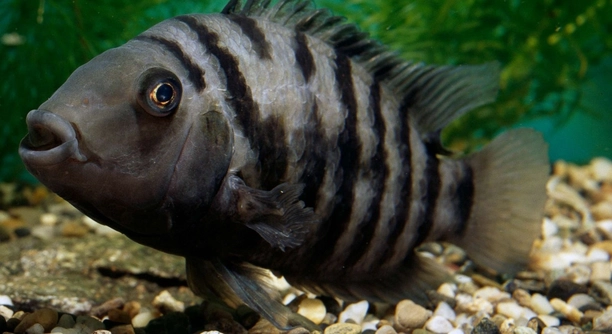
Are your community tanks ready for the vibrant and active presence of African cichlids? These colorful fish are popular among aquarium enthusiasts for their striking appearance and unique behaviors. Their compatibility in community setups often raises important considerations.
African cichlids are generally territorial and aggressive, making them challenging to keep in typical community tanks. Successful cohabitation requires careful species selection, ample space, and compatible tank mates to reduce stress and conflict among fish.
Understanding these factors will help you create a balanced and peaceful aquarium environment that highlights the beauty of African cichlids while maintaining harmony with other fish species.
Understanding African Cichlids’ Behavior
African cichlids are known for their bold and territorial nature. In the wild, they establish clear territories and defend them aggressively, especially during breeding periods. This behavior often carries over into home aquariums. Their natural instinct to claim space can lead to conflicts when kept with other fish. Some species are more aggressive than others, so it is important to research the specific type before adding them to a community tank. Providing plenty of hiding spots and visual barriers can help reduce aggression by breaking sight lines between fish. Tank size also plays a major role; a cramped tank increases stress and fighting. If the tank is too small or overcrowded, aggression tends to worsen. African cichlids are active swimmers and need space to establish territories and feel secure. Their behavior demands careful planning to maintain peace among tank mates.
Proper tank setup and species choice can greatly reduce conflict.
Choosing compatible species and arranging the tank with hiding spots supports a healthier aquarium environment.
Ideal Tank Mates for African Cichlids
African cichlids do best with other fish that can hold their own or have similar temperaments. Fast-moving species that occupy different tank levels tend to coexist more peacefully. Avoid slow, timid fish that are easily stressed or bullied. Larger catfish, certain types of plecos, and robust barbs are often good choices. Some aquarists keep African cichlids with other cichlids from the same region, as they share similar behaviors and space requirements. It is important to monitor the tank closely when introducing new fish to avoid unexpected aggression. Regular observation allows timely intervention before conflicts escalate. Ultimately, maintaining balance between aggression and peaceful coexistence depends on careful planning and ongoing attention to fish behavior.
Selecting tank mates with compatible temperaments reduces stress and promotes harmony.
Proper monitoring after introducing new fish prevents serious conflicts and keeps the aquarium peaceful.
Tank Setup for African Cichlids
A well-structured tank reduces aggression and stress among African cichlids. Rocks, caves, and other decorations create territories and hiding places, which are essential for their comfort. A tank with ample space and visual barriers helps to break lines of sight, minimizing fights.
Maintaining water quality is critical. African cichlids prefer hard, alkaline water with stable parameters. Frequent water changes and a reliable filtration system keep the environment healthy. Proper lighting should mimic their natural habitat but avoid overly bright setups, which can increase stress.
Substrate choice also affects behavior. Sand or fine gravel allows natural digging and territory marking. Avoid sharp or rough materials that can injure the fish during territorial disputes or while digging. A natural environment helps reduce stress and encourages natural behavior, improving overall tank harmony.
Feeding African Cichlids in Community Tanks
African cichlids require a balanced diet rich in proteins and some plant matter. Specialized cichlid pellets provide necessary nutrients. Overfeeding can cause water quality issues, so feeding small amounts twice a day is ideal.
Feeding time can sometimes trigger aggression, especially if fish compete for food. Using multiple feeding spots helps distribute food evenly and reduces conflict. Avoid feeding high-fat foods or excessive treats, which can lead to health problems and increased aggression. A consistent feeding schedule supports both health and tank stability, benefiting all inhabitants.
Common Signs of Stress in African Cichlids
Stress in African cichlids can show through changes in color, hiding behavior, or loss of appetite. These signs indicate the fish may be uncomfortable in their environment.
Aggression or constant chasing among fish also signals stress. Early detection is important to prevent health issues and conflicts.
Managing Aggression in Community Tanks
Aggression is natural for African cichlids but can be managed with proper tank setup. Increasing tank size and adding plenty of hiding places help reduce territorial disputes. Rearranging decorations occasionally can disrupt established territories and lower aggression. Keeping a balanced number of fish prevents overcrowding, which often leads to stress and fighting. Introducing new fish slowly and carefully monitoring their behavior allows for timely adjustments. Selecting species with compatible temperaments also minimizes conflict. These steps promote a more peaceful aquarium and improve the well-being of all fish.
Monitoring Water Quality Regularly
Regular water testing ensures a stable environment, which is essential for African cichlids’ health and reduces stress-related aggression.
Are African cichlids suitable for beginner aquarists?
African cichlids can be challenging for beginners due to their territorial behavior and specific water requirements. They need a tank with proper space, stable water conditions, and suitable tank mates. Beginners willing to research and maintain the tank carefully can succeed, but they require more attention than typical community fish.
How large should the tank be for African cichlids in a community setup?
A minimum of 55 gallons is recommended for keeping African cichlids in a community tank. Larger tanks provide enough space for territories and reduce aggression. Overcrowding increases stress and fighting, so ample room is crucial for peace and fish health.
Can African cichlids live with other types of fish?
Some fish can coexist with African cichlids if carefully selected. Suitable tank mates include robust, fast-swimming species that occupy different tank zones, like certain catfish or plecos. Slow or timid fish often get bullied and stressed, so avoid them.
What water conditions do African cichlids need?
They prefer hard, alkaline water with a pH between 7.8 and 8.6 and temperatures from 75°F to 82°F. Maintaining consistent water quality through regular testing and changes is essential for their health and behavior.
How do I control aggression in a community tank with African cichlids?
Provide plenty of hiding spots and territories using rocks and decorations. Keep the tank spacious and avoid overcrowding. Rearranging tank decorations occasionally helps disrupt established territories, reducing conflicts. Introducing fish slowly and choosing compatible species also manage aggression.
What do African cichlids eat?
A balanced diet of high-quality cichlid pellets, supplemented with occasional live or frozen foods like brine shrimp or bloodworms, meets their nutritional needs. Some species benefit from vegetable matter like spirulina. Avoid overfeeding to keep water quality stable.
How often should I clean the tank with African cichlids?
Perform partial water changes of 20-30% weekly to maintain water quality. Clean the substrate and filter media as needed without disrupting beneficial bacteria. Regular cleaning prevents toxin buildup and helps reduce fish stress.
Do African cichlids breed easily in community tanks?
Breeding can be difficult in community tanks due to aggression from other fish. Some species are mouthbrooders and need secluded areas for breeding. Providing separate breeding tanks is often recommended to protect fry and reduce stress.
Can African cichlids live peacefully with other cichlid species?
Some cichlid species from the same region may coexist if the tank is large enough and territories are well established. However, aggression is still common. Careful species selection and monitoring are necessary to maintain peace.
What are signs of illness in African cichlids?
Common signs include faded colors, lethargy, loss of appetite, and unusual swimming patterns. Physical symptoms like white spots, fin damage, or swelling indicate disease. Early detection and treatment improve recovery chances.
Is it necessary to quarantine new fish before adding them to an African cichlid tank?
Yes, quarantining new fish for at least two weeks helps prevent disease transmission. It allows observation for illness and reduces stress on established fish. Quarantine tanks also provide a safe environment for acclimation.
How important is diet variety for African cichlids?
Providing varied food supports overall health and coloration. A mix of pellets, live or frozen foods, and some plant matter mimics their natural diet. Variety also helps prevent nutritional deficiencies and boredom.
Can African cichlids live in planted tanks?
Planted tanks are possible but tricky. African cichlids often dig and uproot plants, which can damage decorations and disturb roots. Using hardy plants like Java fern or artificial plants is recommended. Rocks and caves remain essential for territories.
How does tank lighting affect African cichlids?
Moderate lighting simulates their natural environment and enhances color without causing stress. Bright lights can increase aggression and stress. Use timers to maintain a consistent day-night cycle.
What is the best way to introduce African cichlids to a community tank?
Introduce African cichlids last after the other fish are settled. Rearranging decorations before introduction prevents existing territories from forming. Monitor fish closely and separate if severe aggression occurs.
Are there specific diseases African cichlids are prone to?
They are susceptible to common freshwater diseases like ich, fin rot, and bacterial infections. Maintaining good water quality, proper diet, and quarantine practices reduces the risk. Early treatment is important for recovery.
African cichlids bring vibrant colors and interesting behavior to an aquarium, but their care requires attention and careful planning. Their natural territorial instincts can lead to aggression, especially in community tanks where space and compatible tank mates are limited. Understanding these behaviors is important before deciding to keep them with other fish. Proper tank size, decorations, and water conditions all play a role in managing their temperament and promoting a peaceful environment. Without the right setup, these fish can stress easily, which affects their health and the well-being of other tank inhabitants.
When considering African cichlids for a community tank, selecting appropriate tank mates is key. Fish that are similarly robust and active tend to coexist better, while shy or slow species often suffer. Providing plenty of hiding spots and rearranging the tank layout regularly can help reduce conflicts by breaking established territories. Maintaining good water quality through regular cleaning and monitoring also supports the health of all fish. Feeding practices are important too, as competition during feeding times can increase aggression. Distributing food evenly and avoiding overfeeding helps keep the tank stable.
Overall, African cichlids can be part of a successful community aquarium if their specific needs are met. They require a balanced environment with enough space, compatible companions, and careful attention to water quality and diet. While they are not the easiest fish to keep with others, thoughtful preparation and regular care can lead to a vibrant and dynamic tank. Understanding their behavior and adjusting the tank conditions accordingly ensures these fish can thrive alongside others without causing too much stress or conflict. This careful balance makes keeping African cichlids in community tanks both rewarding and manageable.

Hello,
If you enjoy the content that we create, please consider saying a "Thank You!" by leaving a tip.
Every little bit helps us continue crafting quality advice that supports the health, happiness, and well-being of pets around the world, for pets of all shapes, sizes, and species.
We really appreciate the kindness and support that you show us!