
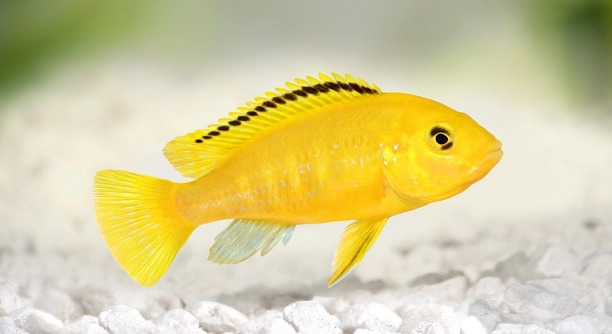
Are you considering adding African cichlids to your home aquarium and wondering if they are suitable for children? These colorful fish are popular among aquarium enthusiasts. They offer a unique glimpse into freshwater life with their vibrant patterns and lively behavior.
African cichlids can be good for kids, but they require careful care and supervision. They are active and colorful, which can engage children, but their territorial nature means handling and tank maintenance need adult involvement to ensure a safe environment.
Knowing the right care and setting up the tank properly will help children enjoy these fish safely and learn responsibility. This article explores what makes African cichlids a suitable choice for young aquarium keepers.
Understanding African Cichlids’ Behavior
African cichlids are known for their vibrant colors and dynamic personalities. These fish are often territorial, which means they can be aggressive toward other fish, especially in crowded tanks. This behavior is natural and part of their instinct to protect their space. When kept in the right conditions, their aggression is manageable, but it requires careful planning. Children can enjoy watching their interactions and learning about fish behavior, but supervision is necessary to avoid problems. African cichlids also need a well-maintained tank with stable water conditions. Their diet must be balanced, as poor nutrition can lead to health issues. Regular tank cleaning and monitoring water quality are important tasks that adults should handle. Teaching kids to respect these fish and the effort they require can be a valuable lesson in responsibility.
Proper tank setup and adult supervision make keeping African cichlids safer and more enjoyable for children.
Being aware of their behavior helps create a peaceful environment where kids can safely appreciate their fish. This knowledge is crucial for maintaining the balance in the aquarium. It also reduces stress for the fish, which contributes to their overall health. With the right approach, children can benefit from observing these colorful fish, gaining a sense of care and attention that supports their growth. Involving kids in feeding and watching tank conditions, under supervision, encourages learning without overwhelming them with difficult tasks. Clear rules about handling fish and maintaining the tank help prevent accidents. This also ensures the fish live comfortably and reduces the chances of aggressive encounters. Overall, understanding African cichlids’ behavior improves the experience for both children and fish.
Tank Size and Maintenance Needs
A suitable tank size is important for African cichlids to thrive and for children to manage care.
African cichlids need a tank of at least 30 gallons, depending on the number of fish. Larger tanks help reduce aggression by giving each fish space. Filtration must be efficient to keep water clean, as these fish produce waste quickly. Regular water changes are necessary, typically once a week, to maintain good water quality. Kids can assist with simple tasks like feeding and observing the fish, but adults should handle water changes and filter maintenance. Setting a schedule for tank care helps teach kids responsibility while keeping the aquarium healthy. Proper tank setup and cleaning prevent health problems and create a better environment for the fish to grow. This balance is key to making African cichlids suitable for households with children.
Feeding African Cichlids
African cichlids need a balanced diet to stay healthy and vibrant. Their food should include both protein and plant matter.
High-quality cichlid pellets or flakes are a good base for their diet. Supplementing with frozen or live foods such as brine shrimp or bloodworms can provide extra protein. Some species also require vegetable matter like spirulina or blanched vegetables to meet their nutritional needs. Overfeeding should be avoided to prevent water quality problems and health issues. Feeding small amounts two to three times a day works best. Teaching children to feed the fish carefully helps them learn patience and responsibility without risking the tank’s cleanliness.
Because African cichlids can be aggressive during feeding, it’s important to watch their behavior and ensure all fish get enough food. Uneaten food should be removed to avoid polluting the water. Feeding time can be an engaging moment for kids to observe how the fish interact and respond to food.
Safety Considerations for Kids
Keeping African cichlids safe for kids means careful supervision and clear rules. Fish tanks should be stable and secure to avoid accidents.
Children should not handle the fish directly, as cichlids can be sensitive to stress and may bite if threatened. It’s better for adults to manage tank maintenance tasks like cleaning and water changes. Teaching kids to wash their hands before and after feeding helps prevent introducing harmful substances to the tank. Avoid placing the tank where it can be easily knocked over or exposed to sudden temperature changes. Supervision during feeding and observation keeps both kids and fish safe and ensures a positive experience for everyone involved.
Choosing the Right Species
Some African cichlids are better suited for children due to their temperament. Researching species is important before purchasing.
Species like the Yellow Lab (Labidochromis caeruleus) are less aggressive and easier to care for. Avoid overly territorial species when kids are involved.
Costs and Equipment
Setting up an African cichlid tank involves costs for the tank, filter, heater, and water testing kits. These expenses should be considered before starting.
Investing in quality equipment ensures a stable environment, which reduces stress for the fish and the chances of health problems. Budgeting for ongoing supplies like food and water conditioners is also necessary.
Time Commitment
African cichlids require daily feeding and regular maintenance. This level of care is manageable but needs consistency.
Involving kids in feeding can be rewarding but adult supervision is essential to maintain the tank properly.
FAQ
Are African cichlids easy to care for?
African cichlids require moderate care. They need a properly sized tank, clean water, and a balanced diet. Their aggressive behavior means you must carefully choose tank mates and monitor their interactions. With adult supervision, children can help with feeding and observing, but maintenance tasks should be handled by adults.
Can kids handle African cichlids safely?
Kids should not handle the fish directly because cichlids can become stressed or bite if threatened. It’s best for adults to manage tank cleaning and maintenance. Children can participate in feeding and watching the fish under supervision. Teaching respect for the fish and the aquarium environment helps keep everyone safe.
What size tank do African cichlids need?
A tank of at least 30 gallons is recommended for African cichlids. Larger tanks help reduce aggression by giving each fish space. Proper filtration and regular water changes are also important to maintain water quality and fish health.
How often should African cichlids be fed?
Feeding small amounts two to three times daily is ideal. Overfeeding can lead to poor water quality and health issues. Use high-quality pellets or flakes as a base diet and supplement occasionally with frozen or live foods. Remove any uneaten food promptly.
Are African cichlids aggressive toward each other?
Yes, they can be territorial and aggressive, especially males. Proper tank size, hiding spots, and careful selection of species help manage aggression. Keeping more fish can sometimes spread aggression, but overcrowding increases stress and health risks.
What kind of water conditions do African cichlids need?
They require stable water conditions with a pH between 7.8 and 8.6 and temperatures around 75-82°F (24-28°C). Regular testing and partial water changes help maintain a healthy environment. Avoid sudden changes in water chemistry to prevent stress.
Can African cichlids live with other fish?
It depends on the species. Many African cichlids are aggressive and may not do well with peaceful fish. Tank mates should be chosen carefully based on temperament, size, and tank setup. Often, keeping them with other cichlids from the same region is safest.
How long do African cichlids live?
With proper care, African cichlids can live between 5 to 10 years. Good water quality, proper diet, and a stress-free environment contribute to their lifespan. Monitoring health and preventing diseases are key responsibilities.
What should I do if a fish gets sick?
Isolate the sick fish in a quarantine tank if possible. Check water quality and improve conditions immediately. Consult a vet or pet store expert for advice on treatments. Early detection and prompt action increase the chance of recovery.
Is it difficult to set up an African cichlid tank?
Setting up the tank requires planning but is straightforward. The tank must have a good filter, heater, and decorations like rocks for hiding spaces. Cycling the tank before adding fish is important to establish beneficial bacteria. Patience is needed before introducing the fish.
How can kids learn responsibility from African cichlids?
Involving children in feeding and observation teaches routine and care. Setting clear rules about not tapping the glass or handling fish helps build respect. Watching fish behavior encourages attention to detail. Adult guidance ensures these lessons are positive and safe.
Are African cichlids noisy or disruptive?
Fish do not make noise that disturbs humans. However, aggressive behaviors like chasing or digging can cause tank messes. Regular maintenance reduces buildup of waste and helps keep the tank clean and pleasant.
What is the best diet for African cichlids?
A mix of high-quality pellets, flakes, and occasional live or frozen foods provides balanced nutrition. Including vegetable matter like spirulina supports herbivorous species. Avoid overfeeding to maintain water quality.
Can African cichlids breed in a home aquarium?
Yes, they can breed if conditions are right. Many species are mouthbrooders, meaning the female carries eggs in her mouth. Breeding requires stable water conditions and a suitable tank setup. If breeding occurs, separating fry may be needed for their safety.
What is the ideal tank setup for children?
A stable tank with secure lids and simple decorations works best. Avoid sharp objects or fragile materials. Clear labels and easy access to feeding areas help kids participate safely. Regular adult checks ensure the environment remains healthy.
Final Thoughts
African cichlids can be a good choice for children interested in fishkeeping, but they require careful attention and adult supervision. These fish are colorful and active, which can be exciting for kids to watch. However, their natural behavior includes some aggression, so it is important to provide enough space and the right environment to keep them calm. Setting up a proper tank and maintaining water quality are crucial steps that need consistent effort. Adults should handle the more complex tasks like tank cleaning and water changes to ensure the fish stay healthy and the aquarium remains safe for the children.
Involving kids in feeding and observing African cichlids can teach them responsibility and respect for living creatures. Feeding the fish small amounts two or three times a day helps keep the tank clean and the fish healthy. Children can enjoy learning how the fish behave during feeding and how they interact with each other. At the same time, adults need to watch for any signs of aggression or illness and be ready to step in if needed. Clear rules about not handling the fish and washing hands before and after feeding will protect both the fish and the children.
Owning African cichlids requires some planning and a reasonable time commitment. The tank should be large enough to reduce aggression and provide hiding places for the fish. A good filtration system and regular maintenance help keep water conditions stable. These needs mean that African cichlids are better suited for families where adults are willing to be involved in the care process. When done correctly, keeping African cichlids can be a rewarding experience that teaches children about nature, responsibility, and patience. With the right guidance, children can enjoy the beauty of these fish while learning valuable skills that go beyond the aquarium.

Hello,
If you enjoy the content that we create, please consider saying a "Thank You!" by leaving a tip.
Every little bit helps us continue crafting quality advice that supports the health, happiness, and well-being of pets around the world, for pets of all shapes, sizes, and species.
We really appreciate the kindness and support that you show us!