
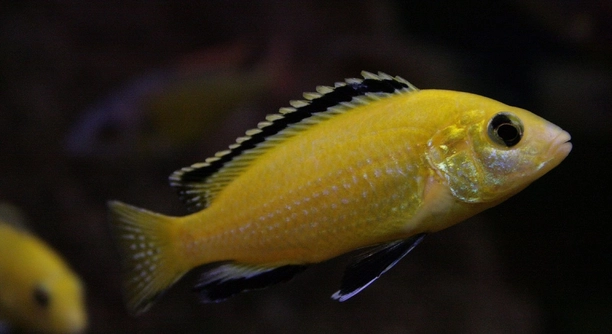
African cichlids are popular freshwater fish known for their vibrant colors and interesting behaviors. Many aquarium enthusiasts enjoy keeping them because they bring life and energy to a tank. Their care needs can vary depending on the species and setup.
African cichlids can be suitable for beginners if proper care is taken. They require stable water conditions, a balanced diet, and enough space to thrive. While some species are more aggressive, careful selection and tank management can ensure a positive experience.
Understanding the basic needs and behavior of these fish will help ensure success and enjoyment in maintaining an African cichlid aquarium. The article will provide clear guidance on their care.
What Makes African Cichlids Popular?
African cichlids stand out because of their bright colors and active behavior. They come from the Great Lakes of Africa, such as Lake Malawi and Lake Tanganyika. These fish show a wide range of shapes and sizes, making each species unique. Many people enjoy watching their social interactions and territorial behaviors. They are hardy fish but still need consistent care. The variety available means you can find cichlids suited for different tank sizes and setups. Their adaptability to different environments also contributes to their appeal. These fish can be kept in both community tanks and species-only tanks, depending on their temperament. Knowing where they come from helps in creating the right habitat for them. Proper water parameters like pH and hardness are essential. Feeding them a balanced diet with quality pellets or flakes supports their health. African cichlids offer both beauty and interesting behavior, making them a common choice for many aquariums.
Their natural behaviors make them fascinating but sometimes challenging to keep, especially for beginners.
Creating a comfortable environment with enough hiding spaces and monitoring their aggression helps maintain peace in the tank. Regular water changes and tank maintenance support their health. Selecting compatible species can reduce stress and fighting. Understanding their needs prevents common mistakes and improves their longevity. This fish group requires some attention but can be rewarding with the right setup.
Tank Setup and Care Basics
Choosing the right tank size is important for African cichlids. A minimum of 30 gallons is recommended for smaller species, but larger tanks work better for bigger or multiple fish.
Setting up the tank means paying attention to water quality. These fish need a stable pH around 7.8 to 8.6 and harder water. Installing a good filtration system is necessary to keep the water clean. African cichlids produce a fair amount of waste, so efficient filtration prevents toxins from building up. Gravel or sand substrate can be used, and rocks or caves create hiding spots. Decorations should be sturdy because cichlids like to dig and rearrange their environment. Regular water changes, about 20-30% weekly, keep conditions stable. Temperature should be maintained between 74-82°F. Consistency in care is crucial. Overfeeding can lead to poor water quality and health problems. Feeding should be controlled and include cichlid-specific pellets, flakes, and occasional vegetables or live foods. Maintaining these basic care elements ensures healthier fish and reduces common issues.
Proper tank setup supports healthy, active African cichlids and reduces stress-related behaviors.
Choosing the Right African Cichlid Species
Not all African cichlids are equally easy to care for. Some species are more aggressive or require specific conditions. Choosing the right species is key to a smooth experience.
Species like the electric yellow and peacock cichlids are often recommended for beginners because they tend to be less aggressive. They adapt well to standard water conditions and get along better in community tanks. On the other hand, some species like the mbuna cichlids are more territorial and need more careful tank management. Researching the temperament and size of the species helps avoid problems later on. Compatibility with other fish is also important to consider when choosing your cichlids.
It’s helpful to start with a small group of compatible species to observe their behavior. Mixing too many aggressive types can lead to stress and injury. If aggression appears, rearranging the tank décor or increasing hiding places can help reduce conflicts.
Feeding African Cichlids Properly
African cichlids need a diet rich in protein but also require some vegetable matter. Quality pellets or flakes designed for cichlids form the base of their diet. Supplementing with fresh vegetables like spinach or peas supports their health. Avoid overfeeding because it can pollute the water and harm your fish. Feeding small amounts twice a day is usually enough. Providing variety keeps them healthy and vibrant.
Live or frozen foods like brine shrimp or bloodworms can be offered occasionally to provide enrichment and extra nutrients. However, these should not be the main diet, as too much protein may cause health issues. Monitoring how much your fish eat helps prevent waste buildup in the tank. Uneaten food should be removed promptly to maintain water quality.
Adjust feeding amounts based on the number and size of fish in the tank. Healthy feeding habits contribute to longer life and brighter colors in African cichlids.
Managing Aggression in African Cichlids
Aggression is common among African cichlids due to their territorial nature. It is important to recognize early signs to prevent harm. Setting up enough hiding spots helps reduce fights and stress.
Keeping aggression under control involves proper tank size and careful selection of tank mates. Rearranging decorations occasionally can disrupt established territories and reduce conflicts.
Water Quality Maintenance
Maintaining clean water is essential for African cichlids’ health. Regular testing of pH, ammonia, nitrites, and nitrates keeps water safe. Frequent water changes prevent toxin buildup and improve fish well-being. Using a good filtration system supports a healthy environment. Consistent water quality management reduces stress and disease risks.
Breeding African Cichlids
Many African cichlids are mouthbrooders, meaning females carry eggs and fry in their mouths. Breeding requires stable water conditions and minimal disturbance. Separating breeding pairs or providing a separate tank improves success.
Common Health Issues
African cichlids can suffer from diseases like ich or fin rot if water quality is poor. Early treatment and good tank maintenance prevent serious problems.
FAQ
Are African cichlids good for beginners?
Yes, some African cichlids are suitable for beginners if proper care is provided. Choosing less aggressive species and maintaining stable water conditions makes their care easier. They require attention to water quality, diet, and tank setup, but with basic knowledge, beginners can successfully keep them.
What size tank do African cichlids need?
A minimum of 30 gallons is recommended for smaller species, but larger tanks are better for groups or bigger cichlids. More space helps reduce aggression and provides enough swimming room. Tank size should match the number and size of fish to maintain a healthy environment.
How often should I change the water?
Water changes of 20-30% weekly are ideal. This keeps ammonia and nitrate levels low and supports fish health. Regular water changes also prevent buildup of waste and toxins, which can stress cichlids and lead to illness.
What water parameters do African cichlids prefer?
They thrive in hard, alkaline water with pH between 7.8 and 8.6. Temperature should be kept between 74 and 82°F. Stable conditions are important, as sudden changes can stress the fish and cause health issues.
Can African cichlids live with other fish?
Some species can live with other fish if tank mates are chosen carefully. It’s best to avoid slow or very peaceful fish, as cichlids can be territorial. Keeping compatible species with similar temperaments reduces conflicts.
What do African cichlids eat?
They need a balanced diet of quality pellets or flakes designed for cichlids, supplemented with vegetables like spinach or peas. Occasional live or frozen foods like brine shrimp provide extra nutrients but should not be the main diet.
How do I reduce aggression among cichlids?
Providing enough space, hiding spots, and proper tank setup helps reduce fights. Rearranging tank décor occasionally breaks up territories. Choosing compatible species and not overcrowding the tank also helps control aggression.
How can I tell if my cichlid is healthy?
Healthy cichlids are active, eat well, and display bright colors. Watch for signs like clear eyes, smooth fins, and normal swimming behavior. Lethargy, loss of appetite, or visible spots may indicate illness and require attention.
Do African cichlids breed easily?
Many African cichlids are mouthbrooders and can breed in home aquariums if conditions are stable. Providing a separate breeding tank or enough hiding places increases success. Females carry eggs and fry in their mouths until the young are ready.
What are common health problems in African cichlids?
Common issues include ich, fin rot, and bacterial infections. These often result from poor water quality or stress. Early treatment with appropriate medication and maintaining good tank conditions are key to preventing disease.
Is it okay to keep only one African cichlid?
It is generally better to keep cichlids in groups. Some species become stressed or aggressive when alone. Groups allow natural social behavior but require careful management to prevent fights.
How do I introduce new cichlids to my tank?
Introduce new fish slowly and monitor their behavior. Quarantine new cichlids before adding them to prevent disease spread. Adding new fish during feeding time or rearranging décor can reduce territorial aggression.
What should I do if my cichlids are fighting?
If fighting occurs, check if the tank is overcrowded or lacks hiding spots. Increasing space, adding decorations, or separating aggressive fish can help. Sometimes rearranging the tank breaks up established territories and lowers aggression.
Can African cichlids live for many years?
With proper care, African cichlids can live 5 to 10 years or more. Consistent water quality, good diet, and a healthy environment support their lifespan. Regular monitoring and care are important to keep them thriving.
Is it necessary to use special equipment for African cichlids?
Basic equipment like a reliable filter, heater, and water test kits are essential. Decorations should be sturdy to withstand digging behavior. UV sterilizers or air pumps can be added but are not always required.
These answers cover the most common concerns about keeping African cichlids. Proper care and attention create a rewarding experience with these lively fish.
African cichlids offer a colorful and active addition to home aquariums. They can be a good choice for beginners, provided that basic care requirements are met. Understanding their natural behaviors and environmental needs is important to maintain a healthy tank. These fish need stable water conditions, proper diet, and enough space to reduce stress and aggression. With careful planning, keeping African cichlids can be both enjoyable and rewarding. They bring life to the tank and offer interesting behaviors that make watching them satisfying.
Choosing the right species is one of the most important steps for a successful experience. Some African cichlids are more suitable for beginners due to their temperament and adaptability. Researching which species fit your tank size and skill level helps avoid unnecessary problems. Proper tank setup with good filtration, water quality control, and hiding places supports their health. Feeding them a balanced diet and maintaining regular water changes further contributes to their well-being. Attention to these details makes it easier to manage aggression and prevent common health issues.
Overall, African cichlids require some effort and knowledge but can thrive in home aquariums when cared for properly. Their bright colors and active nature make them rewarding pets. Ensuring the right environment, diet, and social setting reduces challenges and improves fish longevity. Whether you are new to fishkeeping or have some experience, African cichlids can be a suitable choice when approached thoughtfully. Taking the time to learn their needs helps create a stable and healthy tank where these fish can flourish.

Hello,
If you enjoy the content that we create, please consider saying a "Thank You!" by leaving a tip.
Every little bit helps us continue crafting quality advice that supports the health, happiness, and well-being of pets around the world, for pets of all shapes, sizes, and species.
We really appreciate the kindness and support that you show us!