
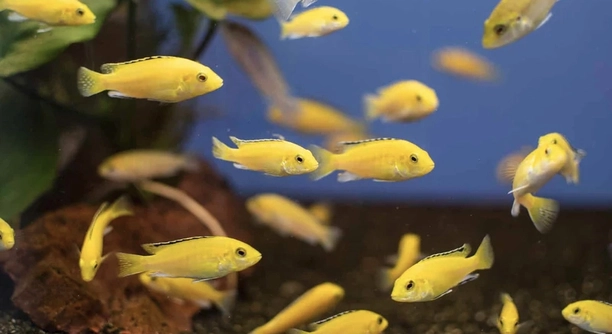
Are you interested in keeping colorful fish but unsure where to start? African cichlids are popular among aquarium enthusiasts because of their vibrant colors and active behavior. They offer a lively addition to home fish tanks of many sizes.
African cichlids can be suitable for beginners if their care requirements are properly understood. They need stable water conditions, appropriate tank size, and a balanced diet. Without these factors, their aggressive nature and specific needs can become challenging.
Learning the basics of caring for African cichlids will help you enjoy their beauty while maintaining a healthy aquarium environment. This article covers key points to help you decide if they fit your beginner fish-keeping plans.
Understanding African Cichlids’ Temperament
African cichlids are known for their bright colors and active behavior, but they also have a reputation for being territorial and sometimes aggressive. This aggression is mostly about defending space, especially in confined tanks. If the tank is too small or lacks hiding spots, these fish may stress out and fight more often. Their social structure in the wild involves establishing clear territories, which carries over to home aquariums. This means beginners need to be careful about the number and type of cichlids they keep together. Mixing different species can sometimes lead to conflict, but keeping similar-sized fish or only one species can reduce aggression. Proper tank setup with plenty of rocks and plants also helps break sightlines, which lowers aggression by giving each fish its own space. Understanding these behaviors is important to prevent injuries and keep the tank peaceful.
African cichlids’ temperament requires careful tank management to avoid excessive aggression. Proper space and hiding areas are essential for a balanced environment.
Many beginners underestimate the need for space and structure in a cichlid tank. African cichlids thrive best in tanks that provide enough room for swimming and clear territories. A minimum tank size of 30 gallons is often recommended for smaller species, but larger cichlids may need 50 gallons or more. Rocks, caves, and plants create natural barriers that reduce confrontations. Feeding routines also play a role in minimizing aggression; scattered feeding spots prevent competition over food. Regular water changes and stable water parameters contribute to reducing stress, which can otherwise increase aggressive behavior. By providing a well-organized habitat, beginners can enjoy the colorful display of African cichlids without frequent fights or injuries.
Basic Care Needs of African Cichlids
African cichlids need consistent water quality to stay healthy. They are sensitive to sudden changes and require stable pH and temperature levels.
Water temperature for African cichlids should generally be maintained between 74°F and 82°F. Their natural habitats have alkaline water with a pH usually between 7.8 and 8.6. Using a reliable water test kit helps monitor these conditions regularly. Filtration is crucial, as cichlids produce a fair amount of waste. A good filter keeps water clean and oxygenated, which is important for their health. Weekly water changes of 20-30% help maintain water quality and remove toxins. Feeding African cichlids a varied diet supports their growth and coloration. High-quality pellets or flakes designed for cichlids, supplemented with occasional live or frozen foods, work well. Overfeeding should be avoided to prevent water pollution and health problems. Simple care steps like these form the foundation of a thriving cichlid aquarium.
Tank Setup Essentials
A proper tank setup is crucial for African cichlids. The tank should have enough space, hiding places, and stable water conditions to reduce stress and aggression.
Using rocks and caves creates natural territories and hiding spots, which helps minimize fights. Sand or fine gravel is ideal for substrate since many cichlids like to dig. Plants can be added, but choose sturdy types because some cichlids may uproot or eat softer plants. Lighting should mimic their natural environment, not too bright, to keep them comfortable. Regular maintenance of the tank is necessary to keep water parameters stable, which includes checking filtration systems and performing water changes.
Setting up the tank properly from the start prevents many common problems. A balanced environment helps your fish feel secure and behave naturally, reducing aggressive interactions. When each fish has its own space, you can enjoy their colorful presence without constant tension or injury.
Feeding and Nutrition
African cichlids require a balanced diet to maintain their health and vibrant colors. They are omnivores, meaning they need both plant and animal-based foods. Commercial cichlid pellets or flakes provide essential nutrients and are a convenient staple. Supplementing with frozen or live foods like brine shrimp, bloodworms, or daphnia helps replicate their natural diet and promotes good health. Overfeeding can cause water quality issues, so feed small portions twice daily, ensuring all food is consumed within a few minutes. Avoid feeding solely protein-rich foods, as this can lead to health problems.
Varying their diet also supports natural behaviors and reduces boredom. Including some vegetable matter, such as spirulina or blanched vegetables, is beneficial. Careful attention to feeding habits helps keep your cichlids healthy and colorful, which is rewarding for any aquarium keeper.
Common Health Issues
African cichlids can be prone to diseases if water quality is poor. Regular tank maintenance helps prevent most health problems.
Signs of illness include loss of color, clamped fins, and unusual swimming behavior. Early detection is key to effective treatment.
Maintaining Water Quality
Keeping water clean is essential for cichlid health. Regular testing of pH, ammonia, nitrite, and nitrate levels helps identify problems early. Performing weekly partial water changes removes toxins and replenishes minerals. Using a good filtration system supports biological balance, keeping the tank stable. Avoid overcrowding, as it increases waste and stress. Maintaining water temperature within the recommended range is also important to prevent health issues and keep fish comfortable. Proper water quality supports natural behavior and longevity in African cichlids.
Tank Mates
Choosing compatible tank mates requires care. Avoid mixing African cichlids with very different species to reduce aggression.
Breeding African Cichlids
Breeding is possible but demands attention to tank conditions and compatible pairs.
FAQ
Are African cichlids easy to care for?
African cichlids are moderately easy to care for but require attention to water quality and tank setup. They need stable water conditions, appropriate tank size, and hiding places. Their aggressive behavior means they are not ideal for completely new fish keepers without some experience or research.
How large should the tank be for African cichlids?
A minimum of 30 gallons is recommended for smaller species, while larger species may need 50 gallons or more. Providing enough space helps reduce aggression by allowing territories to form naturally. Overcrowding often leads to stress and fights.
What water conditions do African cichlids need?
They thrive in alkaline water with a pH between 7.8 and 8.6. Temperature should be kept between 74°F and 82°F. Regular water changes and a reliable filtration system maintain stable water parameters, which is crucial for their health.
Can African cichlids live with other fish?
Compatibility depends on species and tank size. African cichlids are territorial and aggressive, so mixing with very different or smaller fish often causes problems. Choosing similar-sized cichlids or robust species that tolerate aggression works best.
What do African cichlids eat?
They are omnivores and need a varied diet. High-quality pellets or flakes made for cichlids provide balanced nutrition. Supplement with live or frozen foods like brine shrimp or bloodworms, and occasionally add vegetable matter to mimic their natural diet.
How often should I feed African cichlids?
Feed them twice daily, offering only what they can consume within a few minutes. Overfeeding can pollute the tank and harm their health. Portion control is important for maintaining water quality and preventing obesity.
How do I reduce aggression in my cichlid tank?
Providing enough space and hiding spots is the best way to reduce aggression. Use rocks, caves, and plants to break sightlines. Avoid overcrowding and keep similar species together. Proper feeding routines also help minimize competition and stress.
What are common health issues for African cichlids?
Poor water quality often leads to diseases like ich or fin rot. Stress from aggression or poor environment weakens their immune system. Early signs of illness include faded colors, clamped fins, and lack of appetite. Regular water tests and maintenance help prevent problems.
Can African cichlids breed in a home aquarium?
Yes, many species will breed if conditions are right. They require proper tank size, compatible pairs, and stable water conditions. Males can be territorial during breeding, so extra space and hiding spots help protect the female and fry.
How do I care for African cichlid fry?
Fry need gentle care with frequent, small feedings of finely crushed flakes or specialized fry food. Maintain clean water and stable conditions. Separating fry from adults prevents them from being eaten and improves survival rates.
Is it necessary to cycle a cichlid tank before adding fish?
Yes, cycling establishes beneficial bacteria that break down toxic ammonia and nitrites. This process is vital to avoid fish stress and deaths. Cycling usually takes 4-6 weeks but can be sped up with live plants or filter media from an established tank.
How often should I clean the tank?
Perform partial water changes of 20-30% weekly to remove waste and toxins. Clean the substrate and decorations as needed without disturbing beneficial bacteria. Regular filter maintenance keeps the system running efficiently.
What substrate is best for African cichlids?
Sand or fine gravel works well because many cichlids like to dig. Avoid sharp substrates that could injure their mouths. A natural-looking substrate also helps mimic their native environment and reduces stress.
Do African cichlids need special lighting?
Lighting should not be too intense. Moderate lighting replicates their natural habitat and supports any live plants. Avoid strong direct light, which can stress the fish and promote algae growth.
Can I keep different species of African cichlids together?
Some species can coexist if the tank is large enough and territories are well established. However, mixing aggressive species increases the risk of fights. Research the behavior of each species before combining them.
What is the average lifespan of African cichlids?
With proper care, African cichlids typically live between 5 and 10 years. Good water quality, diet, and a stress-free environment contribute to their longevity.
Are African cichlids suitable for beginners?
They can be suitable for beginners who are willing to learn about their specific needs. Attention to tank size, water conditions, and aggression management is essential. Those new to fishkeeping should prepare before choosing African cichlids.
How do I handle aggression during feeding time?
Feed multiple spots around the tank to reduce competition. Spread food evenly so all fish get access without fighting. Avoid overfeeding to keep water clean and prevent food fights.
What equipment is essential for an African cichlid tank?
A reliable filter, heater, thermometer, and water test kit are essential. Proper filtration and temperature control keep the water stable. Rocks and caves provide hiding places. Lighting should support plants and fish comfort.
How do I introduce new fish to an established cichlid tank?
Add new fish slowly and carefully, preferably using a quarantine tank first. Rearrange rocks and decorations before introducing new fish to break existing territories and reduce aggression. Monitor behavior closely after introduction.
Can African cichlids jump out of the tank?
Some cichlids may jump if startled or stressed. A secure lid or cover is recommended to prevent escapes and injuries.
How important is water hardness for African cichlids?
They prefer moderately hard to hard water, similar to their natural habitat. Maintaining water hardness around 10-20 dGH supports health and breeding. Test kits help monitor hardness levels.
African cichlids offer a vibrant and engaging experience for those interested in keeping fish. Their bright colors and active nature make them a popular choice for many aquarium hobbyists. However, these fish require certain conditions to thrive, which means they may not be the easiest option for someone just starting with fishkeeping. Understanding their needs before setting up a tank is important. This includes knowing about their territorial behavior, water quality requirements, and diet. Taking time to prepare and maintain their environment can make the difference between a stressful tank and a peaceful one where the fish display their natural beauty.
One of the key aspects of keeping African cichlids is ensuring the tank is set up properly. A suitable tank size with enough hiding places helps reduce aggression and allows the fish to establish their territories without constant conflict. Rocks, caves, and sturdy plants are important elements to create a natural and comfortable space for them. Water conditions must also be monitored carefully. African cichlids need stable temperature and pH levels, along with good filtration and regular water changes to maintain cleanliness. Paying attention to these details prevents many health problems and keeps the fish active and colorful.
Feeding African cichlids is straightforward but requires some thought. A balanced diet consisting of commercial pellets or flakes supplemented with live or frozen foods supports their health and enhances their colors. Overfeeding should be avoided, as it can lead to water quality issues and affect the fish’s well-being. Overall, while African cichlids may demand more care than some other beginner fish, their rewarding nature makes the effort worthwhile. Those willing to learn and maintain the proper conditions will find these fish to be lively, attractive, and interesting additions to their aquarium.

Hello,
If you enjoy the content that we create, please consider saying a "Thank You!" by leaving a tip.
Every little bit helps us continue crafting quality advice that supports the health, happiness, and well-being of pets around the world, for pets of all shapes, sizes, and species.
We really appreciate the kindness and support that you show us!