
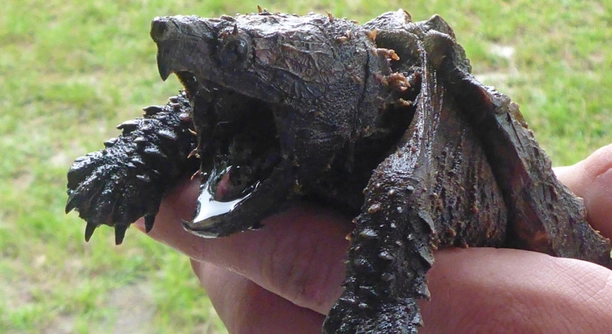
Are you trying to keep your alligator snapping turtle healthy but unsure about the right temperature range? Temperature plays a crucial role in their well-being, affecting their metabolism, digestion, and overall activity levels.
The optimal temperature range for an alligator snapping turtle’s water is between 75°F and 80°F, while the basking area should be around 85°F to 90°F. Maintaining these temperatures helps support their immune system and keeps them comfortable in captivity.
Proper temperature regulation ensures your turtle remains active and avoids potential health issues. Learning how to maintain these conditions will help create a thriving environment for your pet.
Ideal Temperature for Alligator Snapping Turtles
Keeping your alligator snapping turtle at the right temperature is essential for its health. The water should stay between 75°F and 80°F, while the basking area should be around 85°F to 90°F. If temperatures are too low, the turtle’s metabolism slows down, leading to sluggish behavior and digestive issues. On the other hand, excessive heat can cause stress and discomfort. A stable environment helps support proper growth and prevents common health problems. Using a reliable thermometer and adjusting heating equipment as needed ensures the right conditions. Consistency is key to keeping your turtle comfortable and active.
A proper temperature setup mimics the turtle’s natural habitat. Warmer water encourages activity, while a basking spot provides the necessary heat for digestion and overall well-being. If temperatures fluctuate too much, your turtle may become lethargic or refuse to eat.
To maintain the best conditions, consider using a high-quality water heater and a heat lamp. Place thermometers in different areas of the tank to monitor fluctuations. Regularly check and adjust temperatures to ensure they stay within the recommended range. Creating a well-regulated environment allows your turtle to thrive and stay healthy for years to come.
Signs Your Turtle’s Temperature Is Off
A turtle exposed to improper temperatures may show clear signs of distress. If the water is too cold, it may become sluggish, eat less, or show signs of respiratory infection. Overheating can lead to excessive basking, open-mouth breathing, or restlessness.
If you notice these signs, check the temperature immediately. Sudden changes can impact your turtle’s immune system, making it vulnerable to illness. Ensure your heating and lighting setup is functioning properly, and adjust as needed. Stability is important to prevent unnecessary stress and health issues.
An underheated turtle may develop a weak immune system, making it more prone to infections. Prolonged exposure to cold can also cause digestive issues, leading to bloating or a lack of appetite. Overheating, on the other hand, can cause dehydration and excessive basking, which may lead to shell damage. Regularly monitoring your turtle’s behavior and making small adjustments to the temperature setup helps maintain its well-being.
How to Regulate Temperature Properly
Using a reliable water heater helps maintain a stable temperature. Choose one with an adjustable thermostat to keep the water between 75°F and 80°F. A basking lamp is also necessary to create a warm area around 85°F to 90°F for proper digestion and activity.
Position the heater near a water flow source to distribute heat evenly. Submersible heaters are ideal, as they provide consistent warmth and prevent cold spots. A thermometer should be placed at both ends of the tank to ensure accurate readings. If the water is too cold, increase the heater’s setting gradually. If it’s too warm, adjust ventilation or use a fan to cool the area.
For the basking spot, use a heat lamp with a ceramic bulb or a UVB light to provide both warmth and essential UV exposure. Position the lamp at an appropriate distance to prevent overheating. A basking platform should be easily accessible, allowing the turtle to dry off completely. Regularly check the temperatures to ensure they remain stable and make adjustments as needed. A well-regulated setup helps prevent health problems and keeps your turtle comfortable.
Common Mistakes to Avoid
Many people forget to check temperature levels regularly, which can lead to dangerous fluctuations. A thermometer should be placed in both the water and basking area to monitor conditions accurately. Sudden changes can cause stress and health problems.
Overheating is another issue. Placing a heat lamp too close to the basking area can make it too hot, forcing the turtle to avoid it. This can lead to improper digestion and shell problems. Adjust the lamp’s position to maintain a safe temperature range. If your turtle refuses to bask, double-check the temperature to ensure it’s not too high.
Another mistake is using the wrong type of heater. Some heaters are too weak for larger tanks, leading to uneven heat distribution. Always choose a heater that matches the size of your tank. Additionally, avoid placing the tank in direct sunlight, as this can cause unpredictable temperature spikes. Proper monitoring and adjustments help prevent these issues and create a safe environment for your turtle.
Best Equipment for Temperature Control
A high-quality submersible heater with an adjustable thermostat keeps water temperatures stable. Look for models with automatic shut-off features to prevent overheating. A digital thermometer helps track changes accurately, ensuring your turtle’s habitat stays within the recommended range.
For the basking area, a UVB heat lamp provides warmth and essential UV exposure. A ceramic heat emitter is a great option for nighttime heating without disrupting the turtle’s natural cycle. Positioning these correctly ensures a comfortable and safe environment.
Seasonal Temperature Adjustments
Temperature changes with the seasons can affect your turtle’s habitat. In colder months, water heaters may need to be set slightly higher to maintain consistency. A tank cover can help trap heat and prevent drafts. During summer, ventilation is essential to avoid overheating. A small fan or an air-conditioned room can help regulate temperatures. Always monitor conditions daily to make necessary adjustments.
Final Temperature Maintenance Tip
Regularly check all heating equipment for malfunctions. A broken heater or faulty bulb can lead to sudden temperature drops, putting your turtle at risk. Keeping backup equipment on hand ensures you can quickly fix any issues and maintain a stable environment.
FAQ
What is the best water temperature for an alligator snapping turtle?
The ideal water temperature for an alligator snapping turtle is between 75°F and 80°F. This range helps keep your turtle active and supports healthy metabolism and digestion. Water that is too cold can slow down your turtle’s activity, while water that is too hot can cause stress and health problems.
How can I keep the basking area warm enough for my turtle?
To keep the basking area warm, use a heat lamp or a UVB light that provides both warmth and essential UV rays. The basking area should be between 85°F and 90°F. Ensure the lamp is positioned at the right height to avoid overheating the turtle.
Can temperature fluctuations harm my turtle?
Yes, temperature fluctuations can stress your turtle and impact its health. Consistent, stable temperatures are key to keeping your turtle comfortable. Sudden drops or increases in temperature can lead to digestive issues, weakened immunity, or even respiratory infections.
Should I adjust the temperature based on the season?
Yes, seasonal temperature changes should be considered. During colder months, your heater may need to work harder to maintain the water temperature, while in warmer months, you may need to improve ventilation to avoid overheating. Regularly check the temperature, especially if you live in an area with extreme seasonal changes.
How do I know if the water temperature is too low or too high?
If the water is too cold, your turtle may become lethargic, eat less, or show signs of respiratory problems like wheezing or open-mouth breathing. If the water is too hot, your turtle may try to avoid the water or bask excessively. Watch for these behaviors and adjust the temperature accordingly.
Can I use a regular aquarium heater for my turtle tank?
Yes, you can use a regular aquarium heater, but ensure that it is strong enough to handle the size of your tank. A heater with an adjustable thermostat is essential for maintaining consistent temperatures. Some heaters also have built-in temperature regulation to prevent overheating.
How often should I check the temperature?
It’s important to check the temperature at least once a day. Use a thermometer to monitor both the water and basking area. Doing this regularly ensures that the temperature stays within the proper range and allows you to adjust the equipment if necessary.
Is it okay to place my turtle’s tank near a window for sunlight?
It’s not recommended to place the tank directly near a window. Direct sunlight can cause the water temperature to fluctuate too much, making it difficult to maintain a stable environment. Instead, use controlled heat sources like a water heater and basking lamp.
Can I use a heat lamp 24/7?
It’s not ideal to use a heat lamp 24/7. Turtles need a day and night cycle to stay healthy. You should provide a proper night-time temperature drop for their natural sleep cycle. A timer can help regulate light and heat exposure, creating a more natural environment.
Do I need to provide a night-time temperature drop for my turtle?
Yes, turtles need a slight temperature drop at night to mimic their natural environment. While the basking area can cool down to around 75°F to 80°F, the water temperature should stay relatively stable. A slight cooling at night helps your turtle maintain a healthy cycle.
Can my turtle get too hot while basking?
Yes, your turtle can get too hot if the basking area temperature is too high. Overheating can cause stress, dehydration, and even burn injuries. Make sure to monitor the temperature and adjust the heat source as needed to prevent any health issues.
What are the signs that my turtle is too cold?
Signs that your turtle is too cold include sluggish behavior, loss of appetite, and respiratory issues like wheezing or gasping. If your turtle is not moving much or seems inactive, check the water temperature and adjust the heater.
How do I maintain the right temperature with a larger tank?
With a larger tank, it’s important to use a more powerful heater that can maintain the right temperature over a larger water volume. You may need to use two heaters placed at different points to ensure even heat distribution. Always use a thermometer to monitor the temperature throughout the tank.
Can I use a fan to cool down the tank if it gets too hot?
Yes, if your turtle tank is getting too hot, a small fan can help cool it down. Just ensure it doesn’t blow directly into the water, as it can cause unwanted changes in humidity. Alternatively, consider placing your tank in a cooler room with proper ventilation.
What’s the best way to ensure consistent temperatures in my turtle’s habitat?
The best way to maintain consistent temperatures is by using high-quality equipment such as a reliable water heater, thermometer, and heat lamp. Regularly monitor the tank conditions and make adjustments as needed. Invest in a timer for lights and heating elements to maintain a consistent day-night cycle.
Maintaining the right temperature for your alligator snapping turtle is essential to its health and well-being. A stable environment with water temperatures between 75°F and 80°F and a basking area between 85°F and 90°F helps your turtle thrive. Fluctuating temperatures can cause stress, slow down digestion, and weaken your turtle’s immune system. Consistency is key, and it’s important to keep an eye on your setup to ensure everything is working properly. Using a high-quality heater and thermometer will allow you to adjust and regulate the tank environment easily.
Remember, temperature is just one part of creating a healthy habitat for your turtle. A proper diet, clean water, and access to UVB light are also necessary for keeping your turtle active and strong. Regularly monitoring water quality, especially the levels of ammonia, nitrites, and nitrates, will ensure your turtle isn’t exposed to harmful conditions. Along with temperature regulation, setting up a proper basking area where your turtle can dry off and absorb UVB light is essential for its overall health. These factors together create a comfortable and balanced environment that helps your turtle stay healthy for years.
While temperature control may seem complicated, it’s really about consistency and using the right tools. Take time to invest in quality equipment, and don’t forget to check the temperatures regularly. Make small adjustments as needed and always be mindful of your turtle’s behavior. If it seems sluggish or has trouble eating, that’s a sign you may need to adjust the temperature. With the right care, your alligator snapping turtle can live a long, healthy life in a comfortable, well-regulated habitat.

Hello,
If you enjoy the content that we create, please consider saying a "Thank You!" by leaving a tip.
Every little bit helps us continue crafting quality advice that supports the health, happiness, and well-being of pets around the world, for pets of all shapes, sizes, and species.
We really appreciate the kindness and support that you show us!