
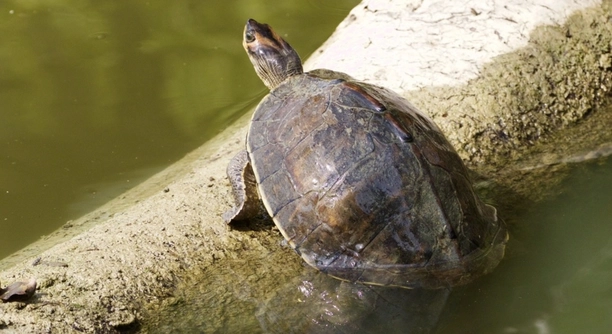
Albino Indian Roofed Tortoises are a unique and fascinating species. Their striking white appearance and docile nature make them a popular pet. Proper care ensures they stay healthy and thrive in your home.
The Albino Indian Roofed Tortoise requires a warm, controlled environment with a balanced diet of leafy greens, fruits, and occasional protein. Adequate space for roaming, UVB lighting, and a humidity-controlled habitat are essential for their well-being.
With the right care, these tortoises can live a long and healthy life. Learn how to maintain their environment and meet their dietary needs.
Housing Your Albino Indian Roofed Tortoise
Setting up the right environment is essential for your tortoise’s health. Albino Indian Roofed Tortoises need a warm, dry area with enough space to roam. A spacious enclosure is necessary to avoid stress. You can use a large glass tank or a tortoise table. Ensure the enclosure has a secure lid to prevent escapes. For the substrate, use coconut coir or a mix of soil and sand. This will help maintain humidity and allow digging behavior, which tortoises enjoy.
Make sure the tank has both warm and cooler areas. The warm side should reach around 85-90°F, while the cooler side can stay at 70-75°F. A UVB light is crucial for their shell and bone health. This mimics natural sunlight and helps them absorb calcium. It’s important to maintain proper humidity as well. A humidity level between 50% and 70% is ideal for them. Make sure to keep the enclosure clean and dry to avoid health issues.
Tortoises are active animals and need space to move around. You can create a safe, enriching environment by adding hiding spots, climbing elements, and water dishes. A shallow water bowl allows your tortoise to drink and bathe, which is essential for hydration and skin health.
Feeding Your Albino Indian Roofed Tortoise
Feeding your Albino Indian Roofed Tortoise a balanced diet ensures they stay healthy. Offer leafy greens such as collard greens, dandelion greens, and romaine lettuce.
Their diet should be rich in calcium and low in phosphorus. Occasionally, you can feed fruits like strawberries and melons. Avoid giving them too many high-protein foods or vegetables like spinach. While they enjoy variety, it’s important not to overfeed or introduce foods that can upset their digestion.
Tortoises need calcium to grow strong bones and shells. You can supplement their diet with calcium powder, which should be dusted lightly on the food. Vitamin D3 is another necessary supplement, especially if they do not get enough natural sunlight. Be sure to adjust the diet as they grow to avoid obesity or nutritional deficiencies.
Temperature and Lighting Needs
Albino Indian Roofed Tortoises require a consistent temperature to stay healthy. Their enclosure should have a warm side and a cooler side. The warm side should be between 85-90°F, and the cooler side should range from 70-75°F.
To meet their lighting needs, place a UVB light over the warm side of the enclosure. This mimics natural sunlight, which helps in calcium absorption and prevents shell deformities. UVB lighting should be on for 10-12 hours daily. Make sure the light is not too far from the tortoise to ensure proper exposure. Without UVB, they can become weak and lethargic.
Maintain the temperature and lighting consistently. A thermometer and a UVB light meter are useful tools to monitor the conditions. If the lighting is insufficient, your tortoise may experience health problems, including metabolic bone disease. It’s crucial to adjust the light and temperature according to the seasons and climate in your area.
Hydration and Humidity
Proper hydration and humidity are key to your tortoise’s health. Provide fresh water daily in a shallow dish for drinking and soaking.
Humidity is equally important for skin health and shell shedding. Keep the humidity level around 50%-70% in their enclosure. You can increase humidity by misting the enclosure or using a humidifier. It’s important to balance moisture levels; too much humidity can lead to respiratory problems.
Be sure to clean and change the water regularly to prevent bacteria growth. While Albino Indian Roofed Tortoises don’t need frequent soaking, offering them a shallow water dish encourages them to bathe. They may drink from the water dish when thirsty and take a soak when they need hydration.
Handling and Interaction
Albino Indian Roofed Tortoises are generally calm and tolerant of handling. However, it’s important to be gentle and avoid stressing them out.
Always support their body properly when picking them up. Avoid sudden movements or dropping them, as this can cause injury. Start with short handling sessions to build trust. Over time, they may become more comfortable with regular interaction.
Be mindful of their shell, as it’s a sensitive part of their body. Never force them into any situation they seem uncomfortable with. With patience, they can become accustomed to being handled without feeling threatened.
Health Checks and Vet Visits
Regular health checks are essential to ensure your tortoise remains healthy. Look for signs of illness such as lethargy, loss of appetite, or abnormal shell growth.
A vet specializing in reptiles is the best resource for thorough check-ups. Schedule annual visits to ensure your tortoise is growing properly and is free from parasites.
Be on the lookout for any physical changes in your tortoise, such as shell deformities or skin issues. These could signal a problem with their environment, diet, or overall health. Regular monitoring can help catch issues early.
FAQ
What is the lifespan of an Albino Indian Roofed Tortoise?
Albino Indian Roofed Tortoises can live up to 50 years or more with proper care. Their lifespan is significantly impacted by the environment, diet, and how well their needs are met. It’s important to create a healthy habitat that promotes their well-being.
How big do Albino Indian Roofed Tortoises get?
Albino Indian Roofed Tortoises typically grow to about 12-14 inches in length. Males tend to stay on the smaller side, while females can be slightly larger. Their growth rate depends on diet, habitat conditions, and overall care. They may take several years to reach full size.
What should I feed an Albino Indian Roofed Tortoise?
A balanced diet is essential for these tortoises. They thrive on leafy greens like collard greens, dandelion greens, and romaine lettuce. You can occasionally feed them fruits like melons and strawberries, but avoid giving them high-protein foods or too many fruits.
For calcium, you can dust their food with a calcium supplement. Vitamin D3 can be helpful, especially if they aren’t exposed to enough natural sunlight. Keep their meals varied but avoid overfeeding. Obesity is a common issue in pet tortoises.
Do Albino Indian Roofed Tortoises need UVB light?
Yes, UVB light is crucial for their health. It helps them synthesize vitamin D3, which is essential for calcium absorption and healthy bone development. Without UVB, your tortoise may develop metabolic bone disease, which can lead to severe health problems.
Make sure the UVB light is positioned properly in the enclosure and that it’s replaced regularly, as UVB lights lose effectiveness over time. Aim to provide 10-12 hours of UVB light each day to mimic natural sunlight.
How often should I clean the Albino Indian Roofed Tortoise’s enclosure?
You should clean the enclosure regularly to maintain a healthy environment. Spot clean the substrate daily by removing any waste, uneaten food, and soiled bedding. Full cleanings, including changing the substrate, should be done every 4-6 weeks.
A dirty enclosure can lead to bacteria and parasites, which can harm your tortoise. Be sure to disinfect the enclosure thoroughly during full cleanings, but avoid harsh chemicals that could harm your pet.
Do Albino Indian Roofed Tortoises need to be bathed?
Bathing is not necessary every day, but it’s important to provide your tortoise with a shallow water dish to drink from and soak in. Soaking helps with hydration and can assist with shedding.
You can also gently bathe them in lukewarm water for a few minutes, but be sure not to leave them in the water for too long. Always dry them off gently afterward to avoid any skin irritation.
How can I tell if my Albino Indian Roofed Tortoise is sick?
Common signs of illness in tortoises include lethargy, lack of appetite, abnormal shell growth, discharge from the eyes or nose, and unusual behavior. If your tortoise is not eating or drinking and shows signs of weakness, it’s important to consult a reptile vet.
Monitor their environment closely and make adjustments to their habitat or diet if needed. Early detection can help prevent more serious health problems from developing.
Can Albino Indian Roofed Tortoises be housed with other tortoises?
It’s best to house them separately, especially in the beginning. Tortoises can be territorial, and housing them together may lead to aggression or stress. If you do decide to house them with others, make sure there’s plenty of space and resources for each tortoise.
Watch their interactions closely to ensure they aren’t fighting or causing harm to each other. Some tortoises may coexist peacefully, but it’s not always guaranteed.
What temperature should I keep the enclosure?
Albino Indian Roofed Tortoises need a gradient temperature in their enclosure. The warm side should be between 85-90°F, while the cooler side should range from 70-75°F. This allows your tortoise to regulate its body temperature by moving between the warmer and cooler areas.
At night, temperatures can drop slightly, but they should never fall below 65°F. Use a heat lamp for the warm side and a ceramic heater or under-tank heater to maintain proper temperature levels.
What is the best substrate for an Albino Indian Roofed Tortoise?
Coconut coir, a mix of soil and sand, or a reptile-specific bedding material are all good options. These substrates help maintain the right humidity levels and allow your tortoise to dig, which is a natural behavior.
Avoid using cedar or pine bedding, as these can release harmful oils that are toxic to tortoises. Make sure to spot clean the substrate daily and change it regularly to keep the enclosure clean and healthy.
Can I handle my Albino Indian Roofed Tortoise?
Yes, but it’s important to handle them gently and respectfully. While they are generally calm, sudden movements or rough handling can cause stress. Start with short sessions and gradually increase the duration as they become accustomed to being handled.
Always support their body properly when picking them up and avoid handling them too frequently, especially in the beginning. Handling can be stressful, so it’s best to respect their space and comfort levels.
Final Thoughts
Taking care of an Albino Indian Roofed Tortoise can be a rewarding experience if you are prepared to meet their needs. These tortoises require a warm and stable environment, a proper diet, and regular health checks. Providing them with the right habitat and care can lead to a long, healthy life. It’s essential to set up their enclosure correctly, with proper temperature and UVB lighting, as these factors are critical for their overall health.
Feeding them a balanced diet of leafy greens, occasional fruits, and the right supplements helps to keep them in good condition. Avoid overfeeding them or giving too many high-protein foods, as this can lead to health issues. Regular hydration, in the form of fresh water and occasional soaks, is necessary for their well-being. Also, keeping an eye on their behavior and physical condition can help catch any potential health problems early on.
Ultimately, an Albino Indian Roofed Tortoise requires a commitment to their care. If you’re willing to provide them with the right environment and attention, they can live for many years as a peaceful companion. Remember, while they may be low-maintenance compared to other pets, they still have specific needs that must be met. With the right approach, you can enjoy the company of your tortoise for decades to come.

Hello,
If you enjoy the content that we create, please consider saying a "Thank You!" by leaving a tip.
Every little bit helps us continue crafting quality advice that supports the health, happiness, and well-being of pets around the world, for pets of all shapes, sizes, and species.
We really appreciate the kindness and support that you show us!