
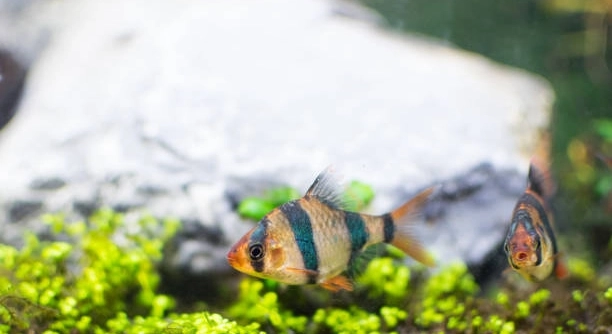
Tiger barbs are popular freshwater fish often kept in home aquariums. Many fish enthusiasts wonder how these colorful fish would fare outside controlled environments. Natural ponds offer a very different habitat from tanks.
Tiger barbs can survive in natural ponds under certain conditions, such as stable water temperature, adequate oxygen levels, and suitable shelter. However, factors like predators, water quality, and seasonal changes heavily influence their survival chances.
Understanding these conditions helps determine if natural ponds are a safe environment for tiger barbs. This article explores what influences their ability to thrive outside aquariums.
Habitat Needs of Tiger Barbs
Tiger barbs thrive best in warm, slow-moving freshwater. They prefer water temperatures between 74°F and 79°F (23°C to 26°C) and need plenty of plants or hiding spots. Natural ponds can offer these conditions, but it depends on the pond’s location and environment. Oxygen levels in natural ponds can fluctuate, especially in the early morning or late evening, which can stress the fish. Also, natural ponds might have different pH levels or water hardness than aquarium tanks. These changes can affect the health of tiger barbs if they are not gradual. In addition to water quality, natural ponds often have predators like birds or larger fish, which can threaten tiger barbs. Still, if the pond is sheltered and has a balanced ecosystem, tiger barbs can adapt and survive. Careful observation and knowledge of the pond’s conditions are key to understanding if tiger barbs will do well there.
Natural ponds with stable temperatures and enough plant cover give tiger barbs the best chance at survival.
Ponds often have many different fish and animals. Tiger barbs may compete for food or space, which can cause stress. They need enough food like small insects or algae to stay healthy. Natural ponds also have seasonal changes that affect water temperature and food availability. During colder months, tiger barbs may become less active or find it hard to survive. If the pond freezes or water levels drop, their chances of surviving decrease. Still, with the right environment, tiger barbs can live comfortably in natural ponds for long periods. It’s important to monitor these factors carefully to help tiger barbs stay healthy outside their usual tank setting.
Risks in Natural Ponds
Natural ponds can expose tiger barbs to many risks that do not exist in home tanks.
One major risk is predation. Birds like kingfishers, larger fish, and even amphibians can prey on tiger barbs. Natural ponds may also have parasites and diseases that the fish aren’t used to. Water pollution from runoff or chemicals can quickly harm them. Unlike a controlled tank environment, these threats can cause stress or even death. Without protection, tiger barbs may not survive long. It’s also important to consider that ponds can dry up during droughts or floods, disrupting the fish’s habitat. Ensuring the pond has good water quality and natural shelters reduces these dangers. Overall, while natural ponds may seem inviting, tiger barbs face many challenges that make survival difficult without the right conditions and care.
Water Quality and Temperature
Tiger barbs need clean water with stable conditions to stay healthy. Sudden changes in temperature or water quality can harm them quickly. Natural ponds may not always offer this stability.
Water temperature in natural ponds can vary widely depending on the season and weather. If the water gets too cold, tiger barbs may become sluggish or stop eating. High temperatures can reduce oxygen levels, which stresses the fish. Natural ponds also tend to have fluctuating pH levels and can collect debris, affecting water clarity and cleanliness. Regular rain or water flow can help keep the pond balanced, but stagnant ponds might develop harmful bacteria or algae blooms. Maintaining good water quality is essential for tiger barbs to thrive outside their usual aquarium setup.
Besides temperature, other factors like ammonia and nitrate levels matter. Natural ponds sometimes have organic waste that breaks down and releases ammonia, which is toxic to fish. In aquariums, filtration systems keep this in check, but ponds rely on natural processes and plants to filter water. If these processes aren’t strong enough, tiger barbs can suffer from poor water conditions. Testing the water regularly and ensuring enough plant life can improve survival chances.
Feeding Tiger Barbs in Natural Ponds
Tiger barbs are omnivores and eat a variety of foods in the wild. Natural ponds can provide some of their dietary needs, but not always enough.
In natural ponds, tiger barbs feed on small insects, larvae, and plant matter. However, depending on the pond’s size and ecosystem, food availability may vary. If the pond is crowded with other fish, competition for food increases, which can affect tiger barbs’ growth and health. Sometimes, food shortages in ponds force fish to eat less nutritious options, which may weaken their immune systems. Supplementing their diet with occasional feedings can help, but this is only possible if the pond is accessible and safe from predators. Providing a balanced diet remains important even outside the aquarium.
Shelter and Protection
Tiger barbs need places to hide from predators and feel secure. Natural ponds with plenty of plants and rocks offer good shelter.
Without enough cover, tiger barbs become easy targets for birds and larger fish. Dense vegetation helps them stay safe and reduces stress.
Breeding in Natural Ponds
Breeding tiger barbs in natural ponds is possible but less predictable than in controlled tanks. They need clean water, safe spots to lay eggs, and stable conditions. In ponds, eggs and fry face higher risks from predators and changing environments. Without proper shelter and food, many young fish may not survive to adulthood.
Monitoring Fish Health
Regularly watching the behavior and appearance of tiger barbs helps catch health problems early. Changes in swimming patterns or color can signal stress or disease.
FAQ
Can tiger barbs survive cold winters in natural ponds?
Tiger barbs are tropical fish and do not handle cold well. If the pond temperature drops below 68°F (20°C), they may become stressed or inactive. In areas with cold winters, natural ponds can freeze or get too cold, making survival difficult. Without warming, tiger barbs may not survive prolonged cold periods.
How often should I check the water quality in a natural pond?
It’s best to check water quality at least once a week if you keep tiger barbs in a natural pond. Test for temperature, pH, ammonia, nitrite, and nitrate levels. Monitoring these regularly helps catch problems early and keeps the fish healthy.
Are natural ponds better than aquariums for tiger barbs?
Natural ponds offer a more natural environment, but they also come with many risks like predators and water fluctuations. Aquariums provide controlled conditions that are safer and more stable for tiger barbs. Ponds can work if well-managed and stable.
What kind of plants are good for tiger barbs in ponds?
Plants like hornwort, water sprite, and java moss provide excellent cover and improve water quality. They also offer hiding places that reduce stress and protect tiger barbs from predators.
Can tiger barbs eat natural pond insects?
Yes, tiger barbs eat insects and larvae found in ponds. These natural foods are healthy and help meet their dietary needs. However, food availability may vary, so supplemental feeding might be necessary.
How do I protect tiger barbs from predators in a pond?
Providing dense vegetation and hiding spots is key to protection. You can also use pond netting or floating covers to keep birds away. Avoid stocking the pond with large predatory fish.
Will tiger barbs reproduce naturally in ponds?
They can, but survival of eggs and fry is uncertain. Many predators eat eggs or young fish. Safe, quiet areas with plants improve chances of successful breeding.
Is pond water safe for tiger barbs without treatment?
Not always. Pond water quality can vary, and pollutants or bacteria may be harmful. Testing and occasional water changes help maintain safe conditions.
Can tiger barbs live in ponds without supplemental feeding?
They might survive if there is enough natural food, but this depends on the pond’s ecosystem. Supplementing their diet improves health and growth.
What signs show that tiger barbs are stressed in ponds?
Look for erratic swimming, loss of color, hiding too much, or reduced appetite. These signs mean water quality or environmental factors need attention.
Tiger barbs are hardy fish, but their survival in natural ponds depends on many factors. They need stable water temperature, clean water, and enough shelter to protect them from predators. Natural ponds can provide a more natural environment compared to tanks, but this environment is less controlled and can change quickly. Weather, water quality, and other animals all affect how well tiger barbs can live outside an aquarium. It is important to know the conditions of the pond before deciding to keep tiger barbs there.
Water quality is one of the most important things to watch in a natural pond. Unlike aquariums, ponds do not have filters to keep water clean. This means that ammonia, nitrate, and other harmful substances can build up. If these get too high, tiger barbs can get sick or die. Temperature is also a big concern. Tiger barbs do best in warm water, and cold temperatures can cause them to become weak or inactive. Many natural ponds experience temperature changes with the seasons, so tiger barbs may not always be comfortable. If the pond freezes in winter, tiger barbs likely will not survive. Good plant cover can help improve water quality and give fish places to hide.
Feeding tiger barbs in a natural pond can be challenging. These fish eat insects, larvae, and some plant matter, which ponds usually provide. However, food availability depends on the pond’s ecosystem. If the pond is crowded with other fish or animals, tiger barbs might face competition for food. This can lead to weaker fish or slower growth. It is a good idea to check if the pond has enough natural food or to provide extra feeding if possible. Watching the fish’s behavior and health regularly can help catch problems early. Overall, tiger barbs can survive in natural ponds, but they need the right conditions and some care to thrive outside their usual aquarium homes.

Hello,
If you enjoy the content that we create, please consider saying a "Thank You!" by leaving a tip.
Every little bit helps us continue crafting quality advice that supports the health, happiness, and well-being of pets around the world, for pets of all shapes, sizes, and species.
We really appreciate the kindness and support that you show us!