
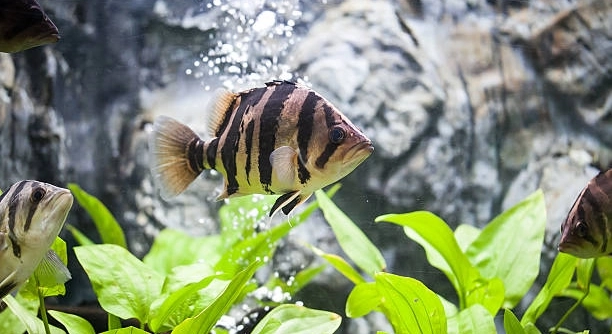
Do you ever find yourself wondering if your tiger barbs can live peacefully with other fast-moving fish like danios? Compatibility between species is often a concern for fish keepers looking to build a balanced aquarium.
Tiger barbs and danios can coexist under the right conditions, but it depends heavily on tank size, group numbers, and environmental setup. Ensuring both species have enough space and distractions helps reduce aggression and territorial behavior.
Learning how these two species behave and interact can help you create a stress-free, lively aquarium that works well for both.
Understanding Their Temperament
Tiger barbs are known for their bold, active nature and can sometimes nip at other fish, especially those with long fins or slower movement. Danios, on the other hand, are fast, alert, and tend to swim near the top of the tank. This can help them avoid conflict, but the risk still exists. When housed together, tiger barbs should always be kept in groups of six or more to help spread out any aggressive behavior. This also reduces their urge to chase other fish. Danios are schooling fish too and feel safer in groups of at least five. If both species are kept in suitable numbers, they tend to focus on their own group and are less likely to bother each other. Keeping them active and distracted with plants, hiding spots, and open swimming areas also lowers the chances of aggression and stress.
Avoid mixing them in a small tank.
A tank that’s too cramped will raise tension and make both species more defensive. You want enough room for them to establish their space without constant interaction.
If you’re thinking of combining them, aim for a tank size of at least 30 gallons. Tiger barbs usually occupy the mid-level of the tank, while danios stay closer to the top. This helps reduce overlap and stress. Include plants and decorations to break lines of sight, which lowers tension and allows each group to settle into their own zones. Avoid adding slow-moving or long-finned fish to this setup, as tiger barbs tend to nip at them more than they do danios. Feed the fish a varied diet and provide enough food so they don’t start competing. If you notice any signs of chasing or fin-nipping, try rearranging the tank or adding more fish to balance the group dynamics. Watching how they behave early on will help you make adjustments before things get worse.
Creating a Balanced Tank
Start with a well-planned setup that gives both species their own space and enough room to swim freely.
It’s best to keep the tank lively and active to match their energy levels. Use plants, caves, and driftwood to give cover and variety. Tiger barbs prefer some open space in the middle of the tank, while danios need current and surface movement. Choose a filter that keeps the water clean and adds gentle flow. Keeping a steady temperature around 74°F to 78°F and a pH between 6.5 and 7.5 will help both species stay healthy. Make sure the lighting isn’t too strong, as this can stress them out. Feed them small portions a couple of times a day and keep an eye on their behavior. If either group starts showing signs of stress or aggression, consider adding more of the same species to create a better school. This helps spread out energy and keeps the tank peaceful over time.
Feeding and Maintenance Habits
Feeding both tiger barbs and danios is simple as long as you use small, fast-sinking foods. They are both active eaters and will compete quickly for food. Make sure you spread the food across the tank to avoid crowding.
Tiger barbs and danios both enjoy flake food, micro pellets, and occasional live or frozen treats like bloodworms or brine shrimp. Feed them twice a day in small portions. Overfeeding can lead to waste buildup and water quality issues, which stress the fish. Always remove uneaten food after five minutes. Both species are hardy, but they do better in clean water. Perform partial water changes once a week—about 25% of the tank volume—to keep the environment stable. Check filters regularly and rinse them in tank water to avoid killing beneficial bacteria. Good maintenance helps reduce the risk of illness and keeps aggression levels low.
Try to stick to a consistent schedule. Fish become calmer when they know when to expect feeding and cleaning. Stability helps reduce competition and makes the tank more relaxed overall. If your tiger barbs or danios start acting differently—like hiding more, losing color, or swimming oddly—it may be a sign of stress from poor water quality or lack of nutrition. Check your water parameters weekly using a test kit and adjust as needed. Balanced feeding and regular cleaning are some of the easiest ways to prevent problems before they start. Keep an eye on all activity during feeding times to make sure no fish are being pushed out or left hungry.
Signs of Stress and Aggression
Watch for fin nipping, chasing, or one group hiding more than usual. These are signs your setup may need adjustment or that one species is feeling crowded or unsafe. Act early to avoid bigger issues later.
Tiger barbs may show stress by turning pale or becoming overly aggressive. Danios tend to hide or dart around quickly when they feel threatened. If you notice these behaviors, first check the tank size and the number of fish in each group. A school that’s too small can lead to bullying or isolation. Also look at water quality—ammonia spikes or temperature drops can make fish act out. Rearranging plants or adding more hiding places often helps. You can also try splitting feeding spots to keep them from crowding during mealtime. If tension continues, you might need to separate the species into different tanks. Even with active fish like these, it’s possible to create a setup that works—you just have to keep checking and adjusting as needed.
Ideal Tank Mates
Avoid adding slow or long-finned fish like angelfish or guppies, as tiger barbs may nip at them. Stick to quick, active fish that can hold their own in a busy tank.
Good tank mates include cherry barbs, zebra danios, yoyo loaches, and certain types of tetras.
Breeding Behavior
Breeding tiger barbs and danios in the same tank can be tricky due to their active behavior and the need for specific conditions. Both species scatter eggs, and adults often eat them. If you want to breed them, use a separate breeding tank for each group. Provide fine-leaved plants or spawning mops for egg laying. After spawning, remove the adults to keep the eggs safe. Fry need clean water, tiny food like infusoria, and daily care. In a community setup, it’s rare for eggs or fry to survive unless you take special steps. Focus on stable conditions and strong schools before trying to breed.
Final Thoughts
Keeping tiger barbs and danios together takes planning, but it’s possible with the right balance of space, numbers, and care.
FAQ
Can tiger barbs and danios live together peacefully?
Yes, tiger barbs and danios can live together peacefully if certain conditions are met. Both species are active swimmers and prefer to be kept in schools of their own kind. Keeping at least six tiger barbs and five danios helps spread their energy and reduces aggression. A tank size of 30 gallons or more is recommended to provide enough space for both groups. Adding plants, decorations, and hiding spots breaks up the line of sight and decreases stress. Regular maintenance and feeding multiple times a day also keep fish healthy and calm.
Why do tiger barbs nip at other fish?
Tiger barbs are known for their nipping behavior, especially toward slow-moving or long-finned fish. This is partly due to their playful and territorial nature. They often nip to establish dominance or because they get bored in small or empty tanks. Keeping tiger barbs in larger groups can help reduce this behavior, as they focus on each other instead of other tank mates. Providing enough space, plants, and distractions also lowers their urge to nip. Avoid adding fish with delicate fins to a tank with tiger barbs.
Do danios get bullied by tiger barbs?
When properly housed, danios usually do not get bullied by tiger barbs. Danios are quick swimmers and tend to stay near the top of the tank, which reduces direct conflict. Both fish species like to school and feel safer in groups. If one group is too small or the tank is overcrowded, bullying can occur. Keeping balanced numbers and sufficient space helps prevent stress and chasing. Watching their behavior regularly allows early detection of any issues.
How many tiger barbs and danios should I keep together?
A minimum of six tiger barbs and five danios is ideal. This creates a good balance and helps spread out their energy, preventing one fish from being singled out. Larger groups are even better, especially in bigger tanks. The goal is to make both species feel safe and part of their own school. Overcrowding should be avoided as it can increase aggression and stress.
What tank size is best for keeping tiger barbs with danios?
A 30-gallon tank is the recommended minimum size for housing tiger barbs and danios together. This allows enough swimming space and room for decorations to separate territories. Larger tanks offer more freedom for each species and reduce competition. Smaller tanks can lead to aggression and stress, so it’s best to avoid keeping these fish together in tight spaces.
What should I feed tiger barbs and danios?
Both tiger barbs and danios eat similar foods and are not picky. A mix of high-quality flake food, micro pellets, and occasional live or frozen treats like bloodworms or brine shrimp works well. Feed small amounts two times a day, spreading food across the tank to avoid crowding. Overfeeding can harm water quality and fish health. Removing leftover food after a few minutes helps keep the tank clean.
How do I prevent aggression between tiger barbs and danios?
Prevent aggression by maintaining proper group sizes, providing enough space, and offering hiding places and plants. Keep both species in schools to spread energy and reduce territorial behavior. Maintain good water quality and a stable environment, as stress can increase aggression. Feeding regularly and evenly also keeps fish calm. Rearranging tank decorations can break up line of sight if chasing occurs.
Can tiger barbs and danios breed in the same tank?
Breeding tiger barbs and danios together is difficult. Both species scatter their eggs, which adults often eat. Successful breeding usually requires separate tanks with specific conditions. Fine-leaved plants or spawning mops help protect eggs. After spawning, adults should be removed to prevent eating the eggs. Raising fry requires clean water and tiny live foods. In community tanks, eggs and fry rarely survive due to active tank mates.
What water conditions suit both tiger barbs and danios?
Both species prefer slightly acidic to neutral water with a pH between 6.5 and 7.5. Temperature should stay between 74°F and 78°F. Moderate water flow and good filtration are important to mimic their natural habitats. Regular water changes, about 25% weekly, keep the water clean and reduce stress. Stable water conditions support healthy fish behavior and reduce disease risk.
What are signs that my tiger barbs or danios are stressed?
Signs of stress include pale colors, hiding more than usual, loss of appetite, rapid breathing, or erratic swimming. Aggression or fin nipping can increase if fish feel threatened. Watch for changes in behavior after adjusting the tank or adding new fish. Checking water quality regularly and ensuring proper care helps prevent stress before symptoms appear.
Keeping tiger barbs and danios together in one tank can work well if you plan carefully. Both species are active and enjoy swimming in groups, so having enough fish of each kind is important. When they have their own schools and enough space, they tend to focus on swimming and exploring rather than bothering each other. A tank of at least 30 gallons helps give them room to spread out and reduces stress. Adding plants, decorations, and hiding spots breaks up the tank and allows each species to have their own areas. This setup can make the tank feel balanced and peaceful for both types of fish.
Feeding and maintenance also play a big role in keeping tiger barbs and danios happy. They eat similar foods and do well with a mix of flakes, pellets, and occasional live treats. Feeding small portions twice a day keeps them healthy and prevents food waste. It is important to clean the tank regularly and do weekly partial water changes. Good water quality reduces the chances of illness and lowers stress, which in turn keeps aggressive behavior down. Watching your fish carefully helps you notice if anything is wrong early, so you can make changes before problems grow.
Even with the right care, it’s normal to see some minor chasing or nipping, especially from tiger barbs. This doesn’t always mean the fish can’t live together—it often shows their natural energy and interaction. By keeping group sizes balanced, tank space sufficient, and water conditions stable, you can reduce tension. If aggression does become a problem, small changes like rearranging decorations or increasing school sizes can help. Overall, with the right conditions and attention, tiger barbs and danios can coexist well, creating a lively and interesting aquarium that many fish keepers enjoy.

Hello,
If you enjoy the content that we create, please consider saying a "Thank You!" by leaving a tip.
Every little bit helps us continue crafting quality advice that supports the health, happiness, and well-being of pets around the world, for pets of all shapes, sizes, and species.
We really appreciate the kindness and support that you show us!