
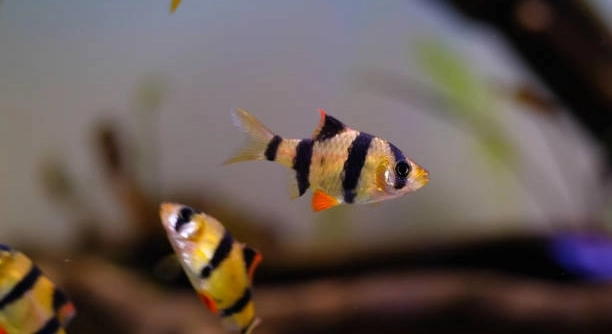
Tiger barbs are popular freshwater fish known for their bright colors and active nature. Many fishkeepers enjoy having them in home aquariums. Their care requirements can vary, especially when it comes to water conditions like oxygen levels.
Tiger barbs cannot thrive in low oxygen tanks. These fish require well-oxygenated water to maintain their health and activity. Poor oxygen levels can lead to stress, weakened immune systems, and even death in tiger barbs. Proper aeration and water movement are essential.
Understanding how oxygen affects tiger barbs will help ensure they stay healthy and lively in your aquarium. Maintaining the right environment is key to their well-being.
Understanding Oxygen Needs for Tiger Barbs
Tiger barbs are active swimmers, which means they need plenty of oxygen in their tank water to keep up their energy. Unlike some fish that can survive in low-oxygen environments, tiger barbs rely on good water flow and aeration. When oxygen levels drop, they may become sluggish or hide more often. Low oxygen can also make it harder for them to fight off illnesses. Keeping the water clean and well-filtered helps maintain proper oxygen levels. Sometimes adding an air stone or adjusting the filter output can improve water circulation and oxygen content. It’s also important to avoid overstocking the tank since too many fish can quickly use up oxygen. Plants can help oxygenate the water during the day, but they also consume oxygen at night, so they are not a full solution. Overall, monitoring oxygen levels and making small adjustments can make a big difference in your tiger barbs’ health.
Oxygen is vital for their breathing and overall well-being. They cannot adapt well to low oxygen tanks, so proper care is needed.
Keeping track of oxygen levels doesn’t have to be complicated. Simple tools like a dissolved oxygen test kit can provide quick feedback on your tank’s condition. Many aquarium hobbyists overlook the importance of oxygen until fish show signs of distress. Watching how your tiger barbs behave can also tell you a lot; gasping at the surface or lethargy may mean oxygen is low. Regular partial water changes help maintain water quality, which supports good oxygen levels. Avoid placing the tank in direct sunlight to prevent algae blooms, which can reduce oxygen. Ensuring your filtration system is adequate for your tank size is key. Sometimes, small changes like increasing water movement or adding floating plants improve the oxygen balance. Keeping a balance is essential because too much agitation can stress the fish, while too little lowers oxygen availability. By maintaining this balance, tiger barbs will thrive in a comfortable, oxygen-rich environment.
Signs of Low Oxygen in Tiger Barb Tanks
When oxygen levels are low, tiger barbs show clear signs of stress. They often swim near the water surface and may gasp for air. Their colors might fade, and they become less active. In worse cases, they might hide or even lose appetite. These signs should never be ignored.
If you notice these behaviors, test the water immediately. Low oxygen can be fixed by improving aeration or water movement. Adding an air pump or increasing filter flow can help quickly. Sometimes a simple water change can restore oxygen balance. In some tanks, live plants might consume oxygen at night, so consider adjusting lighting or plant density. Also, check for overcrowding and remove any dead or decaying matter, which reduces water quality. Providing proper care means you can avoid these stressful conditions and keep your tiger barbs healthy and vibrant. Remember, prompt action improves the chance of recovery and keeps your fish comfortable. Regular monitoring is the best prevention against low oxygen problems.
How to Improve Oxygen Levels in Your Tank
Adding an air stone or air pump is a simple way to boost oxygen. These devices create bubbles that increase water movement and oxygen exchange at the surface.
Adjusting your filter’s flow rate can also help. Stronger water circulation means more oxygen spreads throughout the tank, keeping your tiger barbs comfortable. Just be careful not to make the flow too strong, as it can stress the fish.
Regular water changes improve oxygen levels by removing waste and refreshing the water. Waste buildup lowers oxygen, so cleaning the tank helps maintain balance. Keeping the tank clean and well-aerated is essential for your fish’s health and activity.
Tank Setup Tips for Better Oxygenation
Choose a tank size that allows plenty of space for your fish to swim freely. Overcrowding uses up oxygen fast and stresses tiger barbs.
Use a good filtration system suited for your tank size. Filters that provide surface agitation improve oxygen exchange, which is crucial for active fish. Avoid placing the tank in direct sunlight to prevent temperature spikes and algae growth, both of which reduce oxygen. Adding live plants can help during the day, but remember they consume oxygen at night. Consider floating plants or fewer dense plants to avoid oxygen drops after lights out. Monitoring water temperature is also important because warmer water holds less oxygen. Keeping the tank cool and well-ventilated supports healthy oxygen levels for your tiger barbs.
Common Mistakes That Lower Oxygen Levels
Overcrowding the tank is a major mistake that quickly reduces oxygen availability. More fish consume more oxygen and produce more waste.
Neglecting regular water changes lets waste build up, which also lowers oxygen. Both issues can harm tiger barbs if not addressed quickly.
Monitoring Oxygen Levels in Your Aquarium
Using a dissolved oxygen test kit is the most reliable way to check oxygen levels. These kits are affordable and easy to use. Test the water regularly, especially if you notice fish showing signs of stress. Maintaining stable oxygen levels helps prevent health problems. Observing fish behavior also provides clues—if they seem sluggish or gasp at the surface, oxygen may be low. Combining testing with observation gives a good picture of your tank’s health and helps you take action before problems worsen.
The Role of Temperature in Oxygen Levels
Warmer water holds less oxygen than cooler water, so tank temperature affects oxygen availability for tiger barbs.
FAQ
Can tiger barbs survive in low oxygen tanks?
Tiger barbs need well-oxygenated water to stay healthy. They cannot survive long in tanks with low oxygen because they are active swimmers who breathe heavily. Low oxygen causes stress and can lead to illness or death. Proper aeration and water circulation are essential for their survival.
What are signs that my tiger barbs are struggling with low oxygen?
If your tiger barbs swim near the surface often or gasp for air, it’s a clear sign of low oxygen. Other signs include reduced activity, faded colors, hiding, or loss of appetite. These behaviors should prompt immediate action to improve oxygen levels.
How can I increase oxygen levels in my aquarium?
Adding an air pump or air stone creates bubbles that increase surface agitation and oxygen exchange. Adjusting your filter to increase water flow helps spread oxygen throughout the tank. Regular water changes remove waste that consumes oxygen, so keep your tank clean.
Does tank size affect oxygen levels for tiger barbs?
Yes, overcrowding can quickly lower oxygen because too many fish consume oxygen faster than it can be replaced. Ensure your tank is large enough to provide enough space and oxygen for all your fish. A good rule is to avoid crowding and keep the fish number appropriate for the tank size.
Can live plants help with oxygen in the tank?
Live plants do produce oxygen during the day through photosynthesis, which can help boost oxygen levels. However, plants consume oxygen at night, which may lower oxygen levels if the tank is overcrowded or poorly aerated. Use plants carefully and balance their numbers with proper aeration.
Is water temperature important for oxygen levels?
Yes, warmer water holds less oxygen than cooler water. If your tank temperature is too high, oxygen levels can drop. Keeping the water between 74°F and 78°F is ideal for tiger barbs and helps maintain better oxygen levels.
How often should I test oxygen levels in my tank?
It’s a good idea to test oxygen levels regularly, especially if your tank is heavily stocked or if you notice signs of stress in your fish. Weekly testing is often enough, but more frequent checks can be helpful if conditions change or after adding new fish.
Can filter malfunction affect oxygen in my tank?
Yes, if the filter stops working properly or the flow is too weak, oxygen levels can drop because there is less water movement and surface agitation. Always maintain your filter and clean it regularly to ensure it runs efficiently.
What if I don’t have an air pump or stone?
You can increase oxygen by improving water movement. Using a filter with a spray bar or placing the outflow closer to the surface helps. Manually stirring the water or increasing water changes can temporarily boost oxygen but adding an air pump is a more reliable long-term solution.
How does waste affect oxygen levels?
Waste from fish and uneaten food breaks down in the water, consuming oxygen during decomposition. A dirty tank with a lot of waste will have lower oxygen levels. Regular cleaning and proper feeding routines prevent waste buildup and keep oxygen levels higher.
Can I use tap water directly for water changes?
Tap water often contains chlorine or chloramine, which are harmful to fish. Always treat tap water with a water conditioner before adding it to the tank. This protects your fish and helps maintain stable oxygen levels by keeping the water healthy.
Do tiger barbs need constant high oxygen levels?
Tiger barbs need stable and sufficient oxygen levels but not necessarily high turbulence. Too much water flow or agitation can stress them. The goal is balanced oxygenation—enough to support their activity without causing stress.
What equipment is best for maintaining oxygen in small tanks?
In smaller tanks, a compact air pump with an air stone is usually enough. Hang-on-back filters with adjustable flow can provide both filtration and aeration. For very small tanks, surface agitation is especially important because oxygen exchange is limited.
Can tank decorations affect oxygen levels?
Large or dense decorations can reduce water flow and oxygen distribution. Avoid overcrowding the tank with decorations and plants. Make sure water can circulate well around all areas of the tank to keep oxygen levels consistent.
Are some fish better suited for low oxygen tanks than tiger barbs?
Yes, some fish like certain catfish or labyrinth fish can tolerate lower oxygen conditions better than tiger barbs. Tiger barbs, being active and fast swimmers, require higher oxygen and are less tolerant of poor conditions.
What should I do if my tiger barbs show severe signs of oxygen deprivation?
Immediately increase aeration by adding an air pump or increasing filter flow. Perform a partial water change to improve water quality. Move the tank to a cooler area if possible. If symptoms persist, consider consulting an aquatic veterinarian or experienced fishkeeper for advice.
How does lighting affect oxygen levels?
Excessive lighting can cause algae growth, which uses oxygen at night and reduces overall oxygen availability. Use moderate lighting and control algae by cleaning the tank regularly. Balancing light exposure supports better oxygen levels and fish health.
Tiger barbs need a well-oxygenated tank to stay healthy and active. They are lively fish that rely on enough oxygen in the water to breathe properly. When oxygen levels drop, they can become stressed, sick, or even die. Keeping your tank clean, well-filtered, and aerated helps provide the oxygen they need. Simple steps like adding an air stone or adjusting the filter can make a big difference. It is important to remember that tiger barbs are not suited for low oxygen environments and need proper care to thrive.
Maintaining the right environment is key for the long-term health of tiger barbs. Oxygen is only one part of their care, but it plays a crucial role in their well-being. Along with oxygen, keeping the water temperature steady and ensuring there is enough space for your fish will help them stay active and colorful. Overcrowding or poor water quality can cause oxygen to drop quickly, which puts fish at risk. Regular monitoring of oxygen levels and fish behavior allows you to catch problems early and fix them before they get worse.
In the end, caring for tiger barbs means paying attention to the details that affect their water quality. Good oxygen levels are essential and easy to maintain with proper equipment and regular tank upkeep. Watching your fish and knowing how they behave will also help you understand when something is wrong. By taking these simple actions, you create a safe and comfortable home for your tiger barbs where they can live happily and display their bright colors for a long time. This care will give you more enjoyment from your aquarium and keep your fish healthy.

Hello,
If you enjoy the content that we create, please consider saying a "Thank You!" by leaving a tip.
Every little bit helps us continue crafting quality advice that supports the health, happiness, and well-being of pets around the world, for pets of all shapes, sizes, and species.
We really appreciate the kindness and support that you show us!