
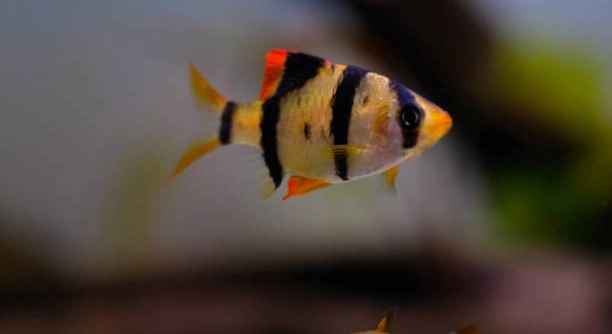
Heaters are important for keeping tiger barbs comfortable in their aquarium. These fish need stable water temperatures to stay healthy and active. Choosing the right heater helps maintain the proper environment for their well-being.
The best heater for tiger barbs is a reliable, adjustable aquarium heater with a thermostat. It should provide consistent heat around 74–79°F (23–26°C) to match their natural tropical habitat and prevent temperature fluctuations.
Knowing how to pick the right heater ensures your tiger barbs thrive in a safe and stable environment. The following details will help you make the best choice.
Why Stable Temperature Matters for Tiger Barbs
Maintaining a stable temperature in your tiger barb aquarium is essential. These fish come from tropical rivers, where water temperature rarely changes abruptly. Sudden fluctuations can stress them and weaken their immune systems, making them more prone to illness. When water is too cold, tiger barbs may become sluggish and lose their vibrant colors. If the temperature gets too warm, it can reduce oxygen levels in the water, causing breathing difficulties. A stable temperature also supports their metabolism and activity levels, encouraging natural behavior like schooling and feeding. Using a reliable heater with a thermostat helps create this steady environment. Monitoring the temperature regularly is equally important to avoid unwanted changes. This attention to detail ensures your tiger barbs remain healthy and comfortable, reducing risks of disease and improving their overall lifespan.
Stable temperatures help tiger barbs thrive by minimizing stress and promoting consistent health.
Keeping water conditions consistent supports your fish’s well-being and allows you to enjoy their active, bright personalities over time. Ensuring a dependable heater and regular checks are part of responsible fish care that yields rewarding results.
Types of Aquarium Heaters Suitable for Tiger Barbs
Submersible heaters are a popular choice because they are fully waterproof and easy to place inside the tank. They heat water evenly and are less likely to cause hot spots. Many come with built-in thermostats for precise temperature control. Another option is an external heater, which attaches outside the tank and warms water as it passes through. These are useful for larger tanks or setups with strong filtration systems. Adjustable heaters allow you to set the desired temperature, which is important to match the tiger barbs’ preferred range of 74–79°F (23–26°C). When selecting a heater, consider the tank size and wattage needed. Generally, a heater with 3 to 5 watts per gallon of water provides sufficient heating power. Proper placement and regular maintenance of the heater ensure efficient operation and a healthy environment for your fish.
Heater Placement Tips for Tiger Barb Tanks
Placing the heater correctly helps maintain an even temperature throughout the tank. Avoid spots near filters or air stones, as they can cause uneven heating. Position the heater where water flow is steady to distribute warmth effectively.
Correct placement ensures consistent heat without hot or cold spots. Typically, the heater goes near the filter outlet, where circulation is strongest. This allows warm water to spread evenly. Avoid placing the heater where it touches decorations or substrate, which could cause damage or inaccurate temperature readings. Regularly check the heater’s position and condition to prevent malfunction. Proper placement contributes to a stable environment that tiger barbs need for healthy living.
A well-placed heater combined with good water circulation supports stable temperatures and healthier fish. Adjust placement if temperature fluctuations or uneven heating occur.
Safety and Maintenance of Aquarium Heaters
Choosing a heater with built-in safety features like automatic shutoff protects your tank from overheating. Regular inspection prevents damage or wear that could cause failure. Unplug the heater before cleaning to avoid accidents.
Clean the heater surface gently to remove algae or mineral buildup, which can reduce efficiency. Test the heater regularly with a reliable thermometer to ensure accurate temperature control. Replace heaters showing cracks or malfunction signs promptly. Safety includes securing cords and avoiding water contact with electrical parts. Proper maintenance extends the heater’s lifespan and protects your fish from temperature stress or electric hazards. Keeping these practices ensures your tiger barbs enjoy a safe, stable habitat every day.
Choosing the Right Heater Wattage
Heater wattage depends on tank size and room temperature. A general rule is 3 to 5 watts per gallon of water to maintain consistent warmth for tiger barbs.
Too low wattage may fail to heat the tank properly, while too high can cause temperature spikes. Selecting the right wattage avoids stress and keeps fish comfortable.
Signs Your Heater Needs Replacement
If water temperature fluctuates often or the heater no longer maintains set levels, it may be failing. Visible cracks or corrosion are also warning signs.
Heaters older than two years should be checked regularly. Replacing a faulty heater prevents sudden temperature drops that can harm tiger barbs.
Using a Thermometer for Accuracy
A separate aquarium thermometer provides a more accurate reading than some built-in heater displays. Check temperatures daily to catch changes early.
Consistent monitoring helps keep water conditions stable, ensuring your tiger barbs stay healthy and active.
Avoiding Overheating Risks
Never leave the heater running unattended for long periods without monitoring. Overheating can harm fish and damage equipment.
Proper care and attention reduce risks and promote a safe aquarium environment.
FAQ
What temperature is ideal for tiger barbs?
Tiger barbs thrive best in temperatures between 74°F and 79°F (23°C to 26°C). Maintaining this range supports their metabolism, activity, and overall health. Temperatures outside this range can cause stress, illness, or changes in behavior.
Can I use any aquarium heater for tiger barbs?
Not all heaters are suitable. It’s important to choose one with an adjustable thermostat to keep the temperature stable. Submersible heaters with reliable temperature control are preferred. Avoid heaters without thermostats, as they can cause dangerous temperature swings.
How do I know what wattage heater to buy?
The wattage should correspond to your tank size. A good guideline is 3 to 5 watts per gallon. For example, a 10-gallon tank needs a 30 to 50-watt heater. This ensures the water heats evenly without overheating or underheating.
Is it safe to leave the heater on all the time?
Yes, as long as the heater has a built-in thermostat and safety features. The thermostat automatically turns the heater on or off to keep the temperature steady. However, regular checks are important to catch any malfunction early.
Where should I place the heater in the tank?
Place the heater near the filter outlet or a spot with strong water circulation. This helps distribute heat evenly. Avoid placing the heater near decorations or where it could touch gravel, as this may damage it or cause inaccurate temperature readings.
How often should I clean the heater?
Cleaning once a month is usually enough. Gently wipe off algae or mineral buildup with a soft cloth or sponge. Always unplug the heater before cleaning to avoid electric shock. Keeping the heater clean improves its efficiency and lifespan.
What signs indicate my heater is not working properly?
If you notice sudden temperature fluctuations, visible cracks, corrosion, or if the heater fails to maintain the set temperature, it might be faulty. Also, if your fish appear stressed or sluggish, check the heater immediately.
Can a heater cause health problems for tiger barbs?
Yes, improper heating can stress fish and weaken their immune systems. Overheating lowers oxygen levels, while cold water slows metabolism. Stable, correct temperature is vital for preventing disease and encouraging natural behavior.
Should I use a separate thermometer along with the heater’s built-in display?
Using an additional aquarium thermometer is recommended. Heater displays may not always be accurate. A separate thermometer helps monitor the real water temperature and avoid dangerous fluctuations.
How long do aquarium heaters typically last?
A well-maintained heater can last several years, but it’s wise to replace it every two to three years. Regular maintenance and inspections extend its life. Older heaters may fail unexpectedly, so timely replacement protects your fish.
Can I turn off the heater during the day?
It’s best to keep the heater on continuously. Turning it off can cause temperature swings that stress the fish. The thermostat controls when the heater runs, so manual switching is usually unnecessary.
Are there any alternatives to electric heaters?
For small or very shallow tanks, room temperature may sometimes suffice if it stays within the ideal range. However, electric heaters remain the most reliable way to maintain stable temperatures in most aquariums.
What should I do if the heater breaks suddenly?
Turn off and unplug the heater immediately. Remove it from the tank and replace it as soon as possible. Meanwhile, monitor water temperature closely and use temporary methods like warm water additions if needed.
Can fluctuations in temperature affect breeding?
Yes, inconsistent temperatures can disrupt breeding cycles and reduce egg viability. Stable warmth encourages healthy spawning behavior and successful hatching of fry.
Is it necessary to use a heater in all climates?
Heaters are essential in cooler climates or during colder months. In warm climates, room temperature may be sufficient, but using a heater provides control and prevents sudden cold snaps that stress fish.
How can I test if my heater’s thermostat is working correctly?
Use a reliable aquarium thermometer to compare water temperature with the heater’s set temperature. If readings differ consistently or temperature fluctuates widely, the thermostat may be faulty and the heater should be replaced.
What precautions should I take when installing a new heater?
Read the manufacturer’s instructions carefully. Allow the heater to acclimate to tank water before plugging it in. Secure the heater properly to avoid damage or movement. Always test the water temperature regularly after installation.
Are digital heaters better than analog ones?
Digital heaters often provide more precise temperature control and easy temperature adjustment. They may have additional safety features. Analog heaters work well but can be less accurate. Choose based on your budget and needs.
Can heater failure lead to sudden fish deaths?
Yes, sudden temperature drops or spikes caused by heater failure can quickly harm or kill fish. Regular monitoring and maintenance help prevent these emergencies.
Is it normal for heaters to make noise?
Most heaters operate quietly. Some may emit a faint humming, but loud or unusual noises can indicate malfunction. If the heater makes strange sounds, inspect it or consider replacing it.
These frequently asked questions cover the essentials for choosing, using, and maintaining heaters for tiger barbs. Proper care ensures your fish live in a stable, healthy environment.
Choosing the right heater for tiger barbs is essential for maintaining a healthy aquarium environment. These fish need a stable temperature between 74°F and 79°F (23°C to 26°C) to thrive. A reliable heater with an adjustable thermostat helps keep the water within this range, preventing stress and health issues. Proper heater wattage based on tank size ensures the water warms evenly without overheating. Paying attention to these details creates a safe and comfortable space for your tiger barbs to live actively and display their natural behaviors.
Heater placement and regular maintenance are just as important as choosing the right unit. Positioning the heater near the filter outlet or an area with good water flow helps spread warmth throughout the tank evenly. Avoid placing the heater where it could touch decorations or the substrate, which might cause damage or false temperature readings. Routine cleaning removes algae or mineral buildup, improving efficiency and preventing heater failure. Keeping a separate thermometer on hand allows you to monitor water temperature accurately and catch any problems early.
Safety is key when using aquarium heaters. Select models with built-in safety features, such as automatic shutoff, to protect your fish and equipment. Always unplug the heater before cleaning or adjusting it to avoid electric shock. Regular inspections can identify cracks, corrosion, or malfunction signs before they become serious. By following these simple steps, you ensure your heater works effectively and your tiger barbs stay healthy. Maintaining a stable, warm environment helps your fish flourish and brings enjoyment to your aquarium care.

Hello,
If you enjoy the content that we create, please consider saying a "Thank You!" by leaving a tip.
Every little bit helps us continue crafting quality advice that supports the health, happiness, and well-being of pets around the world, for pets of all shapes, sizes, and species.
We really appreciate the kindness and support that you show us!