
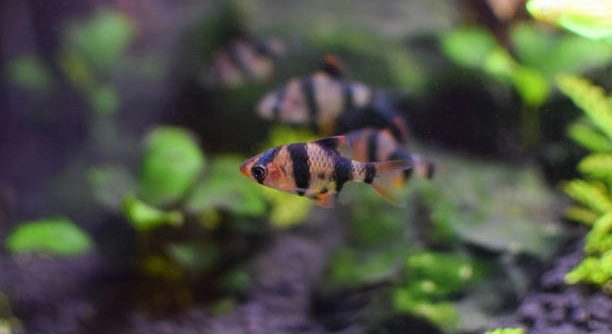
Are your tiger barbs constantly chasing each other or showing signs of stress even though their tank conditions seem just right?
Tiger barbs thrive in groups because they are naturally social and active fish. Keeping them in schools of six or more helps reduce aggression, supports natural behavior, and promotes overall health, making them more balanced and peaceful tank mates.
Learning why this schooling behavior matters will help you create a healthier, more enjoyable environment for both your tiger barbs and their companions.
They Feel Safer in Groups
Tiger barbs are naturally active fish that rely on the presence of others to feel secure. In the wild, they move in large groups to avoid threats and stay alert. When kept alone or in pairs, they often display anxious behavior like darting or hiding. A group of six or more helps them feel more protected and relaxed, which leads to healthier interactions. Fish kept in small groups are more likely to nip at others, especially slower tank mates. Schooling allows them to spread out their energy, stay busy, and reduce conflict. This setting also helps lower stress levels, which supports their immune system and overall health. Group life mimics their natural environment, creating a familiar and comforting space. If you’re looking to create a stable tank setup, a small school of tiger barbs is one of the easiest ways to promote safety, balance, and healthy behavior without much extra effort.
In small numbers, tiger barbs often become aggressive or withdrawn, making them difficult to manage.
A larger group spreads out their social interactions and minimizes bullying. With more distractions, they become less focused on one fish and more interested in group movement. This reduces tension and encourages smoother behavior across the tank.
They Show Off Their Colors Better
When tiger barbs feel secure, their natural colors become richer and brighter.
Confidence plays a big role in how tiger barbs present themselves. Fish that feel unsafe or stressed often lose color, making their stripes dull and their fins pale. In a healthy group, the sense of safety allows their bodies to relax and display stronger patterns. This doesn’t just look better—it’s also a sign of good health. Their orange and black markings become more defined, and their shimmering scales reflect light more easily. Group activity also encourages them to swim actively across the tank, giving you more chances to enjoy their appearance. Social interaction is a natural trigger for tiger barbs to engage, compete, and move together, which helps maintain their physical condition and color intensity. If you want your fish to truly shine, keeping them in a proper school is one of the most effective ways to bring out their full visual appeal.
They’re Less Aggressive When Kept in Schools
A group of tiger barbs helps prevent aggressive behavior. When kept in small numbers, they often nip at tank mates and fight among themselves due to built-up tension and boredom.
In a school of six or more, aggression is naturally reduced because their attention is divided. The energy they’d normally direct at one or two fish is instead spread across the group, making confrontations less intense. This balanced interaction keeps them moving and distracted, which helps prevent stress and injuries. They also become more predictable and stable in behavior, which is better for shared tanks. Group activity gives them a sense of purpose and lowers dominance displays, leading to better cooperation. Keeping tiger barbs in schools is one of the most effective ways to create a peaceful aquarium with fewer behavioral issues.
Barbs need stimulation, and isolation often brings out the worst in their behavior. They are naturally energetic and interactive, needing others to match their rhythm. When they don’t have enough tank mates, their behavior becomes tense, erratic, or even aggressive toward slower fish. A school helps balance their instincts with movement, interaction, and play. This prevents them from targeting others, creating a more peaceful tank environment. Their attention shifts to staying in sync with the group rather than bothering other fish. When given the right setup, tiger barbs adjust easily and become more enjoyable to observe.
They Swim in a More Natural Pattern
Tiger barbs are instinctive swimmers that follow group behavior. In a school, they move together in tight patterns, which mimic their wild environment. This natural flow not only looks beautiful but also keeps their energy balanced throughout the day.
Swimming in sync with others brings out their healthiest habits. It encourages constant movement, helps with muscle development, and keeps boredom away. When swimming alone or in small numbers, their movement becomes jumpy or frantic. But in a group, they form smooth patterns that reduce stress and increase alertness. This active swimming also helps regulate their digestion and reduces the chance of bloating or sluggish behavior. When they swim in schools, their routine becomes more stable. The constant activity also creates a sense of rhythm in the tank, giving them purpose. If you’re looking for a way to support both their body and mind, keeping them in schools is the easiest solution.
They Eat More Calmly and Evenly
Tiger barbs in groups feed with less panic. They no longer compete as aggressively because their focus is shared across the group. This results in calmer feeding times and a more even food distribution.
In small groups, stronger fish often push others aside during meals. But in a school, food competition levels out. Every fish gets a fair chance to eat, which helps support even growth and avoids underfed or overweight individuals.
They’re More Entertaining to Watch
When tiger barbs are in schools, their behavior becomes more interesting. They chase, dart, and interact with one another in ways that keep the tank lively. Watching a group swim in unison or change direction quickly adds energy to your setup. Their playfulness is natural and fun to observe.
They’re Easier to Manage
In schools, tiger barbs show more consistent behavior. You’re less likely to see sudden aggression or unpredictable swimming. They settle into routines that are easier to monitor, and any signs of stress become more noticeable. A stable group makes your tank more balanced and simpler to care for.
FAQ
How many tiger barbs should be kept together?
The ideal number is at least six. This amount allows them to form a natural school, which reduces aggression and stress. Smaller groups tend to fight more and can become overly aggressive toward other fish. Six or more gives them enough company to spread out their social interactions.
Can tiger barbs be kept with other fish?
Yes, but choose tank mates carefully. Tiger barbs are active and sometimes nippy, especially if not kept in proper schools. Calm, fast-swimming fish that can handle a bit of chasing work best. Avoid slow or long-finned fish, as they can become targets.
What size tank is best for a school of tiger barbs?
A 20-gallon tank is the minimum for six tiger barbs. They need space to swim freely and form natural groups. Larger tanks provide more room to spread out and reduce territorial behavior, which is important for keeping aggression low.
Do tiger barbs require special water conditions?
Tiger barbs prefer slightly acidic to neutral pH, between 6.5 and 7.5, and temperatures between 74°F and 79°F (23°C to 26°C). Maintaining stable water conditions helps keep them healthy. Regular water changes and good filtration are important, especially in group setups.
How often should tiger barbs be fed?
Feed them small amounts two to three times daily. Overfeeding can cause water quality issues and health problems. A varied diet of flakes, pellets, and occasional live or frozen foods keeps them well-nourished and vibrant.
What signs show tiger barbs are stressed?
Look for faded colors, hiding, erratic swimming, or excessive aggression. Stress may also cause loss of appetite or clamped fins. These signs often appear when they’re kept alone, overcrowded, or in poor water conditions.
Is it necessary to keep only tiger barbs in the tank?
No, but it’s easier to manage them in a species-specific tank or with compatible species. Mixed tanks can work if other fish are fast and resilient enough to handle the barbs’ energetic nature. Always watch for bullying or nipping behavior.
How do tiger barbs behave in larger groups?
In larger schools, their behavior becomes more balanced and natural. They focus more on group movement than individual dominance. This reduces aggressive chasing and encourages healthy social interaction, resulting in a more peaceful environment.
Can tiger barbs breed in home aquariums?
Yes, but breeding requires specific conditions, including a separate breeding tank, slightly softer water, and dense plants for egg laying. The adults can be aggressive during spawning, so it’s important to separate the eggs or fry to ensure survival.
What are common health issues in tiger barbs?
Common problems include fin rot, ich, and swim bladder issues. Stress from poor water conditions or aggression can weaken their immune system. Keeping them in a well-maintained school reduces stress-related illnesses and helps them stay strong.
Keeping tiger barbs in schools is clearly beneficial for their health and behavior. These fish are naturally social creatures, and being in a group helps them feel secure and less stressed. When kept alone or in small numbers, tiger barbs often become aggressive or nervous, which can cause problems in the tank. A proper school of six or more allows them to interact naturally, spreading out their energy and reducing tension. This simple step makes a big difference in maintaining a peaceful and balanced aquarium environment.
A school of tiger barbs also helps showcase their natural beauty. When they feel safe, their colors become brighter and more vivid. This is a sign that they are healthy and comfortable. Their group swimming creates lively, interesting patterns that are enjoyable to watch. This activity keeps them physically fit and mentally stimulated, reducing boredom. It also helps keep their feeding times calm and fair, so all fish have an equal chance to eat. Overall, keeping tiger barbs in schools supports both their well-being and the aesthetic appeal of the tank.
Maintaining a school of tiger barbs requires a suitable tank size, proper water conditions, and regular care. Providing enough space and stable water parameters is important for their comfort. Feeding them a varied diet and monitoring their behavior helps prevent health issues. By paying attention to their natural needs, you create a healthy environment where they thrive. Keeping tiger barbs in schools is one of the simplest and most effective ways to ensure they live longer, happier lives while adding energy and color to your aquarium.

Hello,
If you enjoy the content that we create, please consider saying a "Thank You!" by leaving a tip.
Every little bit helps us continue crafting quality advice that supports the health, happiness, and well-being of pets around the world, for pets of all shapes, sizes, and species.
We really appreciate the kindness and support that you show us!