
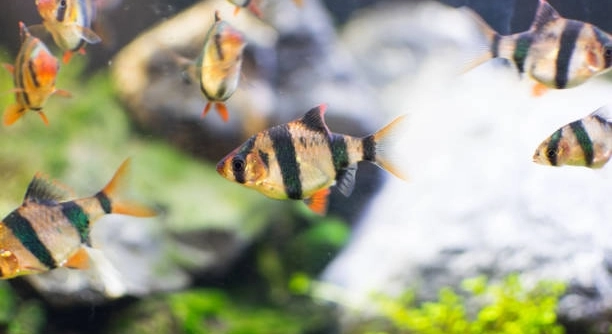
Tiger Barbs are popular aquarium fish known for their lively behavior and bright colors. Many fishkeepers notice these barbs often chase the water flow from their filters. This common behavior can be puzzling for new and experienced hobbyists alike.
Tiger Barbs chase the filter flow primarily because it simulates natural currents and offers stimulation. The water movement attracts their attention, encouraging exercise and interaction. This behavior also helps maintain their social structure and reduces boredom in captive environments.
Understanding why Tiger Barbs chase the filter flow can improve tank setup and fish wellbeing. This article will explain the reasons behind this behavior and how it impacts your aquarium’s balance.
Why Tiger Barbs Are Attracted to Filter Flow
Tiger Barbs are naturally drawn to moving water because it resembles their natural habitats. In rivers and streams, water currents provide oxygen and carry food particles. In an aquarium, the filter creates similar currents, which catch the fish’s attention. The flow helps them stay active and healthy by encouraging swimming against the current, which builds strength. Additionally, the moving water can serve as a form of enrichment, preventing boredom in an otherwise static environment. Without enough stimulation, Tiger Barbs may become stressed or aggressive. The flow from the filter also helps distribute oxygen evenly, so fish tend to gather around these areas. This behavior is instinctive and benefits their overall wellbeing. By understanding this natural attraction, aquarium owners can set up their tanks to meet the needs of their Tiger Barbs better.
The filter flow mimics natural water currents, providing exercise and mental stimulation for Tiger Barbs in captivity.
Properly designed water flow supports fish health and reduces aggressive behaviors in Tiger Barbs.
Managing Filter Flow for Your Tiger Barbs
Maintaining the right water flow is important for the comfort of Tiger Barbs. Too strong a current can stress them, while too weak may not provide enough stimulation.
Adjusting the filter flow rate ensures the tank environment remains balanced for Tiger Barbs. These fish prefer moderate currents that encourage activity without causing exhaustion or hiding behavior. If the flow is too strong, fish might struggle and avoid certain tank areas, reducing their space and causing territorial disputes. Using spray bars or diffusers can help spread water movement evenly. Placement of plants and decorations also influences flow patterns, providing resting spots where currents are gentler. Monitoring fish behavior helps determine if the flow is suitable; active, healthy swimming indicates comfort, while constant hiding or erratic movements may signal problems. Balancing water flow supports both the physical health and natural instincts of Tiger Barbs, contributing to a stable and harmonious aquarium environment.
How Filter Placement Affects Tiger Barb Behavior
The location of the filter in the tank directly impacts how Tiger Barbs interact with the water flow.
If the filter is positioned to create strong, direct currents in one area, Tiger Barbs will often gather there, chasing the flow repeatedly. This can lead to uneven swimming patterns and territorial behavior. Moving the filter to a spot that distributes water more evenly can encourage the fish to explore the entire tank and reduce crowding. Filter outflows aimed toward tank corners or spread by spray bars help create a more natural, gentle current that suits the fish’s needs better. Proper placement ensures all areas have good oxygen circulation, which benefits fish health overall.
By adjusting the filter’s position, it is possible to manage Tiger Barb activity and reduce stress caused by overly strong currents. This simple change helps keep the fish more balanced and calm in the aquarium environment.
Even small changes in filter placement can alter the tank’s flow dynamics significantly. Observing how Tiger Barbs respond to these changes helps determine the best setup for their comfort and natural behavior.
Signs That Filter Flow May Be Too Strong for Tiger Barbs
When the filter flow is too powerful, Tiger Barbs may show signs of distress or avoid certain areas of the tank. Constant hiding, lethargy, or erratic swimming indicate the current might be overwhelming. Fish struggling to maintain position against the flow can quickly become exhausted or injured.
Overly strong flow causes some Tiger Barbs to seek shelter behind plants, decorations, or filter intakes. This reduces their swimming space and can lead to stress and aggression within the group. Stress lowers their immune response, increasing susceptibility to illness. In extreme cases, damaged fins or scale loss may occur from constant battling with the current. Monitoring fish behavior regularly is essential to catch these warning signs early and adjust the flow accordingly.
Ensuring a moderate and well-distributed flow promotes healthier activity levels and reduces stress. A tank setup with varied flow zones gives Tiger Barbs areas to rest and areas to exercise, balancing their needs and promoting wellbeing.
Benefits of Moderate Water Flow for Tiger Barbs
Moderate water flow encourages Tiger Barbs to swim actively without causing exhaustion. It keeps them healthy by promoting natural exercise and reducing boredom.
This balanced current also helps maintain good oxygen levels throughout the tank. It prevents the buildup of waste and supports a cleaner environment for the fish.
How to Adjust Your Filter Flow Rate
Most filters have adjustable flow settings that can be changed by turning a dial or repositioning the outlet. Reducing the flow speed creates a gentler current that better suits Tiger Barbs. Adding flow diffusers or spray bars can spread water movement more evenly, avoiding strong jets. If the filter doesn’t have adjustable flow, installing a pre-filter sponge can soften the current. Testing different setups and observing how the fish respond helps find the right balance. Proper flow adjustment supports natural swimming behaviors and reduces stress-related problems.
Watch for Changes in Behavior After Adjustments
Observe how Tiger Barbs react after changing the filter flow. Healthy fish will explore more and swim calmly.
FAQ
Why do Tiger Barbs chase the filter flow constantly?
Tiger Barbs chase the filter flow because it mimics natural water currents found in their wild habitats. The moving water stimulates their instincts to swim actively and explore. It also provides exercise, which helps maintain their physical health. The flow encourages natural social behavior, reducing boredom and stress. Without this stimulation, Tiger Barbs can become lethargic or aggressive. The filter’s current is also a source of oxygenated water, so fish tend to stay near it for comfort and better breathing.
Is it harmful if Tiger Barbs spend too much time near the filter flow?
Spending a lot of time near strong filter flow can be harmful if the current is too strong. Constant fighting against a powerful flow can exhaust the fish, cause fin damage, and lead to stress. Over time, stress weakens their immune system, making them more prone to diseases. If the flow is moderate and well-distributed, it benefits the fish. Watching for signs like torn fins or hiding can help identify if the current is too strong and needs adjustment.
How can I reduce the filter flow to make it safer for my Tiger Barbs?
Many filters come with adjustable flow rates. Turning the dial to a lower setting reduces the water speed. If the filter lacks adjustments, using a pre-filter sponge or a spray bar can help soften and spread the flow. Positioning the filter output to avoid direct jets and placing decorations to break the current also reduces the strength of the flow in certain areas. Testing different setups while observing fish behavior will help find the most comfortable flow level for Tiger Barbs.
Can Tiger Barbs get bored if there is no filter flow?
Yes, Tiger Barbs can get bored without any water movement. In nature, they live in flowing streams and rivers, which keep them active. In still water, they may become less active, stressed, or more aggressive toward each other. Providing some water flow simulates their natural environment and keeps them engaged. This helps maintain their health and reduces negative behaviors caused by boredom.
Does the filter flow affect how Tiger Barbs interact with other fish?
Yes, filter flow influences fish interactions. Moderate flow encourages Tiger Barbs to swim actively and interact more naturally. If the flow is too strong, some fish may avoid certain areas, leading to territorial disputes or aggression. Uneven flow can concentrate fish in one spot, increasing competition. Balanced water movement promotes harmony by giving all fish enough space and oxygen throughout the tank.
What signs show that the filter flow is perfect for Tiger Barbs?
Signs of ideal filter flow include active swimming with relaxed movements and even distribution of fish throughout the tank. Tiger Barbs will not constantly hide or struggle against the current. They will explore different areas without signs of stress, such as torn fins or erratic swimming. Healthy appetite and normal social behaviors also indicate a comfortable flow. Regular observation is key to ensuring the flow remains suitable.
Can plants and decorations influence the effect of filter flow on Tiger Barbs?
Yes, plants and decorations play a big role in how water flow impacts fish. They can break strong currents, creating calm zones where Tiger Barbs can rest. Dense plants provide shelter from flow and reduce stress. Decorations placed strategically help distribute water movement evenly, preventing the formation of strong jets. This setup mimics natural conditions, allowing fish to choose areas with the flow they prefer.
Is it okay if Tiger Barbs chase the filter flow for exercise?
Chasing the filter flow is a natural and healthy behavior when the flow is moderate. It keeps Tiger Barbs active and physically fit. However, if chasing becomes constant and frantic due to overly strong flow, it can be harmful. The key is to provide a flow strength that encourages exercise without causing exhaustion or injury. Monitoring their behavior will help maintain this balance.
How often should I check the filter flow for my Tiger Barbs?
Filter flow should be checked regularly, especially after maintenance or tank changes. Observing fish behavior daily helps identify any problems early. Adjustments might be needed if you notice increased hiding, fin damage, or aggressive behavior. Seasonal changes and filter wear can also affect flow, so routine checks every few weeks are recommended to keep conditions stable for Tiger Barbs.
Final Thoughts
Understanding why Tiger Barbs chase the filter flow helps create a healthier environment for them. This behavior is natural and reflects their need for stimulation and exercise. Water currents mimic their wild habitats, giving them a chance to swim actively and stay strong. When the flow is balanced and moderate, it benefits the fish by encouraging movement and reducing boredom. This simple factor can have a big impact on their overall wellbeing.
Proper filter placement and flow adjustment are key to managing this behavior. Filters that create uneven or overly strong currents can cause stress and injury to Tiger Barbs. By observing their reactions and adjusting the flow, you can find the right balance that keeps them comfortable. Adding plants and decorations can also help break the flow and offer resting spots. These elements together create a more natural and stable tank environment, supporting healthier fish and less aggressive behavior.
Regular monitoring of your aquarium and its filter flow will improve your fish’s quality of life. Small changes, such as repositioning the filter or adding diffusers, can make a noticeable difference in how Tiger Barbs interact with their space. Remember that their chasing behavior is not a problem but a natural response to their surroundings. By paying attention to their needs and adjusting the tank accordingly, you ensure a happier, more active group of Tiger Barbs.

Hello,
If you enjoy the content that we create, please consider saying a "Thank You!" by leaving a tip.
Every little bit helps us continue crafting quality advice that supports the health, happiness, and well-being of pets around the world, for pets of all shapes, sizes, and species.
We really appreciate the kindness and support that you show us!