
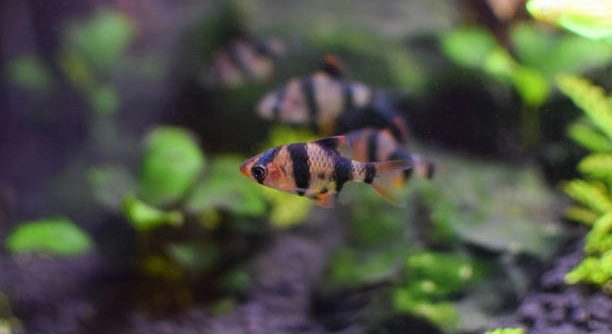
Tiger barbs are colorful freshwater fish popular in home aquariums. Understanding what triggers their spawning behavior can help hobbyists encourage breeding and care for their fish more effectively. This article explains the key factors behind their reproductive habits.
Tiger barb spawning behavior is primarily triggered by environmental cues such as water temperature, lighting, and quality. Proper nutrition and the presence of suitable tank conditions stimulate hormonal changes that lead to spawning activity. Stress reduction also plays a significant role in encouraging breeding.
Recognizing these triggers is essential for anyone interested in breeding tiger barbs successfully. The following sections will provide detailed information on how to create the right environment for spawning.
Environmental Factors That Influence Tiger Barb Spawning
Water temperature plays a crucial role in triggering spawning behavior in tiger barbs. Typically, these fish begin to spawn when the water temperature rises to around 78 to 82 degrees Fahrenheit. Light exposure also affects their breeding cycle. A consistent 12-hour light and 12-hour dark schedule helps simulate natural conditions, encouraging spawning. Water quality is another key factor; clean, well-oxygenated water with regular partial changes supports their health and readiness to breed. The tank setup should include fine-leaved plants or spawning mops, which provide safe places for egg laying and protection for the fry. Stress can easily prevent spawning, so minimizing disturbances and keeping compatible tank mates is important. Overall, stable and suitable environmental conditions are necessary to encourage tiger barbs to spawn successfully.
Maintaining these conditions consistently will increase the chances of spawning and healthier offspring in your aquarium.
Creating the right environment requires patience and observation. You may need to adjust water temperature gradually while monitoring fish behavior. Providing plants or spawning mops can make a significant difference in egg survival. Avoid overcrowding the tank and ensure other fish do not stress the tiger barbs during this time. Regular water testing helps keep parameters in check, ensuring no harmful chemicals or excess waste interfere with spawning. When conditions are ideal, you will notice increased activity, chasing, and bubble nest building. These are clear signs that the fish are preparing to spawn. Knowing how to fine-tune the environment for your tiger barbs will help you support their natural breeding instincts and improve your success rate.
The Role of Nutrition and Health
A balanced diet is essential to prepare tiger barbs for spawning.
Proper nutrition boosts their energy and increases fertility. Feeding high-quality flakes, live or frozen foods like brine shrimp, and occasional vegetable matter provides the necessary vitamins and proteins for reproductive health. Overfeeding should be avoided, as it can cause poor water quality, which negatively affects spawning. Supplements such as live daphnia or bloodworms help condition the fish before breeding. A healthy immune system also reduces stress and disease risk, which can prevent spawning. Observing your fish for signs of illness or lethargy is important to address any issues early.
In addition to diet, maintaining overall health through clean water and stable conditions supports successful breeding. Avoid sudden changes in the tank environment that might shock the fish or disrupt their natural behavior. Consistency is key to keeping tiger barbs in optimal health for spawning. The relationship between nutrition and health directly impacts their willingness and ability to reproduce. By providing the right foods and care, you create a foundation that encourages regular spawning cycles and vigorous fry development. This holistic approach ensures your tiger barbs remain active and ready to breed when conditions are favorable.
Tank Setup and Spawning Behavior
A well-organized tank encourages tiger barbs to spawn naturally. The tank should have enough space, appropriate plants, and hiding spots.
Using fine-leaved plants or spawning mops gives tiger barbs safe areas to lay eggs and protects the fry from being eaten. The tank size matters, too; a minimum of 20 gallons is recommended to provide enough room for active fish and breeding behavior. Avoid overcrowding, as stress can inhibit spawning. Maintaining a peaceful environment with compatible tank mates reduces stress and promotes natural behaviors. Regular cleaning and partial water changes help sustain water quality, which is essential for successful spawning.
Lighting also affects spawning activity. A stable light cycle of about 12 hours on and 12 hours off simulates natural daylight and supports reproductive hormones. Sudden changes in lighting or environment can disrupt spawning, so keep conditions steady.
Signs of Spawning Readiness
Tiger barbs show specific behaviors before spawning. Increased chasing and flashing colors indicate readiness.
Males become more vibrant and actively chase females around the tank. This behavior can last several days and helps stimulate the female to release eggs. You might notice the fish rubbing their bodies against plants or spawning mops. These signs are clear indicators that spawning will occur soon, so preparing the tank accordingly is important. During this period, avoid disturbing the fish or changing tank conditions abruptly, as this can delay spawning or stress the fish.
Observing these behaviors closely will help you know when to expect spawning. Timing your feeding with high-quality foods during this stage supports the fish’s energy needs. By recognizing these signs, you can optimize care and tank maintenance to encourage successful breeding.
Water Conditions for Spawning
Stable water conditions are essential for tiger barb spawning. Parameters such as pH, hardness, and temperature must be consistent.
A pH range of 6.5 to 7.0 and soft to moderately hard water support breeding. Sudden changes can stress the fish and prevent spawning.
Managing Tank Mates During Spawning
Tank mates should be chosen carefully to avoid stress or predation of eggs and fry. Aggressive or overly active fish can disrupt spawning and harm young fish.
Preparing for Fry Care
Once spawning occurs, preparing a separate space or breeding box for fry helps increase survival rates. This prevents adult fish from eating the eggs or fry.
Common Mistakes to Avoid
Avoid overcrowding, sudden water changes, and overfeeding during spawning. These issues cause stress, which can stop breeding or harm developing eggs and fry.
FAQ
What is the ideal water temperature for tiger barb spawning?
The ideal water temperature for tiger barb spawning ranges between 78 and 82 degrees Fahrenheit. Maintaining this temperature encourages hormonal changes needed for breeding. Temperature fluctuations should be avoided as they can stress the fish and delay spawning. Using an aquarium heater and thermometer helps keep the water stable.
How important is lighting for spawning?
Lighting plays a significant role in triggering spawning behavior. A consistent light cycle of about 12 hours on and 12 hours off simulates natural conditions. This regularity supports the fish’s internal biological clock, promoting reproductive activity. Sudden changes in lighting can disrupt this process.
Can tiger barbs spawn in community tanks?
Yes, but it is not ideal. Community tanks may have fish that eat eggs or fry. Aggressive or curious tank mates can stress tiger barbs and interrupt spawning. A dedicated breeding tank or separating tiger barbs during spawning improves survival rates of the fry.
What types of plants or decorations work best for spawning?
Fine-leaved plants and spawning mops are preferred. These provide safe places for females to lay eggs and shelter for the fry. Plants like Java moss or hornwort work well. Avoid sharp decorations that can injure the fish or eggs.
How do I know when tiger barbs are ready to spawn?
Males become more colorful and chase females actively. You may see rubbing behavior against plants or spawning mops. These signs usually appear a few days before spawning. Increased activity and vibrant colors indicate readiness.
How long does tiger barb spawning take?
Spawning typically lasts several hours, but courtship behavior may continue for a few days. Eggs hatch in about 24 to 36 hours, and fry become free-swimming in 3 to 5 days. Patience is key during this period.
What should I feed tiger barbs before and during spawning?
Feeding a high-quality, varied diet helps prepare tiger barbs for spawning. Live or frozen foods like brine shrimp, bloodworms, and daphnia boost fertility. Supplementing with flakes and vegetable matter ensures balanced nutrition.
How often should I change water during spawning?
Regular partial water changes, about 20 to 30 percent weekly, maintain water quality without stressing the fish. Avoid large or sudden changes that may disturb the fish and interrupt spawning behavior.
What causes tiger barbs to stop spawning?
Common reasons include poor water quality, inconsistent temperature, inadequate diet, and stress from tank mates or overcrowding. Addressing these issues improves breeding success.
How can I protect eggs and fry from being eaten?
Use a breeding box or separate tank for the eggs and fry. Adding dense plants or spawning mops also offers protection. Removing adult fish after spawning reduces predation risk.
Is it necessary to simulate seasonal changes for spawning?
While not mandatory, slight adjustments in temperature and lighting to mimic natural seasonal shifts can encourage spawning. Gradual temperature increases and longer daylight hours often stimulate reproductive behavior.
How do I care for fry after hatching?
Feed fry with infusoria or commercially available liquid fry food initially. Gradually introduce newly hatched brine shrimp or finely crushed flakes as they grow. Keep the water clean and well-oxygenated for healthy development.
Can stress prevent tiger barbs from spawning?
Yes, stress is a major factor that can delay or stop spawning. Causes include poor water quality, aggressive tank mates, overcrowding, or sudden environmental changes. Minimizing stress improves breeding chances.
How long does it take for fry to grow to maturity?
Tiger barb fry typically reach maturity in 6 to 8 months. Providing proper nutrition and maintaining stable water conditions accelerates healthy growth.
What tank size is best for breeding tiger barbs?
A tank of at least 20 gallons is recommended for breeding pairs or small groups. This size allows enough space for active behavior and proper water quality management.
Can I breed tiger barbs without plants?
Breeding without plants is possible but more challenging. Eggs and fry have less protection, increasing the risk of predation. Using spawning mops or a separate breeding tank helps compensate for the lack of plants.
Final thoughts on tiger barb spawning emphasize the importance of creating and maintaining the right environment. Successful breeding depends largely on stable water conditions, proper temperature, and a consistent light cycle. These factors work together to trigger the natural spawning behavior of tiger barbs. A tank that closely mimics their natural habitat with suitable plants or spawning mops helps protect eggs and fry, increasing the chances of successful reproduction. Paying attention to these basic needs is essential for anyone looking to encourage tiger barbs to spawn.
Nutrition and health also play a crucial role in spawning success. Providing a balanced diet rich in proteins and vitamins prepares the fish for breeding and supports their overall well-being. Overfeeding or poor-quality food can harm water quality and stress the fish, which may stop spawning altogether. Keeping the fish healthy and free from stress through clean water, appropriate tank mates, and a calm environment improves their willingness to breed. This combination of good care and proper conditions creates a stable foundation for tiger barbs to reproduce regularly.
Lastly, patience and observation are important throughout the process. Spawning behavior may not happen immediately after changes are made, as tiger barbs need time to adjust and feel comfortable. Watching for signs of readiness, such as increased chasing and brighter colors, helps guide timing for any tank adjustments or preparations. Avoiding sudden changes or disturbances keeps stress low and supports the natural cycle. With consistent care, attention to environment, and patience, breeding tiger barbs can become a rewarding part of aquarium keeping.

Hello,
If you enjoy the content that we create, please consider saying a "Thank You!" by leaving a tip.
Every little bit helps us continue crafting quality advice that supports the health, happiness, and well-being of pets around the world, for pets of all shapes, sizes, and species.
We really appreciate the kindness and support that you show us!