
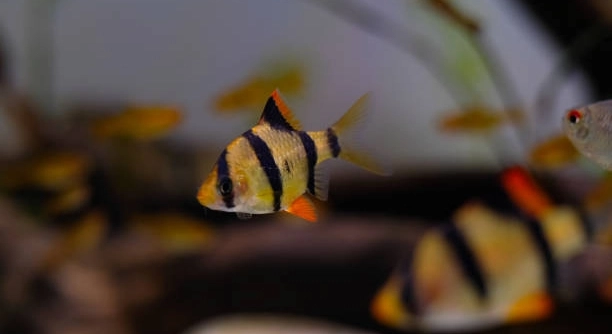
Keeping Tiger Barbs in groups is a common practice among aquarium enthusiasts. These small, active fish display interesting behaviors when housed together. Understanding the benefits of grouping them can improve their well-being and the overall aquarium environment.
Keeping Tiger Barbs in groups reduces stress, encourages natural schooling behavior, and promotes healthier social interactions. Group living also minimizes aggression, enhances activity levels, and improves their overall lifespan and vitality in captivity.
Exploring these benefits will help you create a balanced and thriving community tank for your Tiger Barbs.
Reduced Stress and Improved Comfort
Tiger Barbs feel safer and more relaxed when kept in groups. Being with others of their kind lowers their stress levels significantly. When alone, these fish may become anxious or hide more often, which is not healthy for their development. In groups, they swim actively and interact naturally. This creates a comfortable environment that mimics their natural habitat. Reduced stress also helps strengthen their immune system, making them less prone to diseases. Fish kept in isolation tend to show signs of depression or lethargy, but grouping helps avoid this. When Tiger Barbs share space with others, they form social bonds that support their mental health. This social comfort encourages natural behaviors, which benefits their overall well-being.
Lower stress in groups results in healthier and more active Tiger Barbs that display better colors and behavior.
Many owners notice that Tiger Barbs kept in groups swim more confidently and show vibrant colors. Group living replicates their natural environment where they rely on each other for safety and social cues. The presence of companions reduces fear of predators and supports natural schooling patterns. These patterns improve swimming coordination and stimulate natural instincts. Group interaction also provides mental stimulation, preventing boredom and promoting physical exercise. This active lifestyle contributes to muscle tone and digestion. When housed alone, Tiger Barbs may show aggression or inactivity, but groups encourage harmony. This improves tank atmosphere and reduces care challenges. Overall, maintaining groups promotes happier and healthier Tiger Barbs with long-term benefits for their health and appearance.
Encouragement of Natural Schooling Behavior
Tiger Barbs naturally swim in schools, and groups allow this behavior to develop properly. They coordinate their movements and stay close together, which helps with balance and safety. Schooling also reduces the chance of any one fish being singled out or bullied. This natural habit supports their survival instincts and keeps them alert to changes in their environment. When in groups, Tiger Barbs express more natural swimming patterns and body language. These behaviors indicate good mental and physical health, which is important for a thriving aquarium. Schooling helps distribute attention and reduces aggressive behavior toward tank mates. A group setting replicates the conditions Tiger Barbs are adapted to, which improves their quality of life.
When Tiger Barbs school naturally, they display more vibrant colors and balanced social interactions. This makes the tank more visually appealing and easier to maintain.
Minimized Aggression Among Tiger Barbs
Keeping Tiger Barbs in groups helps lower aggressive behavior. When alone or in small numbers, they tend to pick on other tank mates or each other.
In larger groups, aggression is spread out, so no single fish is targeted. This reduces stress and injury among them. Tiger Barbs establish a social order, which helps keep peace. Aggression often arises when fish feel threatened or lonely. Having several companions distracts them and provides outlets for their energy. This leads to a calmer environment for all aquarium inhabitants.
A well-sized group balances dominance and submission, making the whole tank more stable. The fish spend less time fighting and more time exploring, which is better for their health.
Increased Activity and Stimulation
Tiger Barbs in groups stay active and curious. Their interaction encourages constant movement, which supports their physical health. Swimming together helps maintain fitness and muscle tone.
Being part of a group also provides mental stimulation. They communicate through body language and respond to one another’s movements. This social dynamic keeps their minds engaged and prevents boredom. A single Tiger Barb may become lethargic or stressed without this interaction. Group activity improves digestion and overall vitality. It also enhances their ability to adapt to changes in their environment. This natural stimulation contributes to longer, healthier lives.
Their lively behavior is enjoyable to watch and makes the aquarium more dynamic. Grouped Tiger Barbs show a wider range of natural actions and energy levels.
Enhanced Color Vibrancy
Tiger Barbs show brighter colors when kept in groups. Their natural social interactions stimulate color development.
Color intensity also signals health and vitality to other fish. Group settings encourage this natural display, improving the tank’s overall appearance.
Easier Monitoring of Health
Keeping Tiger Barbs in groups makes it simpler to spot health issues early. Ill or stressed fish often behave differently than the group.
Changes in activity or appearance stand out more clearly, allowing for timely care and treatment.
Better Social Balance
Groups help maintain a balanced social structure among Tiger Barbs. This reduces conflicts and promotes harmony.
Social balance leads to a calmer environment, benefiting all tank inhabitants.
Support for Natural Behavior
Group living encourages natural instincts like foraging and exploring. This supports the fish’s mental and physical well-being.
FAQ
How many Tiger Barbs should I keep together?
Keeping at least six Tiger Barbs together is recommended. Smaller groups can lead to increased aggression and stress. A group of six or more allows natural schooling behavior and helps spread out any aggressive tendencies. This promotes a healthier, more balanced tank environment for all fish.
Can Tiger Barbs be kept with other fish?
Tiger Barbs can live with other species but choosing compatible tank mates is essential. Avoid slow-moving or long-finned fish, as Tiger Barbs may nip at them. Suitable companions include other fast, semi-aggressive fish that can handle their active nature. Always monitor interactions to prevent bullying or stress.
What tank size is best for a group of Tiger Barbs?
A minimum of 20 gallons is suitable for a group of six Tiger Barbs. Larger tanks are better because they provide more swimming space and reduce territorial disputes. Adequate space helps maintain water quality and supports the fish’s natural behavior and activity.
Do Tiger Barbs require special water conditions?
Tiger Barbs prefer slightly acidic to neutral water with a pH between 6.0 and 7.5. They thrive in temperatures from 74 to 79°F (23 to 26°C). Regular water changes and filtration are important to keep the water clean and stable, ensuring the fish remain healthy.
Why do Tiger Barbs nip at other fish?
Nipping is often a result of boredom, stress, or insufficient schooling numbers. When kept alone or in small groups, they may redirect aggression toward other fish. Proper group size and environmental enrichment reduce this behavior by satisfying their social and physical needs.
How do I introduce new Tiger Barbs to an existing group?
Introduce new fish slowly and carefully. Quarantine new arrivals to prevent disease spread. Add them when the lights are dimmed to reduce stress. Monitor closely for signs of aggression and provide plenty of hiding spots. Gradual introduction helps maintain group harmony.
What do Tiger Barbs eat?
Tiger Barbs are omnivores and eat a variety of foods. A balanced diet includes high-quality flakes or pellets, supplemented with live or frozen foods like bloodworms and brine shrimp. Including vegetable matter, such as spirulina flakes, supports their overall health.
How can I tell if my Tiger Barbs are healthy?
Healthy Tiger Barbs are active, brightly colored, and swim in groups. They respond to feeding and show no signs of lethargy, discoloration, or unusual behavior. Regular observation helps detect early signs of illness, allowing prompt care.
Can Tiger Barbs live long in captivity?
With proper care, Tiger Barbs can live around 5 years or more in captivity. Good water quality, balanced diet, and social grouping contribute to their longevity. Keeping them in appropriate conditions reduces stress and disease risks.
Is it necessary to provide hiding places for Tiger Barbs?
Yes, hiding places help reduce stress and aggression. Plants, rocks, and decorations offer shelter and break lines of sight, which helps fish feel secure. A well-decorated tank supports natural behaviors and improves overall tank harmony.
Keeping Tiger Barbs in groups offers many clear benefits that support their health and happiness. When housed together, these fish show natural behaviors such as schooling and social interaction, which are important for their well-being. Group living helps reduce stress, a common problem in isolated fish, by providing companionship and a sense of safety. Stress reduction is not just about comfort—it also strengthens the immune system and lowers the risk of illness. This means that grouped Tiger Barbs are generally healthier and more resilient to disease than those kept alone or in very small numbers.
Another important advantage of keeping Tiger Barbs in groups is the reduction of aggressive behavior. These fish can sometimes be nippy and territorial, especially if they are kept in pairs or too small groups. In larger groups, aggression is spread out and less directed toward any single individual or other tank mates. This social balance prevents injury and stress caused by bullying or fighting. It also promotes a calmer, more stable aquarium environment where fish coexist peacefully. The natural social hierarchy formed within a group helps Tiger Barbs interact more positively and express their natural instincts without causing harm.
Finally, grouped Tiger Barbs tend to be more active and visually appealing. Their colors become brighter, and they swim more energetically when they are part of a school. This lively behavior makes the aquarium more interesting to watch and helps maintain the fish’s overall health. Activity is important for muscle development and digestion, and it also keeps the fish mentally stimulated. Providing a suitable group size, along with a proper tank setup, water conditions, and diet, ensures that Tiger Barbs thrive. Understanding the benefits of keeping these fish in groups helps fishkeepers create a balanced and healthy environment that supports their natural needs.

Hello,
If you enjoy the content that we create, please consider saying a "Thank You!" by leaving a tip.
Every little bit helps us continue crafting quality advice that supports the health, happiness, and well-being of pets around the world, for pets of all shapes, sizes, and species.
We really appreciate the kindness and support that you show us!